

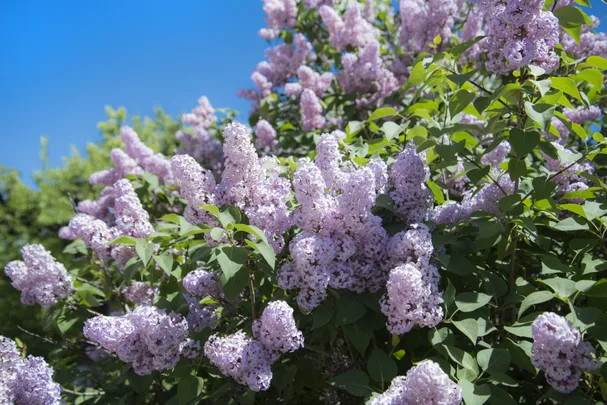
After a long, cold winter, spring celebrates its annual seasonal coup with the gentle eruption of lilac’s cottony clouds of tiny flowers. The competition to be spring’s flowering supremo is tough, given the profusion of spring-flowering bulbs and bushes. Lilac wins because each tiny flower releases a perfume that sends bees and butterflies into a frenzy as they search for nectar.
KEY TAKEAWAYS
- Plant in full sun with well-draining, loamy soil — either spring or autumn, though autumn is better in warmer areas.
- Choose a spot near a door, window or path so you can enjoy the fragrance as you pass by.
- Water regularly while establishing (1-2 times a week), then only during dry periods once mature.
- Prune after flowering finishes and avoid high-nitrogen fertiliser, which promotes leaves over blooms.
And while lilacs look like the Christmas-flowering crepe myrtle and the buddleia (butterfly bush) that flower in late summer, lilacs push out their blooms first. Planting this trio is a great way to have flowering trees from spring through to autumn. Lilac bushes are fuss-free so long as you give them the right conditions.
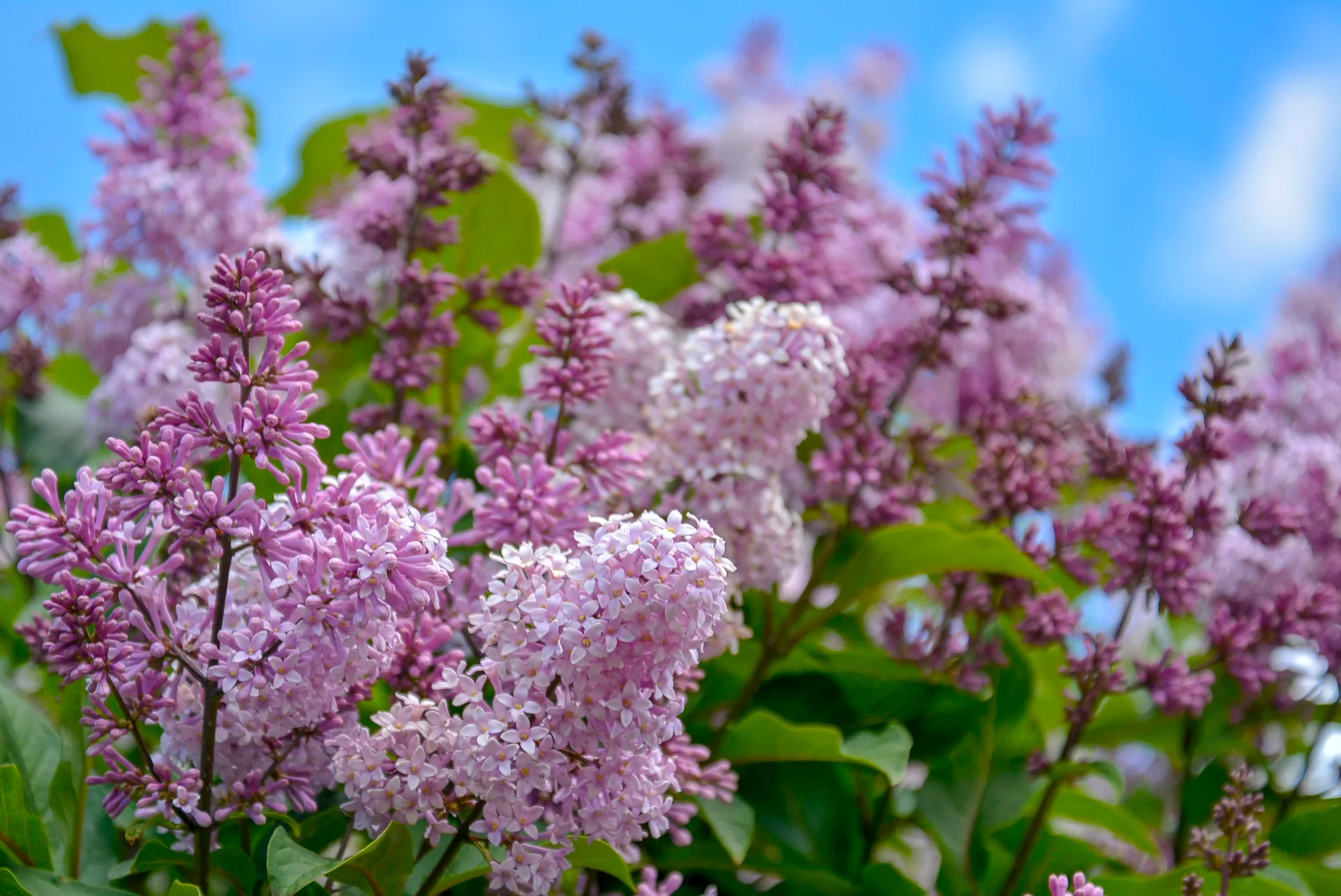
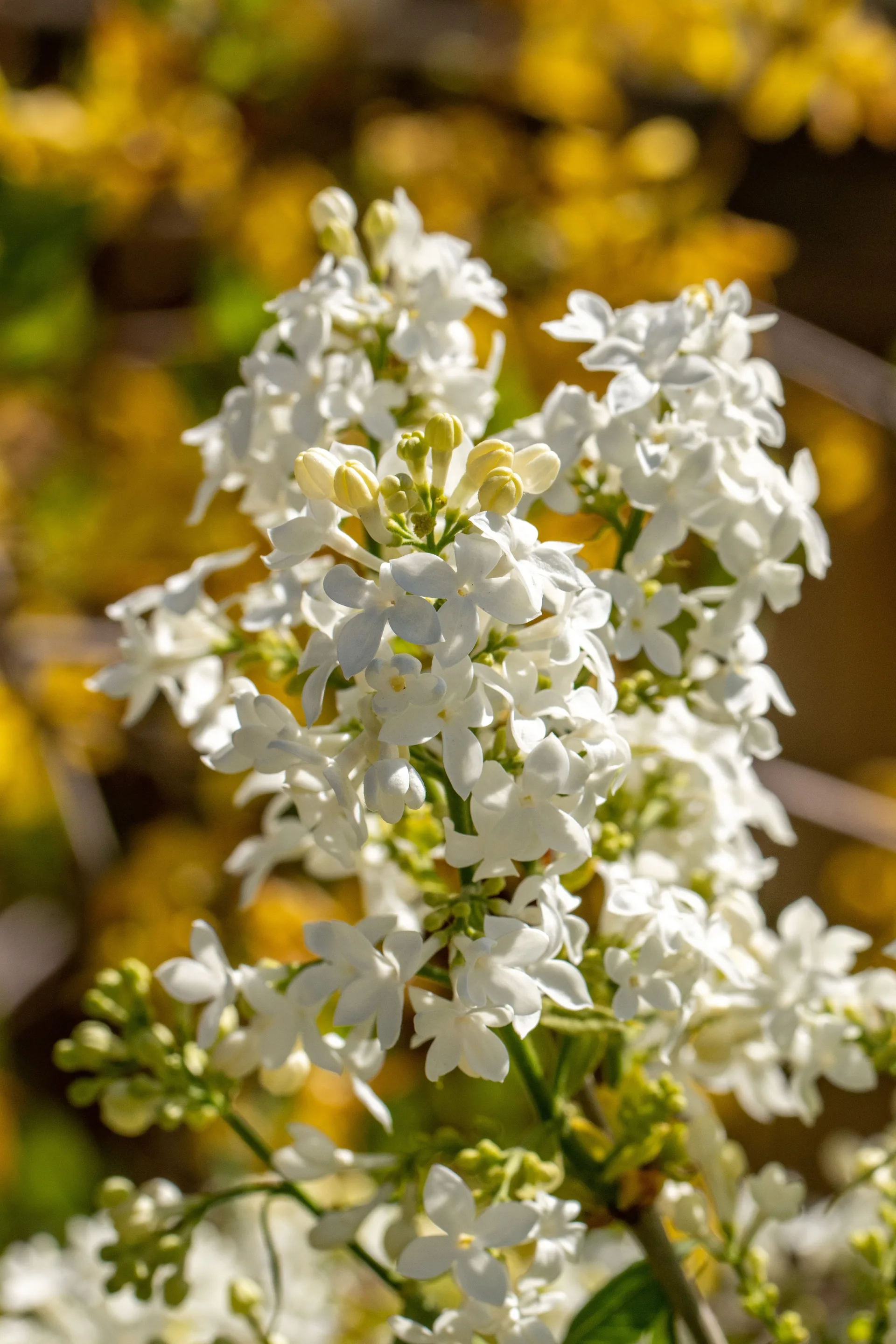
Lilacs can grow up to 7m tall, and have a wide berth of around the same width. Their flowers can range from white and pink to lilac and deep purple. The strongest perfume comes from medium to dark purple flowers.
Growing lilacs at a glance
- When to plant: Either spring or autumn
- Climate: Cool to temperate
- Position: Full sun
- Water: Regularly
- Soil type: Loamy
- Blooms/Harvest: Spring

How to grow lilac
Growing lilac flowers is simple. To plant, follow this process:
- Choose a spot in full sun, with well-draining soil. Lilacs like loamy soil, so make sure your soil has the right consistency and composition.
- Dig your planting hole. Make it twice the size of your root ball. Remove from the container and tease the roots out.
- Position it in the planting hole, then refill around the roots and shrub. Gently press down on the soil to firm it up. Water in well.
- Mulch around your plant with a natural substance, such as sugar cane mulch or bark chips.
- Water regularly as it establishes. This should be around 1-2 times a week, depending on weather conditions.
Although lilacs can be grown in pots, they do best in spots where their roots can spread. For container growing, choose a variety that stays relatively small.
When to plant lilacs?
It is best to plant lilacs in either spring or autumn. Autumn may be a better time for warmer areas around Australia. This gives the roots enough time to build the strength to survive hot summers. You can also plant lilac bushes bare-rooted in winter.
What type of climate does lilac need to survive?
Lilacs prefer cool to temperate climates. This is because the plant needs cold-winter dormancy to produce its flower clusters. If you live in a hotter climate, there may be fewer flower clusters. The upside to a cooler-climate flower is that they are frost hardy and deals with colder temperatures well.
How much sun does lilac need?
When first established and during the growing season, lilac needs six hours of full sun daily. During the hotter months, it may be wise to protect your lilac flowers or provide shade.
How often should lilac be watered?
Water younger lilac plants regularly until the roots are properly established. This helps them easily seek out moisture. Regular watering is usually 1-2 times a week, but it may differ depending on weather conditions. After establishment, your lilac bush will only need water during extended dry periods.
What type of soil should I use?
Lilacs like a well-draining soil, preferably with a loamy consistency. This is so the roots aren’t starved of nutrients and do not become waterlogged during heavy rain periods. To achieve the perfect balance, dig in quality organic matter, like compost fertiliser.




When will it bloom?
You will need to wait a couple of years after planting for a lilac bush to bloom. When feeding your plant, limit your use of nitrogen. An overload of nitrogen will promote foliage production over flower production.
Lilac flowers typically bloom in spring; however, some varieties put on a second summer bloom.
In terms of fragrance, it starts off sweet in the morning and then grows stronger and richer as the day warms. The sun’s light and heat help intensify the aroma. If your spring is damp and/or cold, the scent will be much softer.
Can you grow lilac indoors?
Growing lilac indoors is not recommended, as they are larger bushes that enjoy a cooler climate. However, you can pick lilac flowers to display around your home.
When picking blooms for indoors, cut stems just above a set of leaves, with flowers that are at least three-quarters open. Very few buds open after cutting. Cut foliage separately. The flowers last just three to four days once cut, although you can extend that by a day or two by misting the flowers with water. Lilac flowers are among the easiest to press, preserving their colour and perfume.
How to care for lilacs
Lilacs are relatively low-maintenance and will only require minimal feeding and pruning:
Pruning
Prune to shape after flowering. After a couple of years, the lilac bush produces thick woody stems from the base. Keep the bush tidy by removing new stems when flowering has finished, so energy is channelled to next spring’s splash.
Maintenance
Fertilise in late winter for optimal flower growth. For larger blooms, use a plant food that is high in phosphorus. Again, limit nitrogen, as it promotes foliage growth.
Pests and problems when growing lilac flowers
Lilacs surprisingly have few problems with pests and disease. One of the only significant problems a lilac bush can have is powdery mildew. This can be resolved through cutting back affected foliage and the use of a fungal spray.
Lilac flower varieties
There are many lilac varieties that vary in both size and flower colour. Here are our top 3 favourite lilac varieties:
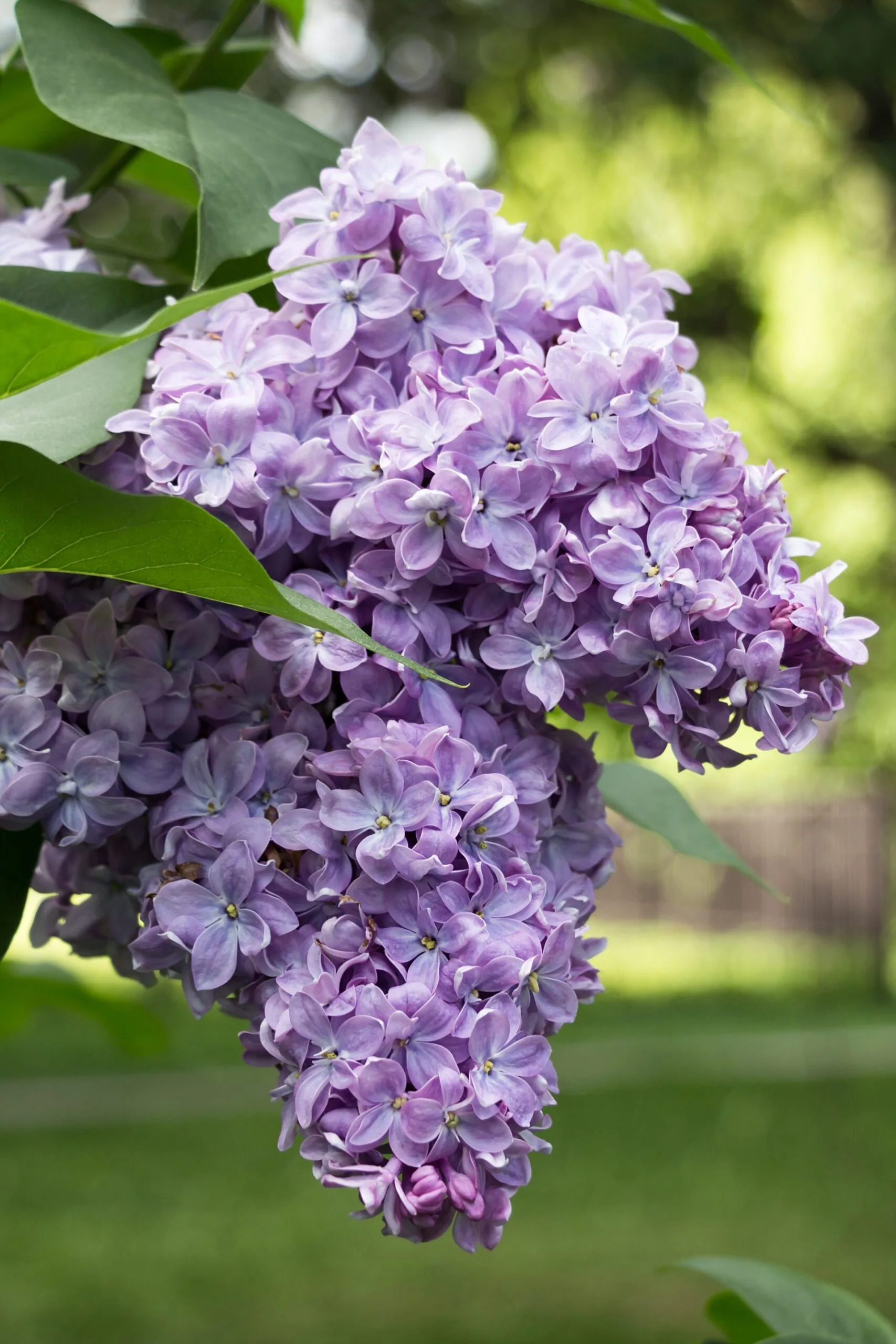
01
Common lilac
Syringa vulgaris
The common lilac is the most popular choice because of its strong fragrance and colour options. This variety can have flowers in white, pink, and all shades of purple. It works well as a standalone bush or as a hedge or screen for your backyard. Hundreds of cultivars are available, varying in colour and size.
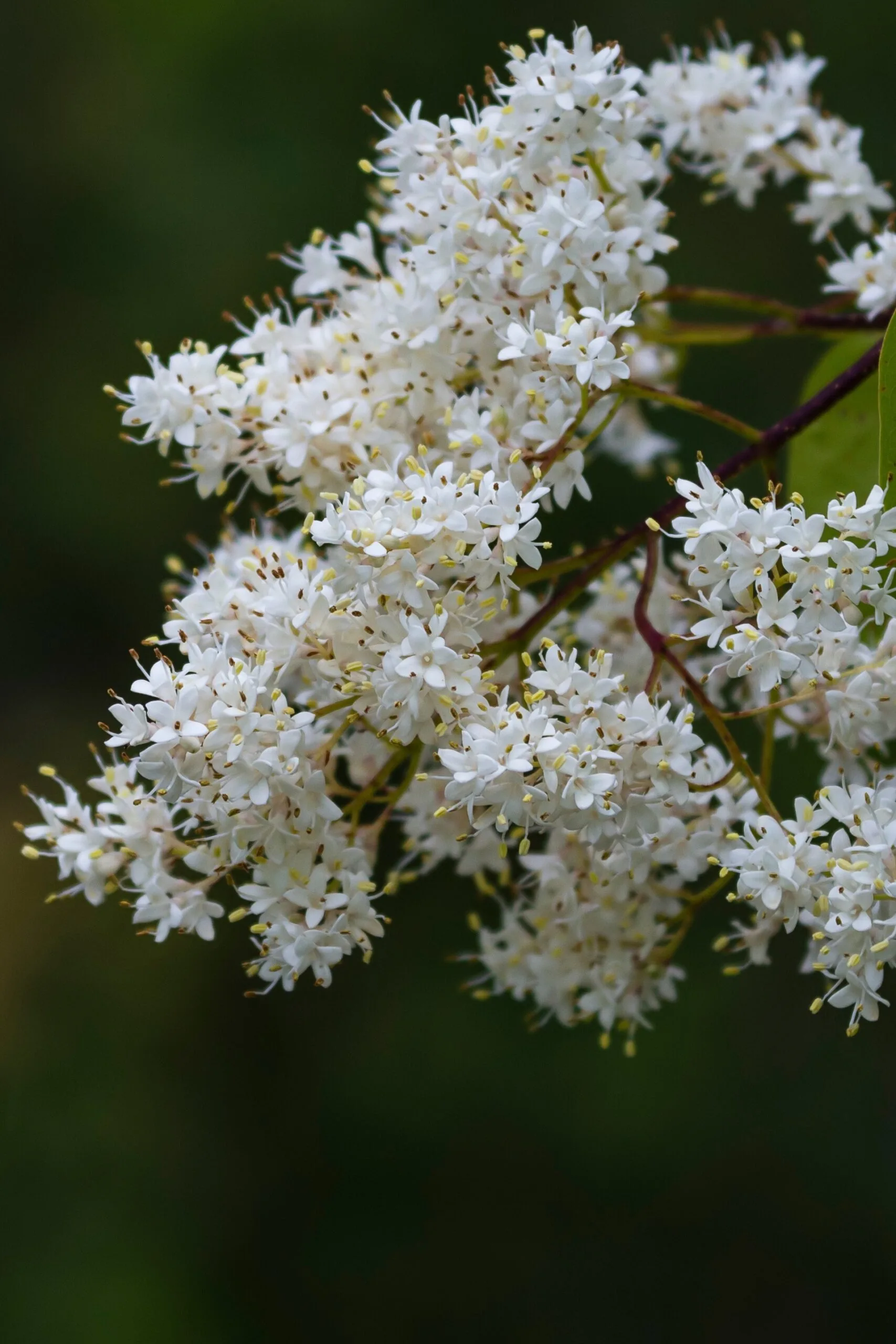
02
Japanese lilac
Syringa reticulata
The Japanese lilac is a great choice for screening or hedges, as it is one of the taller varieties. Growing pretty white flower clusters, this lilac has a creamy fragrance that attracts butterflies.
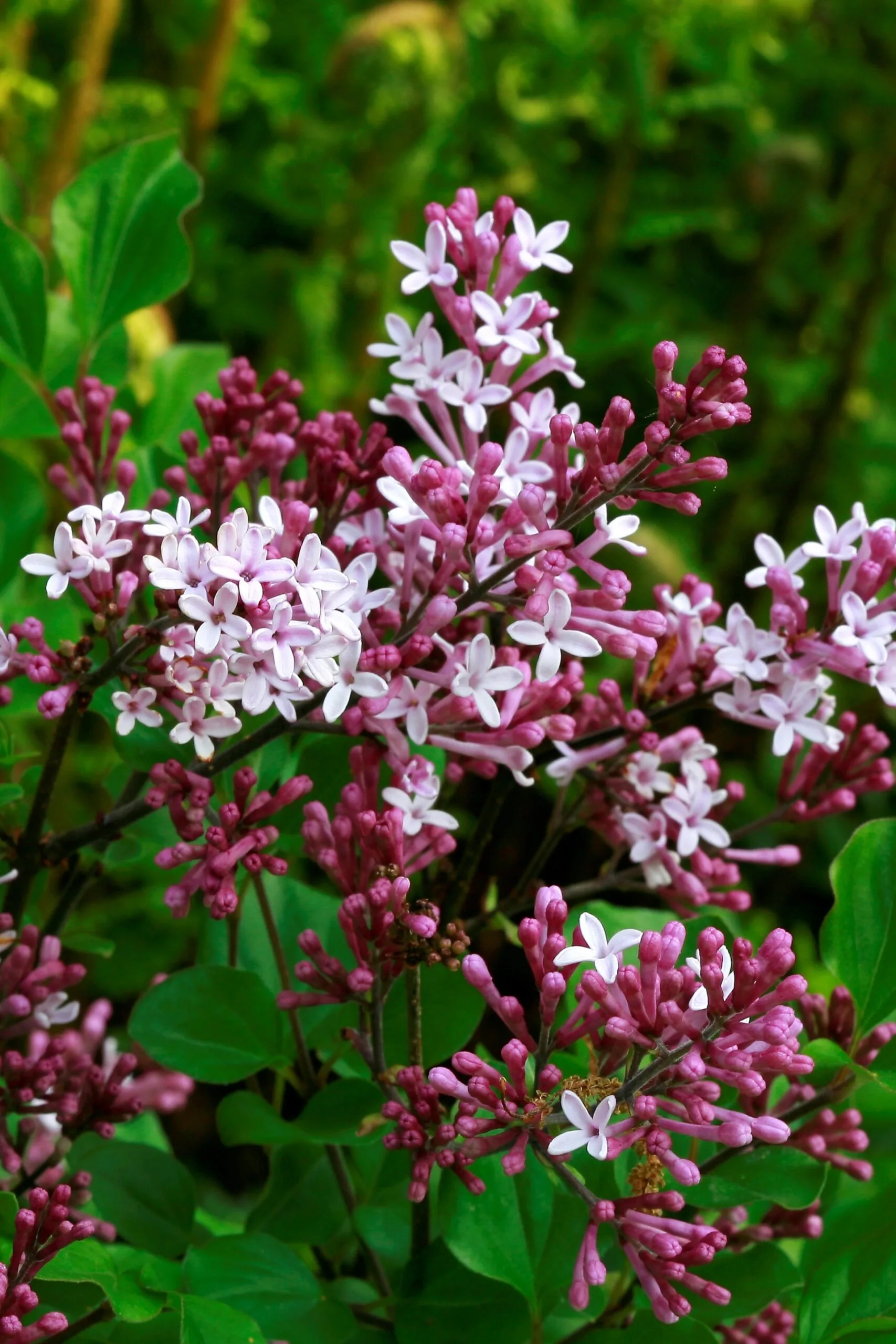
03
Meyer lilac
Syringa meyeri
The Meyer, or Korean, lilac is one of the more visually interesting varieties because of its dual colour tones. The dwarf varieties of the Korean lilac are the most popular, and work well in front gardens as a statement plant.
Landscaping ideas for lilac flowers
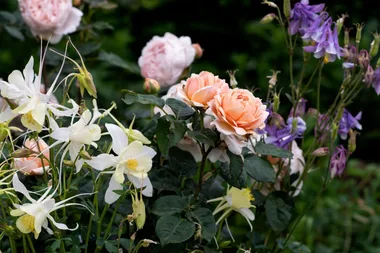
- Lilacs suit a cottage-style garden.
- Plant a lilac bush as a single specimen, or gather together a group with different flower colours.
- Include a lilac in a mixed border along a path. That way, you can appreciate its aroma as you go back and forth.
- Position a lilac bush close to a door or window so its fragrance can waft through your home.
- If an established lilac is not along your usual garden route, place a bench near it so you can sit and take in its scent.


