Australian summers can be brutal, turning the backyard into a spot you’ll want to escape to.
The good news? The right shade tree can change everything. These leafy wonders not only look beautiful, but they also cool your home and block out nosy neighbours. Choose a flowering variety for double the delight: soothing shade for you and bursts of colour that invite birds, bees, and butterflies.
To help you get started, here are seven flowering shade trees suited to Australian gardens.
Best flowering shade trees for your garden

Colville’s glory (Colvillea racemosa)
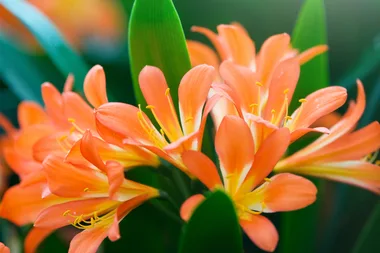
If a tree could express excitement and enthusiasm, then it’s this one when it explodes with striking, swinging clusters of bright-orange, grape-like buds amid the soft, feathery, fern-like foliage. The clusters are huge, up to 60cm long, and when tiny flowers emerge, they open up a store of sweet nectar that attracts swarms of rainbow lorikeets, birds, and butterflies. A briefly deciduous subtropical tree, it can grow to 15m high and 7m wide – plenty of shade for you to hold a summer garden party!
Climate: Tropical to subtropical; sensitive to frost.
Aspect: Full sun.
Soil: Well-drained.
Water: Water infrequently once established, thanks to its drought tolerance.
Food: Slow-release balanced fertiliser in spring.
Growth rate: Fast
Flowering: Late summer to autumn.

Golden penda (Xanthostemon chrysanthus)
Go for the green and gold with this show-stopping rainforest native. In the wild, it grows to about 15m, but just half of that in your garden. So it’s a shade tree you can hog for yourself. In summer, autumn, and sometimes winter, it’s a mountain of gold as the sparkling blooms rise above the cascading leaves, attracting nectar-loving birds, bees and butterflies.
Climate: Sub-tropical, warm temperate. Not frost tolerant.
Aspect: Full sun.
Soil: Rich, moist, well-drained.
Water: Deep, regular watering during establishment and extended dry spells.
Food: Slow-release fertiliser in spring.
Growth rate: Moderate
Flowering: Summer to autumn, sometimes winter

Ivory curl (Buckinghamia celsissima)
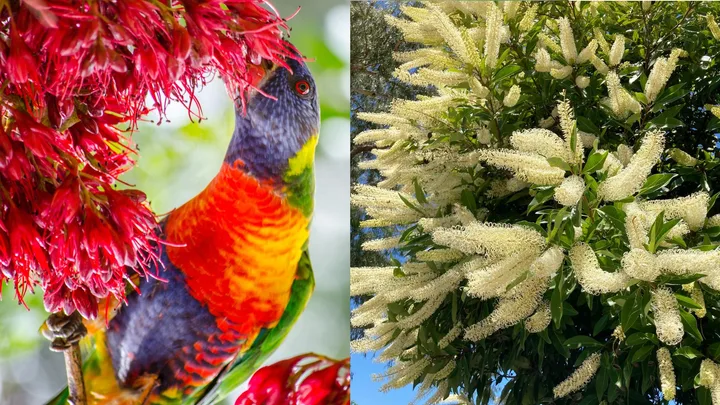
When in full bloom in early to mid-summer, it looks like snow has settled on the branches of this tree. Instead, it’s a huge gathering of spectacular, creamy-white, dense, long clusters that can hold up to 100 individual flowers. Growing to 10 metres, the canopy offers a sensual treat as the flowers produce a sweet, honey-like fragrance that attracts birds, bees and butterflies to lap up the nectar.
Climate: Tropical, subtropical, temperate. Not frost tolerant.
Aspect: Full sun.
Soil: Well-drained.
Water: During extended dry periods, but drought tolerant once established.
Food: Low-phosphorus native plant food, applied in spring. As a member of the Proteaceae family, it’s not tolerant of phosphorus.
Growth rate: Fast
Flowering: Early to mid-summer

Cape chestnut (Calodendrum capense)
Large clusters of small, fragrant mauve or pink orchid-like flowers in late spring to midsummer smother the glossy, deep-green foliage and bring an overload of charm to your garden. From South Africa, it grows to about 12m by 12m wide and is semi-deciduous, or deciduous in cooler regions. It’s not a chestnut but belongs to the citrus family, so crushing its leaves gives the family’s typical fresh lemony scent. It often grows into a multi-trunked specimen.
Climate: Warm temperate, subtropical, tropical.
Aspect: Full sun
Soil: Rich, moist, well-drained loamy or clay soil,
Water: Water regularly and deeply until established; then it becomes drought-tolerant.
Food: Slow-release balanced fertiliser in spring.
Growth rate: Moderate (fast in ideal conditions)
Flowering: Late spring to midsummer

Orchid tree (Bauhinia x blakeana)
Once you sit under the shade of this tree, you’ll never want to leave. The huge, perfumed rose-pink and white orchid-like flowers cover the canopy, forcing the two-lobed, butterfly-like leaves into submission. It starts flowering in February and peaks in spring. Growing to about 7- 9 m, this show-off will render a small garden complete.
Climate: Tropical, subtropical, warm temperate. Frost resistant when established.
Aspect: Full sun.
Soil: Fertile, well-drained.
Water: Weekly watering in summer.
Food: Well-balanced, slow-release fertiliser in autumn and early spring.
Growth rate: Fast
Flowering: Autumn to spring.

Persian silk tree (Albizia julibrissin)
This deciduous tree is a slow starter – when all other trees have produced fresh spring foliage, it delays this job until November, but then there’s no holding back. Soon, fluffy, bright pink pom-pom flowers emerge and last for months through the summer. Each flower has thousands of stamens that look like tiny silk threads and shift from white to pink, topped with a tiny pollen ball. They rise above the delicate fern-like foliage that provides cherished dappled shade in summer. The leaflets also fold up at night or when touched and stay on the tree often well into May. Native to Asia, from Iran to Japan, it grows to 5-10 m and is also known as mimosa.
Climate: Warm temperate, subtropical.
Aspect: Full sun.
Soil: Well-drained sandy or loam.
Water: Keep soil moist when young, drought-tolerant when established.
Food: Balanced, slow-release fertiliser in spring.
Growth rate: Fast
Flowering: Summer.

Parrot tree (Schotia brachypetala)
Also known as the weeping Boer-bean tree, it produces spring flowers that grow out of bean-like buds in thick clusters of deep red or crimson that shroud the deep green leaves. Native to southern Africa, it grows to about 15m and is evergreen in warm, frost-free areas, but deciduous in cooler climates. Some varieties produce so much nectar it literally drips, so naturally it is a magnet for bees and other insects emerging from their winter slumbers. Of course, Australia’s parrots flock to it.
Climate: Tropical, subtropical, temperate.
Aspect: Full sun.
Soil: Well-drained sandy soil.
Water: Keep moist in summer, drought-resistant once established.
Food: All-round, slow-release fertiliser in late winter.
Growth rate: Fast in good conditions
Flowering: Spring.
How to choose the right shade tree for your garden
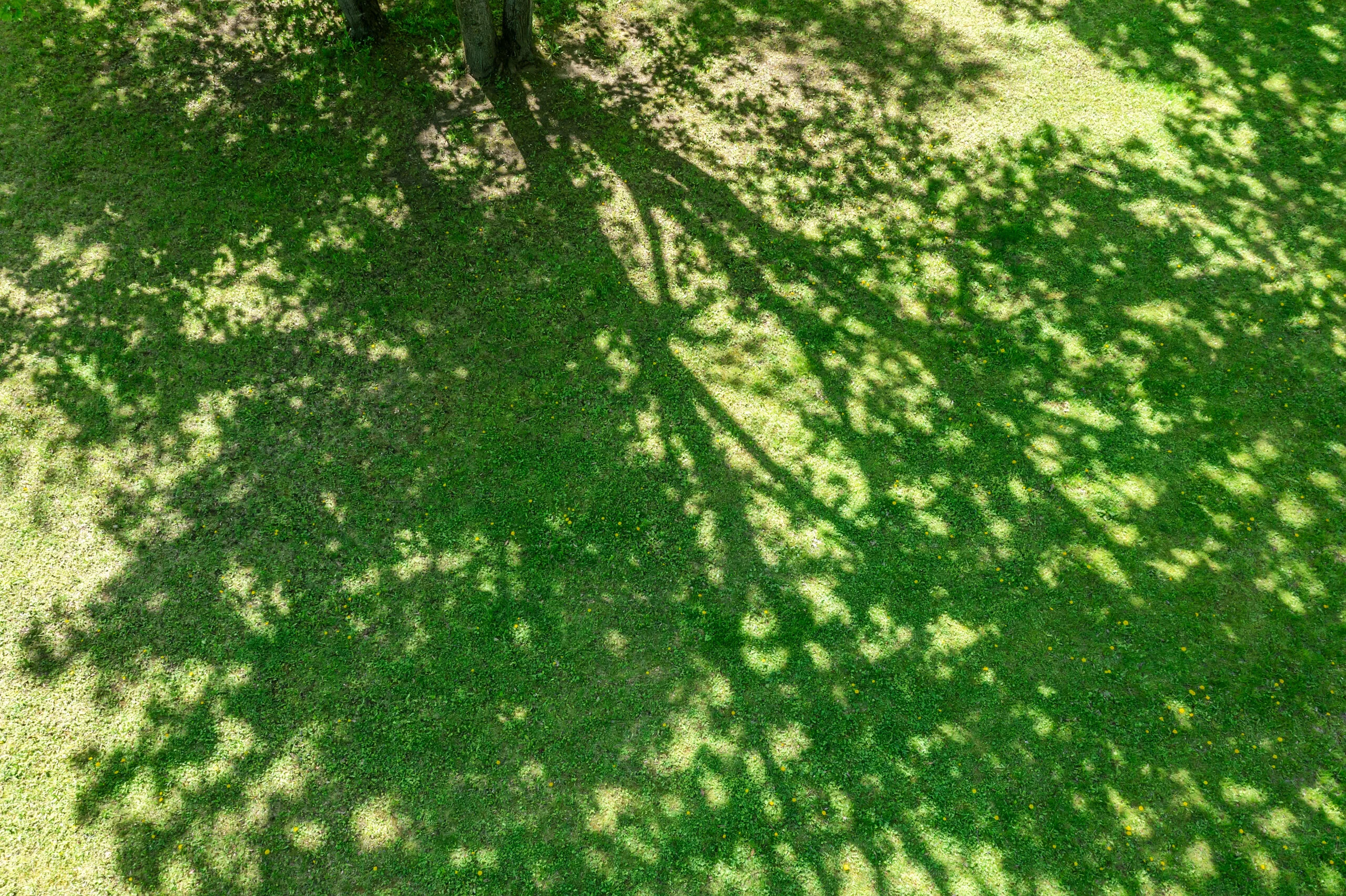
The best shade tree for your garden is one that fits your space, your climate, and how quickly you want some relief from the sun. If you get those three things right, you’ll have a tree that rewards you for decades. That said, if you get them wrong, you might end up with roots in the wrong places or leaves all over your backyard.
Large shade trees vs small trees for shade
The size of the tree you choose all depends on your space. Big shade trees like Colville’s glory and the parrot tree can reach up to 15m and shade a large backyard, but they’ll completely take over a small garden. If you have less room, go for smaller shade trees like the orchid tree or golden penda.
If you’d prefer a native, dwarf gum trees offer colourful flowers and dappled shade at just 3–8m tall.
Fastest shade trees for quick cover
If you’re impatient for shade, fast-growing shade trees are the way to go. The Persian silk tree can shoot up 60cm to 1m a year when it’s young, and Colville’s glory can add more than a metre a year in the right conditions. The orchid tree and ivory curl also grow quickly, especially if you keep up with watering.

Related stories

Native ad body.
Native ad body.


Native ad body.