

 (Photography: Canva)
If you’ve noticed yellow or brown patches appearing on your lawn and you have a dog, it isn’t a coincidence. These creatures of habit may be ruining your grass one pee at a time, but the good news is it’s an easy fix. And it doesn’t involve re-toilet training your dog (because we all know that’s the real struggle!).
We spoke to our resident pet expert, Dr Will, about the impact of dog urine on lawns and how to manage it, plus we got some handy tips for toilet training your dog.
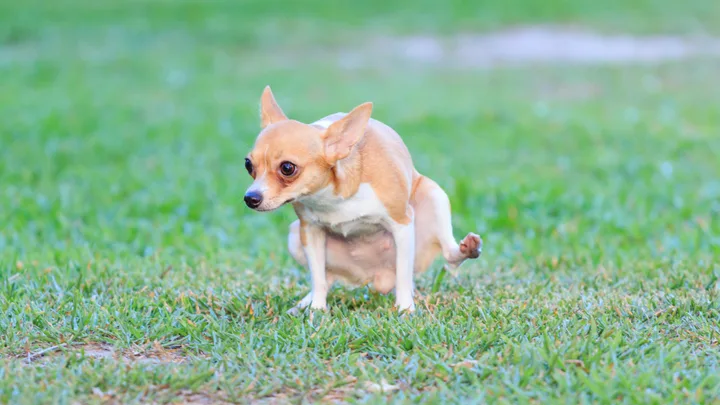
Why does my dog keep weeing in the same spot?
Dogs return to the same spot to wee mainly due to the lingering scent markers from their previous visit, which signals a familiar or safe bathroom area. But there are lots of reasons at play as to why your pooch is peeing in the same place:
- Scent attraction: Dried dog wee leaves behind uric acid, proteins, and pheromones that – to a dog’s strong sense of smell – act as a neon sign saying “this is the toilet”.
- Territorial marking: Adult dogs, especially males, do small wees to claim territory, announce their presence, or cover up other animals’ scents.
- Habit and surface preference: Puppies and dogs form strong surface preferences such as grass, rugs, or specific indoor corners during early training. Returning to the same spot offers predictable comfort and routine.
- Stress or anxiety: Changes in the household, new pets, moving, or separation anxiety can trigger repetitive marking behaviours.
We asked veterinarian Dr Will how dog owners can encourage their dogs to mix up where they pee. “Dogs are creatures of habit!” he said.
“I’d recommend creating a designated toilet area, perhaps with mulch or gravel, and rewarding them with a healthy treat and a big pat when they use it. A little positive reinforcement and consistency go a long way!
Why is dog wee ruining your lawn?
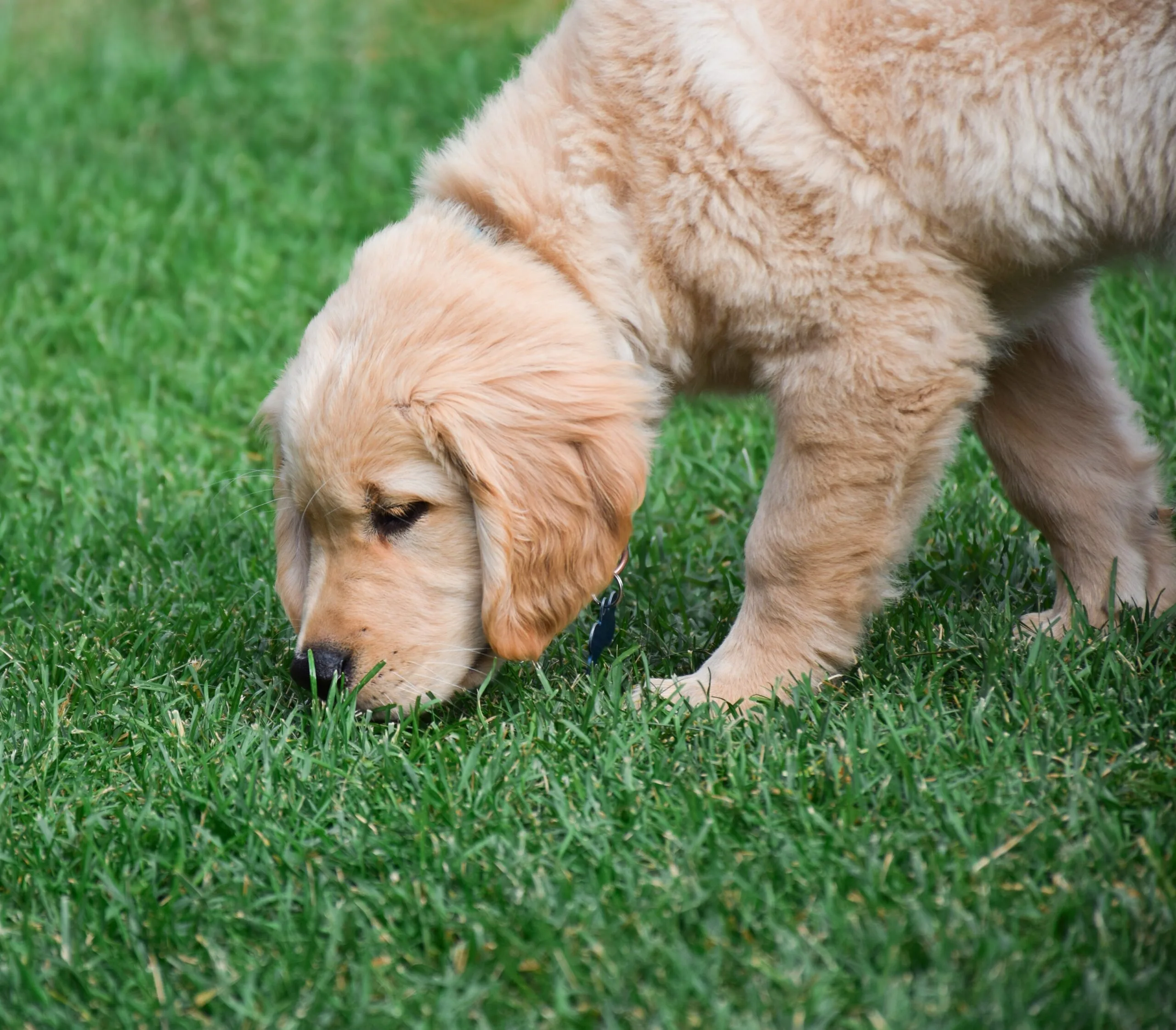
Your dog’s toilet habits may be ruining your lawn because their wee contains nitrogen. In small amounts, it isn’t a problem for grass. But the real issue is due to their return visits, weeing in the same spot again and again.
If nitrogen becomes concentrated in one area of the lawn, it can create those ugly yellow or brown patches.
Dr Will said, “Nitrogen is a natural by-product of protein metabolism, and while grass loves a little nitrogen, too much in one spot essentially burns the lawn. You’ll often notice a lovely green ring around the yellow patch, where the nitrogen has been diluted enough to act as a fertiliser.”
The amount of nitrogen in their urine is impacted by the dog’s breed, size and diet.
“Bigger dogs generally produce more urine, so there’s potentially more nitrogen hitting the lawn,’ Dr Will said. “Diet also plays a role, particularly protein intake and hydration. I’m a big advocate for moisture-rich fresh food, as the additional water in their diet can help dilute their urine naturally. It’s another great reason to focus on keeping our dogs well hydrated.”
How to save my lawn from dog wee damage
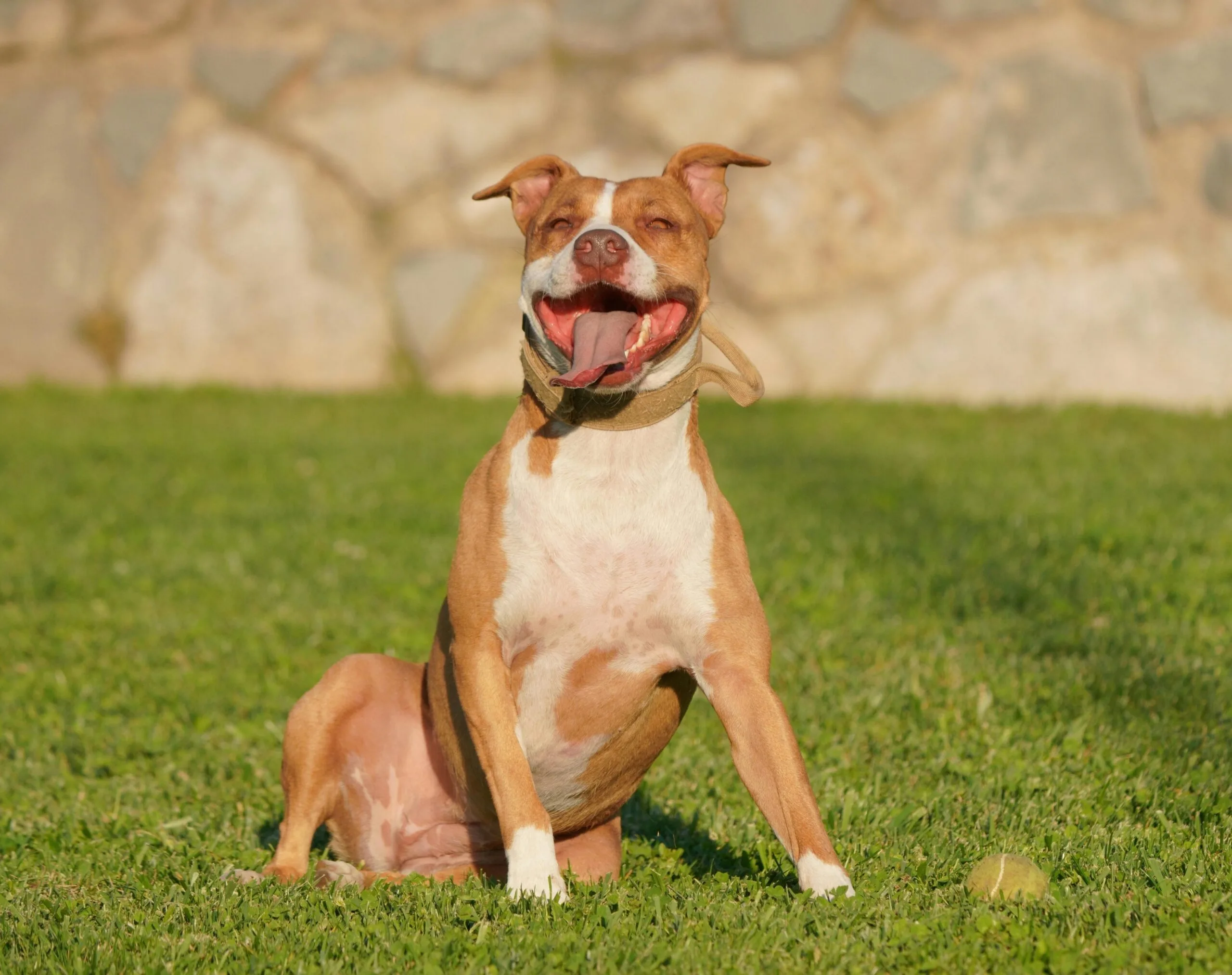
The good news is, there are a few simple fixes that can help prevent the ruin of your green-looking lawn.
Dr Will said, “Honestly, water is your best friend! A quick rinse of the area after your dog urinates helps dilute the nitrogen before it damages the grass. You could also consider hardier grass varieties like couch or kikuyu, which tend to recover more quickly from damage. A designated toilet area can also make a huge difference!”
We’ve broken down how to prevent your dog’s wee from discolouring your lawn below.
1. Rinse it immediately
As soon as they finish doing their business, rinse the spot immediately with a hose or watering can. This will help to flush and dilute the nitrogen from your dog’s chosen spot.
2. Increase hydration
If your dog drinks more water, there will be less nitrogen in their pee because it’ll be diluted. There are several ways to get your dog drinking more: add extra water bowls around your house and yard, grab a pet fountain or consider incorporating broth into their food.
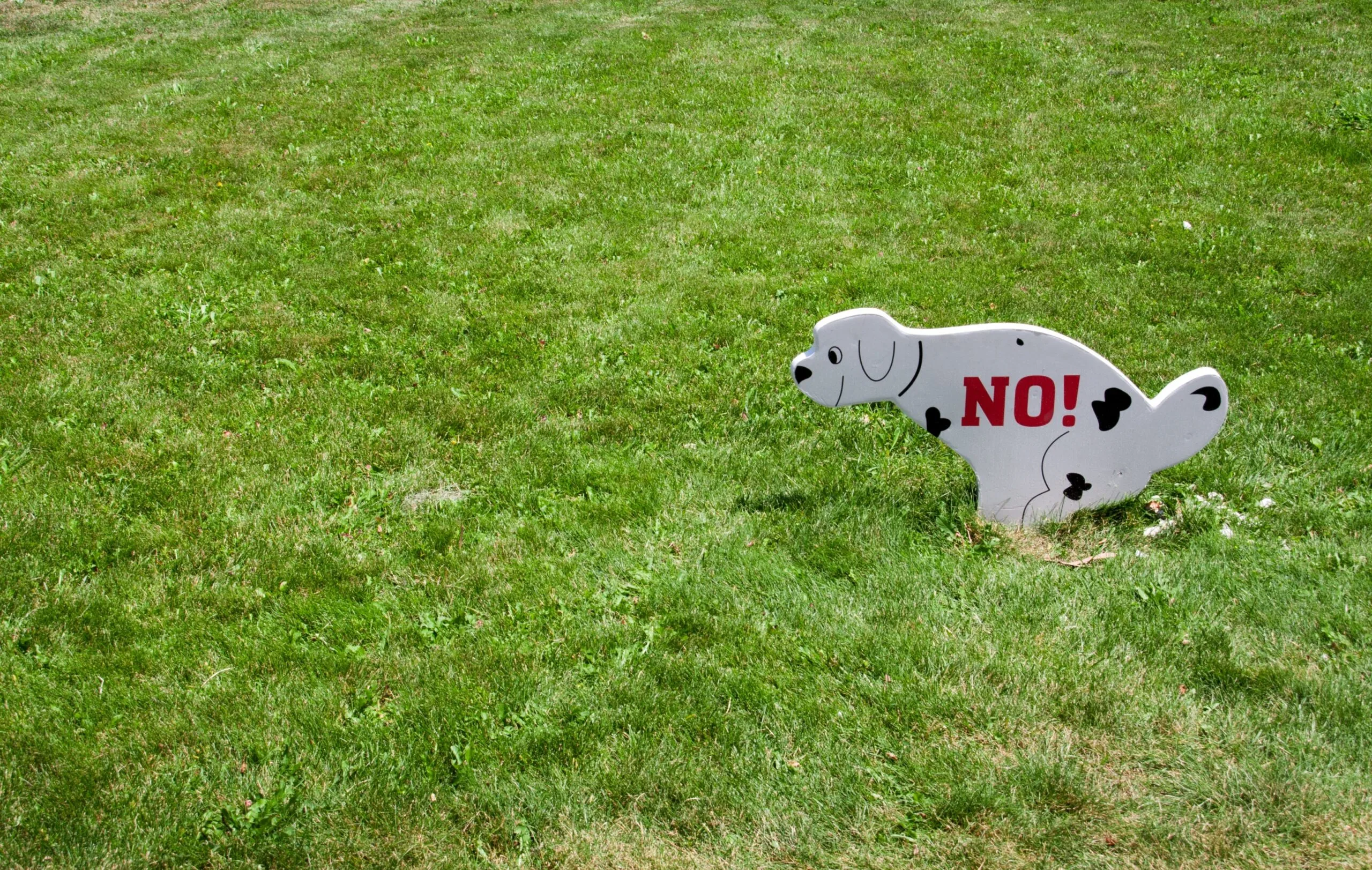
3. Toilet train them in a designated spot
While training to wee on the lawn is always a good option, if they habitually return to the same spot, it might be worth moving their designated wee spot to somewhere that’s covered with mulch, gravel or artificial turf – or is just out of sight!
4. Choose resilient grass
If you’re planning to re-do your grass, choose wisely. Grab a hardy, urine-resistant turf variety such as tall fescue or perennial ryegrass.
5. Use a water filter
A solution that works wonders is adding a natural water filter mineral in their water bowl. Dog Rocks will help filter out impurities like nitrates and ammonia.
How to fix a yellow lawn patch
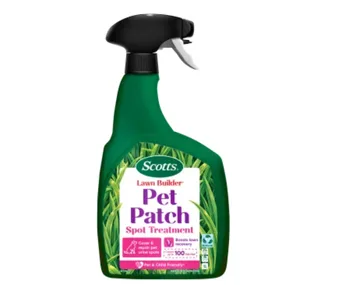
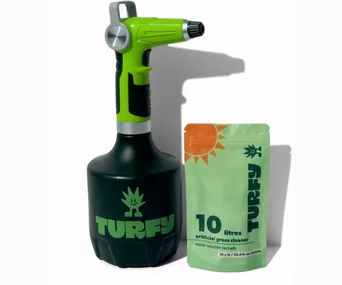
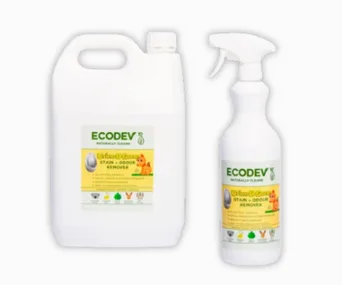
If you’re too late to the party and the damage has already been done, there’s still hope. You can buy spray-on treatments to repair dog-related lawn damage. For example, Scotts Lawn Builder Pet Patch combines a natural green turf pigment to instantly blend the affected spot into the surrounding lawn, while a wetting agent helps disperse urine salts and supports the lawn’s natural recovery.
Dr Will’s tips for toilet training your dog
There are three core principles when toilet training your dog, according to Dr Will.
“Routine, patience and plenty of positive reinforcement!” he said. “Take puppies outside regularly, especially after meals, naps and playtime. When they get it right, reward them with a little bite-sized piece of fresh food and plenty of praise. They quickly learn that toileting outside is a good thing.”
One of the biggest mistakes dog owners make when toilet training their dogs is punishing accidents.
“Puppies aren’t being naughty; they’re learning,” Dr Will said. “Punishment can actually create anxiety around toileting, so I’d always focus on rewarding the right behaviour rather than correcting the wrong one.”


