

 (Photography: Getty)
Bird flu is making its way across Australia and it isn’t just birds that are at risk of catching the disease. So far, it has been detected in other wildlife – the common dolphin, long nosed fur seal, little penguins and a red fox.
But are domestic pets at risk too? The answer, is yes.
We spoke to Dr Nina Coulthard, BSc BVMS (Hons) a veterinarian at Greencross Vets and she confirmed, “Bird flu can infect all mammals, so dogs, cats, rabbits and ferrets can all be infected.”
What is bird flu?
Bird flu, also known as avian influenza, is an infection caused by influenza A viruses that mainly affect birds. It can also infect mammals, including humans, with some highly contagious strains that can cause severe disease and death.
We spoke to veterinarian at Sydney Animal Hospitals, Dr Bec Cassilles and she said, “The strain causing concern now has been circulating globally since around 2020 and has spread further and to more animal species than earlier versions. It traces back to a lineage first identified in geese in China in the 1990s, with the first human cases recorded in Hong Kong in 1997.”
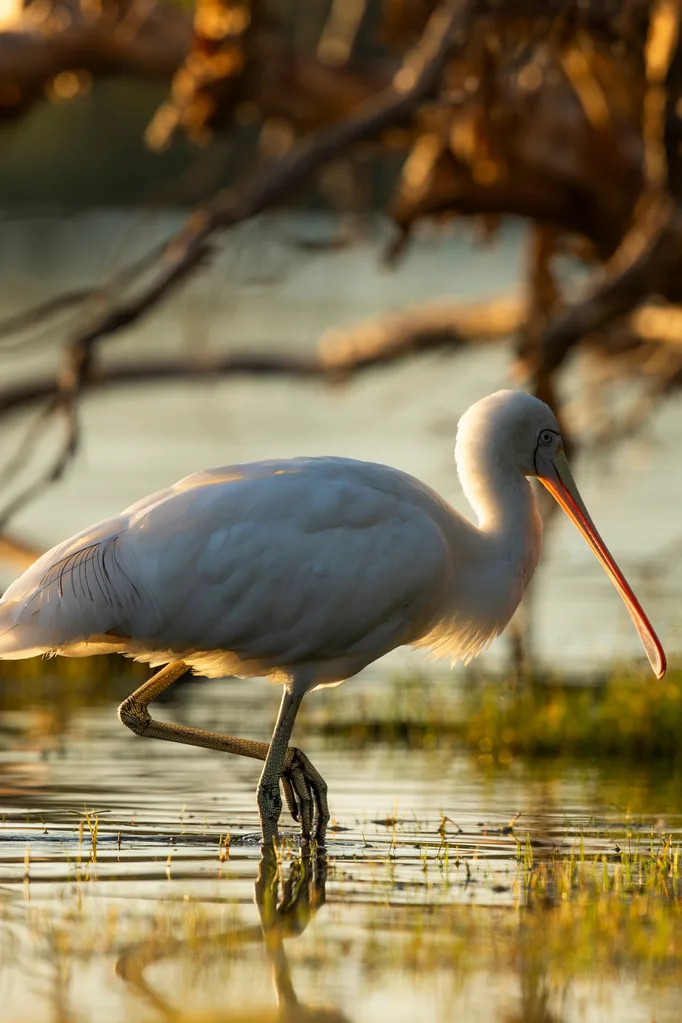
What animals have been affected by bird flu so far?
“Globally, more than 60 mammalian species have been infected with H5 bird flu, mainly marine mammals and bird-eating scavengers,” Dr Coulthard said. “But the virus has also been detected in dairy cattle, pet cats, goats, alpacas, pigs, horses, zoo animals and other wild animals.”
Dr Cassilles added, “Cats are considered the most at risk of common household pets, with confirmed cases overseas usually linked to eating infected birds or raw meat/milk. Dogs can potentially be infected too, though this seems less common. Rabbits and other small pets aren’t commonly reported with it, but it can’t be entirely ruled out.”
What are the symptoms for bird flu?
The symptoms vary depending on the pet. In birds, Dr Cassilles said “sudden death, lethargy, swelling around the head/eyes/neck, purple discolouration of the comb or legs, and fewer eggs being laid.”
However, for cats and dogs, pet owners should keep an eye out for “fever, lethargy, loss of appetite, coughing or discharge from the eyes/nose, and in more serious cases, tremors, wobbliness or seizures.”
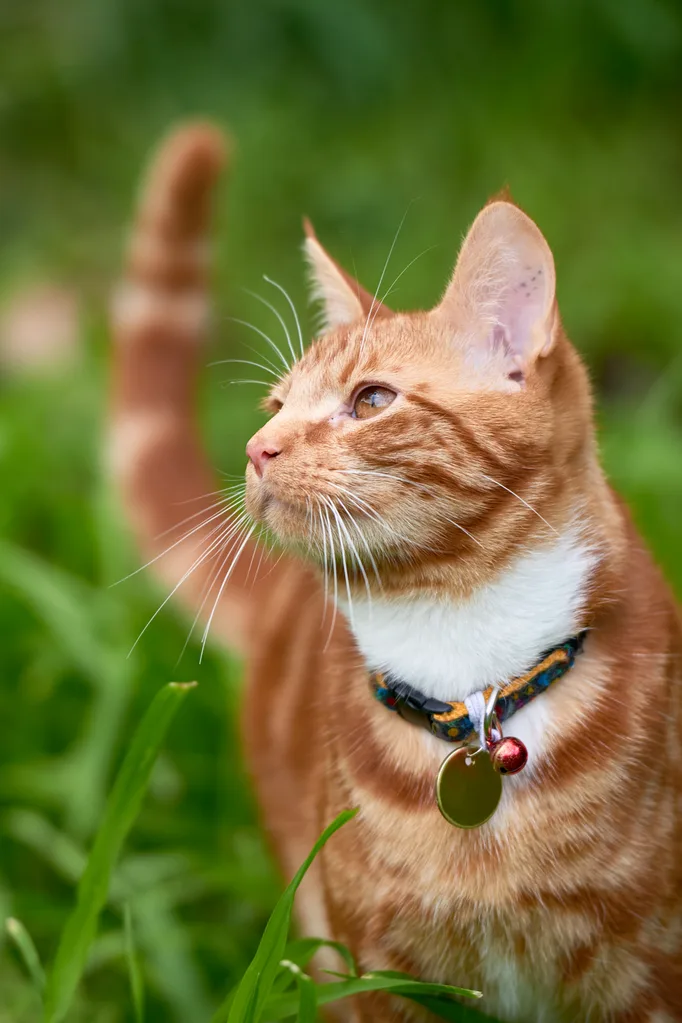
What do to if your pet shows signs of bird flu?
If you’re worried your pet has bird flu, Dr Cassilles said to “isolate the pet from other animals and people, then call us before bringing them in so we can prepare properly, and if there’s been contact with sick or dead wild birds, report it to the Emergency Animal Disease Hotline on 1800 675 888.”
And as for treatment, it isn’t promising. She added: “Currently, treatment for animals is mostly supportive care. For humans, antiviral medications are available and used for confirmed or suspected cases. Vaccine research is progressing for both animals and people, with trials underway this year, but nothing is widely available yet.”



How to prevent your pets from catching bird flu?
To help protect your pets from bird flu, there are a few steps you can take to avoid any chances. Dr Coulthard suggests pet owners prevent wild birds from accessing pet food and water, don’t let pets eat or touch sick or dead animals, and keep dogs on a leash, especially in wildlife areas. For cats, keep them indoors and prevent them from roaming.
If you have had direct contact with sick or dead birds, shower and change clothes before touching your pets and where possible, move birds indoors.
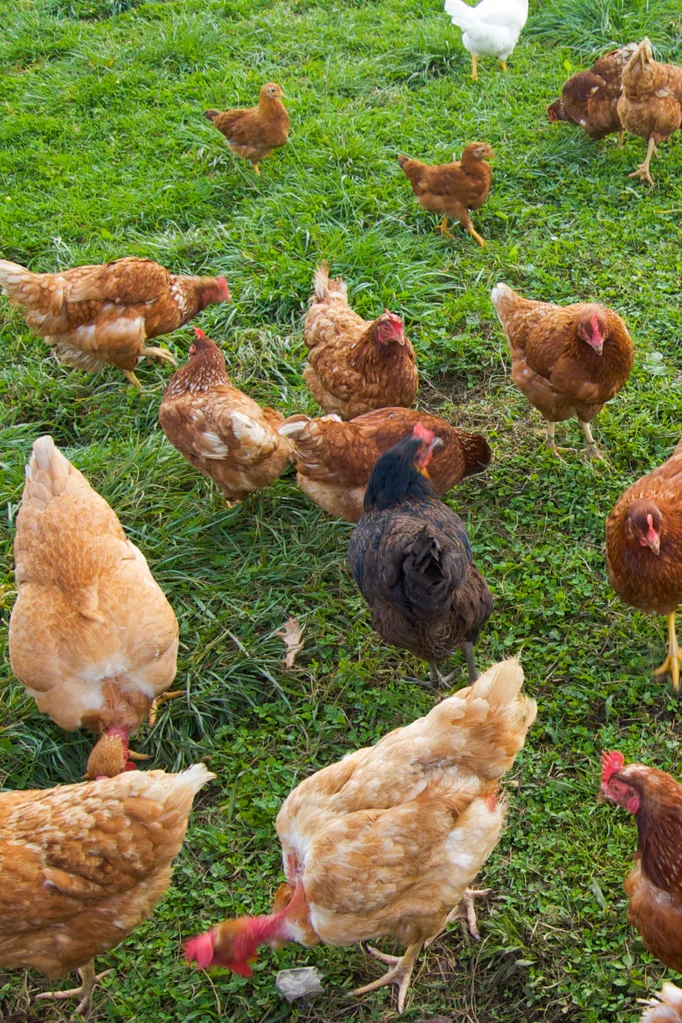
How to prevent birds specifically from catching bird flu?
A few simple steps is to keep bird areas clean, reduce contact with wild birds, keep food and water clean, practice good hygiene, limit visitor access and always quarantine new birds.
How does bird flu spread?
Bird flu can be passed on “mostly through contact with an infected bird’s droppings, saliva or other bodily fluids. Wild birds, especially migratory seabirds, are the main way it spreads long distances,” Dr Cassilles said. “It can also spill over into mammals that eat infected birds or spend time in contaminated environments.”
Are there certain areas in Australia that should be extra vigilant?
Coastal areas with seabird colonies, particularly South Australia’s south-east coast, are the current hotspots. Anywhere with large gatherings of wild waterbirds warrants extra caution.
What states in Australia have been affected so far?
As of 4pm AEST, 9 September 2026, Australia has 504 confirmed events of H5 bird flu in wildlife.
- 33 in Tasmania (TAS)
- 10 in Western Australia (WA)
- 282 in South Australia (SA)
- 22 in New South Wales (NSW)
- 2 in Queensland (QLD)
- 155 in Victoria (VIC)
Dr Coulthard added: “Bird flu has not yet been detected in the Northern Territory; however, it would be expected that this will occur in due course as infected wild birds cross state borders.

