


Many people think ticks aren’t a winter problem for their furry friends, and it’s easy to see why. But a vet warns that easing off prevention in the cooler months could put your pet at serious risk.
KEY TAKEAWAYS
- Ticks are active year-round — they don’t disappear in winter, especially in warmer regions
- Know the warning signs — a lump, wobbly walk, breathing changes, vomiting, bark change, or collapse
- Check your dog regularly — run your fingers through their coat and check hidden spots
- Prevention is your best protection
Dr Gloria Ebeyer, Petstock Head Vet says, “Ticks are less common during the winter months, but they don’t completely disappear and are typically more common in warmer regions, so pet owners still need to keep their eye out.”
She adds: “Regular tick checks are just as important during the cooler months, and you can easily check your pets by running your fingers through their coat and checking hidden spots like around the ears, lips, eyes, collar area, under the legs, between the toes and around the tail. And if you think your pet might have ticks, contact your vet immediately.”
What are ticks?
In Australia, we have 70 species of ticks, but they all share a love of animal and human blood. There are two major groups: hard ticks and soft ticks, with hard ticks being the most common. The types you need to watch out for on your dog are bush ticks, cattle ticks, brown dog ticks, and – the worst of them – paralysis ticks.
“Paralysis ticks are parasites that feed on blood, and as they feed, they secrete numerous toxins. One of them is a potent neurotoxin which can cause paralysis of the body and respiratory muscles, and affect the ability to swallow properly,” says Dr Ellie Leister, a specialist in Veterinary Emergency and Critical Care.
In fact, this toxin can be life-threatening, so it’s important to catch symptoms early!
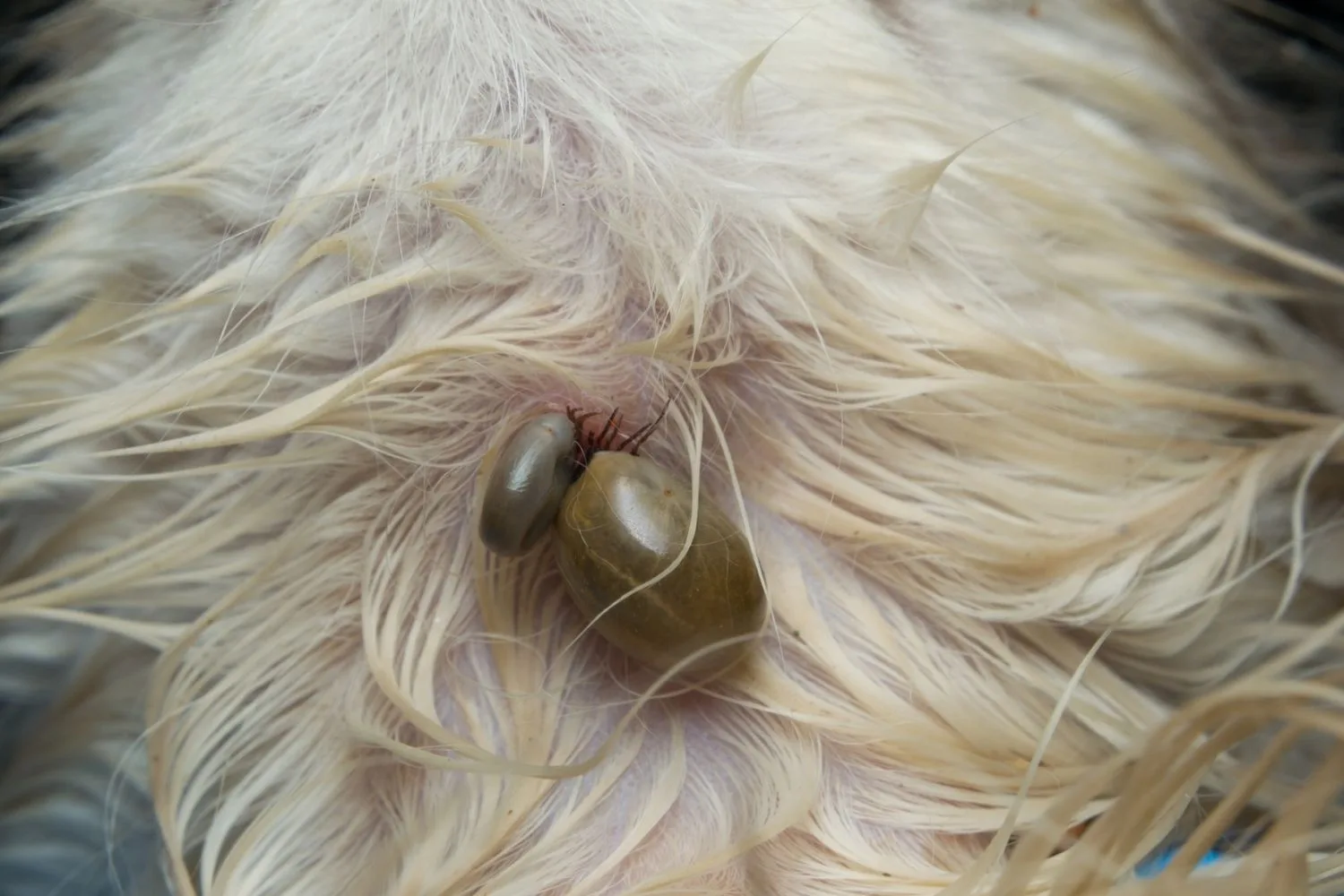
What are the first signs of a tick on a dog?
1. A lump
As they bury their mouths into flesh, ticks leave their bottoms protruding, which grow as they feed. You should make a habit of checking your pet for lumps periodically year-round, especially in spring and summer. It’s important to note that even if you remove a tick, your dog may still suffer paralysis, so keep watching for more symptoms. Generally speaking, it is best to resist the urge to remove a tick yourself, as you may leave some of it behind, making it difficult to re-locate.
2. A wobbly walk
The poison that ticks release slowly causes paralysis (hence the name), so another sign your pet may have been bitten by a tick is a lack of coordination (especially in the back legs), or an inability to walk at all.
3. A cough, heavy panting or difficulty breathing
The venom causes your pet’s respiratory muscles to weaken, meaning they may inhale food or saliva, which can lead to pneumonia.
4. Vomiting
While all pets vomit from time to time, if you notice your dog vomits more than twice in one day, or if its vomit is frothy, it could be suffering from tick paralysis.
5. A change in bark
If the pitch or volume of your dog’s bark is noticeably different, it could also be a sign of tick paralysis.



6. Collapse
This is a sign that paralysis has set in, and definitely requires an urgent trip to the vet. Your dog may be unable to move at all, and its gums may have turned blue from lack of oxygen.

How to check your dog for ticks
Dr Heather Russell, a member of The Australian Paralysis Tick Advisory Panel, says, “In addition to watching out for the signs of tick paralysis, it is essential to check your pet daily for ticks, even if they are on a tick control product.”
- Remove the collar and search for ticks that may be hiding underneath it.
- Gently move your fingertips over the coat at skin level, feeling for any bumps.
- Start at the head and neck – don’t forget the mouth and ears – and continue down the front legs to the paws, checking between and under the toes. Search the chest, belly, back, tail,
and back legs.
Tick removal: what you need to know
If you find a tick, avoid squeezing or twisting it, as this can cause it to release more toxin. A tick removal tool or fine-tipped tweezers placed as close to the skin as possible is the safest approach — grip near the mouthparts and pull firmly upward without jerking.
Even after removal, call your vet. They can confirm that the tick has been fully removed, check for any additional ticks, and advise on monitoring for symptoms over the next 24–48 hours.
How to treat a tick
The sooner your dog is brought in for treatment, the better his or her chance of survival and the more effective the treatment. It’s vital that you have your vet’s number on hand at all times and also know your emergency vet options – unfortunately, ticks don’t care if it’s Christmas Day! Typically, a vet will administer the following treatments:
- Administer a sedative
- Perform a thorough check for any missed ticks
- Administer an anti-serum, which will help to neutralise the toxin
- Monitor your dog closely during its stay for any other symptoms
- Provide additional treatments, like IV fluids, oxygen, and check for symptoms of pneumonia
Recovery usually takes between two and nine days; it’s a slow process. Once your dog is home, it’s important to keep him or her comfortable by providing a cool environment and minimising stress and exercise. Your vet will likely tell you to feed them smaller, more frequent meals and to ensure that their fluid intake stays up. The entire recovery process can take up to three weeks.

How to prevent ticks
As with any disease or parasite, the best treatment is prevention! “The recommendation from the [Australian paralysis tick] advisory panel is for owners to use one of the newer, very effective tick control products from the isoxazoline family. These products should be used all year-round for dogs that are living in or travelling to known paralysis tick regions,” says Dr Leister.
As mentioned, you should also monitor your pet daily for lumps, including under the collar, in their ears and mouth, between their toes, and under their legs. It’s also important to ensure it is up to date with flea, tick, and worm treatments. If you’re unsure which brand is best, check with your vet, as they will usually have a couple of recommendations.


Yes — finding a tick on your dog should always be taken seriously, even if they seem fine. Paralysis tick toxin can be life-threatening, and symptoms may appear hours after removal. Monitor your dog closely and contact your vet immediately if you notice any changes. It’s also best not to remove a tick yourself unless advised by a vet, as leaving mouthparts behind can cause irritation, infection, and make assessment harder.


