

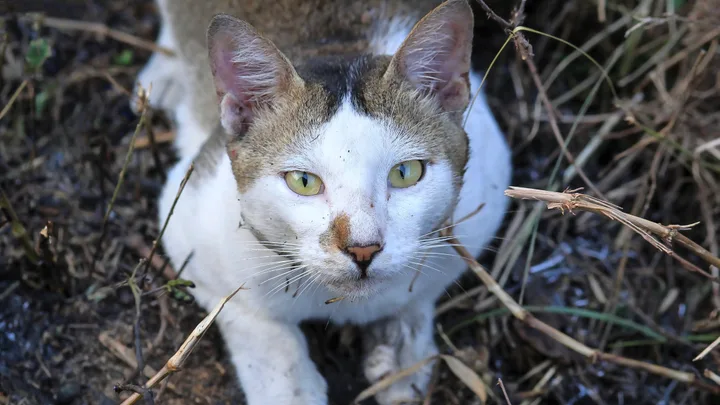
Found a stray cat but aren’t sure what to do next? You’re not alone. While many people think the RSPCA should be the first port of call, that’s not necessarily the case.
In fact, there are a number of reasons why you should call your local council first.
KEY TAKEAWAYS
- If you find a healthy stray cat, contact your local council first — not the RSPCA
- The RSPCA is legally required to transfer healthy strays to the council within 72 hours
- Most lost cats are found within 500 metres of their home, so start by searching locally
- Surrendering a cat to a shelter should be a last resort — rescue groups are currently overwhelmed
- If the cat is sick, injured, or showing signs of neglect, call the RSPCA or a vet immediately
- Desexing your cat before 16 weeks is one of the most effective ways to reduce the stray cat crisis
Where do you take stray cats in Australia?
If you do come across a healthy stray cat, the best thing you can do is to contact your local council. Call the RSPCA if the cat shows signs of injury, sickness, cruelty, or neglect.
According to RSPCA NSW, under the NSW Companion Animals Act 1998, it’s the council’s legal responsibility to handle healthy stray and roaming animals. The RSPCA focuses its resources on animals in distress, rather than healthy strays that appear to be thriving.
An article posted on the RSPCA New South Wales website says, “At RSPCA NSW, we understand the public looks to us as a leader in animal welfare; however, when it comes to healthy stray animals, we are not the primary authority.”
In fact, the RSPCA is legally required to transfer healthy stray animals to the relevant local council within 72 hours. This means the animal undergoes more handling and stress. It also means a reunion with their owner is delayed.
Before you call anyone, search locally first
Before taking a healthy stray cat to your local council, it’s worth doing a local search. RSPCA NSW says many lost cats are found within 500 metres of their home, even though they can roam up to 2km. Door-knocking neighbours within an immediate radius, putting up posters, and checking local lost-and-found pages on social media are all worthwhile steps to take first.
How can I tell if a cat is an unowned stray?
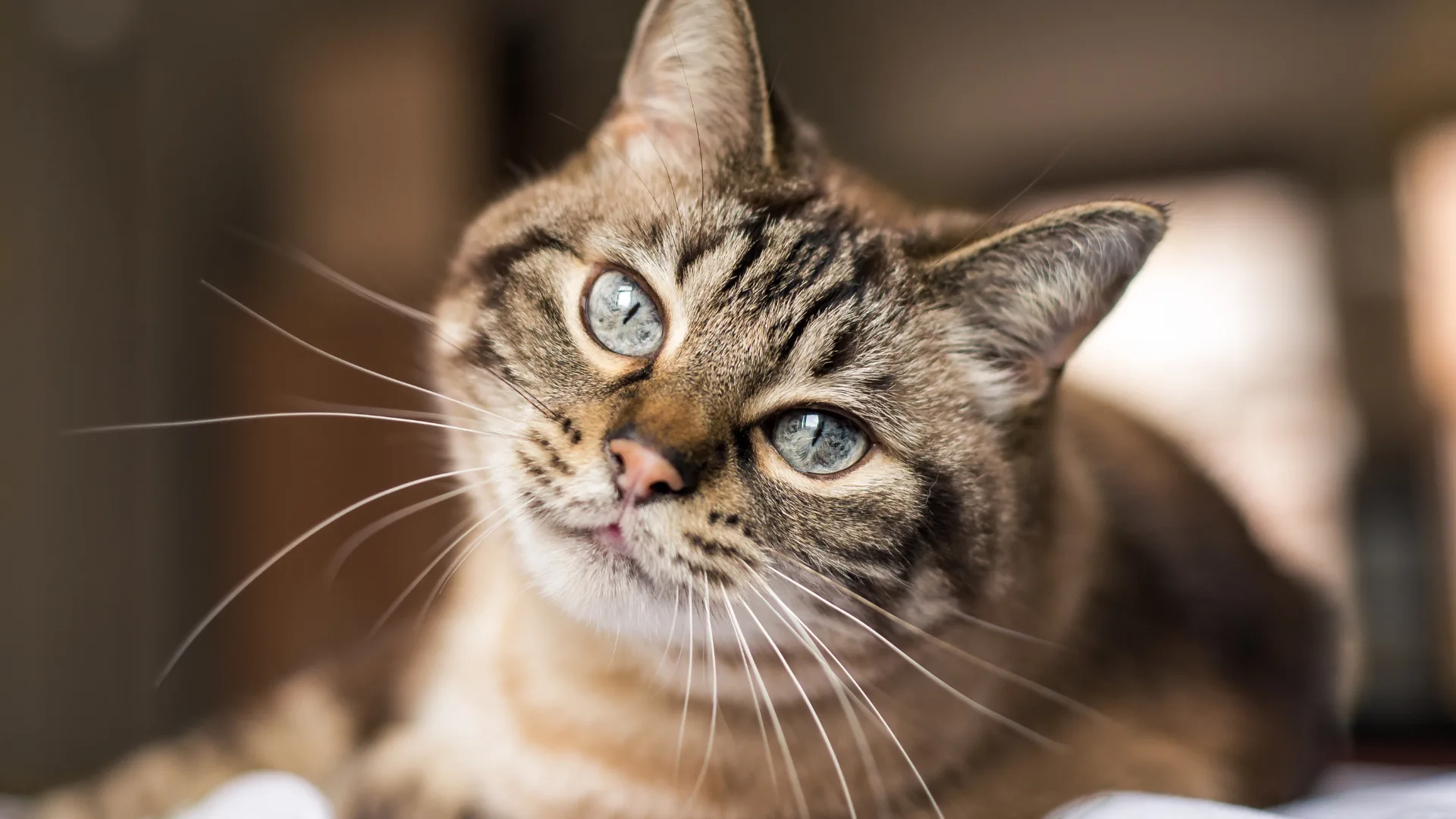
Cats make curious, independent companions, and not every outdoor cat needs rescuing. Some belong to owners and simply roam, others rely on neighbours for food without being officially claimed, and some live as unowned feral cats that avoid human contact altogether.
This makes it challenging to know what to do when a cat starts frequenting your home, garden, or workplace.
You can get a good idea of whether a cat is an unowned stray by examining their appearance, behaviour, and ID. A cat that roams confidently in daylight, looks clean and well-fed, or wears a collar (or has ear tattoos indicating desexing/microchipping) is likely to belong to someone and is just visiting.
By contrast, a genuine stray often appears unkempt or underweight, may be hungry, skittish, or hovering for food and shelter. Ask neighbours or post locally to try and find an owner before assuming it’s homeless.
If no owner surfaces, take the cat to a veterinarian or a local animal shelter to have it scanned for a microchip.
What if the cat is pregnant, feral, or has kittens?
- Pregnant stray cat: Contact your local shelter, rescue group, or council. They can advise on the safest way to handle the situation and may take the cat into foster care.
- Kittens left alone: If you come across a litter of kittens without their mother, don’t assume they’ve been abandoned. In many cases, the mother is nearby, likely hunting for food. Intervening too soon — especially by moving the kittens — can cause the mother to abandon them altogether. It’s best to observe from a distance and contact a local rescue group or shelter for guidance.
- Feral cats: These are harder to rehome and often require specialised management. Councils may work with animal welfare organisations to trap, neuter, and release or relocate feral cats.
- Sick stray cats near you: If you find a sick stray cat, time is of the essence. Call your closest vet or RSPCA branch for advice.

How to deter stray cats
If stray cats are frequenting your yard or deck, there are several humane ways to gently deter them. Removing food sources is the first step. Avoid leaving pet food, scraps, or uncovered bins outside. You can also use strong scents that cats dislike, such as citrus peels, coffee grounds, or commercial cat deterrent sprays, around entry points or garden beds.
Motion-activated sprinklers or ultrasonic devices can startle cats without causing harm, and encourage them to move on. For those seeking a more passive approach, placing chicken wire or rough-textured mats in common lounging spots can make the area less appealing.
Remember, stray cats are simply looking for food, water, and shelter, so making your space less welcoming, without harming them, is the most effective way to discourage repeat visits.
Why desexing your cat matters more than you think
Every cat owner should desex their cat, and sooner rather than later. Cats can become sexually mature at just four months old, which means that undesexed kittens can start producing litters before they’re fully grown themselves.
According to the RSPCA, this has never mattered more.
“One of the strongest reasons to desex your cat relates to the issue of overpopulation. Without intervention, a single cat can contribute to multiple litters in a short period of time, according to a recent blog on their website.
“Across Australia, litters resulting from undesexed cats have led to a significant proportion of unplanned kittens ending up in rescue centres each year, with many more ending up abandoned and contributing to the number of growing cat colonies in urban and rural areas.
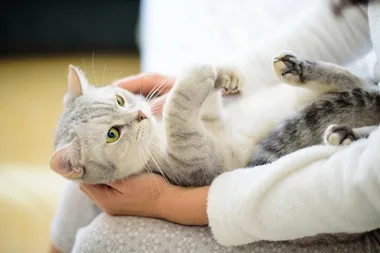
Adopt a stray cat
Adopting a stray cat isn’t as simple as bringing it home. While your intentions may be in the right place, there are significant legal and ethical steps that must be followed. Stray cats may have an owner, so it’s essential to check for microchips and report the found animal to your local council or shelter before claiming it as your own.
If no one comes forward, many shelters have rehoming protocols or foster-to-adopt programs to ensure the cat is healthy, desexed, and properly socialised. Taking these steps helps protect both you and the cat, provided you adopt responsibly.
Yes, most councils and shelters do not charge a fee to take in stray or lost animals. That said, some rescue organisations rely on donations, so if you’re able, consider contributing to help cover care costs.
RSPCA NSW is clear that surrendering a cat to a shelter should be a last resort. Cats and kittens are currently overwhelming shelters and rescue groups across Australia, with many of them having waiting lists. If you do need to surrender, RSPCA NSW recommends desexing and fostering the cat while you wait, which can prevent an unwanted litter and reduce the amount of time the cat spends in a shelter environment.

Related stories

Native ad body.
Native ad body.




Native ad body.