
 Moni Pol - stock.adobe.com
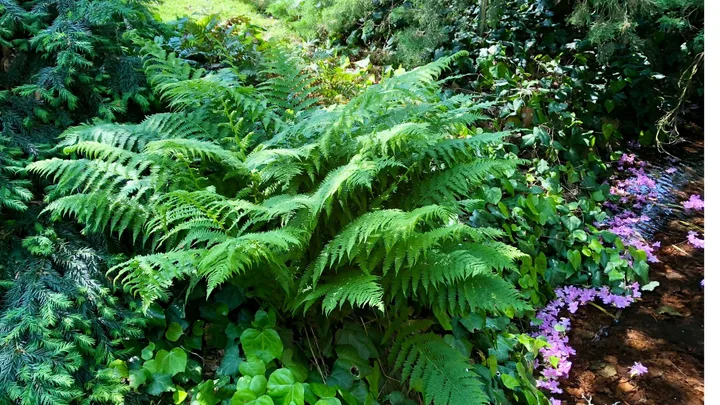
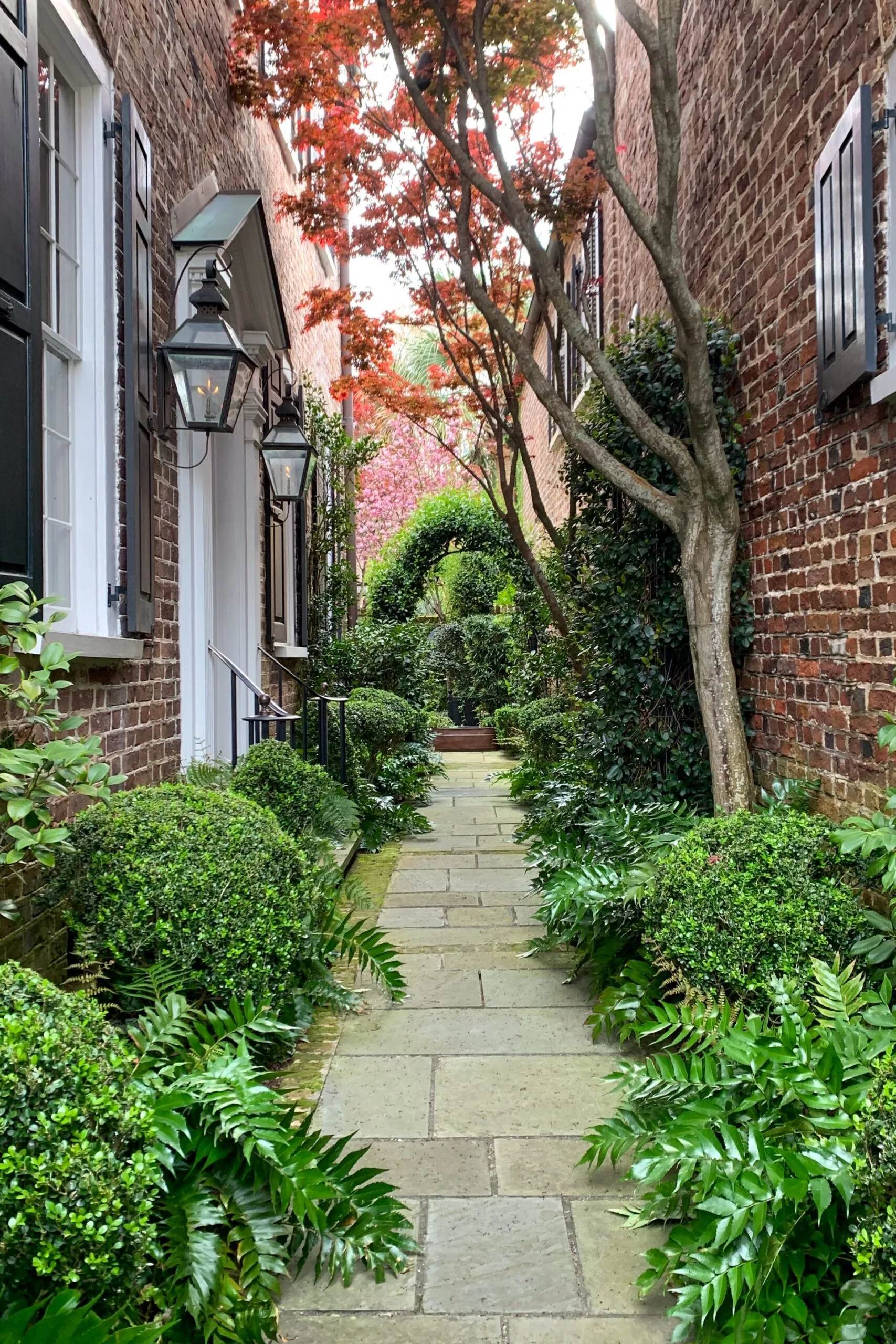
Winter is tough on gardens. As flowering plants fade and die back, bare patches appear, and shady corners like side paths or fence lines can look empty year-round. That’s where ferns come in. Unlike high-maintenance flowering plants, they thrive exactly where others struggle — shade, dappled light, damp soil — asking for very little in return.
KEY TAKEAWAYS
- Ferns thrive in shade and damp soil where most other plants struggle, making side paths and fence lines ideal spots
- Layering ferns is key
- Ferns ask for very little — light fertilising, consistent moisture and plenty of mulch is enough to keep them thriving
- Ferns are remarkably resilient, able to regenerate after fire and survive dormant periods via their rhizomes
They’re remarkably resilient too. Ferns have outlived the dinosaurs, regenerate after fire, and unfurl new fronds in perfect spirals artists have envied for centuries — filtering dappled light into a shifting lacework that turns dead zones into a garden’s most beautiful spaces.
How to design a fern garden
Step 1
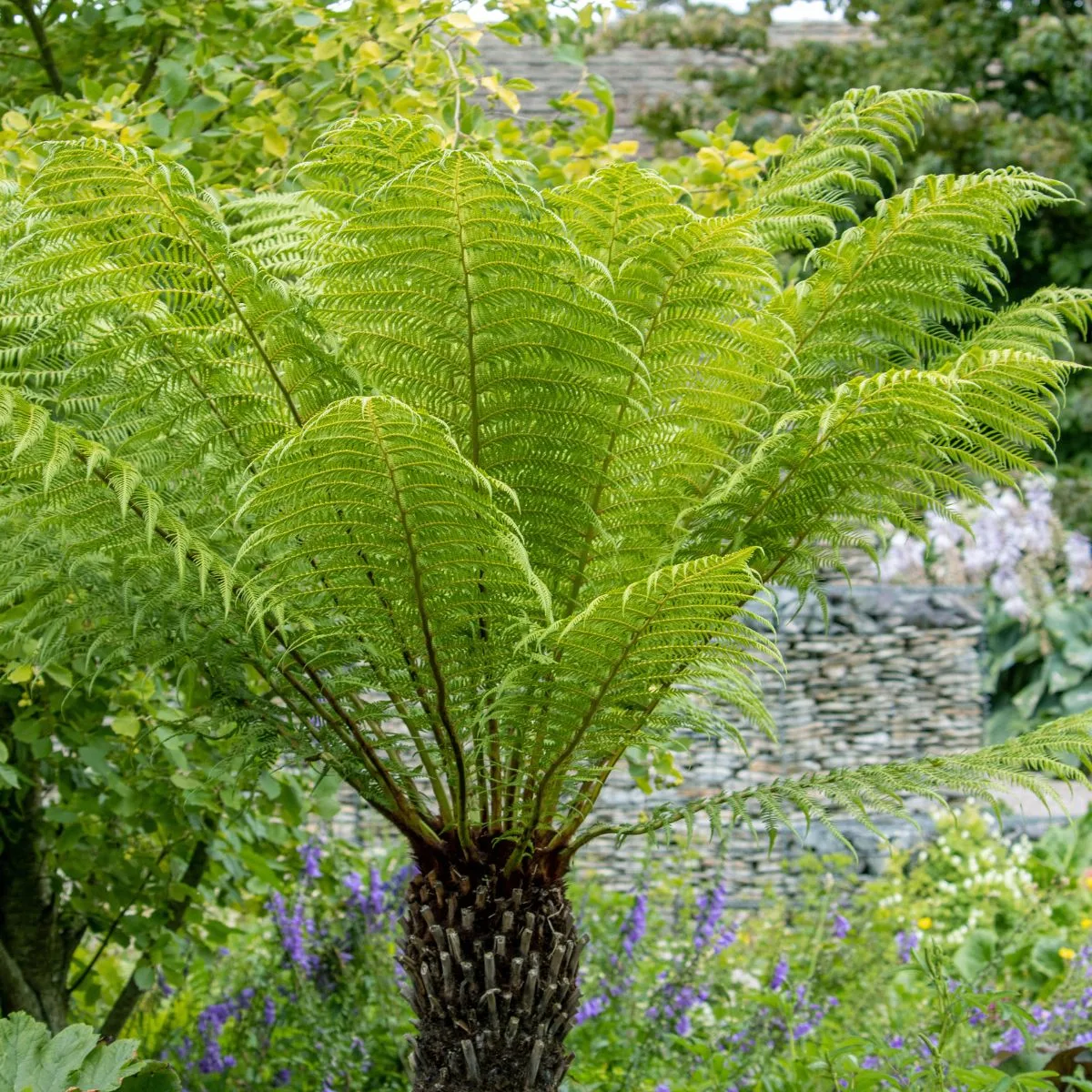
Start with height by planting one or two tree ferns. The trunks of Australian natives, the soft tree fern (Dicksonia antarctica) and the rough tree fern (Cyathea cooperi), rise like weathered pillars and sprout fountains of fronds that create natural green ceilings. The soft tree fern thrives in sheltered, moist spots, while the rough tree fern copes with a bit of sun.
Step 2
Build a middle tier by hanging native bird’s nest ferns (Asplenium australasicum) and staghorns (Platycerium superbum) or elkhorns (P. bifurcatum) at mid-height, attaching them to a tree or fence. All are epiphytes, although bird’s nest ferns can also grow in the ground so long as it’s shaded and the soil drains well. Bird’s nest ferns are very sculptural and form wide, glossy rosettes that catch fallen leaves like little green bowls. Staghorns and elkhorns are the eccentrics of the fern world. Staghorns grow as one large plant and have a large shield frond that curves outwards, while elkhorns form colonies of small pups and have smaller, flatter, overlapping shield fronds.
Step 3
Finally, fill the ground with low-growing ferns such as the romantic maidenhair, blechnum, doodia and pteris. For more colour, add some native violets (Viola hederacea). It’s a ground cover that loves moist shade and spreads easily, popping up tiny white and violet flowers most of the year, especially in spring and summer.
Step 4
Use natural materials in your built environment, such as timber seating, a stepping-stone path, and a small water feature, to create the feel of a small fern forest.
How to care for ferns
- Aspect: Shade or dappled light. Morning sun is okay, but no afternoon sun. Protect from winds.
- Soil: Moist, humus-rich.
- Water: Keep soil moist but not dry. Also water the trunks of tree ferns because they act as sponges that feed the roots. This is important in summer.
- Food: Apply fertiliser sparingly in spring and summer as they’re not heavy feeders.
- Mulch: Lots of it.
9 ferns for a fuss-free garden

The button fern (Pellaea rotundifolia)
The button fern (Pellaea rotundifolia) is a native of New Zealand (land of the ferns) with small, round leaflets on arching fronds.

Japanese painted fern (Athyrium niponicum)
Perfect for brightening dark spots in your garden, the Japanese painted fern (Athyrium niponicum) has a creeping rhizome so it can slowly spread. In addition to its silver-grey foliage, this plant is an excellent low-maintenance choice for your garden.

Brake ferns (Pteris spp.)
Brake ferns (Pteris spp.) are ideal as an understorey plant in your fern garden.

Hart’s tongue fern (Asplenium scolopendrium)
Hart’s tongue fern (Asplenium scolopendrium) is the northern hemisphere’s answer to our bird’s nest fern.

Blechnum fern (Blechnum spp.)
Blechnum fern (Blechnum spp.) is a hardy and attractive garden filler, especially in a rockery.

Maidenhair (Adiantum spp.)
Maidenhair (Adiantum spp.) is often grown as an indoor plant, but it also thrives in moist shade outdoors.

Doodia (D. aspera)
Doodia (D. aspera) is an Australian native with attractive bronze new growth.

Soft tree fern (Dicksonia antarctica)
Give soft tree ferns plenty of room. The fronds can spread up to 6m.

Staghorn (Platycerium superbum)
The epiphytic staghorn is one of nature’s marvels.