

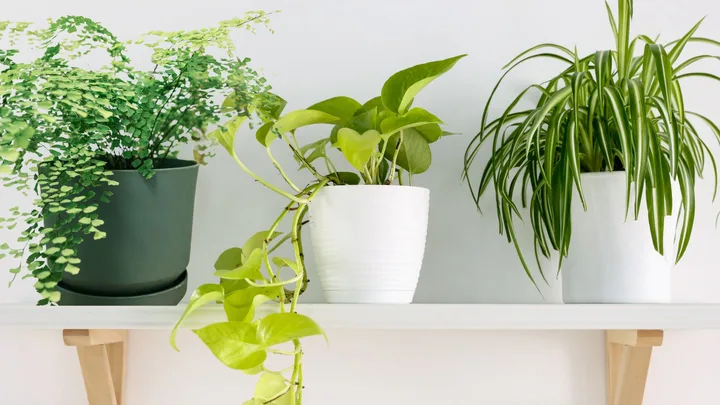
Maidenhair ferns are often labelled ‘easy to care for,’ but if you’ve ever tried to keep one alive, you know that’s not the whole story.
The good news is that maidenhair ferns aren’t impossible. They just have a few quirks, and once you figure those out, everything clicks. This is everything you need to know.
KEY TAKEAWAYS
- Maidenhair ferns need bright indirect light.
- Keep the soil consistently moist but never waterlogged. Letting the soil dry out will likely kill them.
- Humidity is essential – bathrooms and kitchens are ideal, or mist regularly in drier rooms.
- Once you find a spot it’s happy in, don’t move it. These plants hate change.
- If it looks completely dead, trim all fronds back to soil level, keep moist and wait. It will often bounce back.
What is a maiden hair fern?
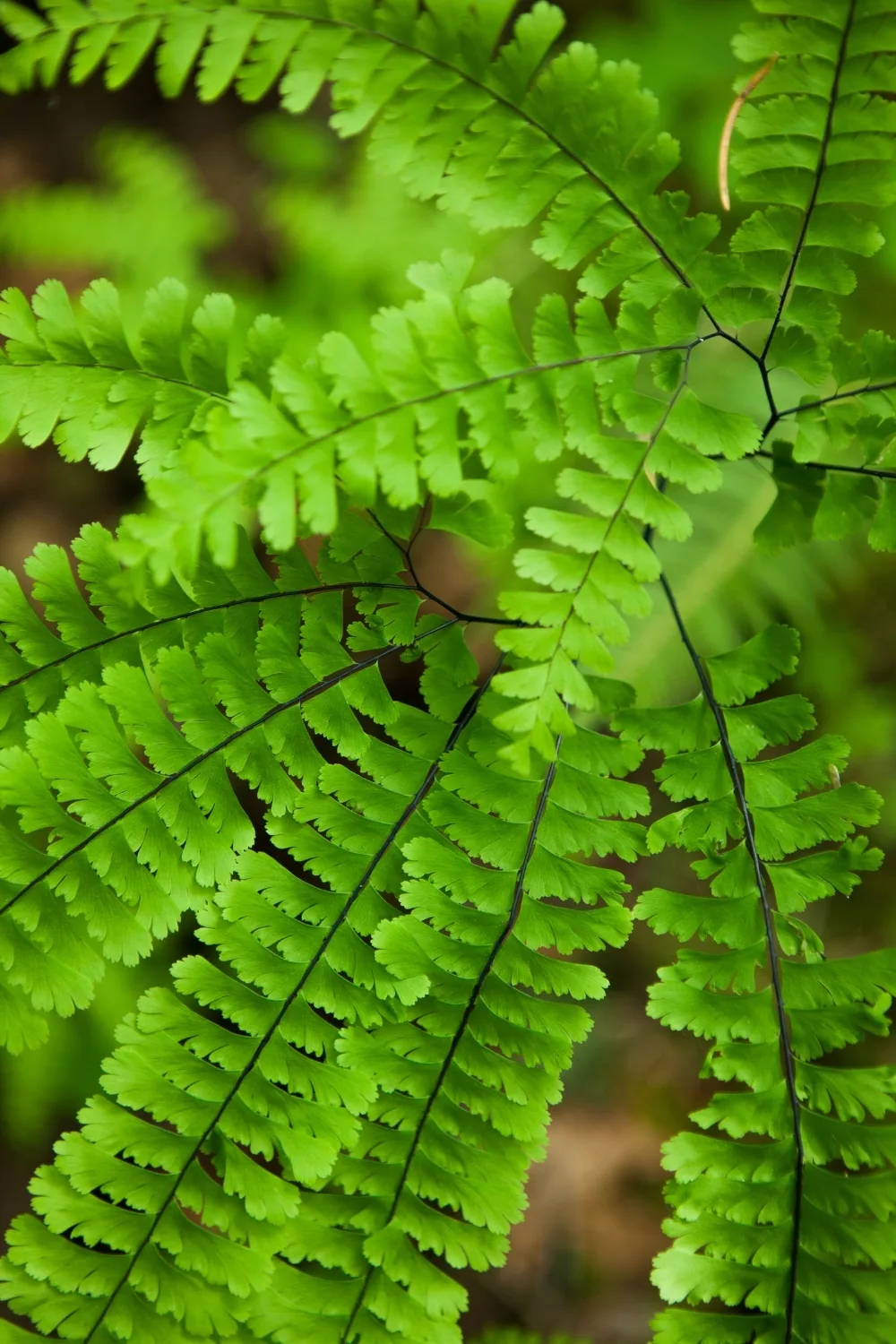
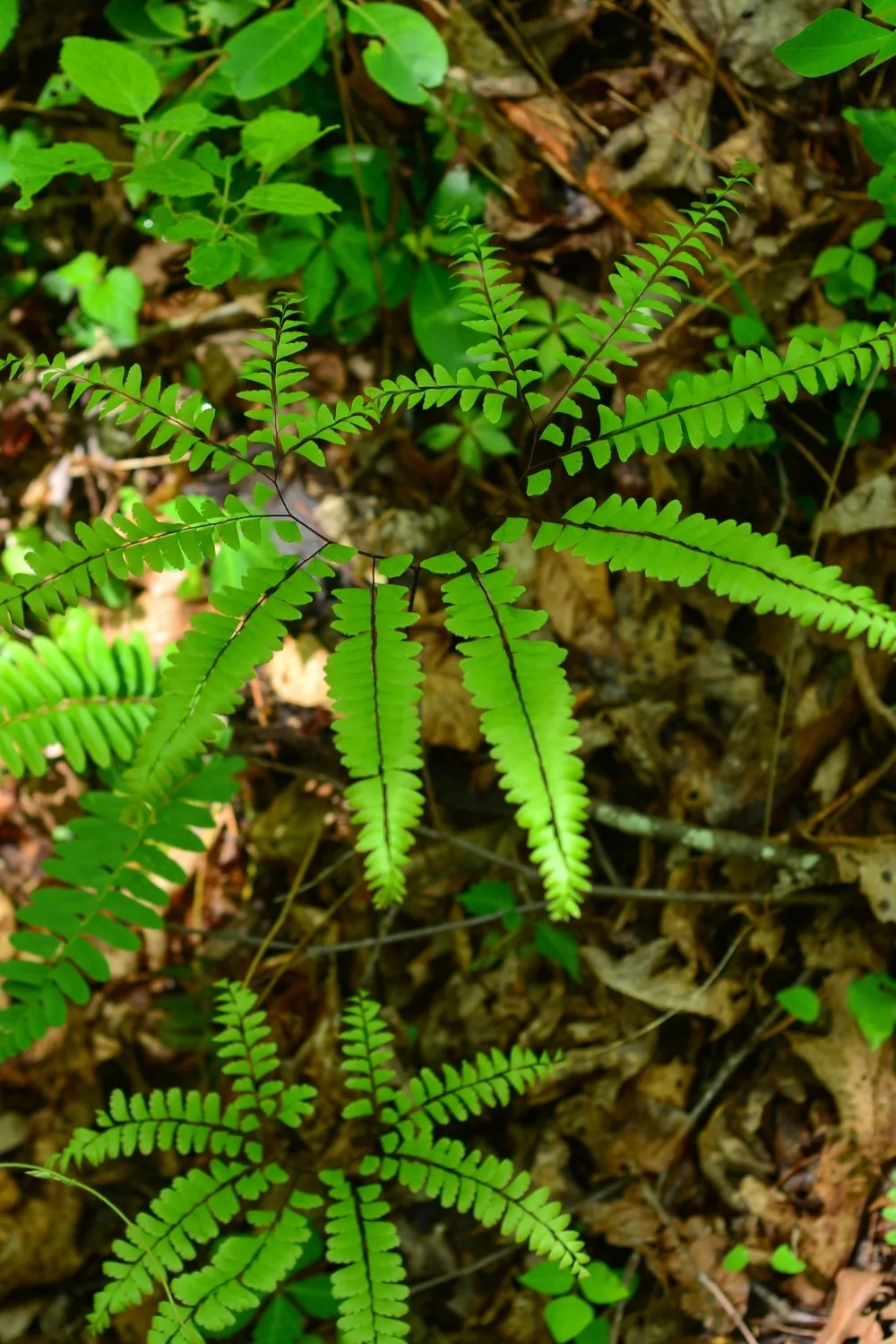
The maidenhair fern is one of the world’s most recognisable ferns, thanks to its unique mix of dark, thin stems and soft, fan-shaped, small leaves called pinnae, giving it a very delicate, feathery look.
As part of the Adiantum species, this frilly fern has light-green, fine foliage that grows from dark-brown, shiny stems. Some of the varieties of maidenhair fern include the Adiantum raddianum, which works well indoors, and the slightly more hardy Adiantum aethiopicum, which is native to Australia and suits the outdoors best.
You might see it called maidenhair fern, maiden hair fern, maid fern, or adiantum fern. It’s all the same plant.
Why do people love the maidenhair fern plant?
Ask any plant lover about their maidenhair fern, and the answer will be similar. They love it to bits but struggle to keep it alive.
Part of the appeal is purely visual. With its fine, layered, green foliage, the maidenhair fern plant is one of a kind.
The maidenhair fern does well in bathrooms and other humid places where other plants struggle. It is an evergreen, so it stays green all year when healthy. It spreads easily by dividing, so one healthy plant can quickly turn into many. And if well cared for, it lives a long time.
How to grow a maidenhair fern
Aspect
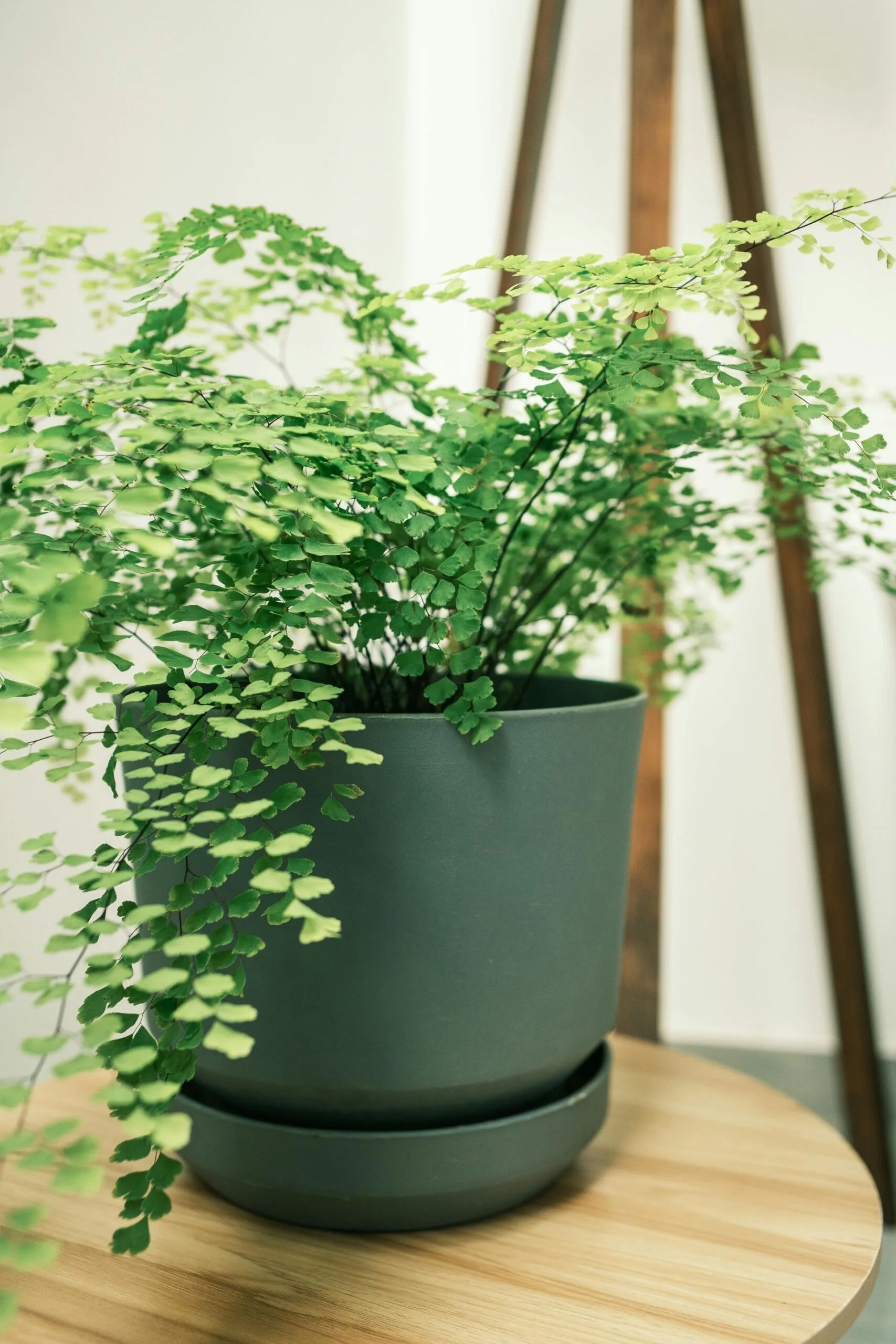
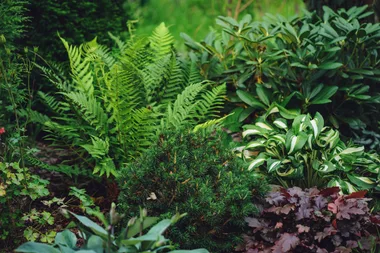
The preference in aspect and position of your maidenhair depends on whether you’re growing it indoors or outdoors. Indoors, they prefer a brightly lit spot – though not direct sunlight. Outdoors, however, your maidenhair will need a well-shaded and protected spot.
Climate
Maidenhair ferns prefer cool climates, but if there’s one thing they can’t stand, it’s fluctuating temperature! So, try to keep the warmth and humidity as close as possible. This may involve a bit of trial and error, so don’t be afraid to move your maidenhair around (if indoors) to find the right spot.
Soil
Most importantly, the soil needs to be well-drained, but it’s also good to aim for slightly acidic soil with plenty of organic matter. If you’re opting for a pot rather than an in-ground, choose a good-quality potting mix.
Water
One of the most important rules of maidenhair care is this: do not let your fern dry out. If the soil is left to dry out, the fronds will shrivel and die. Conversely, too much water and your plant will rot! So, aim to keep the soil moist, but not wet, and ensure the soil drains well. If your fern has dried out, it is possible to revive it. Try trimming the fronds way back to soil level, popping it in a shady spot, and keeping it moist.
Fertiliser
During warmer months, dose your maidenhair with blood and bones or liquid fertiliser. In the cooler months, pare it back to once per season.
Maidenhair fern pests and disease
While the most common causes of leaf drop and yellowing fronds are neglect or the wrong conditions, there are some pesky insects that can plague your maidenhair fern. Keep an eye out for these annoying pests and treat them with insecticide, and physically remove them as you go if possible.
- Scale, which appears as brown or black lumps on the stems or leaves
- Mealy bugs, which are white, fluffy insects that look like little pieces of cotton wool
- Aphids, which will cause the fronds to blacken and shrivel
Why is my maidenhair fern dying?
If your maidenhair fern is looking sorry for itself, all is not lost, yet. Here are the most common reasons why your maidenhair plant is struggling, and what you can do about it.
The fronds are turning brown and crispy
This is almost always a water problem, either the soil has dried out, the air around the plant is too dry, or both. Maidenhair ferns do not like dry air. Move it to a more humid place, and make sure the soil never dries out completely between waterings.
The leaves are dropping
Sudden leaf drop usually occurs due to a change in conditions, such as a temperature shift, a cold draft, moving to a new place, or even just being brought home from the store. Maidenhair ferns like routine and do not do well with change. Once you find a spot it likes, keep it there.
The fronds are yellowing
Yellow fronds usually indicate overwatering or poor drainage. If the soil stays too wet instead of just moist, the roots can rot, and your plant can go downhill fast.
It’s drying out constantly, no matter how much you water
If you water often but the plant still looks dry, the problem is probably the air humidity, not the soil moisture. Spraying the fronds lightly, putting the pot on a tray with pebbles and water, or moving it to a naturally humid place should keep your maidenhair fern happy.
It looks completely dead
Don’t give up yet. Maidenhair ferns can often recover from what appears to be total death. Cut all the dead fronds back to the soil, put the pot in a shaded place, keep the soil moist, and wait.
How to propagate a maidenhair fern
Looking to double or even triple your maidenhair? When repotting, use a clean knife to divide the roots, ensuring at least two fronds per part. Then, plant each piece in a new pot with a good-quality potting mix and water well.
What plant lovers are saying about the maidenhair fern
We recently asked our community a simple question: what’s one plant you’ve killed multiple times but keep buying anyway? The maidenhair fern was one of the most mentioned plants in the entire thread.
Some were resigned to their fate, with one person saying, “I just treat them like a bunch of cut flowers… enjoy while they survive, then compost.”
Another said she’s reached her limit: “Maiden Hair, I’ve finally given up.”
But there were success stories, too.
One community member says after years of struggle, she’s figured out how to keep her maidenhair fern alive.
“Maidenhair fern was my nightmare, but I’ve become so much better at it. Two still surviving,” she says. ‘
Another shared what might be the most useful tip in the entire thread.
“Filtered light, sheltered position and not too wet. They like to be misted lightly when the weather is hot… trimmed the dead fronds once the weather cooled off, gave them a feed of Seasol, and they are back.”
Native varieties vs indoor varieties
In Australia, the most common native type of maidenhair fern is Adiantum aethiopicum, which grows wild in moist, shaded bushland across much of the country. It is a tougher option that works well in protected outdoor spots and shaded garden beds.
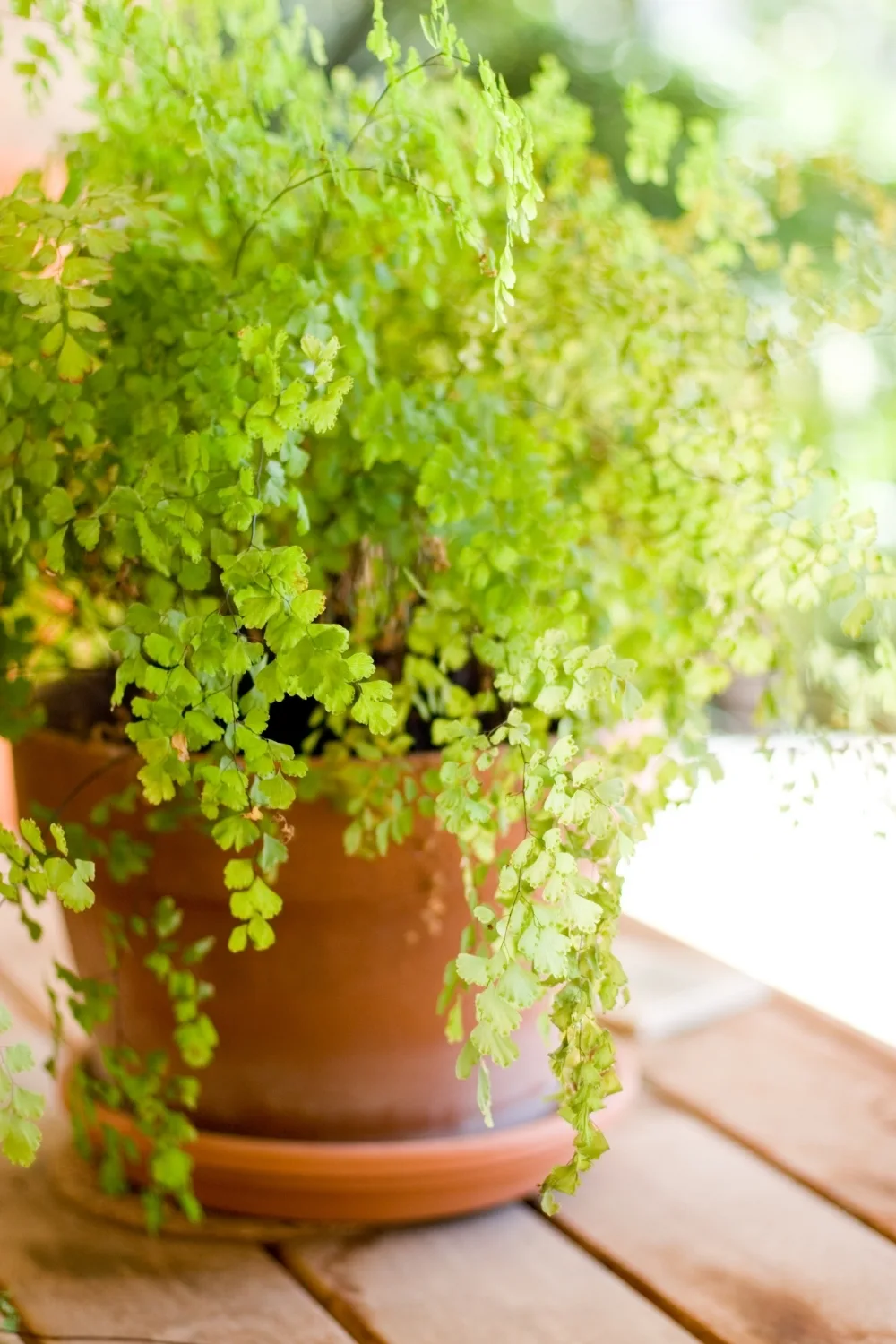
The variety most often sold as an indoor plant is Adiantum raddianum, sometimes called the delta maidenhair or rosy maidenhair fern.
Originally from South America, it is a bit smaller and better for indoor life, though it still needs steady humidity and moisture to do well.
Maiden hair fern FAQs
Indoors, the best spot is a bright room away from direct sunlight and cold draughts. A bathroom or kitchen works particularly well, thanks to the natural humidity. Outdoors, choose a well-shaded, sheltered position protected from hot winds and harsh afternoon sun.
Keep the soil consistently moist but never waterlogged, place it in bright indirect light, and maintain good humidity around the plant. Avoid cold draughts, direct sunlight, and letting the soil dry out completely. Feed with a liquid fertiliser during the warmer months, then reduce to once a season in winter.
Maidenhair ferns prefer bright indirect light indoors and shade outdoors. Direct sunlight will quickly scorch the delicate fronds. Always filter the light or keep them away from windows that receive harsh afternoon sun.
The most common causes are low humidity, inconsistent watering, or improper positioning. Brown crispy fronds usually mean the air is too dry; yellowing fronds often point to overwatering; sudden leaf drop is typically caused by a change in conditions or a cold draught. Finding a stable, humid spot and keeping the soil evenly moist solves most problems.
No, the maidenhair fern is generally considered non-toxic to cats and dogs, making it a good choice for pet-friendly households. If you have concerns, always check with your vet before introducing any new plant to your home.



