
Your garden is a place to enjoy nature, but beneath the leaves and flowers, some plants can sting, cut, or even cause severe allergic reactions.
As garden expert Graham Ross warns, it’s not just the bugs you need to be careful of when you head outside.
“It’s a fantastic time to be out in the garden. You can actually feel the energy boost. But when you’re out there, you need to be careful,” says Graham.
“There are things that bite like snakes, spiders and those pesky mosquitoes, but I find when I go out into the yard, it’s often the plants that I get bitten by.”
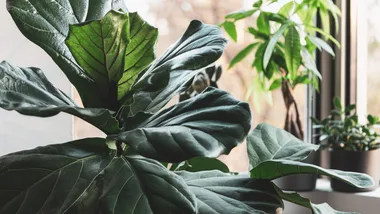
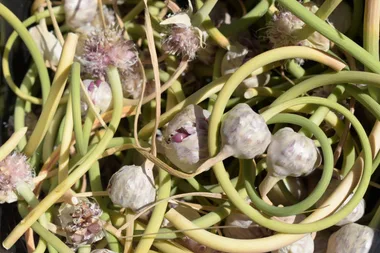
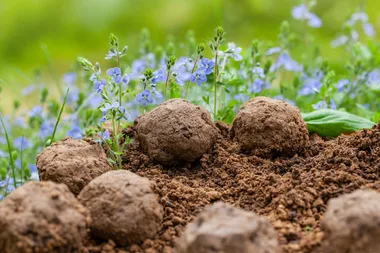
Dangerous plants to watch out for
From thorns and sharp leaves to harmful sap and poisonous flowers, even everyday plants can hurt you if you are not careful.
Here’s how to spot and stay away from some of the most dangerous plants in your own backyard.
Thorny offenders: plants that bite back
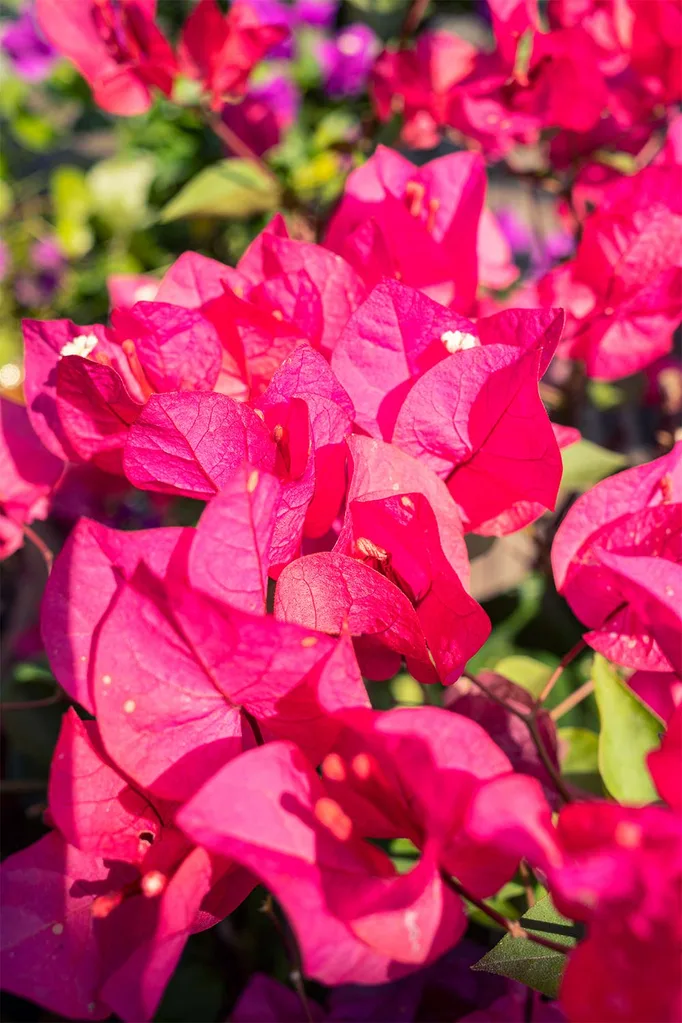
Some of the most beautiful garden plants come with serious built-in defences. Bougainvillaea, for example, is a vibrant climber that thrives in Australian gardens – but those spectacular blooms come with sharp spikes.
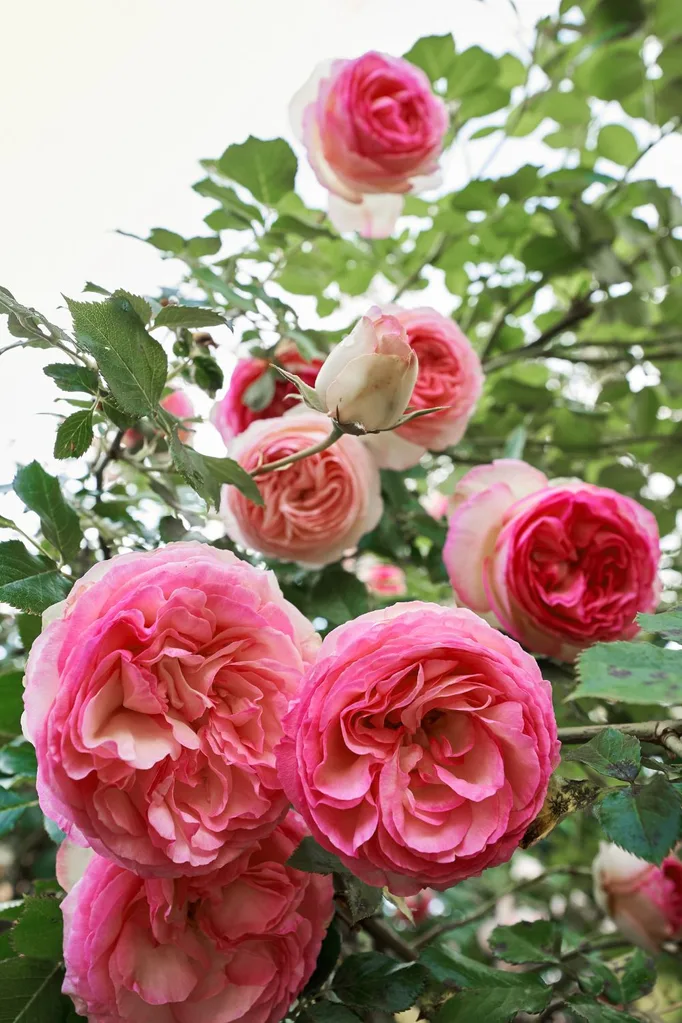
Roses are another classic example of a dangerous plant that gardeners often forget about. Their huge thorns can pierce skin deeply, and if not treated properly, those wounds can become infected.
“Now, I love my roses, especially during spring, summer, and autumn. The blooms are just perfect. But when it comes to things that’ll bite you, roses are absolutely the biggest offenders,” Graham says.
Toxic sap and poisonous plants
Some dangerous plants do more than scratch you; they can poison you. Euphorbias, including the popular poinsettia, leak a milky, poisonous sap that can cause nasty skin rashes, burns, or worse.
“The amount of the ratio that you need to be wary of is really sticky, poisonous sap. The last thing you want is to get it on your hands and rub your eye. Oh, it can be really fatal.”
Eating parts of poisonous plants can be even more dangerous. Oleander (Nerium oleander), a common hedge plant, has deadly chemicals in every part of the plant, including its leaves, flowers, and sap. Even a small amount can cause vomiting, an uneven heartbeat, or, in terrible cases, seizures.
Other poisonous plants to be aware of include:
- Deadly nightshade (Atropa belladonna): Although not currently grown in Australia, its purple-black berries look tempting but are highly toxic.
- Castor bean (Ricinus communis): Its seeds contain ricin, one of the most lethal toxins in nature.
- Poison hemlock (Conium maculatum): Every part is deadly, and ingestion can be life-threatening.
Allergies and unexpected reactions
Even plants that seem harmless can trigger severe allergic reactions.
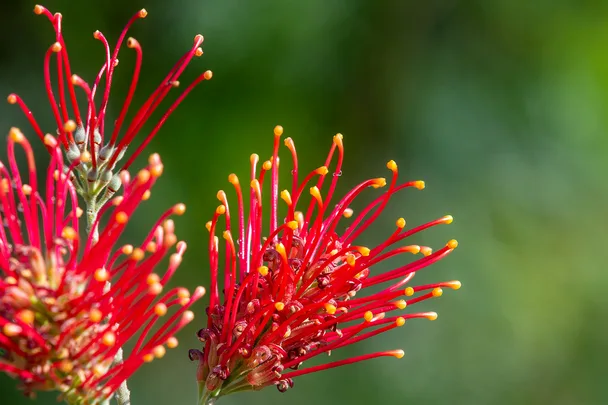
“Be aware that a lot of people, more than you might realise, are actually allergic to the grevillas, and it’s actually the ends of the leaves that cause a rash, ” says Graham.
“The rash can go up your arm, and I’ve actually seen children suffering from an anaphylactic reaction, and they can’t breathe,” says Graham.
Safe gardening tips
To reduce your risk when working around dangerous plants:
- Wear long gloves, sleeves, and eye protection.
- Wash your hands thoroughly after pruning or handling plants.
- Never burn toxic plants, as inhaling the smoke can be harmful.
- Dispose of prunings in the green bin rather than compost.
- Watch out for the parts of the plant that are most poisonous, like the sap, seeds, or flowers.

Related stories

Native ad body.
Native ad body.

How to keep your summer lawn pristine
Native ad body.