
Nothing is more annoying than wasting money on cleaning products that don’t work. So when we heard people raving about a cult cleaning product at Bunnings, we had to give it a try.
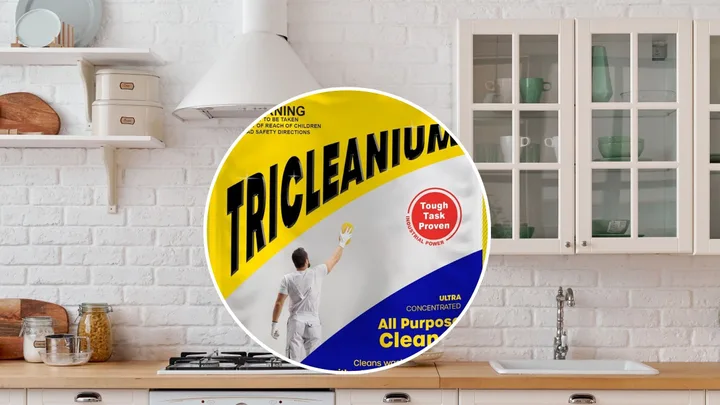
Tricleanium is an all-purpose cleaner that can tackle everything from bathrooms to kitchens. But here’s what makes it different: it’s ultra-concentrated, meaning one tub makes up to 100 litres of cleaner. That’s months of cleaning for less than $20.
After seeing the before-and-after photos on the Mums Who Clean Facebook page, I had one specific target in mind: my embarrassingly grimy rangehood filters.
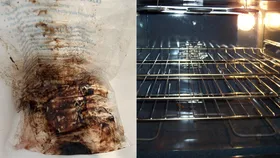
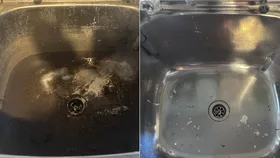
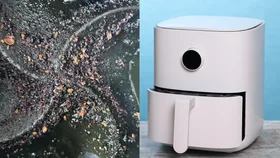
“If you haven’t yet tried Tricleanium, 10/10 do recommend. Amazing stuff! Can be purchased from Bunnings,” one user wrote alongside photos of her rangehood filters.
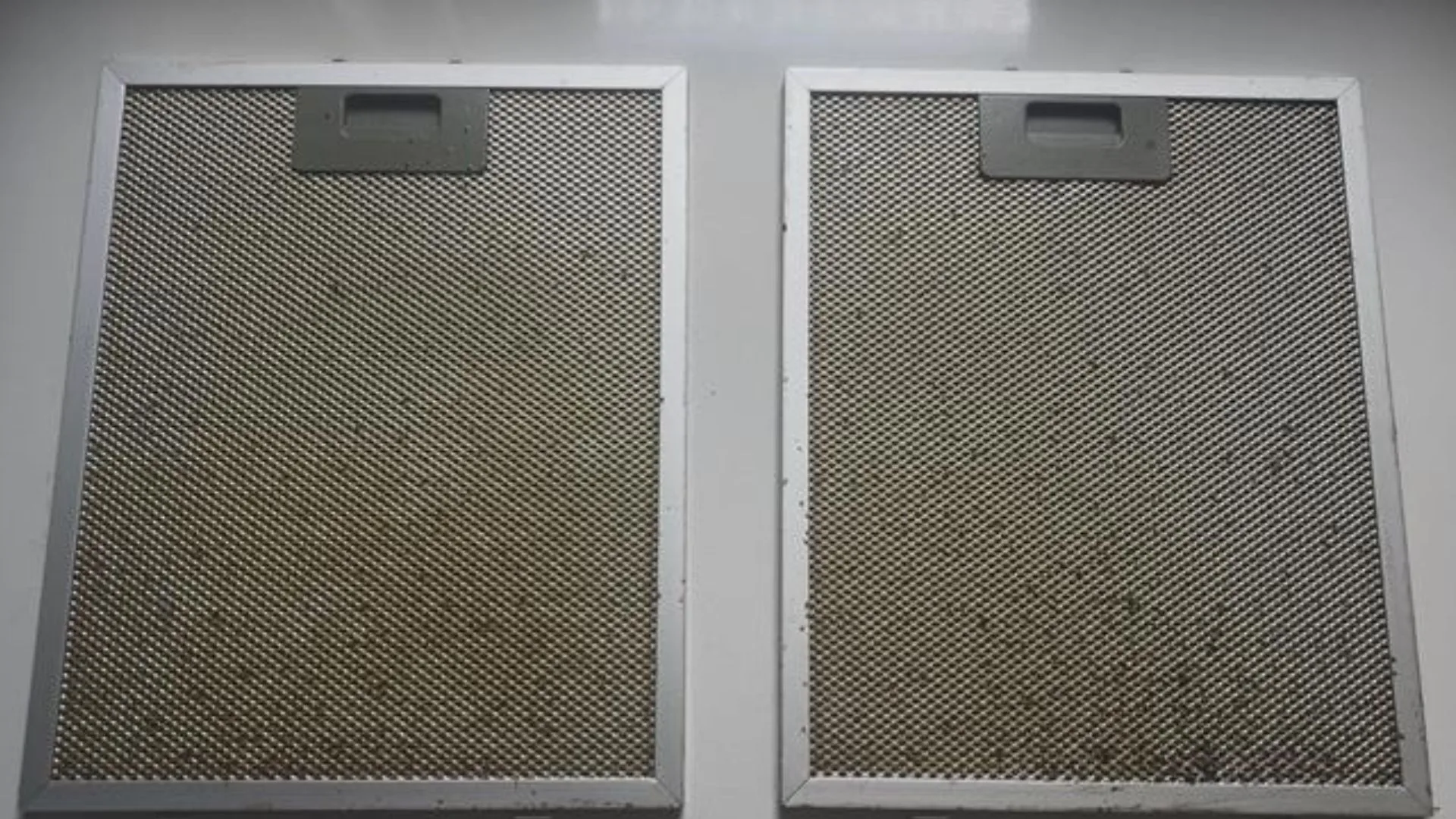
Let me be honest: my kids don’t sleep, so not much deep cleaning gets done around here at the moment. I genuinely can’t remember the last time I cleaned the filters above my stove. They were covered in a thick layer of greasy grime that I assumed would require serious elbow grease to get clean. There may or may not have been a dead cockroach stuck behind the filter, too.
KEY TAKEAWAYS
- Tricleanium is a heavy degreaser available at Bunnings with a cult social media following
- BHG senior producer Livia Gamble tested the product on grimy rangehoods with months’ worth of baked-on grease. The results were sparkling, minimal scrubbing required.
Is Tricleanium toxic?
Before diving into my review. Let’s answer the question everyone wants to know: Is Tricleanium toxic? Tricleanium isn’t classified as toxic when used as directed, but it is a powerful alkaline cleaner and should be handled with care. The formula is made from 100 per cent alkaline salts designed to break down grease, grime and built-up dirt — not fragrances or harsh solvents — which is why professional cleaners and painters have relied on it for decades.
That said, because it’s highly concentrated, it can irritate skin and eyes if handled directly. Wearing gloves, avoiding splashes, and following dilution instructions are recommended. It should also never be used on aluminium or brass, and a spot test is advised on any surface.
How I tested Tricleanium
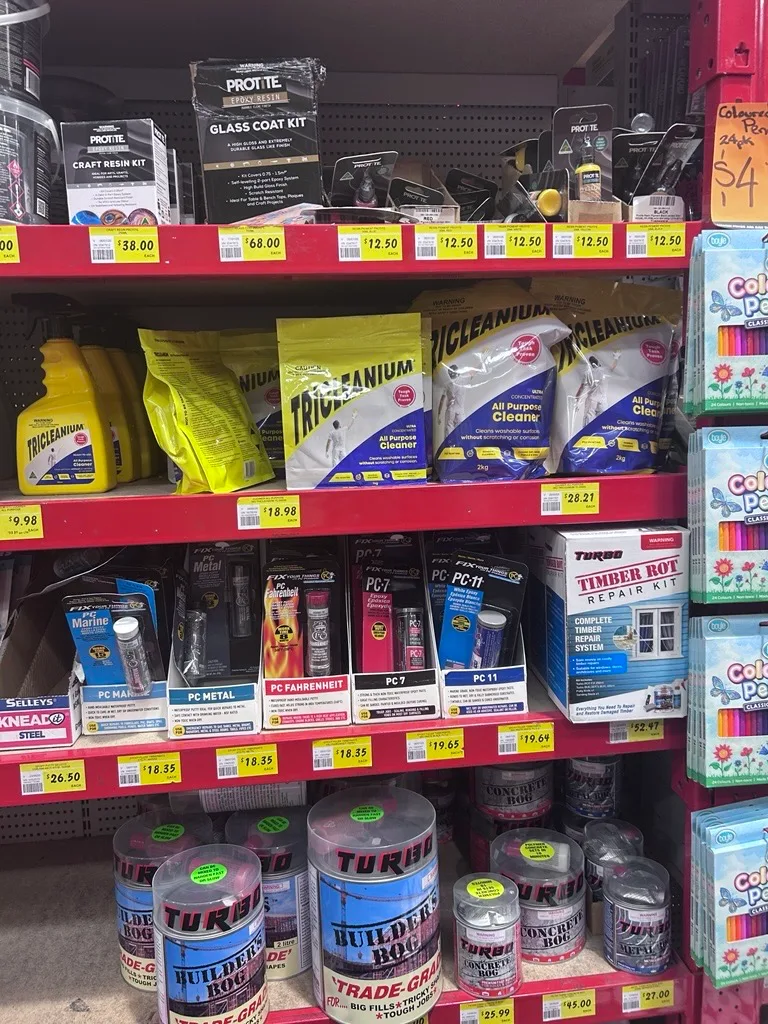
After a quick trip to Bunnings (it’s also available on Amazon), I grabbed a 1kg bag of Tricleanium All Purpose Cleaner for $18.98. Pro tip: If you can’t find it at Bunnings, check the paint supplies aisle, not the cleaning products aisle, where you’d expect it. Tricleanium is also available in a ready-to-use 750ml all-purpose spray.
Here’s exactly what I did:
- Filled my kitchen sink with hot water
- Added about ¼ cup of the Tricleanium powder
- Dropped both rangehood filters into the sink
- Let them sit for a few minutes
Not wanting to get my hands dirty, I used a spoon to gently stir the water. Almost immediately, the water turned cloudy brown as the grease dissolved. I was genuinely shocked at how quickly it worked.
After just a few minutes of soaking, I gave the filters a very light scrub – and I mean light. If you let them sit longer, I’m confident you could skip the scrubbing entirely, but I didn’t want to wait.
The results
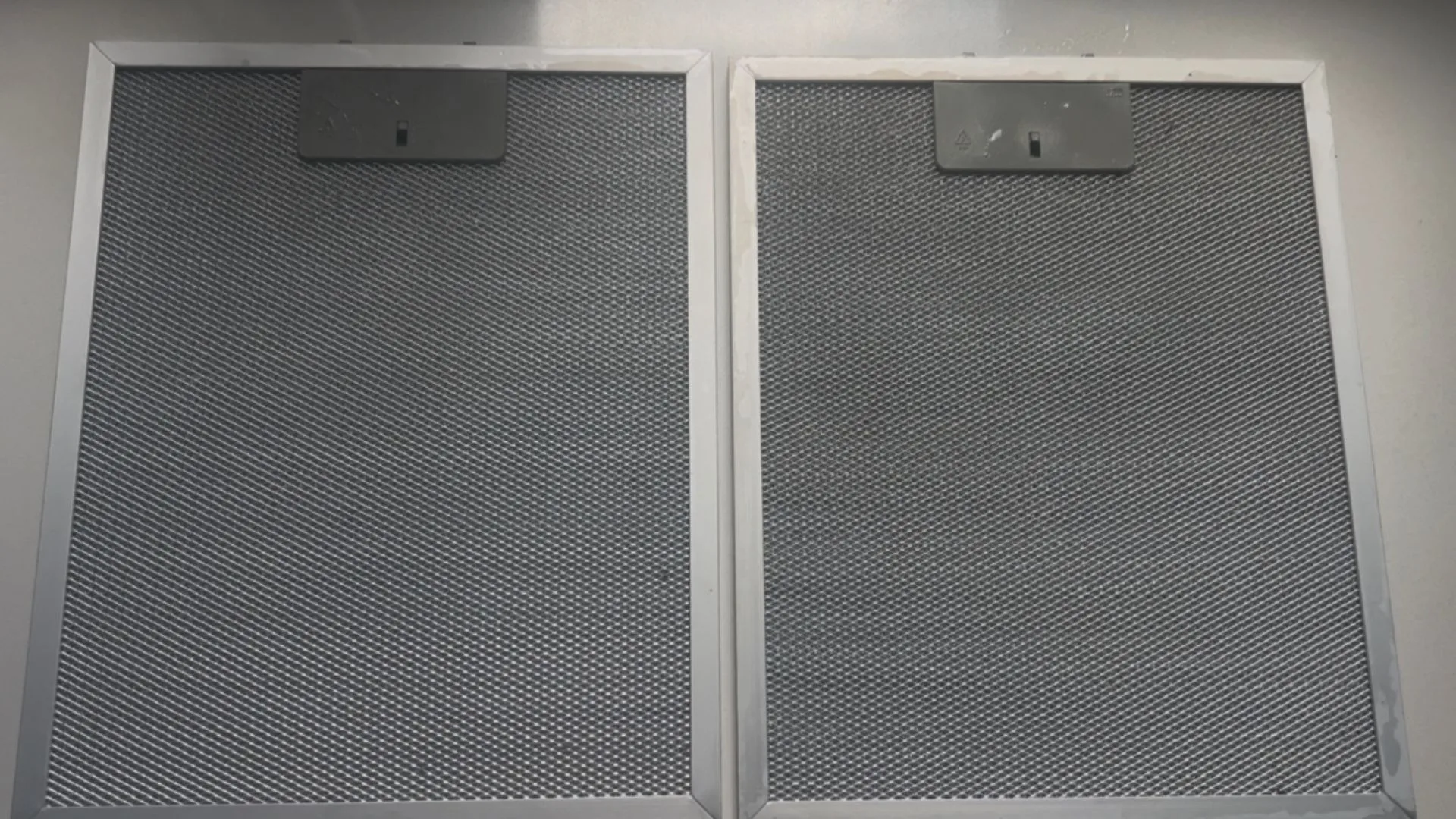
As you can see in the photos, they’re sparkling. The transformation was incredible, and it took minimal effort on my part: no aggressive scrubbing, just hot water and Tricleanium.
The whole process took less than 10 minutes, and most of that was just letting them soak. I also tested the ready-to-use spray bottle version on my stovetop, which worked brilliantly for quick spot cleaning without mixing anything.
What professional cleaners are saying?
Professional cleaners and tradies have been using Tricleanium as their “secret weapon” for over 70 years. Here’s what they love about it:
- Clara Hill, Step In House Wife Services: “There’s a reason why this product is so popular—it actually works.”
- Sara Allan, Housekeeping Heroes: Sara uses Tricleanium for everything from air fryers to shower screens and rangehood filters. The best part? In most cases, no scrubbing is required.
- Jordan, @homehusbands: after leaving tile grout set on his bathroom tiles for weeks, Jordan tested Tricleanium. “Hooley dooley. After a minute, the tile grout wiped right off.”
Why painters love it
It’s become the first choice for professional painters and decorators for washing down walls and ceilings before painting – proof of its serious cleaning power.
What else is Tricleanium used for?
While I focused on my rangehood filters, members of the Facebook group ‘Mums Who Clean‘ have been sharing their Tricleanium success stories:
On grout and tiles: “I grabbed a spray bottle, added some Tricleanium, and then filled it with water,” one member shared. “I simply spray the tiles and grout behind my stove, and they came out looking brand new.”
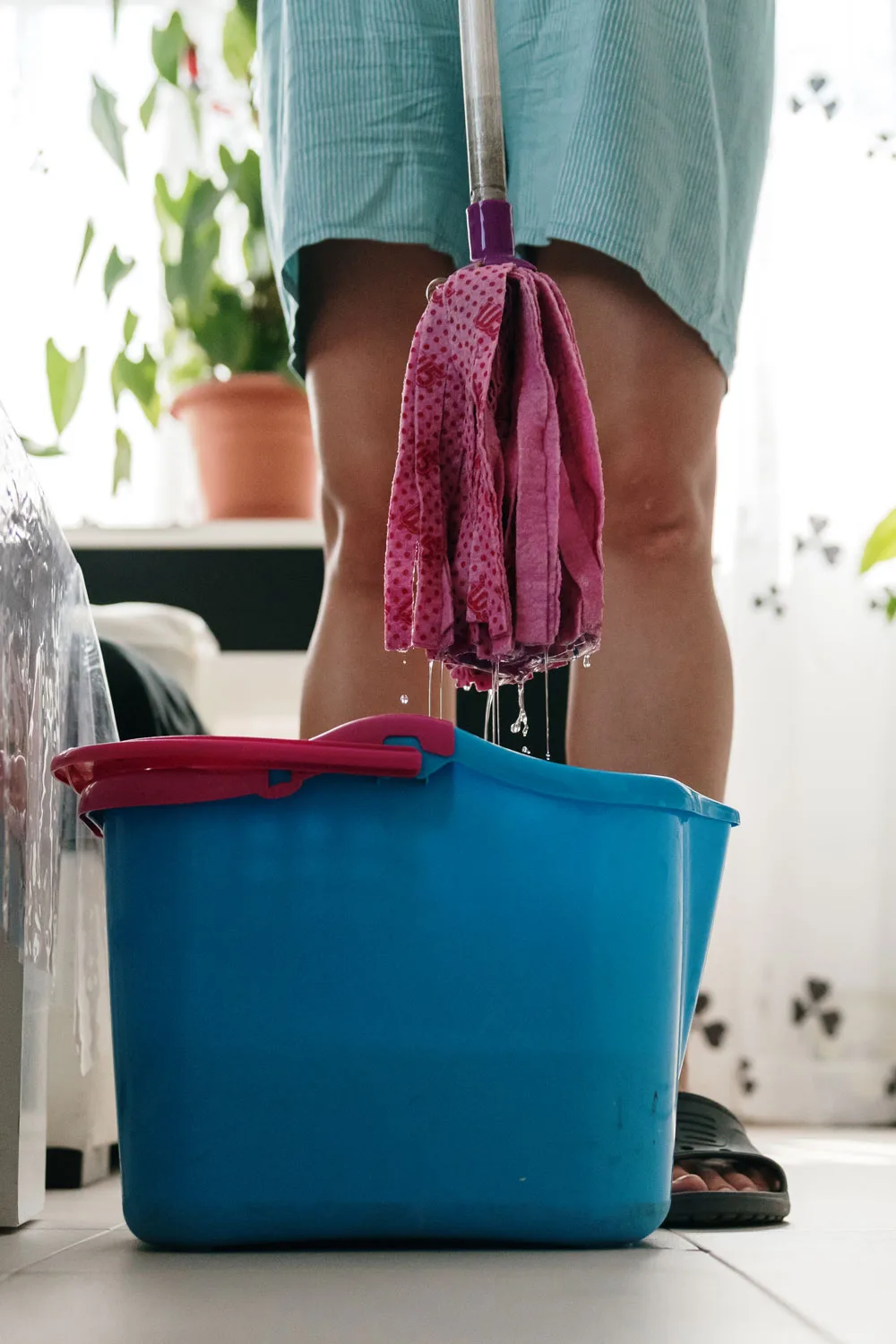
On floors: “Tricleanium is brilliant on floors,” another member said. “Just add it to your mop bucket with water and mop away. Follow up with a water-only mop, and you’ll be delighted with the results.”
On washing machines: For front-loading washing machines, one clever trick shared in the group is doing a drum clean with 1/2 cup of Tricleanium and 20 drops of clove oil. “It seems to work, and I also leave the door ajar so it isn’t sealed all the time,” the poster explained.
One important warning: Tricleanium should not be used on aluminium surfaces — keep this in mind when cleaning.
What is Tricleanium?
Tricleanium is an Australian-owned business with a history dating back to 1954. Initially used for wall cleaning before painting, this now-cult cleaning product is flying off the shelves at Bunnings and on Amazon, with many claiming it outperforms sugar soap.
Tricleanium is composed of 100% alkaline salts and can be applied to a wide range of surfaces in your home, including floors, countertops, showers, exhaust fans, stoves, oven trays, fridges, and washing machines. It’s also effective for removing surface mould.
What you shouldn’t use Tricleanium on
Avoid using Tricleanium on brass, aluminium, carpeted surfaces, and non-colourfast materials. It’s recommended to wear gloves when using this product and to conduct a spot test beforehand.
How to use Tricleanium
Tricleanium now comes in two formats to suit different cleaning needs: the original ultra-concentrated powder (1kg or 2.2kg tubs) and a convenient ready-to-use spray bottle (750ml).
For the concentrated powder: Mix according to the surface you’re cleaning. The Tricleanium website provides specific recommendations, but as a general guideline, dilute 1 level capful (¼ cup) of Tricleanium in a 9-litre bucket of hot water for general cleaning. This concentrated formula is incredibly economical – 1kg makes up to 100 litres of cleaning solution.
For the ready-to-use spray: Spray directly onto the surface and wipe clean. This is perfect for quick spot-cleaning jobs on stovetops, benchtops, or tiles, without the need to mix.
Popular dilution methods include:
- Spray bottle method: Add a small amount of concentrate to a spray bottle, top up with warm water, and shake well for everyday cleaning tasks
- Heavy-duty cleaning: Use a stronger concentration (more powder, less water) for tough jobs like oven racks, rangehood filters, or heavily stained grout
- Mopping floors: Add 1-2 capfuls to your mop bucket with hot water, mop as usual, then follow with a water-only rinse for streak-free results
Always spot test on a small, inconspicuous area first, and wear gloves when handling the concentrated formula.
Where to buy Tricleanium
Despite this being a cleaning product, it wasn’t with the other cleaning supplies at my local Bunnings. Instead, it was nestled among the paint supplies — so don’t give up if you can’t find it in the cleaning aisle. You can also find it on Amazon if your local Bunnings is sold out, which seems to happen frequently, given its popularity.
My verdict: Does Tricleanium live up to the hype?
Rating: 5/5 stars
After testing Tricleanium on my disgracefully grimy rangehood filters, I’m officially a convert. The product absolutely delivered on its promise – minimal effort, maximum results. The grease literally melted away in minutes, and I barely had to scrub.
For around $19, the 1kg bag is incredibly economical, considering it makes up to 100 litres of cleaning solution. Even if you only use it for heavy-duty cleaning jobs as I did, it’ll last you ages.
Pros:
- Cuts through grease effortlessly
- Economical (1kg = 100L of solution)
- Versatile for multiple surfaces
- Minimal scrubbing required
- Available in both concentrate and ready-to-use spray
Cons:
- It can’t be used on aluminium or brass
- Hard to find in-store (check the paint aisle!)
- Often sold out due to popularity
- Requires gloves for handling concentrate
Would I recommend it?
Absolutely. Whether you’re deep cleaning rangehood filters or tackling everyday messes, Tricleanium is worth the hype. My only regret is not trying it sooner – those filters have been judging me from above the stove for far too long.

Related stories

Native ad body.

Native ad body.



Native ad body.