
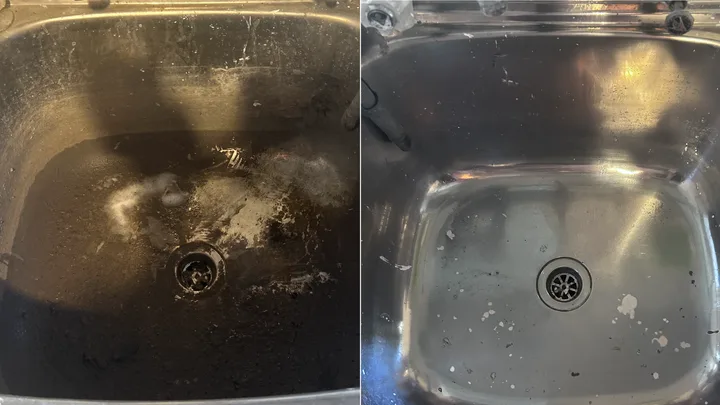
Cleaning my laundry sink is one of those chores I happily pretend doesn’t exist. Between soaking toddler clothes and rinsing paintbrushes, it had turned into a stained, soap-scummy mess. I told myself it didn’t really matter; after all, who’s inspecting my laundry sink? But every time I walked past it, I winced a little.
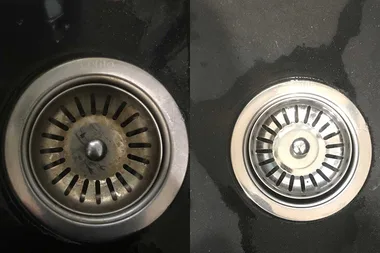
Then, late one night while scrolling through Reddit, I noticed people raving about a product with a serious cult following: Bar Keepers Friend. Some shared dramatic before-and-after photos of rusty pans, and others claimed their sinks sparkled like new. Curious (and a little desperate), I decided to try it.
KEY TAKEAWAYS
- Squirt Bar Keepers Friend onto the surface, leave for a minute, then scrub gently and rinse — it works on tough stains in under 10 minutes.
- Great for stainless steel, cookware, glass cooktops, porcelain, chrome fixtures, and even tile grout.
- Never use it on marble, granite, limestone, travertine, lacquered or painted surfaces, nonstick interiors, anodised aluminium, or gold/silver-plated items.
- It uses oxalic acid rather than bleach, which breaks the bond between metal ions and stains to lift rust, limescale, and soap scum.
How I tested Bar Keepers Friend
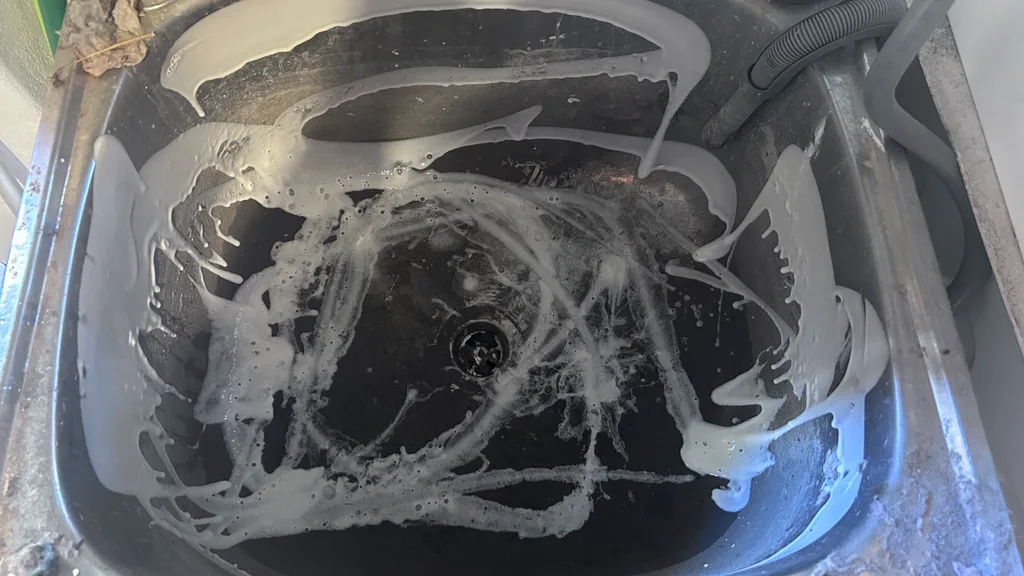
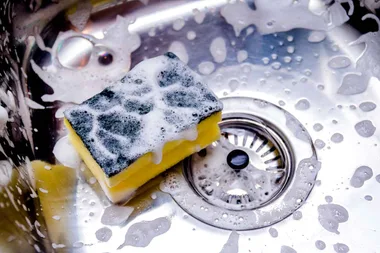
I grabbed a bottle of the Bar Keepers Friend Soft Cleanser, squirted it over my grimy sink, left it for a minute, and gave it a light scrub with a brush. Honestly, I wasn’t expecting much.
What I loved
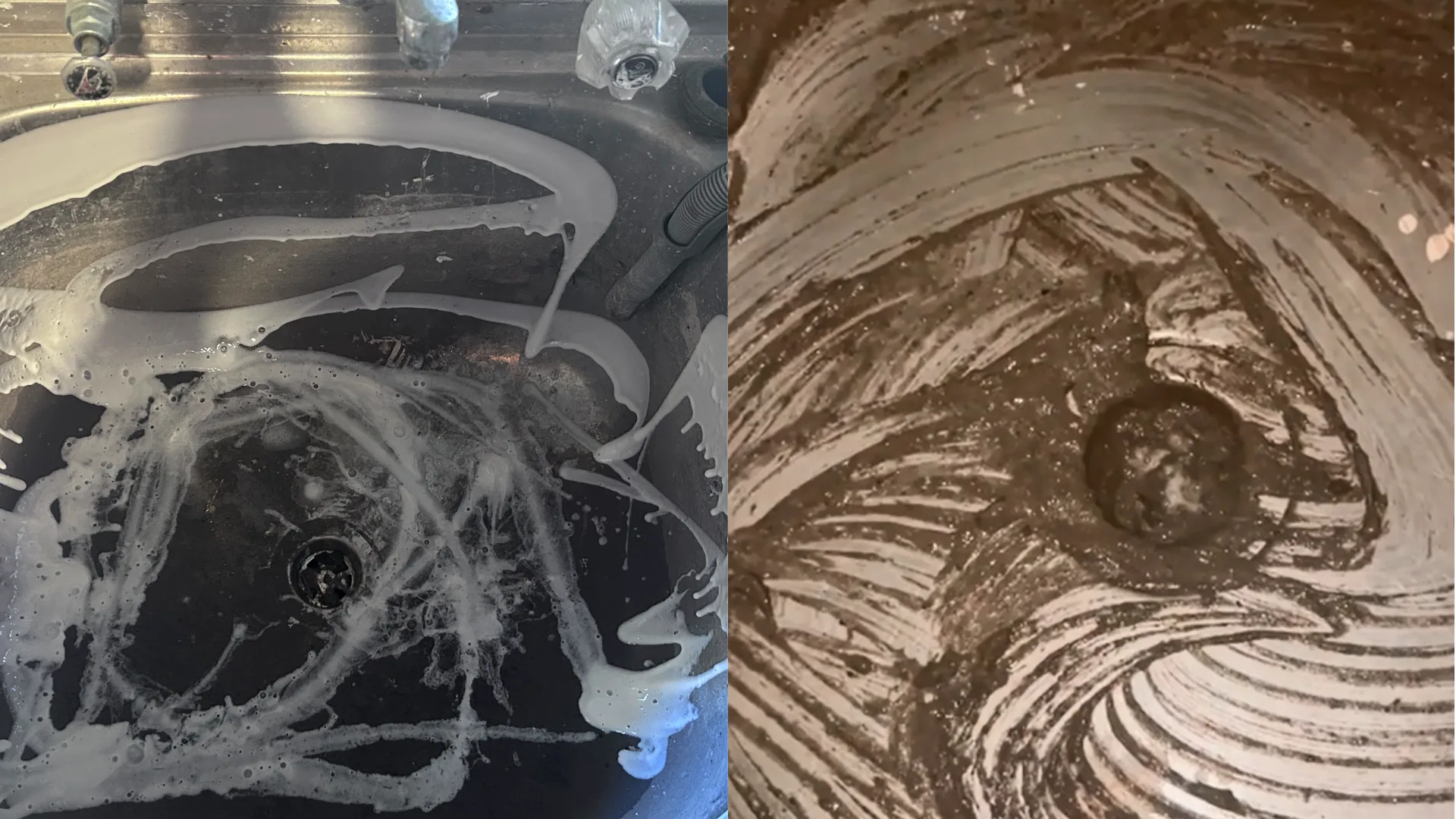
In less than 10 minutes, my laundry sink went from “please don’t look too closely” to shiny and respectable. A tiny patch of rust even lifted with a quick wipe of a microfibre cloth. The only thing it couldn’t touch was some old paint splatter left from the previous owners, which, to be fair, isn’t really its job.
My verdict
If you’ve been avoiding a grimy sink, pan, or shower screen because it feels like too much work, Bar Keepers Friend is worth a spot in your cupboard. It cuts through stains quickly, with minimal effort, and without harsh fumes.
What to keep in mind
It’s not safe for delicate surfaces like marble, granite, or coated finishes, so double-check before you go wild with it.
Where to buy
- Bar Keepers Friend Cleanser & Polish 340g – $10, Woolworths
- Bar Keepers Friend Soft Cleanser – $11.99, Amazon
Why sinks get so grimy in the first place
Sinks cop more punishment than most surfaces. Soap residue, detergent buildup, hard water stains, even the occasional splash of paint- all of it leaves behind a cloudy film that’s surprisingly hard to shift.
While bleach can disinfect, it doesn’t always cut through mineral deposits or rust. That’s where people say Bar Keepers Friend works differently.
What makes Bar Keepers Friend different?
Bar Keepers Friend was created in 1882 and has endured for a reason. Instead of chlorine bleach, it uses oxalic acid, a natural compound also found in rhubarb.
That might sound intimidating, but here’s the science bit: oxalic acid breaks the bond between metal ions and stains, meaning it lifts rust, limescale, and soap scum with much less effort.
You can buy it as a powder, liquid, or spray, but most fans still swear by the original powder. I grabbed the liquid cleanser for my test run.
What can you clean with Bar Keepers Friend?
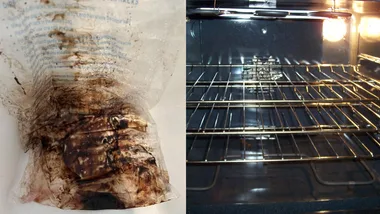
Bar Keepers Friend is one of those rare cleaning products that punches well above its weight. In the kitchen, it’s brilliant for bringing stainless steel sinks back to life. It works wonders on cookware too, lifting burnt-on food from stainless steel and copper pans. Glass cooktops, oven racks, even stained dishes can all be cleaned with Bar Keepers Friend.
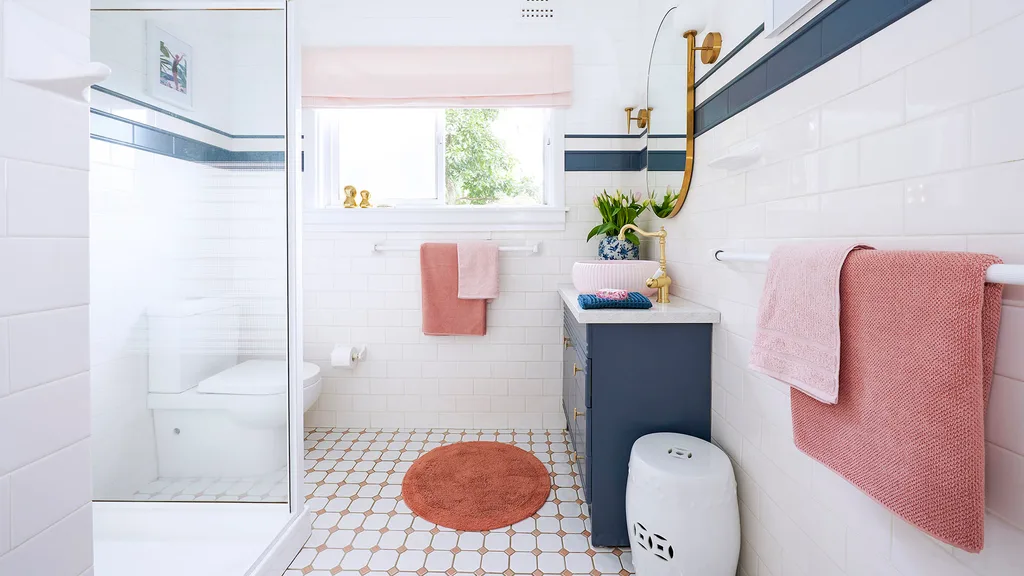
Head to the bathroom and you’ll find it’s just as impressive. Porcelain toilets, tubs, and sinks become genuinely sparkly again. Shower screens and chrome fixtures with mineral buildup clear up quickly. It even works on tile grout. Just test the coloured grout first to avoid lightening it.
What not to use it on
That said, there are some hard no-go zones. Never, ever use Bar Keepers Friend on natural stone like marble, granite, limestone, or travertine. Oxalic acid will etch the surface, leaving permanent, dull marks that no amount of polishing can remove.
It’s also not suitable for lacquered or painted surfaces, nonstick cookware interiors, anodised aluminium, or delicate gold – or silver-plated items, where it could wear through the finish. Avoid wood, unsealed grout, and soft plastics, as they can become discoloured or damaged.
Bar Keepers Friend FAQs
it’s actually one of the best surfaces for it, helping lift rust, water stains and burnt-on residue without damaging the steel.
Yes, but test a small area of coloured grout first, as it can lighten the colour over time.
No — its oxalic acid formula can etch natural stone surfaces like marble, granite, limestone and travertine, leaving permanent dull marks.
It uses oxalic acid instead of chlorine bleach, which breaks the bond between metal ions and stains rather than just disinfecting, making it more effective on rust and mineral buildup.

Related stories

Native ad body.

Native ad body.



Native ad body.