
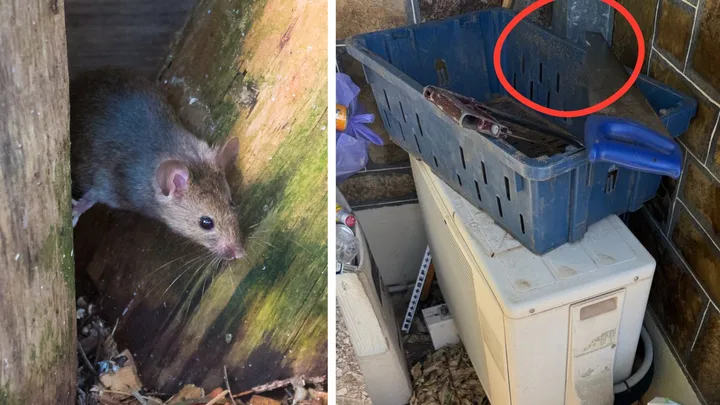
 Left: Adobe Stock | Right: Jim's Termite & Pest Control Gawler
I grew up in a small rural town, and I’ll never forget the horror of living through the mouse plague that swept through the community in the early 2010s. It’s an experience I wouldn’t wish on anyone – yet right now, thousands of people in parts of Western Australia and South Australia are living through exactly that, with the ABC reporting concentrations of 8000 mice per hectare in some locations. Pest management technician Steve Turner of Jim’s Termite and Pest Control in Gawler, South Australia, says the plague has led to a marked increase in callouts. “A lot of people are coming to me, saying ‘Can you help me?’ We’re hearing a lot from people with mouse problems who have never experienced them before,” he says.
Emergency permits to use double-strength mouse bait have been granted to farmers, but what can you do to protect your home? I asked Steve and wildlife conservation professor Rob Davis for their tips on humanely managing mice safely for kids, pets, and native wildlife. Here are 7 things you can do to keep mice out of your home during a mouse plague, including the traps recommended by experts.
KEY TAKEAWAYS
- Mouse plagues are affecting thousands of Australians right now, with concentrations of up to 8,000 mice per hectare recorded in parts of Western Australia and South Australia.
- Humane methods can effectively protect your home without putting children, pets, or native wildlife at risk.
- Expert help is available – if the problem feels overwhelming, a licensed pest management technician can provide fast, targeted support.
1. Seal rodent entry points
Rob says the first and most important thing to do to protect your home from mice and rats is to seal up entry points. “Plugging up holes in your roof and walls is the most effective strategy,” he says.
Finding out how mice are getting into your home is easier said than done, sometimes, and it might require a little investigation. Steve says one mistake people make is underestimating smaller gaps: “Mice can get through a hole about the size of your little finger.”
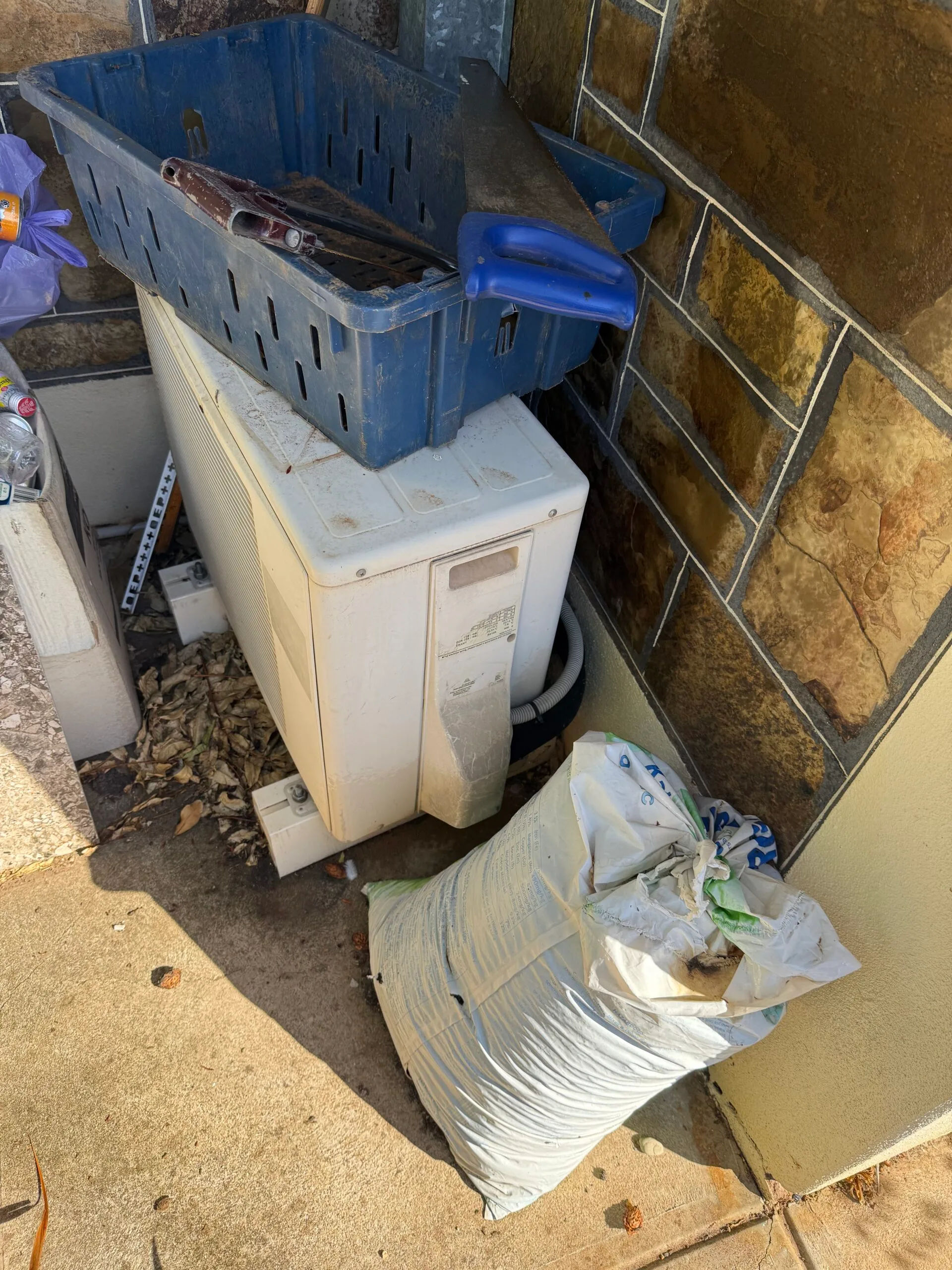
Where to look for mice entry points
- Stored goods, such as pet food, near the house can provide a place for mice to hide and build nests
- Under doors
- Through vents
- Holes in timber flooring
- Gaps in brickwork
- Gaps in exterior cladding
- Gaps in the roof void (especially if tree branches are hanging over the roof)
- Air conditioning unit conduit
- Downpipes or any pipes leading into the house
If you’ve checked all of these spots and still can’t work out where the mice are getting in, it may be time to call in a professional. “When you use a professional, they have been trained in what to look for, where mice are getting in, and the best way to treat them,” says Steve.
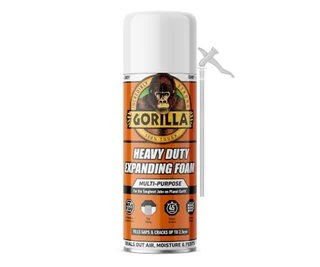
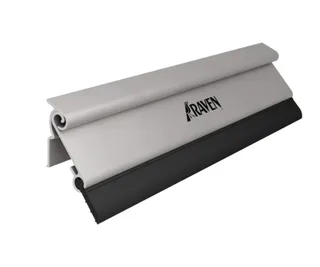
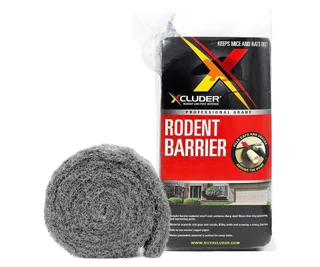
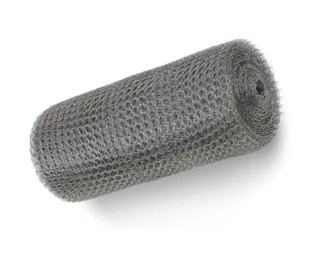
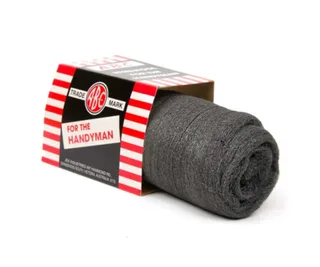
What you’ll need to seal mice entry points:

2. Invest in humane mouse traps
Okay, so what about the mice that are already inside your house? Sharing living quarters with tiny, uninvited guests can be nerve-wracking, but it’s still important to seek out humane ways of dealing with the problem. Humane mouse traps do the job quickly and efficiently, causing as little pain as possible to the mouse.
Mouse traps that work
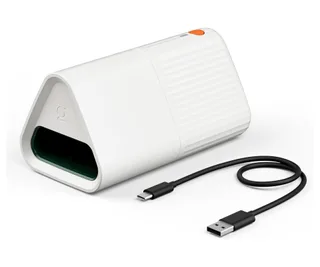
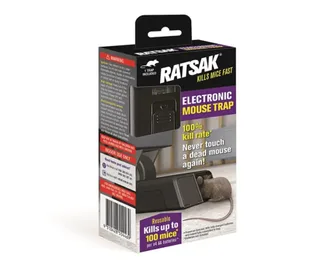
“I’m a big fan of the battery-powered mouse traps,” says Rob. “These are quite humane and work by stopping the heart of the mouse with an electric current once it is in contact with two plates in the trap. They are highly effective for low-level mouse problems.”
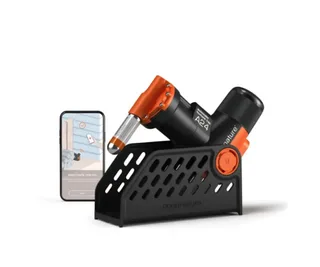
Products such as Goodnature’s smart mouse trap – available to buy directly or via Amazon – use infrared sensors to detect a mouse and trigger the trap automatically. It then resets itself for the next activation. This type of trap can eliminate up to 100 mice per charge.
Old-fashioned snap traps are also effective, says Rob, but warns they’re harder to control. “They have the potential to maim mice if they misfire.”
To ensure you get the most out of your traps, position them near a wall or a corner. Peanut butter is a fantastic, non-toxic way to lure mice into the trap. “Traps should only be used indoors to avoid impacting wildlife,” says Rob.
Mouse traps to avoid
While bucket mouse traps are a common DIY option, Rob strongly advises against them, as they can cause prolonged suffering of the animals. “Drowning is not ethical, and more humane choices like mechanical or electrical kill traps will result in a more humane end for the mice.”
What about mouse bait?
Steve, who works in Gawler, SA, a semi-rural suburb of Greater Adelaide, says there has been an increased demand for baits as a result of the mouse plague. To minimise risk to kids, pets and wildlife, Steve recommends hiring a professional pest technician, rather than attempting the job yourself. “We can use professional baits that are not available to the general public. Licensed pest control operators also know where to place the bait stations, so they are in the safest place to keep them away from pets and children.”
Rob discourages the public from using bait, due to the risk to native Australian animals, including birds, possums, snakes and insects, who may consume the bait itself or from secondary poisoning. “There are no approved methods for the public to bait outdoors,” he says.
3. Remove outdoor food sources
Pet food on the back verandah in its original packaging is basically an open invite for mice to come inside your house. “Keep pet food away from the outside of your house and store it in airtight containers,” says Steve. “Keep household rubbish in bins with a lid, and keep them closed.”
If you’ve got pet food sitting on your back verandah in its original packaging, you’re basically inviting mice to come on in.

4. Rodent-proof your vegie garden and compost bin
“Outdoor compost bins that sit on the bare earth are a major target for mice,” says Rob. Make sure your compost bin is rodent-proofed with stainless steel mesh.
How to rodent-proof your compost bin
Better Homes and Gardens Creator Awards finalist Connie Cao of @connieandluna on Instagram shares the process of mouse-proofing her compost bin using aviary mesh:
Rob says netting has done the trick to keep mice out of his vegie garden.
5. Tidy up the garden
What you see: a lovely tree branch framing the facade of your home. What a mouse sees: a purpose-built highway leading to a warm, dry and cosy roof cavity perfect for nesting. To keep mice out of your roof, reduce access points by pruning back any tree branches overhanging the roof of your home.
Did you know that mice also love an overgrown lawn? Sounds far-fetched but long grass provides a place for mice to safely hide from natural predators and cats. “Keep your lawn cut and remove weeds,” says Steve.
6. Disinfect and deodorise
It’s important to take extra care when disposing of mice, their droppings or urine to minimise the risk of virus and infection. The Western Australia Department of Health recommends wearing disposable gloves, waterproof clothing, closed footwear and wearing a face mask while cleaning up dead mice, their urine or faeces.
Warning: Do not attempt to clean up after mice if you are pregnant or immunocompromised, as there is an increased risk of Lymphocytic choriomeningitis virus (LCMV).
How to clean up mouse droppings
To clean mouse droppings, spray with either household disinfectant or a bleach and water solution (follow the correct dilution ratios listed on the product label) and wipe up with a disposable cloth or paper towel. Follow up by mopping the area with disinfectant. It’s not a good idea to use a vacuum to pick up mouse droppings, as this can release microscopic disease-causing particles into the air.
How to clean mouse urine
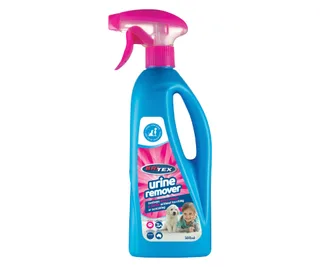
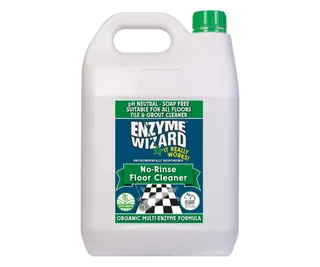
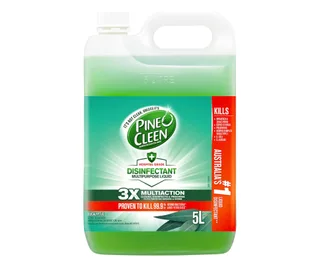
Apply household disinfectant (make sure the label specifies that it kills both bacteria and viruses) to the area, and allow it to sit for the specified dwell time listed on the label. Then, wipe the surface clean with a disposable cloth or paper towel. Follow up by mopping or washing the area with an enzymatic cleaner and disinfectant to eliminate lingering odours.
Cleaning products to keep on hand

How to get rid of mouse odours
Had a mouse die somewhere you can’t see or access? The reason you probably know about it is because of the smell. In this situation, it’s important to ventilate the affected room as much as possible. “Ventilation is key – open windows and place a fan in the area to push stale, smelly air our and bring fresh air in,” says Steve.
For even better results, Steve says you can use a StopOdours bag, Fresh Wave IAQ Commercial odour eliminating gel or Bin Bomb odour control pellets.
Other household items that can reduce mouse odours
- Active charcoal
- Baking soda
- White distilled vinegar
- Fresh coffee grounds
7. Dispose of mice safely
So what exactly do you do with mice that have landed in your traps? “It’s best to handle rodents with gloves, but otherwise, by the tail,” says Rob. “Ideally, bury them in the garden or wrap them in a plastic bag and dispose of them in the bin. Be aware they may have been poisoned by rat and mouse baits and could present a risk to other animals that might eat them.”
Dealing with a mouse plague can feel overwhelming, but with the right approach, it can be managed. By acting quickly, staying consistent, and following expert advice, you can protect your home, your family, and the wildlife around you – without resorting to methods that do more harm than good. Remember, you don’t have to tackle it alone: your local pest management technician is just a call away.

Related stories

Native ad body.

Native ad body.



Native ad body.