


Mums are singing the praises of a natural cleaning product that’s removing stains, softening linens, and cleaning greasy pots and pans – and it’s not bicarb soda or vinegar as you might expect.
Available on supermarket shelves in a 1 kg bag for $5, washing soda is the cleaning staple you didn’t know you needed — plus we’ve got easy recipes to get you started.
KEY TAKEAWAYS
- Washing soda (sodium carbonate) is a natural, cheap alternative to commercial cleaning products
- It can be used in the laundry, dishwasher, oven, shower and on benchtops
- Add it alongside your regular washing powder to brighten whites and remove stains
- Unlike bicarb soda, it’s more alkaline and more powerful — but always wear gloves when handling

One mum took to the Facebook group Mums Who Clean and shared her excitement after discovering washing soda for the first time. “Omg! I put a small amount of Lectric Washing Soda in with washing powder, and the clothes all came out amazingly bright and stain-free,” she wrote.
She added, “I was trying to clean bedding (which I don’t get my hands on much) that I had previously soaked in a laundry stain remover (Oxy-action/Napisan, etc.) with not much luck and decided to try it.“
Her discovery sparked a chain of interested mothers asking for more information on how to use it to clean clothes.
“Do you need to dissolve it before adding it to washing, or can you put it straight in the drum of your front loader?” one group member asked.
Someone replied, “If you wash in cold water, you may wish to dissolve it… I wash in a mix of cold & warm. Never had an issue.”
Here’s everything you need to know if you plan to incorporate washing soda into your cleaning routine, along with three recipes to try.
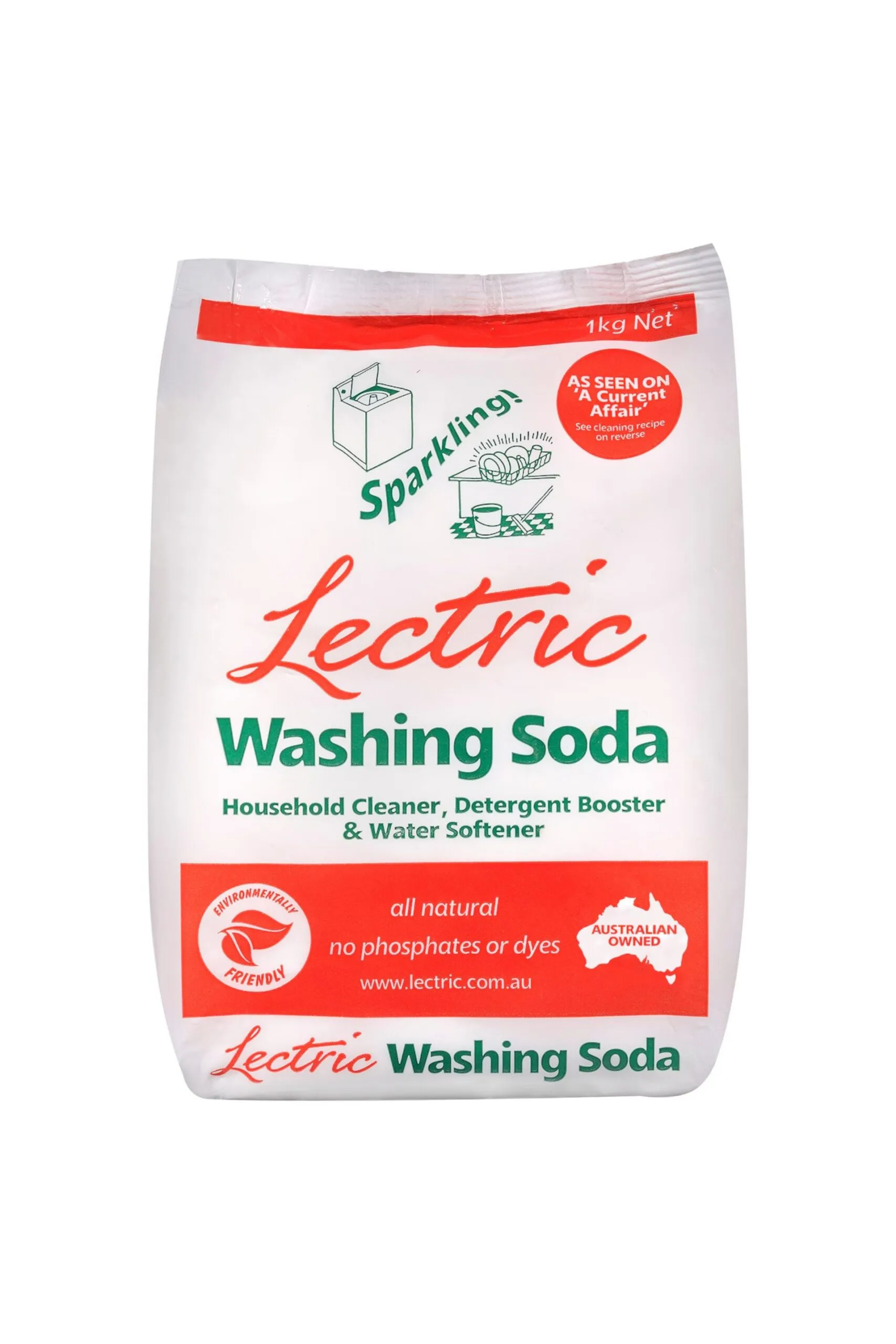
What is washing soda?
Washing soda is a water-soluble salt, otherwise known in Australia as sodium carbonate. It is made by heating bicarbonate soda and is a more alkaline, powerful cleaning product used mostly in the laundry.
What can you use washing soda for?
Washing soda can soften water, making it better at lifting dirt, like body oils, from clothing and tackling grease and stains. The softer water allows for a deeper penetration into fabrics and cleans more thoroughly.
Washing soda is a secret cleaning weapon for many, particularly in the Mums Who Clean group.
“I have always added washing soda to my wash because it brightens white vinegar to the rinse because it softens everything,” said one commenter.
“I use it in a mixture to clean the range hood grills. They come up clean with no rubbing and no need to soak too long. Amazing!” another added.


How to clean with washing soda
We’ve found three easy recipes that use washing soda so you can incorporate it into your cleaning routine.
1. Washing soda laundry powder
From: Home by Natural Harry
Harriet Birrell has a book full of DIY recipes for a non-toxic, zero-waste life. She uses washing soda, bi-carb soda, vinegar, lemon juice, essential oils and more in this book for cleaning, food and skincare.
Makes 675g | Prep: 2 min
Ingredients:
- 250g / 1 cup washing soda
- 150g / 1/2 cup salt
- 125g / 1/2 cup citric acid
- 90g / 1/2 cup bicarbonate soda
- 60g / 1/4 cup Epsom salts
- 20 drops of tea tree essential oil
- 20 drops lavender essential oil
Method:
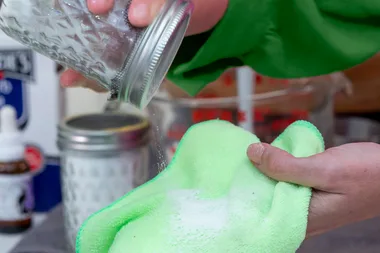
Put on gloves to protect your hands. Combine all ingredients in a large glass jar, close the lid and shake well. Add 2 tbsp per average load of washing.
2. Washing soda dishwashing tablets
Ingredients:
- 240g / 1 cup washing soda
- 120g / 1/2 cup Epsom salts
- 20 drops lemon essential oil (optional)
- 80ml (1/3 cup) fresh lemon juice
- 90g / 1/2cup bicarbonate of soda
Method:
Put on gloves to protect your hands. Combine washing soda, Epsom salts, bicarb soda and essential oil into a large bowl. Slowly add lemon juice, mixing as you pour. It will fizz as the lemon juice and bicarb soda react, but continue to stir until combined. Spoon mixture into ice trays and firmly press each one down. Set aside to dry for 24 hours. Once set, put the tablets into a lidded jar or container. Use them as you would a store-bought dishwasher tablet.

3. Lectric washing powder’s miracle spray
If the news that washing soda is readily available from your local supermarket wasn’t good enough, mums in the group say the recipe on the back of the Lectric Washing Powder packet is fantastic. It’s a miracle spray can be used on: benchtops, tiles, painted surfaces, stoves, greasy pots and pans, vinyl and tiles, spot-cleaning carpets, stained collars, ovens and more!
“The recipe on the back for miracle spray is awesome, too. It’s great for cleaning shower screens and any surface around the house, and it even got an ink stain off my cupboard shelf. It’s been used for years and is so cheap, too.”
Find the recipe here.

Washing soda FAQs
It is natural, effective, and inexpensive, and it can be found in some supermarkets or health food stores. It is non-toxic; however, when using it, take care to wear gloves, as it is a salt and may irritate some people’s skin. Be careful not to inhale the fine powder. Unlike bicarb soda, washing powder isn’t suitable for baking or skincare products.
If washing soda is not used with caution, it can cause some issues. Direct skin or eye contact, or inhalation of powder or crystals, can create irritation, rash, and sometimes burns. Always wear gloves when handling washing soda, just in case, and don’t breathe in any of the fine powder.
No, washing soda is not the same as baking soda; they are very different products.
Washing soda (sodium carbonate) is more alkaline, not edible, and naturally occurring from plant ashes. Baking soda (sodium bicarbonate) is less alkaline than washing soda, making it less abrasive and an edible, naturally occurring mineral.

