
Rugs and carpets make homes quieter, warmer, and more comfortable — but they also trap a surprising amount of dirt and debris.
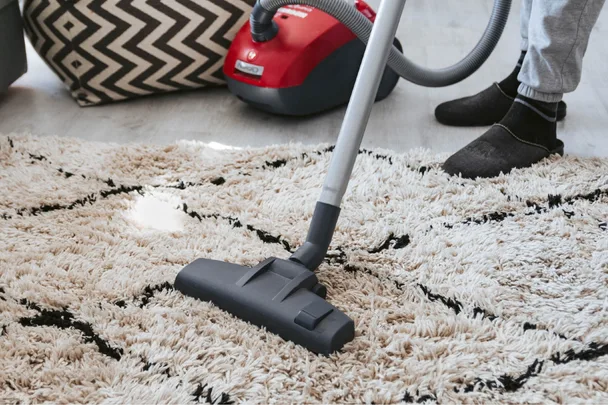
Recently, “slow vacuuming” has been trending online, with cleaning experts and social media users claiming that moving more slowly can dramatically improve cleaning results. The reason is simple: taking your time allows the vacuum to lift dirt deep into carpet fibres rather than just skimming the surface.
Why slow vacuuming works
Nicole Gibson, the Laundry & Stain Removal Queen at Söka Australia, says a vacuum works well for carpet cleaning when used properly.
“The problem is people are time-poor, so their vacuuming techniques are questionable,” she says.
“There’s an ad showing that vacuuming slowly picks up more dirt — and that’s true. Moving slowly over each area gives the vacuum time to clean more effectively,” she says.”
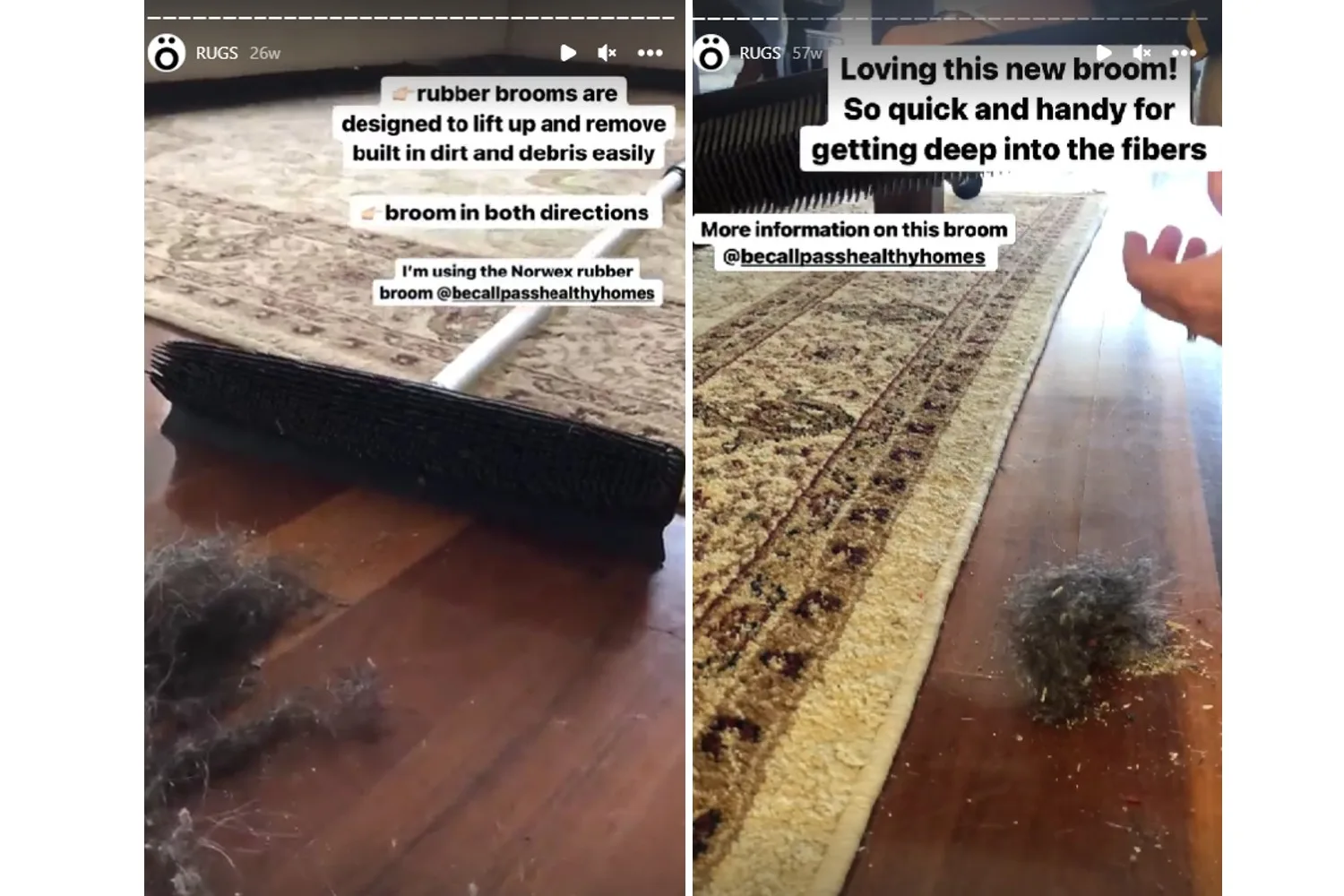
If you want to take your carpet cleaning a step further, Nicole recommends loosening dirt before vacuuming. She says using a rubber broom first can help lift embedded debris, allowing slow vacuuming to work even more effectively.
How a rubber broom works
“A rubber broom agitates the built-up residue, pet hair, dust, dirt, etc. and lifts and separates these particles to make it easier for removal,” says Nicole.
“The rubber broom uses electrostatic action that pulls and holds debris to prevent dust, etc., from going everywhere, unlike a normal broom.”
Nicole uses this Norwex rubber broom attachment, which is easy to clean and features a silver backing that helps keep it free of germs, bacteria, and mould.

What’s the best way to clean your carpet
So, what is the best way to clean your carpet? Nicole says she prefers to use a combination of vacuuming and a rubber broom.
“I do find a combination will get the best results,” she says. “Use a rubber broom, then vacuum, especially in high traffic areas such as rugs.”
How to try the slow vacuuming method
To improve results, move your vacuum slowly across carpet fibres, overlapping each pass slightly. Vacuum in different directions to help lift embedded dirt, and spend extra time on high-traffic areas.

Related stories

Native ad body.

Native ad body.

Native ad body.