
Shopping for second-hand furniture can feel overwhelming at first. The last thing you want is to haul something home only to find out it doesn’t fit in your work or your home. With a few practical tips from a professional, op-shopping for furniture can be a rewarding experience.
Buying used furniture has become an easy way to save money, reduce waste and uncover pieces with real character. According to one expert, the key is knowing what to look for and being prepared before you start browsing.
KEY TAKEAWAYS
- Prepare before you shop: Create a mood board, set a budget, and measure your space
- Build a thrifting kit: Keep a tape measure, pen, and disinfectant wipes in your car
- Check for deal-breakers: Inspect for stains, smells, water damage, mould, and pests before buying
- Look for quality materials: Prioritise natural materials like wood and stone with unique shapes
- Start small with DIY: Begin with manageable upcycling projects to build confidence
How to buy second hand furniture
Jaharn Quinn, upcycler, maker and author of her book Dream Home DIY, says when it comes to DIY, you just have to get started.
“Honestly, just go for it. I think about when I was that girl crying outside Bunnings, and I wouldn’t want that for anyone!” says Jaharn.
“Where to start is the next big question. If you just start small, then you will discover how good creating makes you feel; it’s so good for your mental health. And if you start small, that will give you confidence: ‘Hey, I can do this. What can I try next?”
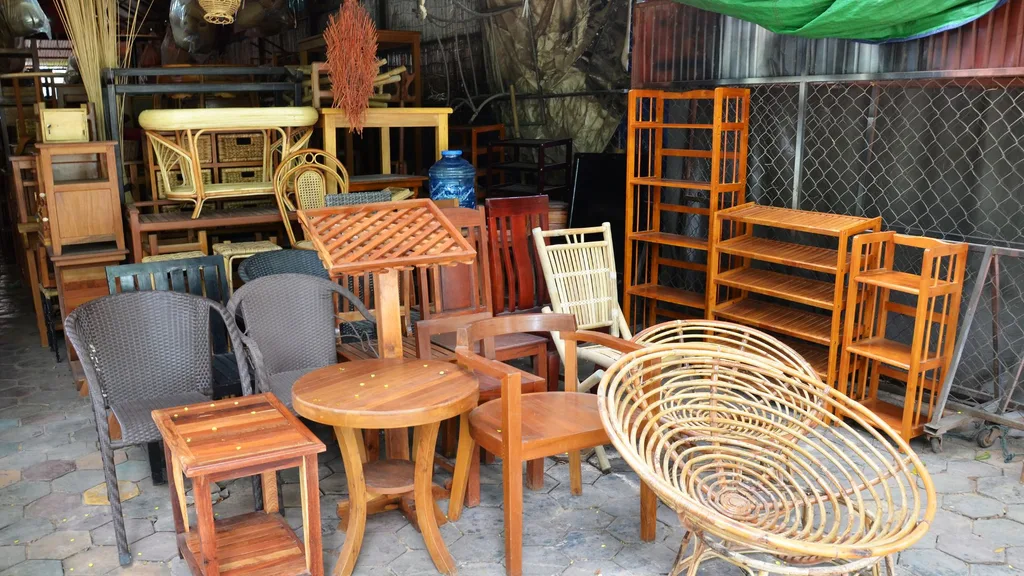
What to look for in used furniture
Before setting foot in an op shop, do a little prep. Create a simple mood board, even just a few saved images on your phone, so you know what you’re looking for. Having a clear idea before you leave the house means you can scan for pieces that suit your space rather than getting distracted.
It’s also worth having a budget in mind, along with an honest assessment of whether you’re willing to tackle some DIY.
Jaharn knows the value of being prepared. “I’m very familiar with the tip shops and charity shops in my area (around Noosa). I’ve made some great relationships with many of the people who work there.
“I look out for unique shapes and natural materials, such as wood and stone. But thoroughly check a piece over, or it can come back to bite you.
“I have a thrifting kit in my car with a pen, tape measure, paint cards, notebook and disinfectant wipes. That helps me make better-informed decisions. There’s nothing worse than finding your dream dining table, then coming home and discovering it’s not the right length or width.”
Meet the experts
- Livia Gamble is a Senior Content Producer and journalist with more than seven years of experience in digital content. She’s passionate about helping readers find simple, practical ways to make everyday life easier.
- Jaharn Quinn is an upcycler, maker and the author of Dream Home DIY. She’s known for transforming second-hand finds into beautiful, functional pieces and encouraging people to give DIY a go.
What to avoid when buying used furniture
Not every second-hand piece is worth taking home. Before you commit, take a few minutes to check for common issues that can turn a bargain into a headache.
- Stains: Give the item a thorough once-over. Some stains can’t be removed easily or may require professional cleaning or reupholstering.
- Smells: Have a quick sniff for smoke, pet urine or damp odours. While some smells can be treated, they’re not always worth the effort.
- Water damage and mould: Look for warped timber, swollen particleboard or any signs of mould, particularly on fabric. Where there’s water damage, mould is often not far behind.
- Bugs: Check for signs of chewing, holes or burrowing in wood or upholstery. Always inspect carefully for bed bugs or termites before bringing furniture into your home.
Where to shop for used furniture in Australia
Across Australia, there are plenty of places to shop second-hand, from large charity stores and online marketplaces to local op shops and specialist vintage sellers.
Whether you’re after a solid timber piece, a bargain sofa or something with a bit of history, buying used can offer better value and often better quality than buying new.
Buying second-hand furniture online
Online marketplaces and auction sites can be a great place to start, especially if you want to browse before committing to an in-person visit. The key is filtering smartly.
When searching online, narrow results by location, price and condition to avoid wasting time on pieces that are too far away, outside your budget or not in usable shape. This makes it much easier to identify listings that are genuinely worth following up on.
It also helps to think of online shopping as a shortlisting tool rather than the final step. By filtering early, you can focus on a handful of promising pieces to inspect in person, instead of scrolling endlessly through listings that were never going to work.
Op-shopping for furniture doesn’t have to be a gamble. With a little preparation, a mood board, measurements, and a realistic budget, you can walk into any charity shop or browse online marketplaces with confidence.

Related stories

Native ad body.
Native ad body.
Native ad body.