Summer outdoor living can be torture if you keep getting bitten by mosquitoes.
While sprays and coils can help, many gardeners prefer natural solutions. Certain mosquito-repelling plants contain oils and compounds that mozzies dislike, making them a simple, low-toxic way to reduce bites around patios, balconies and garden seating areas.
These plants won’t eliminate mosquitoes completely, but when used correctly — and combined with removing standing water — they can help create a much more comfortable outdoor space.
Do mosquito-repellent plants actually work?
Mosquito-repellent plants can help reduce bites, but they’re not a magic shield.
Most plants only release their repellent oils when you crush, brush, or heat the leaves — which is why many commercial insect sprays use concentrated plant extracts.
For best results:
- Plant them densely around seating areas
- Grow them in pots near doorways and windows
- Place them on outdoor tables where leaves can be brushed
- Combine with removing standing water, where mozzies breed
Think of them as a helpful layer of protection rather than a complete solution.

Why do you get bitten by mosquitoes?
Only female mosquitoes feast on us to get a ‘blood meal’ that enables them to produce eggs.
Mozzies pick on people with a high metabolic rate and who emit more carbon dioxide – those who are pregnant, working out, or drinking alcohol. They also seem to be attracted to dark clothing.
Breeding is their driving force when not biting you. They nestle around areas of standing water no more than 30cm deep, such as in a bucket or garden pond, backyard debris, clogged drains and gutters, or water left out for pets and wildlife.
So put a pump onto your pond, empty buckets, clean up the backyard, clear your guttering and put pet water bowls inside.
Before you reach for a chemical spray, surround yourself with plants that naturally repel mosquitoes.
Where to place mosquito repellent plants
To get the most benefit from mozzie-repellent plants, position them close to where you spend time outdoors.
Best locations include:
- Around outdoor dining areas
- Along pathways and patios
- Near windows and doorways
- In pots on balconies and decks
- Around BBQ areas and outdoor seating zones
The closer they are to people — and the more frequently leaves are brushed — the more effective they’ll be.
13 mosquito repellent plants that help keep mozzies away

Basil
What’s not to love about basil? Whether you’re making a pesto or a pizza, basil can add a delicious zing to Italian food. Best of all, mosquitoes will be repelled by the scent so you can enjoy your meals bite-free.
Best for: Pots on outdoor dining tables where leaves can be brushed to release scent.

Peppermint
Research has shown that peppermint oil repels mosquitoes. You can easily grow peppermint in a pot. Keep it happy with lots of sun and regular watering. And when it’s not keeping mozzies at bay, you can use the leaves to brew up a pot of refreshing peppermint tea.
Tip: Grow in containers near seating areas and crush leaves occasionally to boost its repellent effect.

Lavender
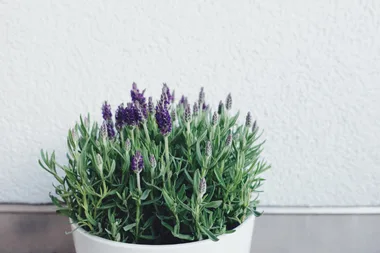
Mosquitoes hate the smell of lavender, so it’s a good excuse to grow it in abundance. Either in a pot or a flower bed, lavender loves full sun and needs to be watered once or twice a week.
Best for: Sunny borders or pots near patios and doorways.

Catnip
Catnip (Nepeta cataria) isn’t just for cats. It contains a compound called nepetalactone, which gives the plant its distinctive scent, and lab studies have found that it’s an effective mosquito repellent. As with most plants on this list, the leaves need to be crushed or bruised to release the oil.
Tip: Place in pots close to seating areas — brushing the leaves releases stronger oils.

Lemon Balm
Another fragrant plant, lemon balm, helps keep mozzies at bay. Best contained in a pot, it loves plenty of sun and regular watering.
Best for: Containers near outdoor tables and balconies.

Allium
A member of the onion/ garlic family, ornamental alliums produce pompom clusters of flowers that seem to float above long, slender stems. Grown from bulbs, it’s from here that sulphur compounds are produced that mozzies find unpleasant.
Best for: Garden borders around entertaining areas.

Citronella Grass (Cymbopogon nardus)
Citronella grass (Cymbopogon nardus) is the source of citronella oil, the key ingredient in many mozzie-repelling candles and sprays. The living plant doesn’t release much scent on its own, though. To get the benefit, crush a few leaves to release the oil.
Tip: Position in large pots near seating areas and crush the leaves to activate the oils.

Marigolds
Marigolds have a strong, pungent scent that many gardeners swear helps keep insects away, which is why they’re a popular border plant around vegie patches and outdoor living areas. There’s little evidence that growing marigolds alone will keep mozzies at bay, but they’re easy, cheerful and inexpensive, and they attract beneficial insects to your garden.
Best for: Garden beds along pathways and outdoor living areas.

Rosemary
Rosemary’s aroma is potent, and while it enhances a lamb roast, it also repels mozzies. You can also snip off a few sprigs and hang them around windows or doors to keep mozzies out.
Tip: Plant near doorways or toss sprigs onto a BBQ to release scent.

Lemon Thyme
The strong, fresh citrus scent of lemon thyme repels mozzies because it interferes with their ability to detect human aromas. Rub the leaves on your skin to set free the essential oil.
Tip: Place in pots on outdoor tables where people can brush the leaves.

Bee balm
Also known as monarda or horsemint, the fragrant oil released when you crush the leaves confuses mozzies and masks your body aroma. A bonus is the colourful, feathery red, pink, lavender, purple, or white flowers.
Best for: Sunny garden beds near patios and entertaining spaces.

Sage
Toss sage leaves on your barbecue or fire pit to release their earthy aroma and keep mozzies at bay. Dried sage will do the trick too.
Best for: Planting near outdoor seating areas and along sunny pathways.

Mint
Mozzies loathe the fresh, strong scent we love in drinks, chewing gum and toothpaste — especially when you crush the leaves and rub them on your skin. You can also dry them in a bowl inside.
Best for: Pots around outdoor seating and drink stations.


Related stories
Native ad body.
Native ad body.

Native ad body.