

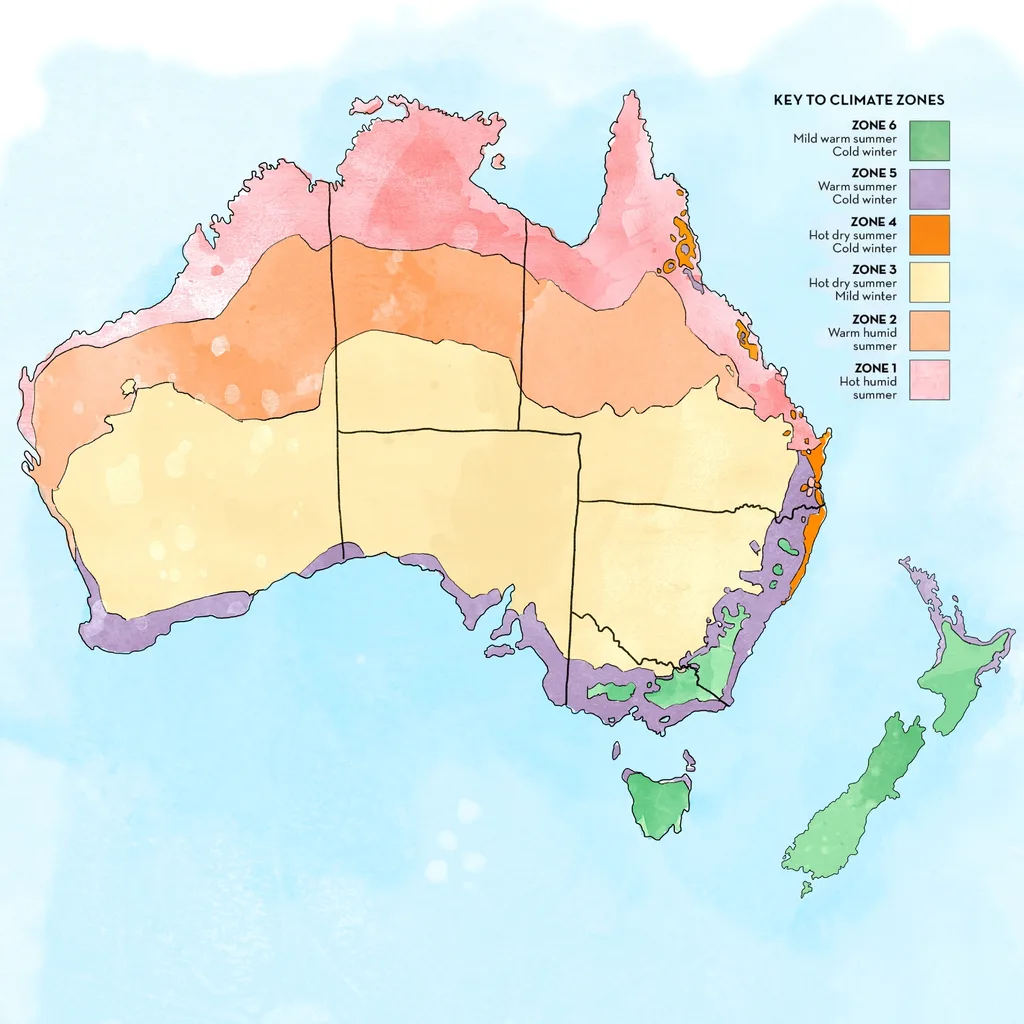
Each month we give ideas, tips and planting advice for cooler, warmer, wetter and drier areas in each zone, so ask at your local nursery which zone best matches your conditions.
Find out which climate zone you’re in below, and plant accordingly:
Flowers
All zones
- Ageratum
- Alyssum
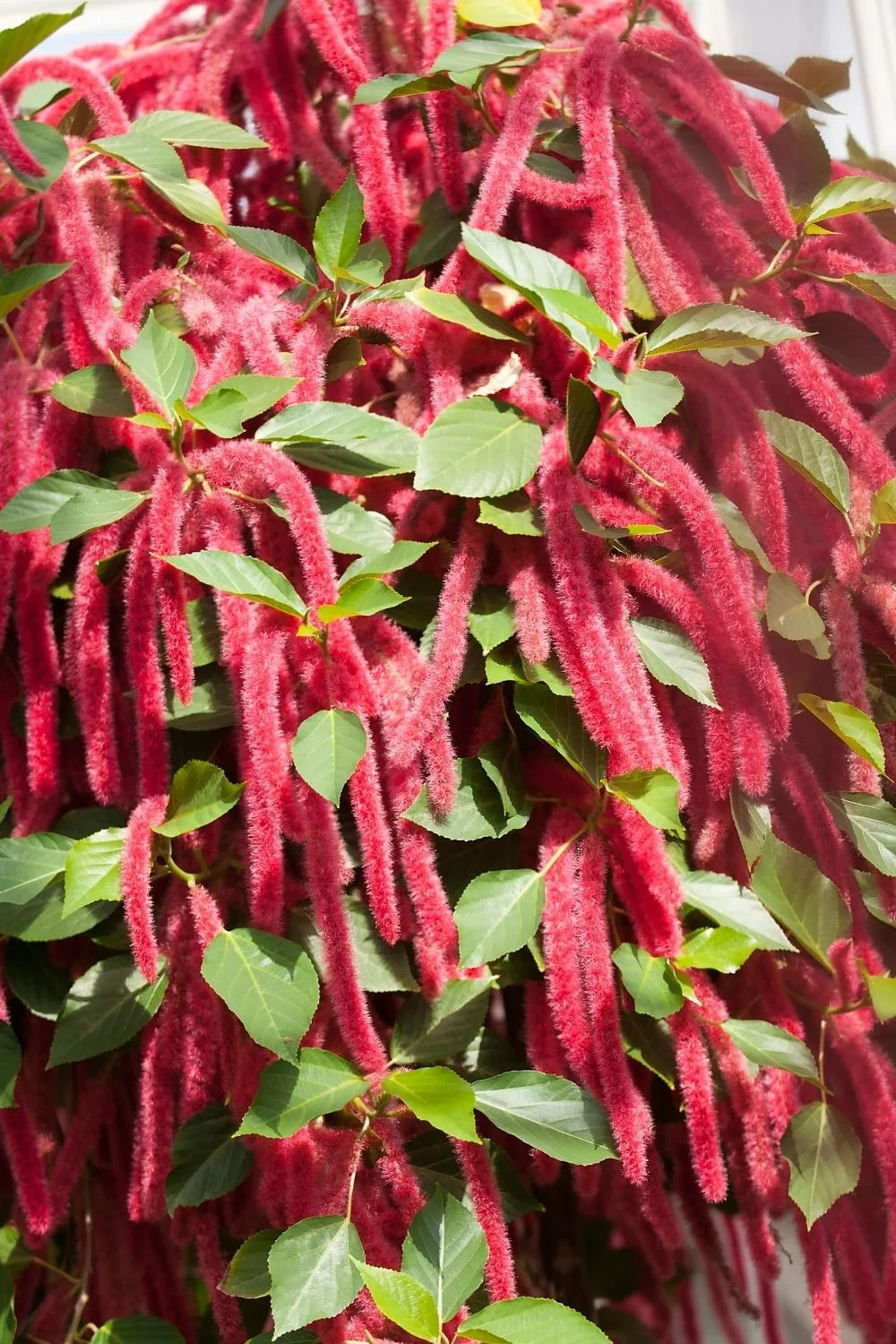
- Amaranthus
- Begonia
- Cosmos
- Dahlia
- Impatiens
- Marigold
- Nasturtium
- Petunia
- Portulaca
- Salvia
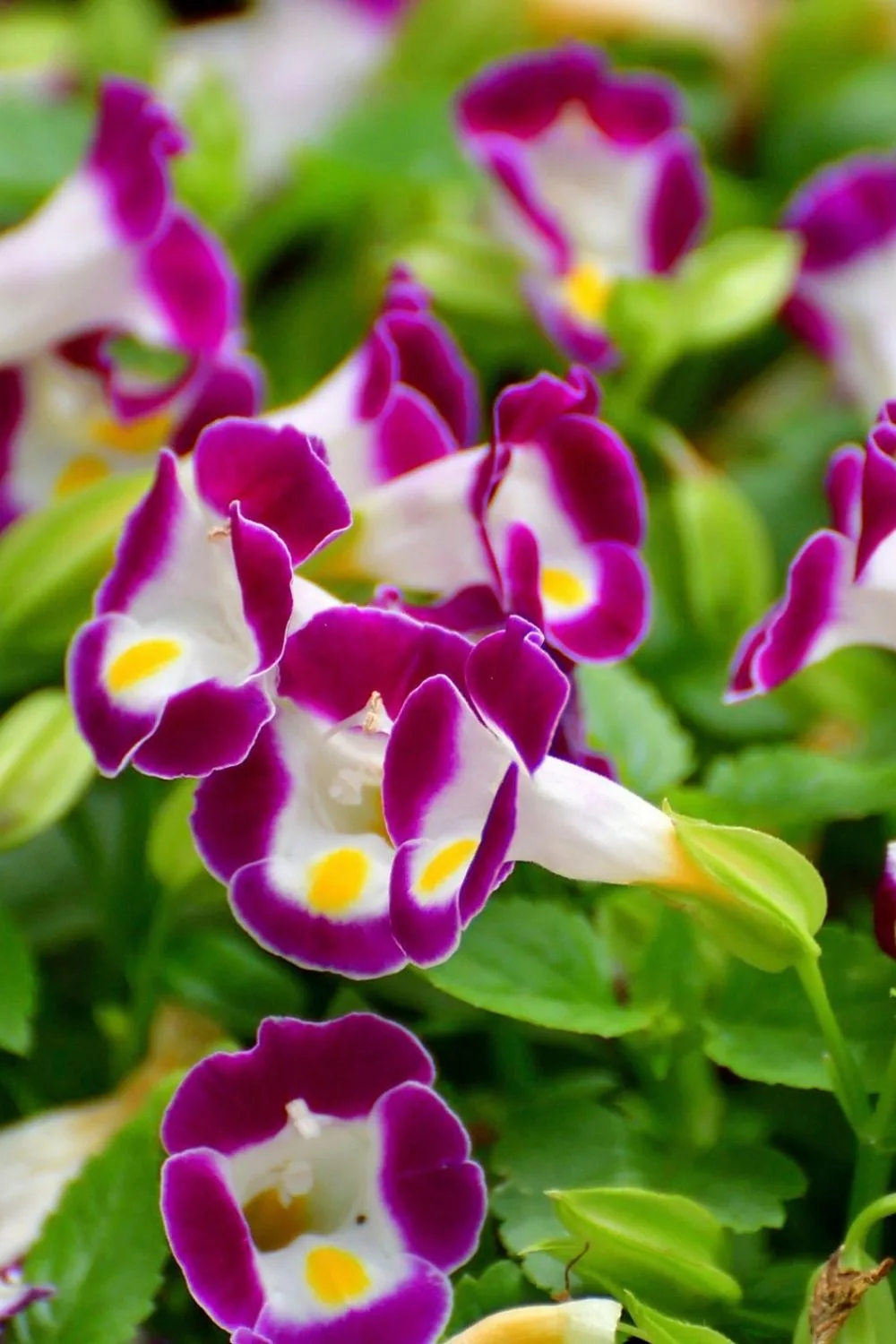
- Torenia
- Verbena
- Zinnia
Zones 1-3
Zones 4-6
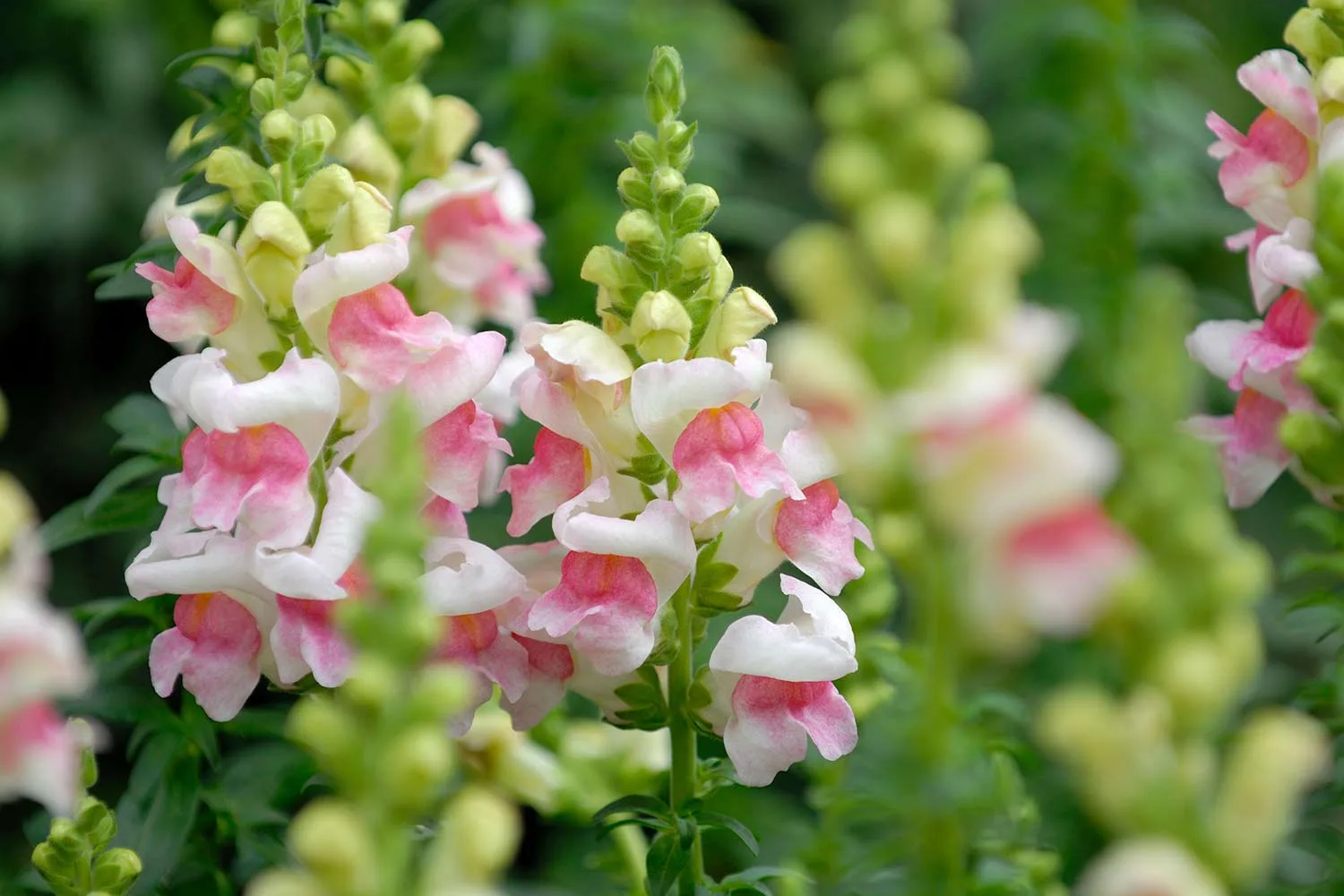
- Aster
- Californian poppy
- Carnation
- Chrysanthemum
- Cleome
- Cosmos
- Cundytuft
- Carnation
- Dianthus
- Lobelia
- Snapdragon
- Statice
Vegetables
All zones
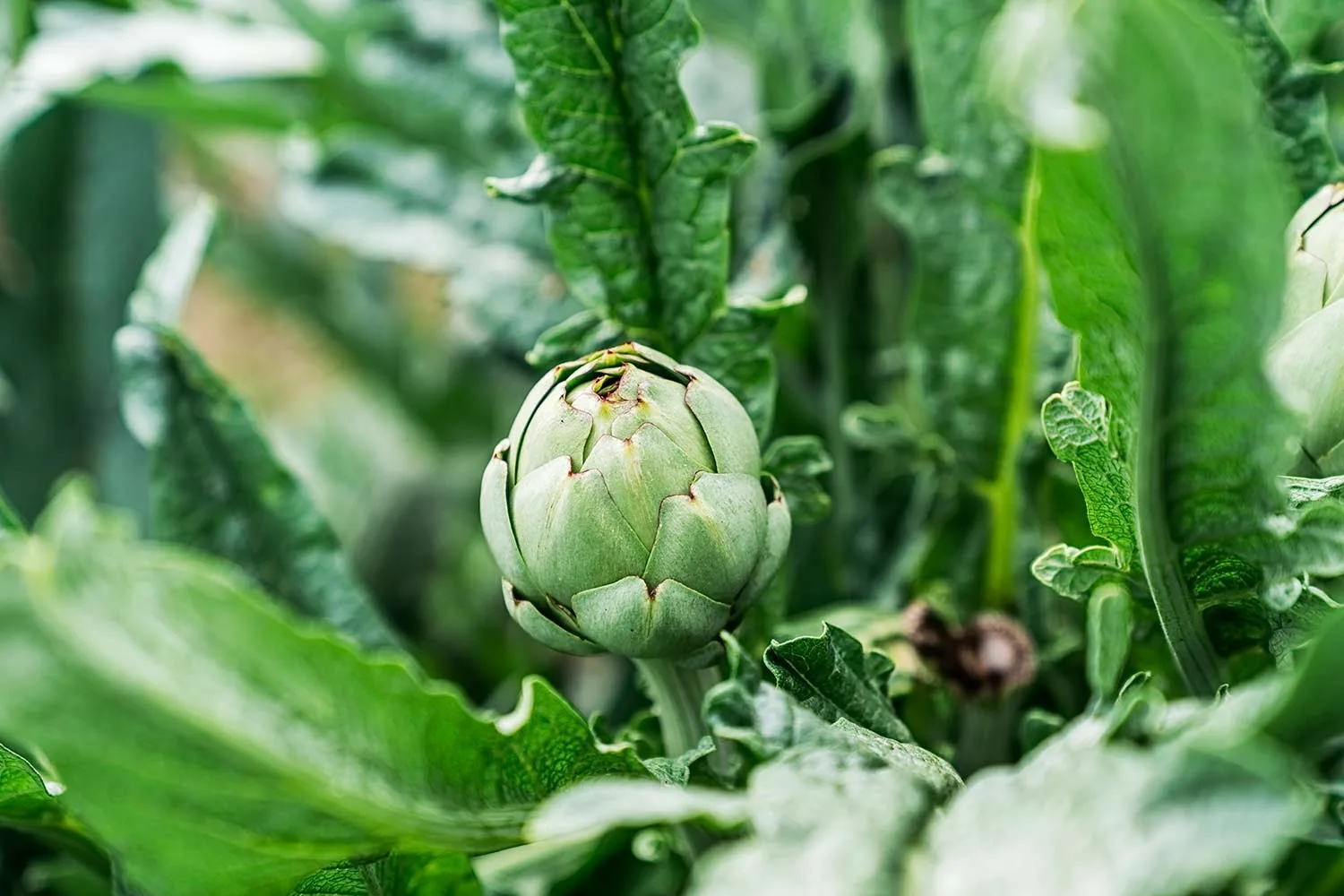
- Artichoke
- Asparagus
- Beans
- Beetroot
- Cabbage
- Capsicum
- Carrot
- Celery
- Eggplant
- Green onion
- Lettuce
- Melon
- Parsley
- Parsnip
- Potato
- Pumpkin
- Radish
- Shallot
- Squash
- Sweet potato
- Sweetcorn
- Tomato
- Turnip
- Zucchini
Zones 1-3
- Capsicum
- Chives
- Choko
- Okra
- Pumpkin
- Shallot
- Sweet potato
- Taro
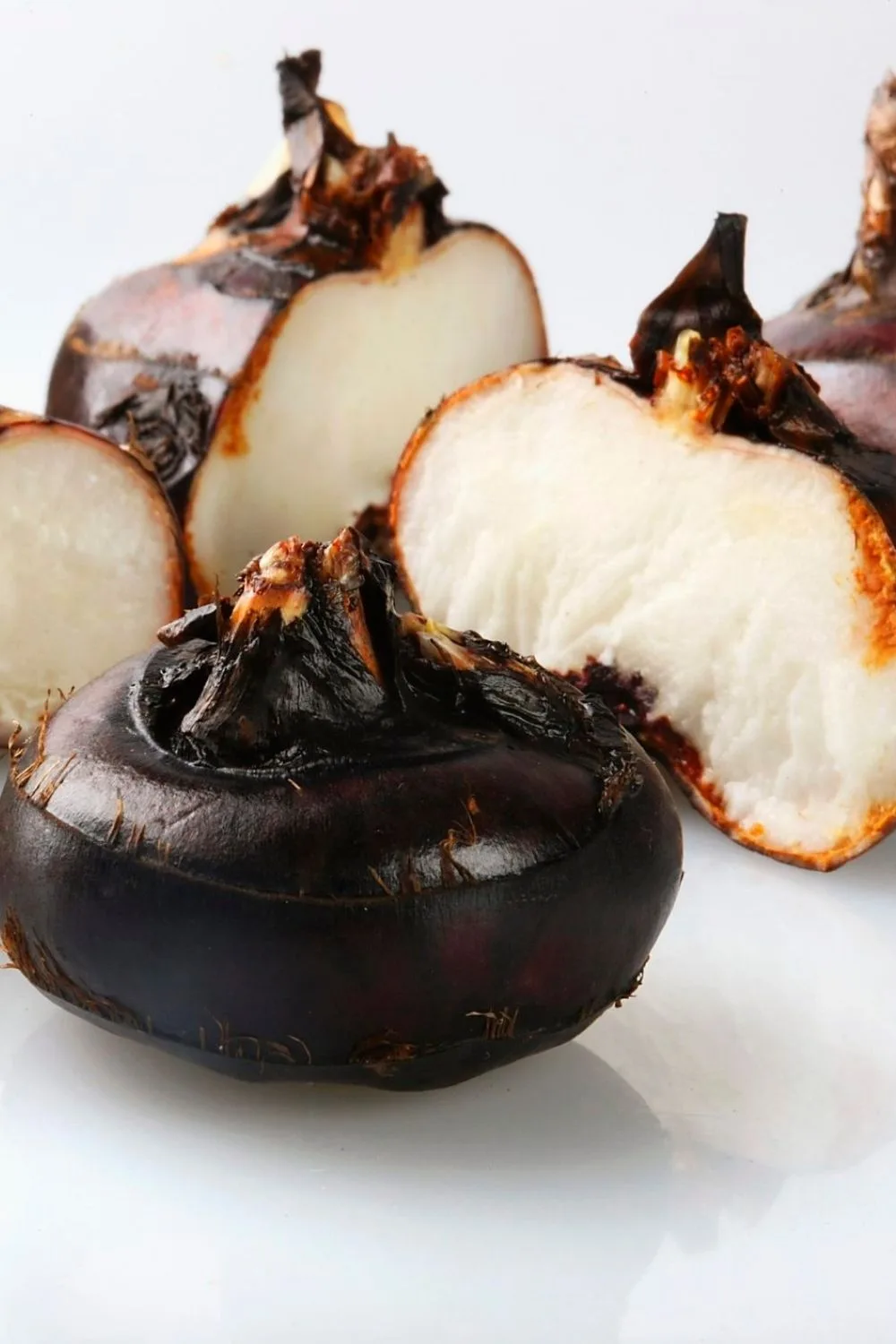
- Water chestnut
Zones 4-6
- Bok choy
- Broccoli
- Cauliflower
- Cucumber
- Endive
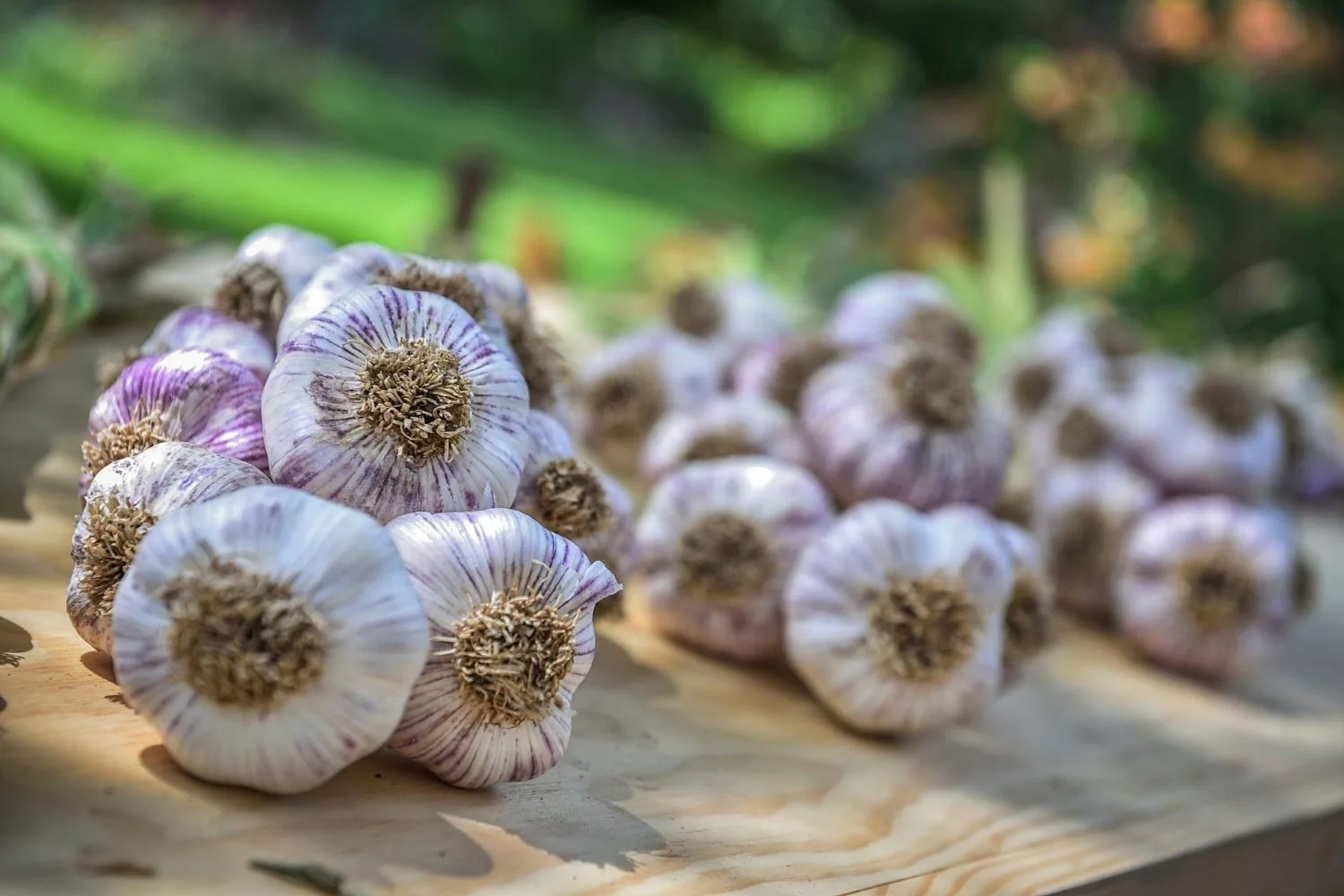
- Garlic
- Leek
- Onion
- Pak choy
- Parsnip
- Peas
- Rhubarb
- Turnip
September gardening jobs
Fertilise
- Prepare for a fabulous spring with an all-over feed of a general-purpose organic fertiliser. But don’t put more on the garden than is recommended or it will simply cost you more and your plants won’t look any better.
- Help citrus trees recover from the cool days with a serving of citrus fertiliser. It’s also a good time to check them for scale problems. A couple of fortnightly applications of horticultural oil or a soap-based spray will generally fix the problem. In cooler areas, gardenias will also benefit from a dose of fertiliser now.
- Pamper gardenias and boost bud development with fertiliser suited to acid-loving plants.
Get ready for spring weather
- Lightly trim Australian natives to keep them tidy and growing vigorously throughout spring.
- Cut back foliage of already-flowered spring bulbs – but only after bulbs die down.
- Take semi-hardwood or tip cuttings of favourite evergreen shrubs to increase numbers.
- Lift height of mower blades a few centimetres in drier areas – extra leaf blade length gives protection from sun and drying winds.
- Divide cymbidium orchids that are too big for their pots.
- Treat hedges to an early trim when the first flush of spring growth comes through.
- Encourage roses to keep on flowering by cutting away the old blooms. Once-flowering spring roses that have already bloomed can be given a good prune.
- Ease lawns back to their spring best with spray-on fertiliser.
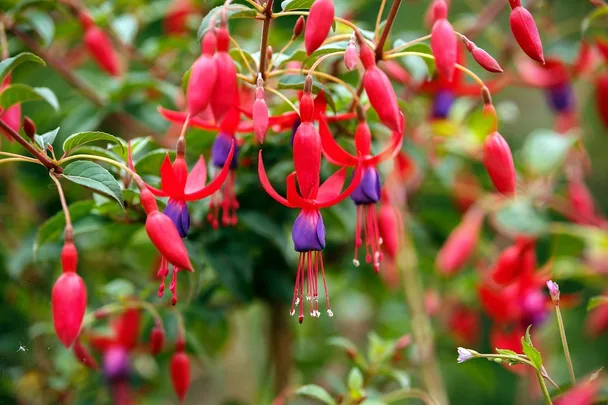
- Pinch out fuschia tips to promote bushiness.
- Prune passionfruit by a third to encourage new growth and fruiting.
- Rejuvenate tired pot plants by replacing one third to one half of the potting mix.
Protect from pests
- Place nets over berry plants such as strawberry, raspberry and blueberry to stop birds dropping by for a feast. Plant early tomatoes in a protected spot, such as a windowsill planter or a mini-greenhouse. A few of the best early tomatoes are the cherry varieties.
- Ward off peach and nectarine leaf curl, a nasty fungal disease that causes leaves to die, by spraying with a copper-based fungicide when buds begin to appear.
- Check roses for blotchy signs of black spot and, if present, spray fortnightly with rose fungicide.
Plant flowers and vegies
- Coax the kids into a sunflower-growing contest, either to produce the biggest flower or the tallest plant. Seed is best planted in well-worked soil in a sunny spot. Most major seed companies sell seed for giant varieties.
- Plant up pots of versatile petunias in complementary colours. One of the best value annuals about, petunias bloom for months; need no more than occasional deadheading, fertilising and watering; and come in an amazing range of colours and forms.
- Get a late potato crop in to supplement kitchen supplies. Plant certified seed potatoes and progressively hill up the soil around the emerging foliage, leaving just the uppermost leaves above ground. This encourages maximum yield.
- Prepare for a colourful Christmas by potting up impatiens, calibrachoas and petunias.

Related stories
Native ad body.
Sponsored by %%sponsor_name%%
Native ad body.
Sponsored by %%sponsor_name%%


Native ad body.
Sponsored by %%sponsor_name%%

Native ad body.
Sponsored by %%sponsor_name%%
