

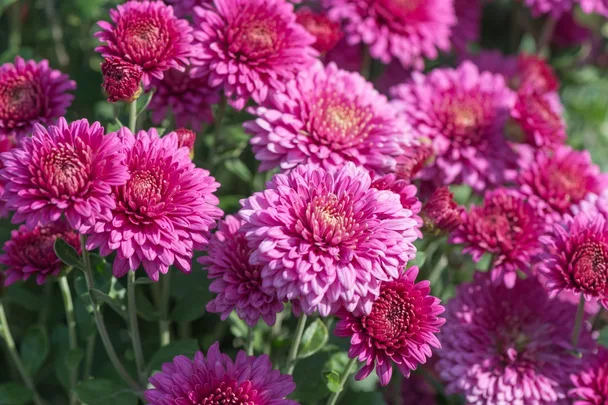
A flower synonymous with autumn and Mother’s Day, chrysanthemums bloom in shades of gold, bronze, white, pink and red and come in an array of flower types.
There’s something magical about witnessing a landscape come to life with new blossoms and gorgeous colours. If you’re hunting for a new showstopper in your garden, then look no further. Chrysanthemums, also known by their nickname “mums”, can brighten any space with their colourful blooms.
Chrysanthemums have a deep cultural significance in various parts of the world, including Japan and China, where they are associated with death and funerals. This association likely stems from the flower’s use in funeral rituals and its fall bloom, which coincides with the season of remembrance for the deceased. Regarding symbolism, chrysanthemums represent longevity, fidelity, joy, and optimism.
These gems can be used in many ways – as massed blocks of colour, combined with ornamental grasses, intermingled among shrubs, or in pots for bright splashes. Here’s a guide to start planning and planting your own.
How to grow chrysanthemums
- Light: plenty of sun (at least 6 hours of direct sunlight daily)
- Water: Keep soil moist.
- Soil: well-draining soil, ideally with a pH of 6.0–7.0
- Climate: cool to mild temperatures
- When to plant: In Australia, for zones 1–3, plant chrysanthemums in May.
- Planting depth: 7–10cm
- Spacing: 30–50cm apart
- Fertiliser: Apply balanced fertiliser in spring, then fertiliser high in potassium when buds form.
- Maintenance: Tip prune young plants for a bushier look. Remove spent flowers. Mulch soil.
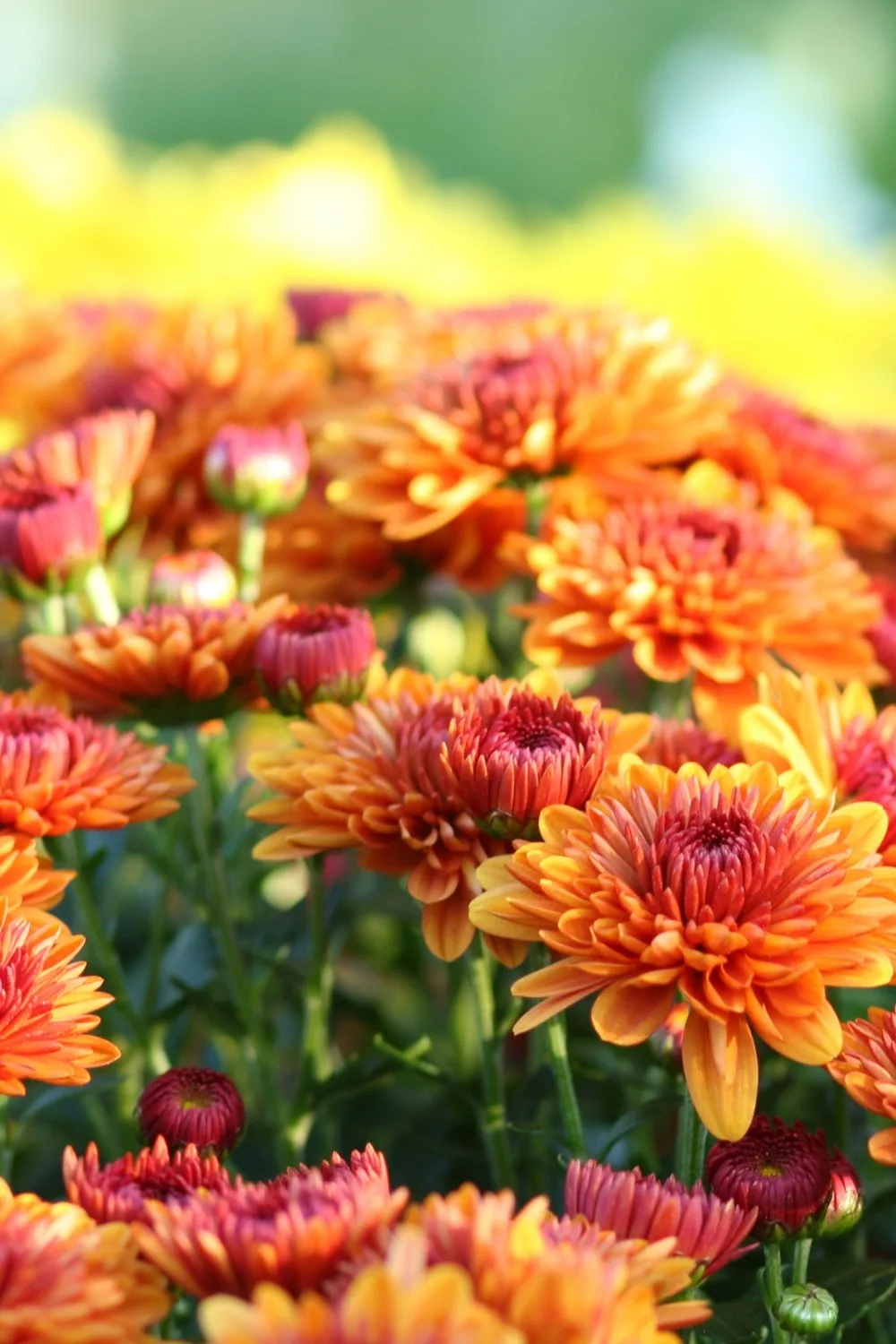
Growing chrysanthemums from a cutting
Most chrysanthemum propagation is done by dividing older plants. To propagate your own, carefully de-pot the plants in spring as their new shoots start to appear. But before replanting, remove all dead or diseased parts.
How to get bigger chrysanthemum flowers
Pinch out growing tips for a bush with many flowers when plants are 20cm tall.
To produce larger blooms, remove some of the smaller buds if the bush produces many buds. This way, your plant will produce fewer but larger flowers.
Ideal chrysanthemum growing conditions
Do chrysanthemums need full sun?
Chrysanthemums need plenty of sunshine to grow. Look for sunny spots in your garden that do have protection from wind. Aim for at least 6 hours of direct sunlight each day for the best flowering results.
Chrysanthemum climate
Chrysanthemums grow best in cool to mild temperatures but will still grow in the milder subtropics.
Best soil type for chrysanthemums
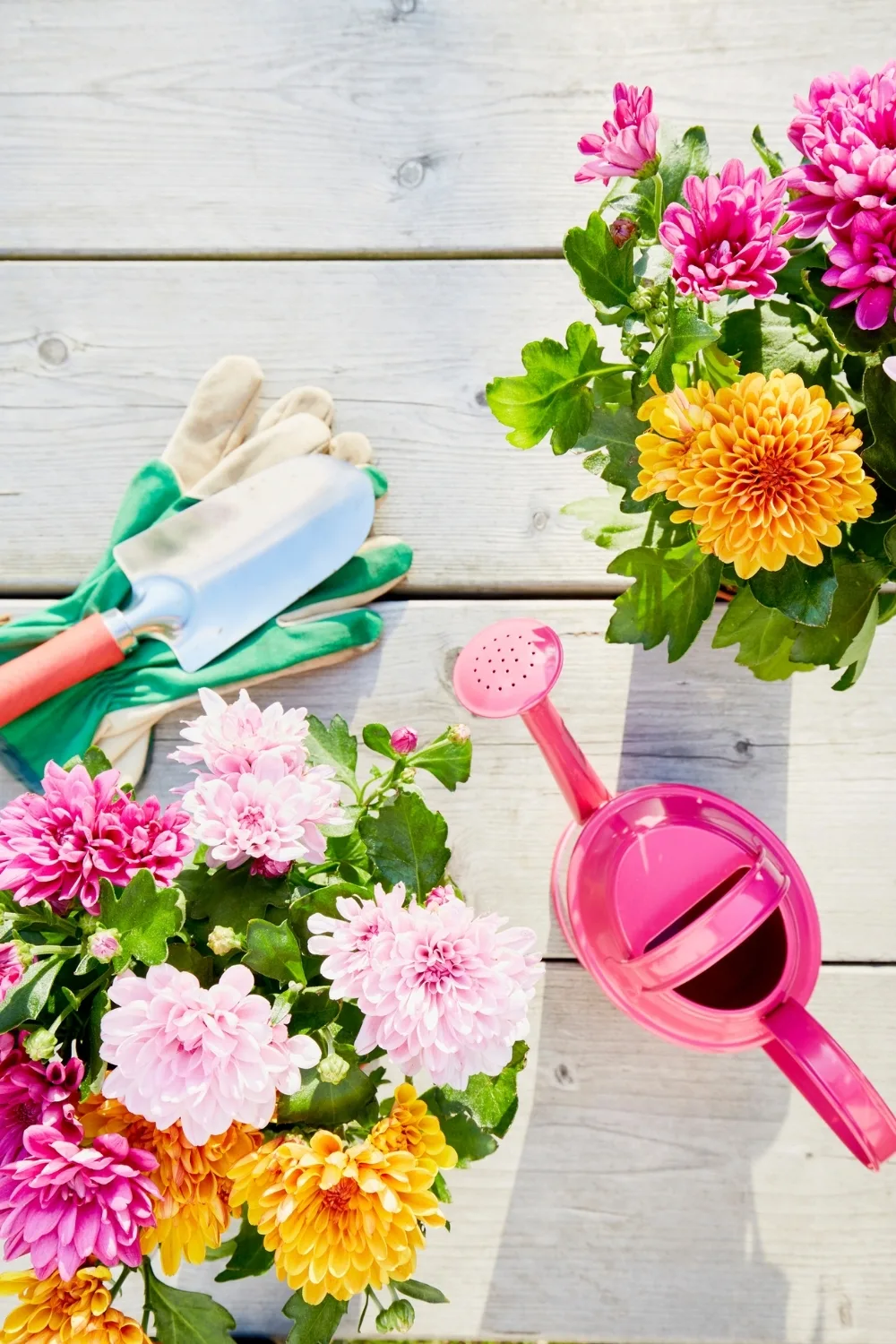
Ensuring good drainage is essential as chrysanthemums don’t like having wet feet. They thrive in almost any soil type, which you can improve with compost or other organic matter. If growing in containers, opt for a premium potting mix. Aim for a soil pH of 6.0–7.0 for optimal growth. A simple pH testing kit from your local nursery or hardware store can help you check and adjust the pH as needed.
How much water do chrysanthemums need?
Water the soil well in summer, but keep chrysanthemums dry, as they are susceptible to mildew. Watering the soil in the morning, not the evening, is also recommended. If you overwater the leaves, they may get rust and develop small yellow pimples. Remove the affected leaves or, if it’s serious, use a copper or sulphate spray.
How to fertilise chrysanthemums
Feed them with a liquid fertiliser every six weeks to encourage blooms. For a slow-release option, work a balanced granular fertiliser into the soil at planting time. Avoid high-nitrogen fertilisers once buds begin to form, as this can reduce flowering.
Pest control for chrysanthemums
Snails, slugs and aphids love chrysanthemums. They’re easy to remove by hand, but if the number of aphids gets out of control, spray them with an organic horticultural oil.
- Pinch out growing tips for a bush with many flowers when plants are 20cm tall.
- To produce larger blooms, remove some of the smaller buds if the bush produces many buds. This way, your plant will produce fewer but larger flowers.
- If you overwater the leaves, they may get rust and develop small yellow pimples. Remove the affected leaves or, if it’s serious, use a copper or sulphate spray.
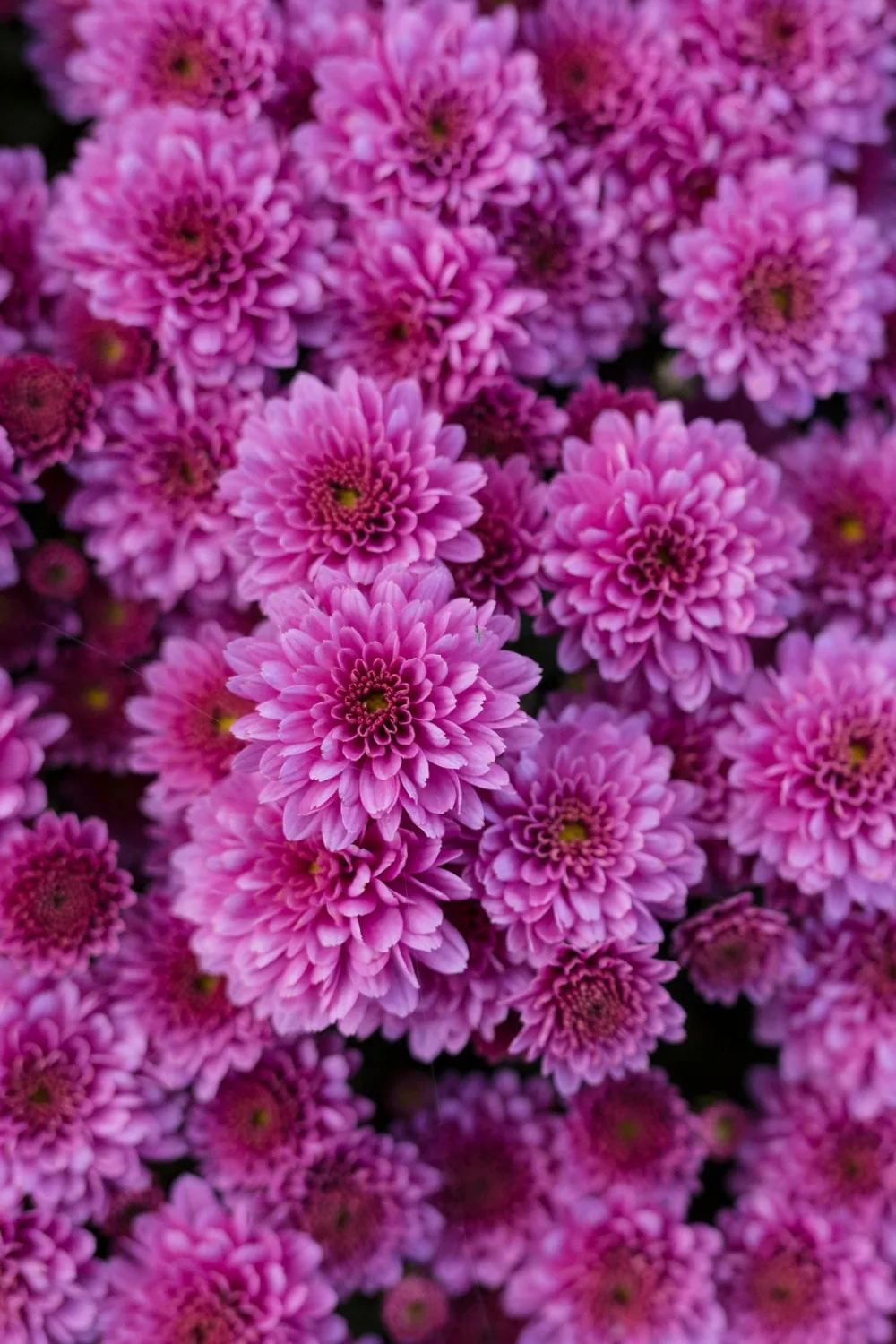
Types of chrysanthemums to grow in Australia
Disbud chrysanthemums
These produce one large, impressive bloom per stem. Growers remove side buds to direct all the plant’s energy into a single flower, making them a favourite for florists and statement arrangements.
Spray chrysanthemums
Unlike disbuds, these grow multiple smaller flowers on each stem. They’re commonly used in bouquets and are great for adding volume and texture in the garden.
Pompon chrysanthemums
Compact and perfectly rounded, these small, ball-shaped blooms look like little buttons. They’re ideal for borders, pots, and neat, structured displays.
Spider chrysanthemums
Known for their dramatic, spiky appearance, these have long, thin petals that curl or twist. They add a striking, modern look to both gardens and floral arrangements.
Anemone chrysanthemums
These feature a raised, cushion-like centre surrounded by flatter outer petals, creating a soft, textured look that stands out in mixed plantings.
Where to plant chrysanthemums in your garden
As a shrub in your front garden, chrysanthemums will welcome you with their bright blooms as you walk up your path. Get one chrysanthemum, and you’ll want more – in colours that range from pure white to deep burgundy, mellow yellow to bold bronze, palest pink to riotous red, and cream to lime green. Then there are the shapes, ranging from complex petal curls to the simplest daisy. All of which spells happiness on a stick.
Chrysanthemums make an excellent bedding plant and can be grown in the ground almost anywhere. Just remember to avoid clay or sandy soil.
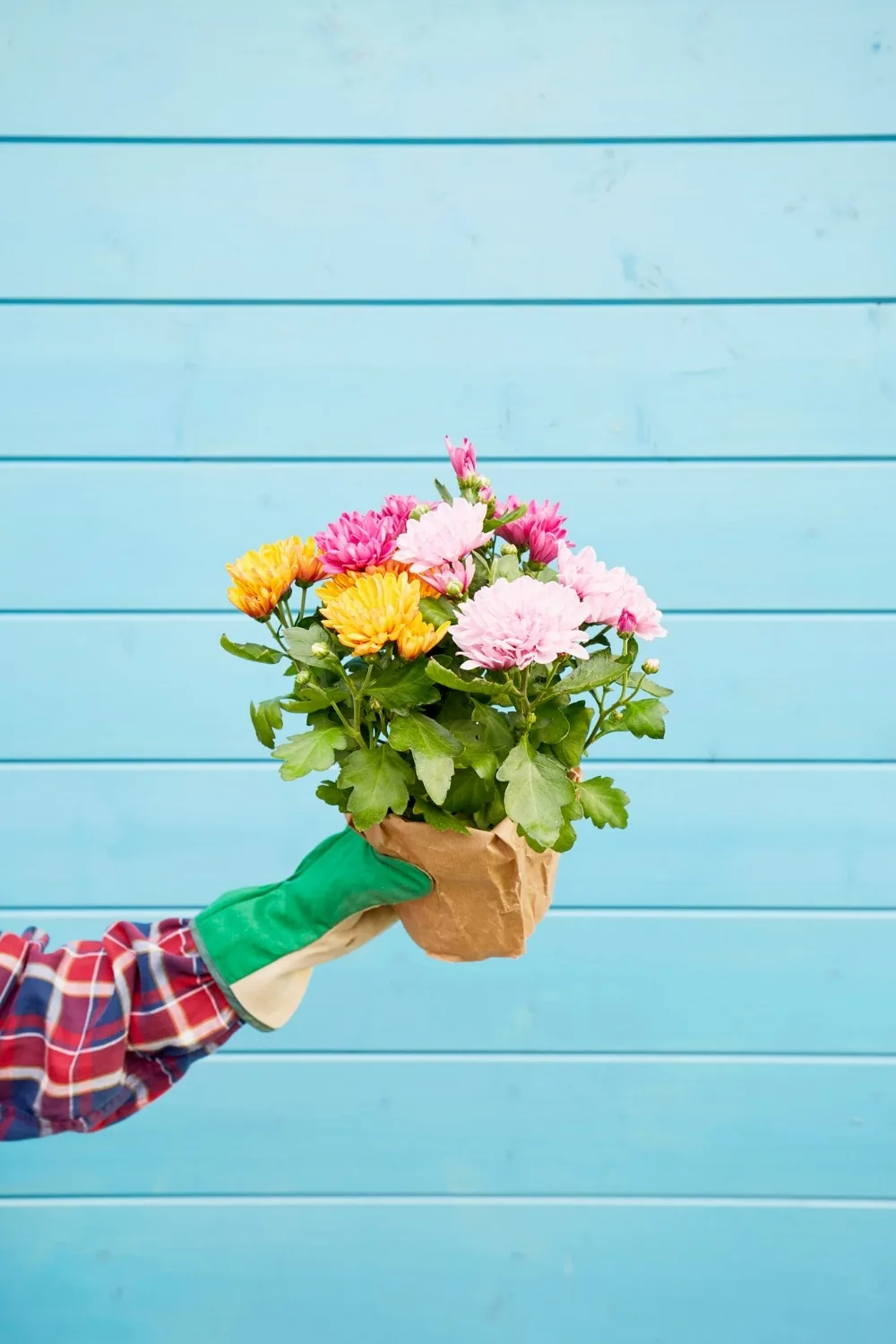
How to grow chrysanthemums in containers
- Place in a well-lit position.
- Water the potting mix, not the leaves.
- Don’t overwater – an indoor plant doesn’t need as much as one in the garden.
- Remove dead flowers and leaves.
Chrysanthemums and Mother’s Day in Australia
In Australia, chrysanthemums hold a special place as the traditional Mother’s Day flower. The timing is perfect: Mother’s Day falls in May, which coincides with the peak of autumn chrysanthemum season, making “mums for Mum” a natural fit.
If you’re giving a potted chrysanthemum for Mother’s Day, choose a plant with lots of buds that haven’t opened yet. This will give you more weeks of colour. Put the pot somewhere bright but not in the hot afternoon sun, water the soil instead of the leaves, and pick off old flowers to help new ones grow.
After the flowers are gone, you can trim the plant and put it in the garden. It will usually come back next autumn.
“My chrysanthemum looks dead — but it isn’t”
One of the most common chrysanthemum mistakes is throwing out a plant that’s actually fine. After flowering, chrysanthemums can look rough: stems blacken, leaves shrivel, and the whole plant seems to collapse. Many gardeners assume they’ve killed it.
They haven’t.
Chrysanthemums are perennial, so the roots stay alive even when the top growth dies back. The fix is counterintuitive but simple: cut the plant back hard, right down to a few centimetres above the soil, and leave the roots in place. Then wait. It can take weeks or even months, but new shoots will emerge from the base in spring.
If your mum is in a pot, plant it in the garden after cutting back. In-ground plants regrow more reliably than those left in containers over winter.
Chrysanthemums FAQ
Chrysanthemums typically bloom in autumn (March to June) in Australia. This makes them one of the most reliable sources of colour in the autumn garden, and perfectly timed for Mother’s Day in May.
Yes, chrysanthemums are toxic to cats and dogs. They contain pyrethrins and other compounds that can cause vomiting, diarrhoea, drooling, and skin irritation in pets if ingested. Contact your vet immediately if you suspect your pet has eaten chrysanthemum leaves or flowers.
In most Australian climates, chrysanthemums are perennial and will return each year if cut back after flowering and given a well-drained position. In cooler climates (zones 1–2), they may die back in winter but re-shoot in spring.
Yes, but it’s not the most common method. Most gardeners propagate chrysanthemums by dividing established clumps or taking cuttings in spring. Growing from seed can produce variable results, and named varieties will not come true from seed.

