
 Image: Rachel Claire via Pexels
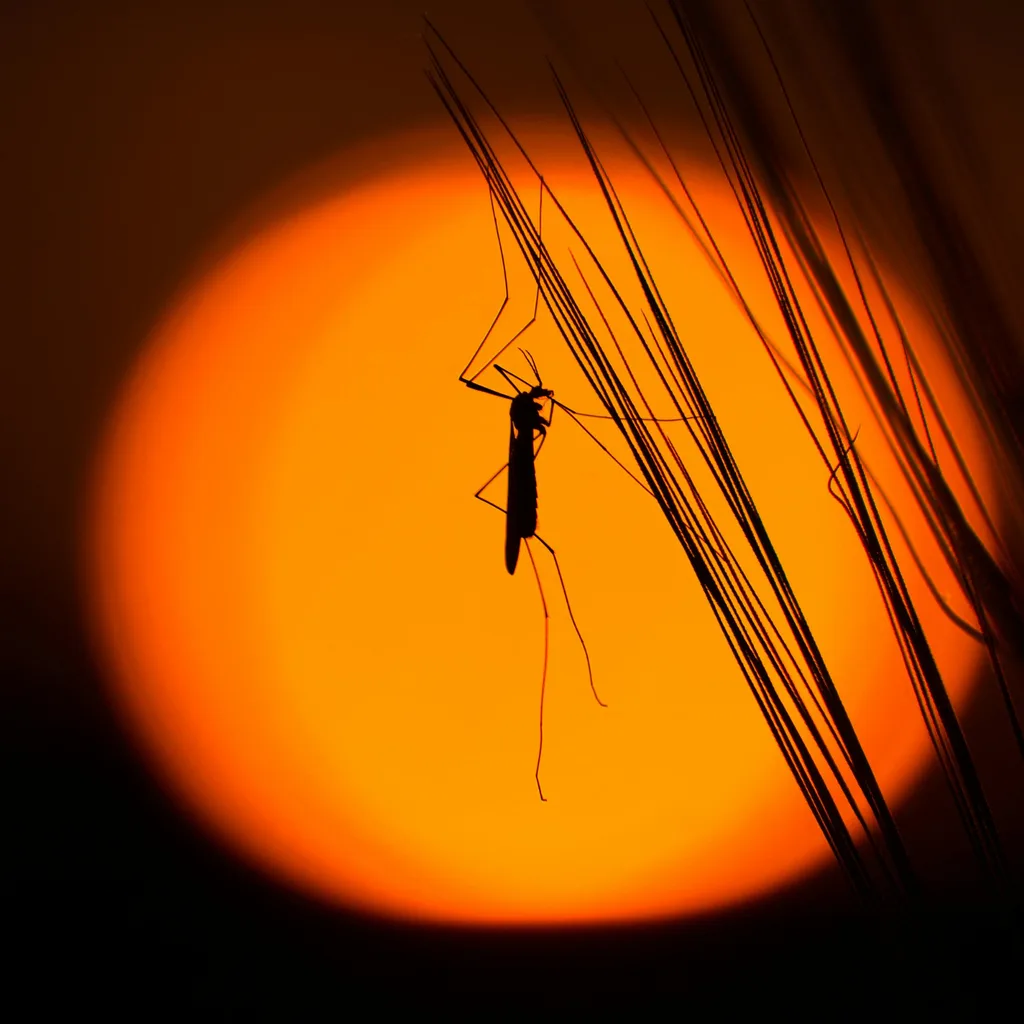
As the weather gets warmer and the peak of summer nears, NSW Health are urging us to stay protected against pesky mosquitoes this season. But what makes this warning any different from previous years?
Following earlier-than-expected detections this month of two mosquito-borne viruses that can cause brain swelling, NSW Health’s Director of Health Protection, Dr Stephen Conaty, says it’s a bit concerning.
Where were the early detections?
The first detection of Japanese Encephalitis virus in mosquitoes for the 2025-2026 season was detected in the last week of November in mosquitoes collected from the Horsham Rural City Council region in Victoria.
Another mosquito-borne virus, Kunjin virus, has also been detected in Western NSW at Cowra, through a sentinel chicken blood sample on 20 November 2025 as part of NSW Health’s routine surveillance.
“Mosquito numbers will likely increase with warmer weather, and we remind everyone in NSW to protect themselves against mosquito bites, which can cause diseases such as Japanese Encephalitis and Murray Valley Encephalitis, and infection with Kunjin virus, Ross River virus and Barmah Forest virus,” Dr Conaty says.
Mosquito numbers will likely increase with warmer weather, and we remind everyone in NSW to protect themselves against mosquito bites…
Dr Stephen Conaty, Director of Health Protection, NSW Health
Which LGAs are considered high risk?
Currently, 60 LGAs are considered at higher risk of Japanese Encephalitis virus. Residents and travellers to Lismore, Richmond Valley and Kyogle LGAs should take particular care to avoid mosquito bites.
Below are the LGAs of high JEV concern:
- Albury
- Balranald
- Berrigan
- Bland
- Bogan
- Bourke
- Brewarrina
- Broken Hill
- Cabonne
- Cootamundra-Gundagai
- Cowra
- Carrathool
- Central Darling
- Cobar
- Coolamon
- Coonamble
- Dubbo Regional
- Edward River
- Federation
- Forbes
- Gilgandra
- Glen Innes Severn
- Goulburn Mulwaree
- Greater Hume
- Griffith
- Gunnedah
- Gwydir
- Hay
- Hilltops
- Inverell
- Junee
- Kyogle
- Lachlan
- Leeton
- Lismore
- Liverpool Plains
- Lockhart
- Mid-Western
- Moree Plains
- Murray River
- Murrumbidgee
- Orange
- Narrabri
- Narrandera
- Narromine
- Parkes
- Richmond Valley
- Tamworth
- Temora
- Tenterfield
- Unincorporated Far West Area
- Upper Hunter
- Upper Lachlan
- Uralla
- Wagga Wagga
- Walgett
- Warren
- Warrumbungle
- Weddin
- Wentworth
Is there a free JE vaccine?
“There is a safe, effective and free vaccine to protect against Japanese Encephalitis (JE). This vaccine is free to anyone who lives or routinely works in these 60 LGAs west of the dividing range and in northern NSW, and for people who work in some other high-risk occupations.”
Where can I get the JE vaccine?
JE vaccine is available through General Practitioners, Aboriginal health services and pharmacists. People who meet the eligibility criteria should make an appointment in advance and let the provider know it is for the JE vaccine. These providers may require a few days’ notice to order the vaccine and may charge a consultation fee.
A booster dose may be recommended for some people with an ongoing risk of exposure, one to two years after completing their primary course.
How to prevent mosquito bites
Other than the JE vaccine, there is no vaccination or specific treatment for Kunjin virus or other mosquito-borne diseases in Australia. The best way to avoid infection is to avoid being bitten by mosquitoes, which are more active between dusk and dawn.
Below are some handy tips to keep in mind to avoid getting bitten by mosquitoes altogether:
- Apply repellent to exposed skin. Use repellents that contain DEET, picaridin, or oil of lemon eucalyptus.
- Reapply repellent regularly (as directed on the label), especially after swimming. Remember to apply sunscreen before repellent.
- Protect your skin by covering up. Wear light, loose-fitting long-sleeve shirts, long pants, socks and covered footwear
- Avoid going outdoors during peak mosquito times, especially dawn and dusk
- Use insecticide sprays, vapour dispensing units and mosquito coils to repel mosquitoes (mosquito coils should only be used outdoors in well-ventilated areas)
- Cover windows and doors with insect screens
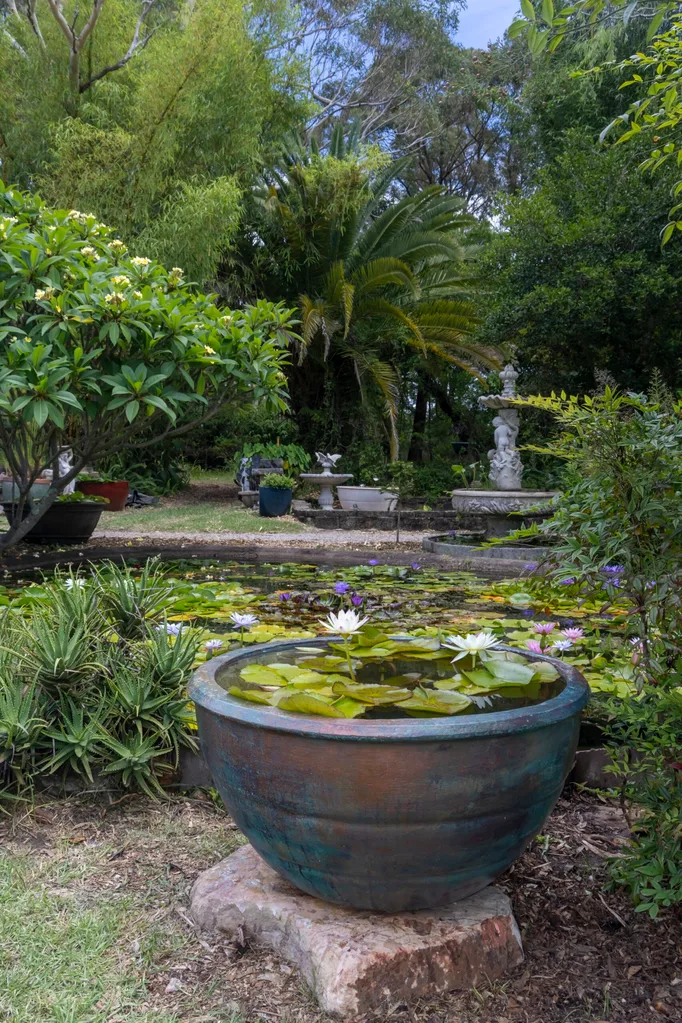
- Remove items that may collect water (such as old tyres and empty planters) to reduce the places where mosquitoes can breed
- If you have kids, always check that the insect repellent you’re using is kid-friendly.
- If you have infants at home, use an infant carrier draped with mosquito netting. Ensure they are secured on the edges.
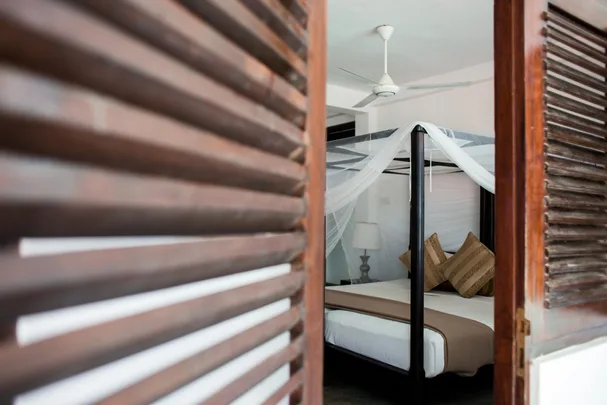
- If you’re camping, use a tent with fly screens to keep mosquitoes out, or sleep under a mosquito net.
What are the best mosquito repellents to buy?
Luckily, we’ve prepared for this exact situation – read our guide for the best mosquito repellents to buy.
For more tips on how to get rid of mosquitoes, read our guide here. You can also go the extra mile and invest in a few mosquito-repelling plants in your backyard. If you’re suspicious that there’s a single mosquito that’s snuck into your room, here’s how to track it down cleverly before it gets to you (especially in the middle of the night).

Related stories

Native ad body.

Native ad body.

Native ad body.