
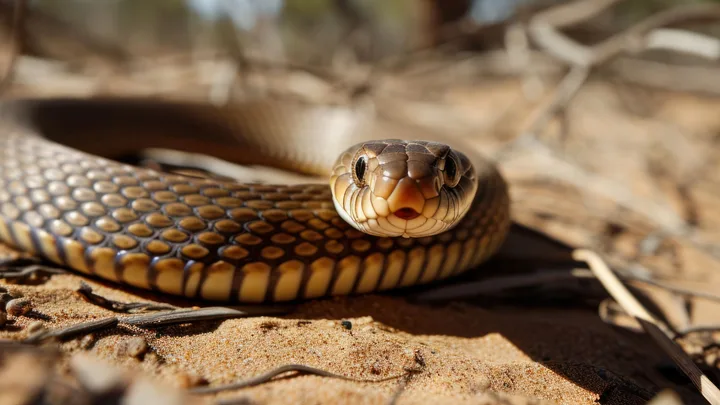
Australians are being warned not to rely on electronic snake repellents to protect their homes, with experts saying there is little evidence the devices work despite being widely marketed to homeowners.
Chris Williams, president of the Australian Herpetological Society, says solar-powered snake repellents have not been proven to keep snakes away and may create a false confidence, especially with regards to pets and children, and make people less careful.
The warning comes amid ongoing concern about snake encounters around homes – more than half of fatal snakebites in Australia occur in or near the home.
Current research continues to examine how snakes respond to sound and vibration, with reviews concluding there is insufficient high-quality evidence to determine whether ultrasonic snake repellent devices are effective.
KEY TAKEAWAYS
- Little published evidence shows solar-powered snake repellents keep snakes out of backyards.
- Research shows snakes can detect certain sounds and vibrations, but commercial repellent devices have not been proven to keep snakes away.
- Experts say the best way to reduce the risk of snakes around your property is to remove food sources and shelter, and keep lawns maintained.
Why they can create a false sense of security
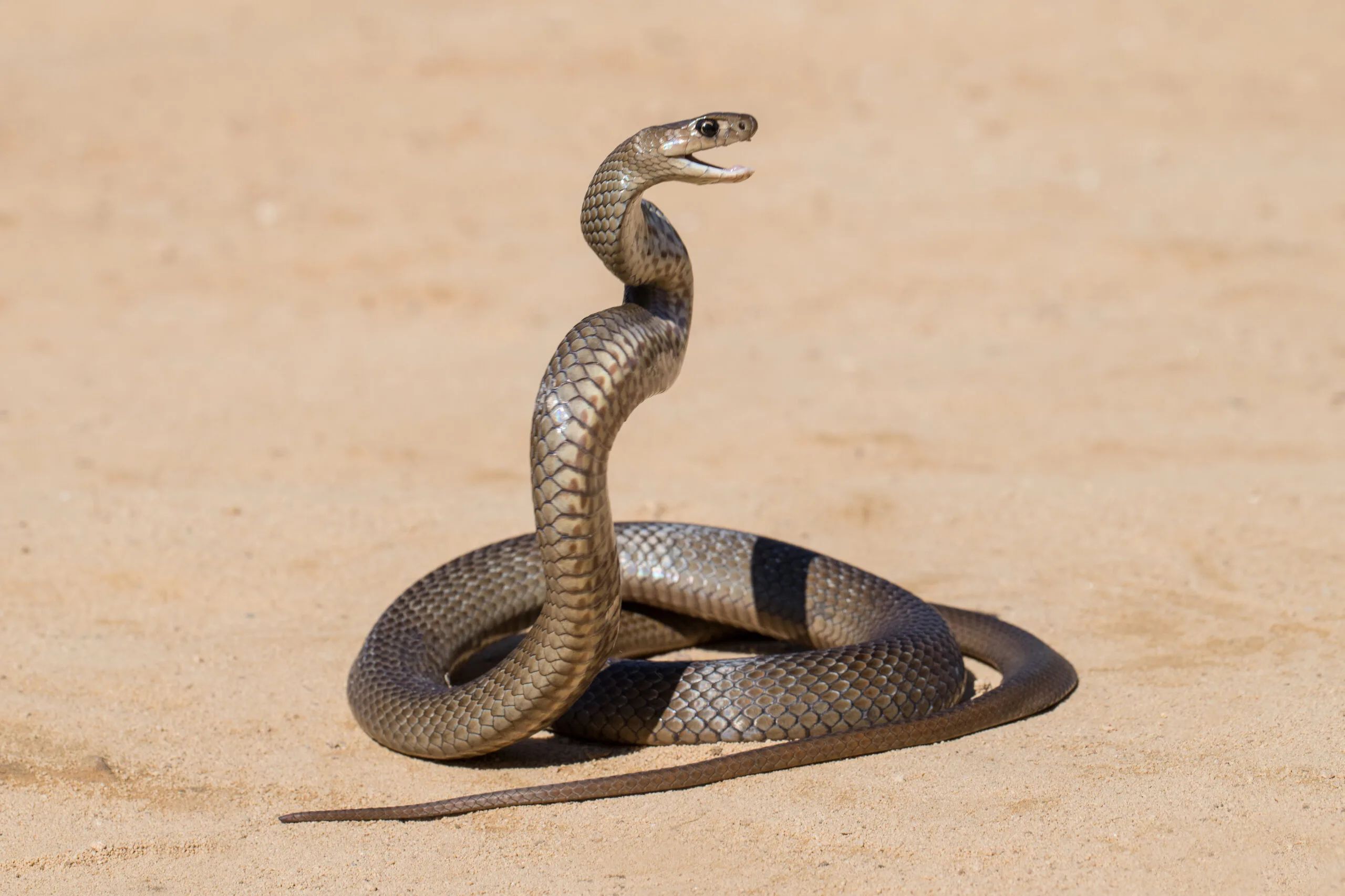
“I think that’s their biggest problem,” said Williams, who also works full-time as a snake catcher across Sydney with Urban Reptile Removal. “People install these devices believing they’ve protected their family and pets, when there’s no evidence they provide any protection at all.”
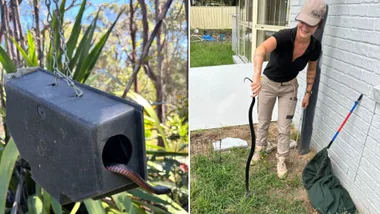
“I’ve been to plenty of properties where the owners have installed these repellents, sometimes several of them, and found a snake sitting quite comfortably in the area that was supposedly protected.”
Just because you haven’t seen a snake doesn’t mean a repellent is working.
“Most suburban homes don’t have a steady stream of snakes coming through,” said Williams. “Plenty of people go years without seeing one. So someone puts in a repellent, doesn’t see a snake for three years, and decides it’s doing a magnificent job. But who’s to say a snake would have turned up in those three years anyway?”
He joked that the outdoor furniture or the Hills hoist could just as easily be keeping the snakes away. “There’s exactly as much evidence for the Hills hoist as there is for the repellent, which is to say: none.”
Why people are buying them now
There are around 3,000 snakebites in Australia each year, leading to about 550 hospitalisations and an average of two deaths, according to figures cited by the Royal Flying Doctor Service.
Additionally, research from the University of Melbourne found that more than half of fatal bites occurred in or near the home, mostly in the warmer months.
That risk has created a ready market for solar-powered snake repellents: small stakes pushed into the lawn that claim to send pulses and vibrations through the soil to drive snakes away. They are widely sold online, often in multipacks for around $50.
Williams is sceptical they could work as claimed. “Many of the solar versions run off a panel barely bigger than a postage stamp, much like the ones in cheap solar garden lights,” he told Better Homes and Gardens.
“And even if a snake could feel it, why would it care? A lawnmower going past, or a truck in the street, produces far more vibration than a little stake in the garden bed.”
What the research says
Little published evidence shows the devices work as advertised.
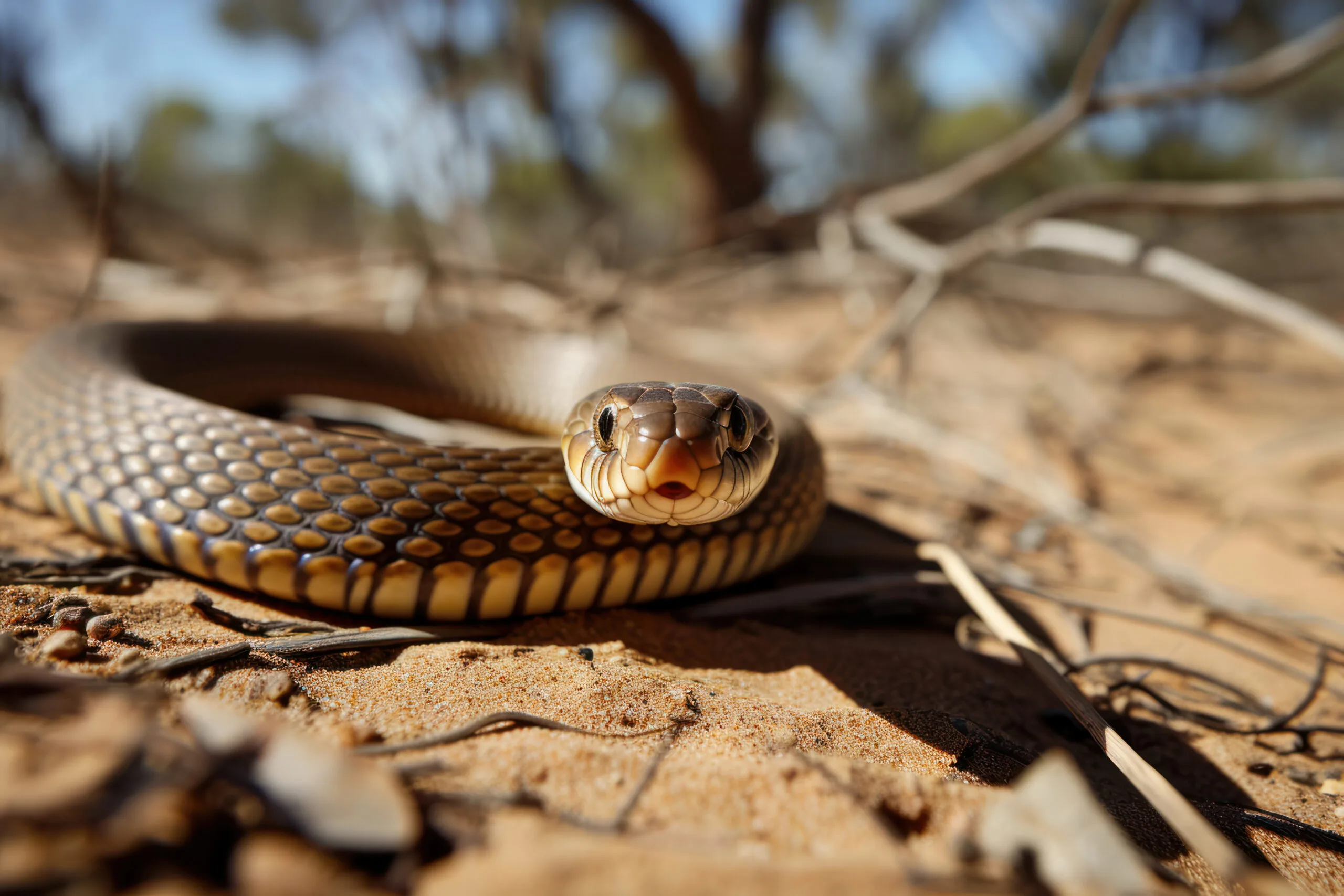
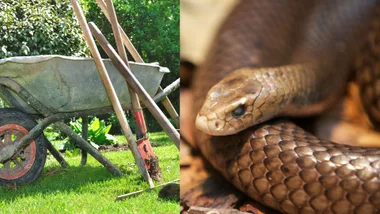
A 2023 University of Queensland study, published in PLOS ONE, found snakes can detect airborne sound as well as vibrations through the ground. It overturned the long-held belief that snakes are effectively deaf.
Led by Dr Christina Zdenek, the researchers played low-frequency sounds to 19 snakes in a soundproof room and found their reactions depended heavily on the species. Taipans, brown snakes and death adders were more likely to move away from the sound, while woma pythons tended to move towards it.
But the study did not test any commercial repellents or whether sound-emitting devices can keep snakes out of yards.
A 2026 opinion article in Frontiers in Public Health concluded there was insufficient high-quality evidence to determine whether ultrasonic snake repellents are effective.
Some of the marketing doesn’t add up either. Some products marketed as ultrasonic list frequencies of around 400 hertz in their specifications. Ultrasound begins at about 20,000 hertz.
“If a company is selling a product that supposedly protects your family and pets from potentially deadly snakes, the burden of proof is on them,” Williams said. “Testimonials and marketing claims aren’t evidence.”
The ACCC
Under Australian Consumer Law, businesses must not make false or misleading claims about their products, and the Australian Competition and Consumer Commission (ACCC) can require businesses to back up their claims.
The watchdog has previously acted on electronic pest repellers. More than a decade ago, Danoz offered refunds to customers and gave court-enforceable undertakings after the ACCC raised concerns that the claims associated with its plug-in insect and rodent pest devices were false and misleading.
What actually keeps snakes away
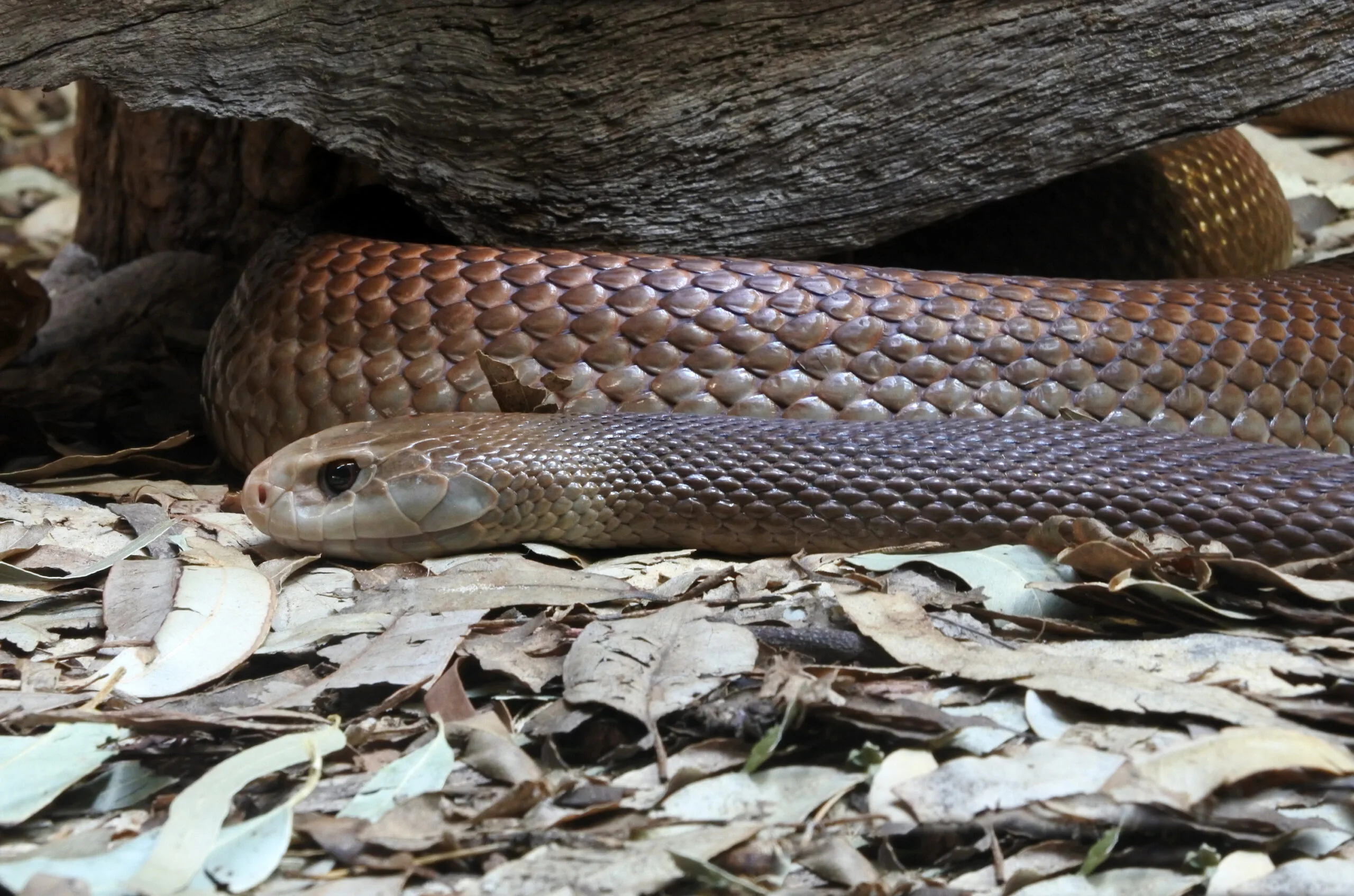
Snake catchers say the best protection isn’t a gadget, but a tidy yard.
“Snakes come into gardens looking for food, shelter and the right temperature, or they’re simply passing through,” said Williams.
He recommends keeping lawns maintained, clearing away stacked building materials and garden rubbish, controlling rodents and blocking access under houses and decks.
“Chicken coops, aviaries and pet food left outside attract rodents, and rodents attract snakes,” he explained.
For properties with recurring problems, properly installed and maintained snake-proof fencing can be an effective barrier.
“There’s no way to guarantee a garden will be snake-free, particularly in suburbs backing onto bushland, but sensible property management will do far more than any electronic repellent,” he adds.
His advice is simple: “Save your money.”
“I think the manufacturers have done a far better job of repelling money from people’s wallets than repelling snakes from their gardens.”

Related stories
Native ad body.

Native ad body.

Native ad body.