
Sustainability might seem innovative and trendy, but I’d argue that living sustainably often means taking a few steps backwards. When I think of my sustainability idol, it’s my Grandma. She didn’t do it to be seen as an eco-warrior but because it made financial and planetary sense. She was the one washing out and reusing her yoghurt containers, she had my brother and I sloshing around in the bath with kitchen utensils and never ever did leftovers go into the bin, that’s where her famous mystery pies came from.
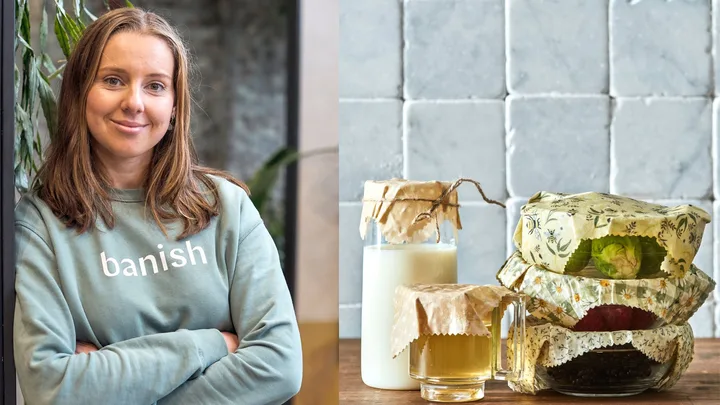
As founder of sustainability company Banish, I often hear “I want to live sustainably, but it costs too much money”. In my experience, living sustainably can be a whole lot easier AND can help you save a ton of money while you’re at it.
So let’s scratch the surface and dive into a couple of planet-positive swaps that won’t break the bank. They are all tips inspired by my grandma.
1. Break up with cling film
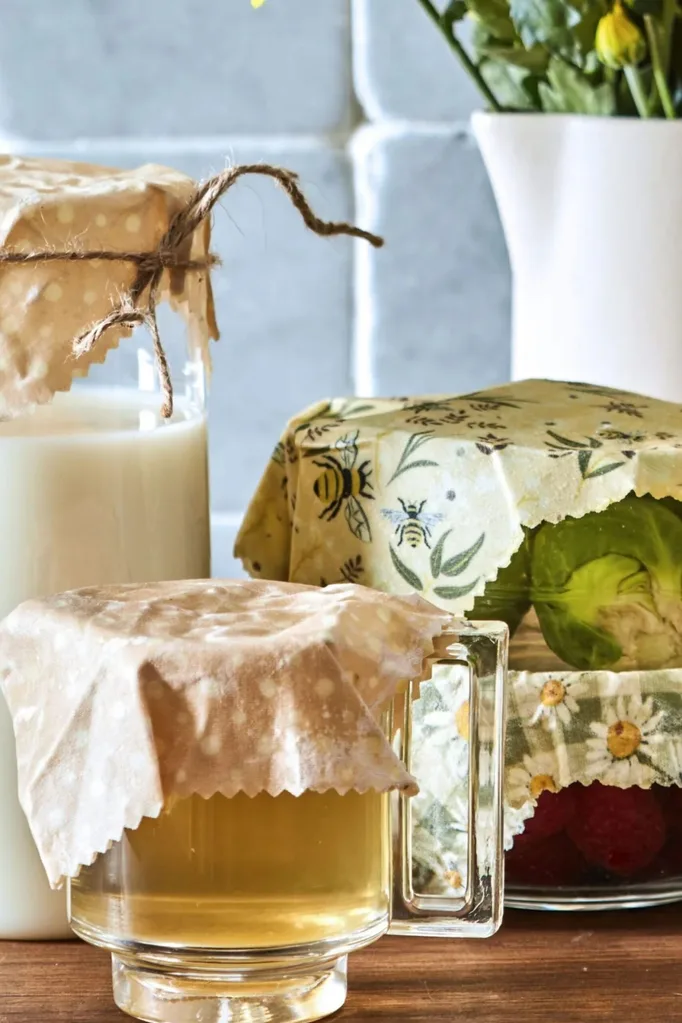
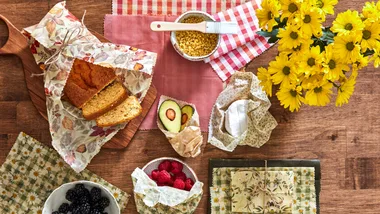
Use once, here forever. Plastic cling film takes hundreds of years to break down, so switch to beeswax wraps. They are simply cotton fabric covered in beeswax, and they work by using the warmth of your hands to mould and shape the beeswax wraps to cover (almost) anything! Think halves of avocados, ends of bread, and odd-shaped bowls. And don’t overcomplicate it with matching Tupperware; leave your leftovers in the bowl and cover with a plate. You can make your own beeswax wraps (see QR code) or buy online.
Cost per use: Cling film $5.25 for 60m vs $10 for one beeswax wrap that lasts months.
2. Rethink paper towels
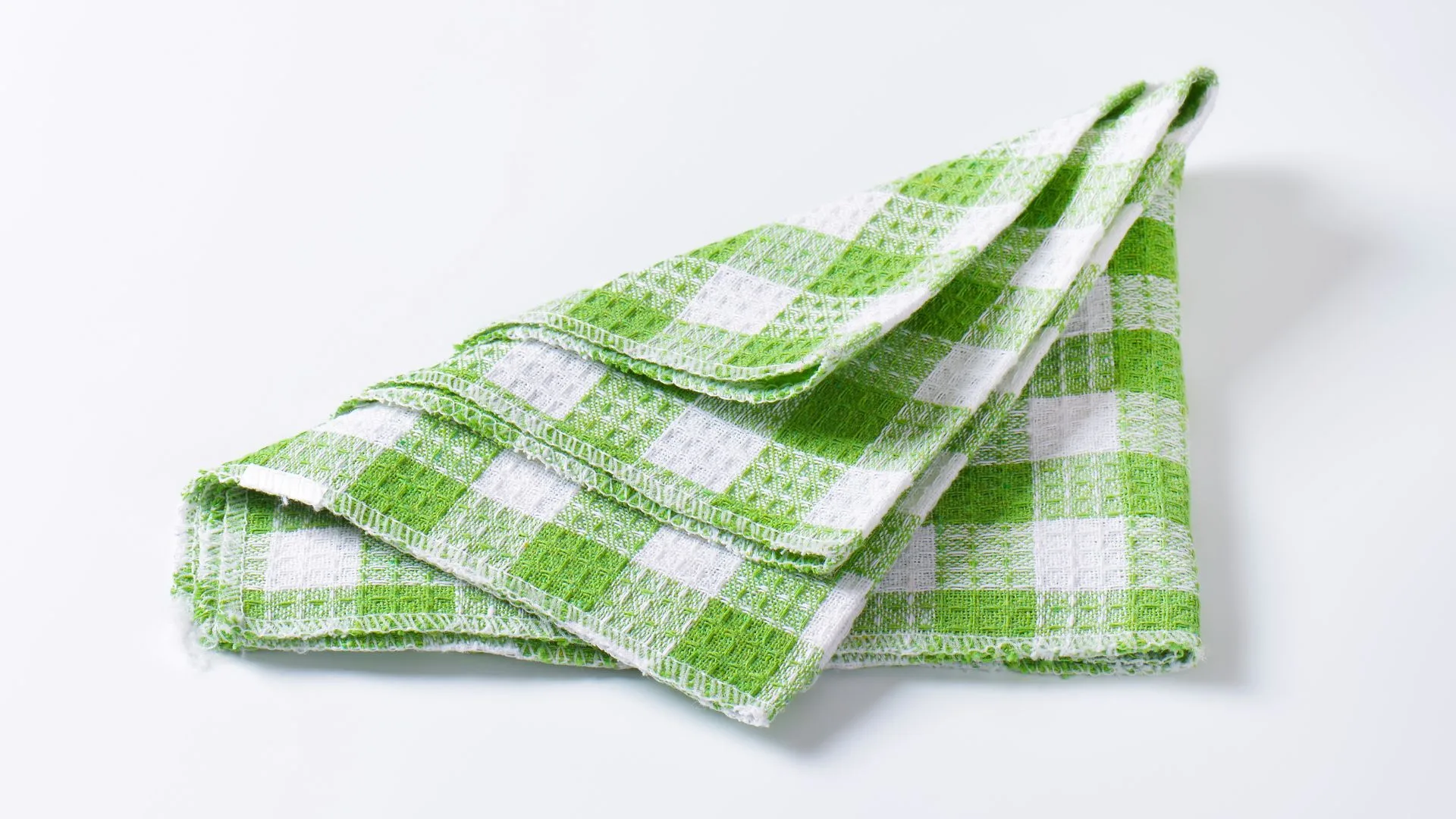
Paper towels only rose to fame and solidified their spot in supermarket aisles in the last 50-odd years. Before that? Tea towels, napkins and cloth wipes were the norm. The name of paper towels is misleading – they often contain plastic. Switch back to fabric tea towels, and once you’ve finished one, simply rinse, wash, and repeat.
Cost per use: Paper towels $1.83 per roll of 180 is 1 cents a piece. Tea towels are about $4 each, so only 400 wipes are needed or 3 months of use for the same cost. And we all know tea towels can last for years!
3. One way to skip microplastics
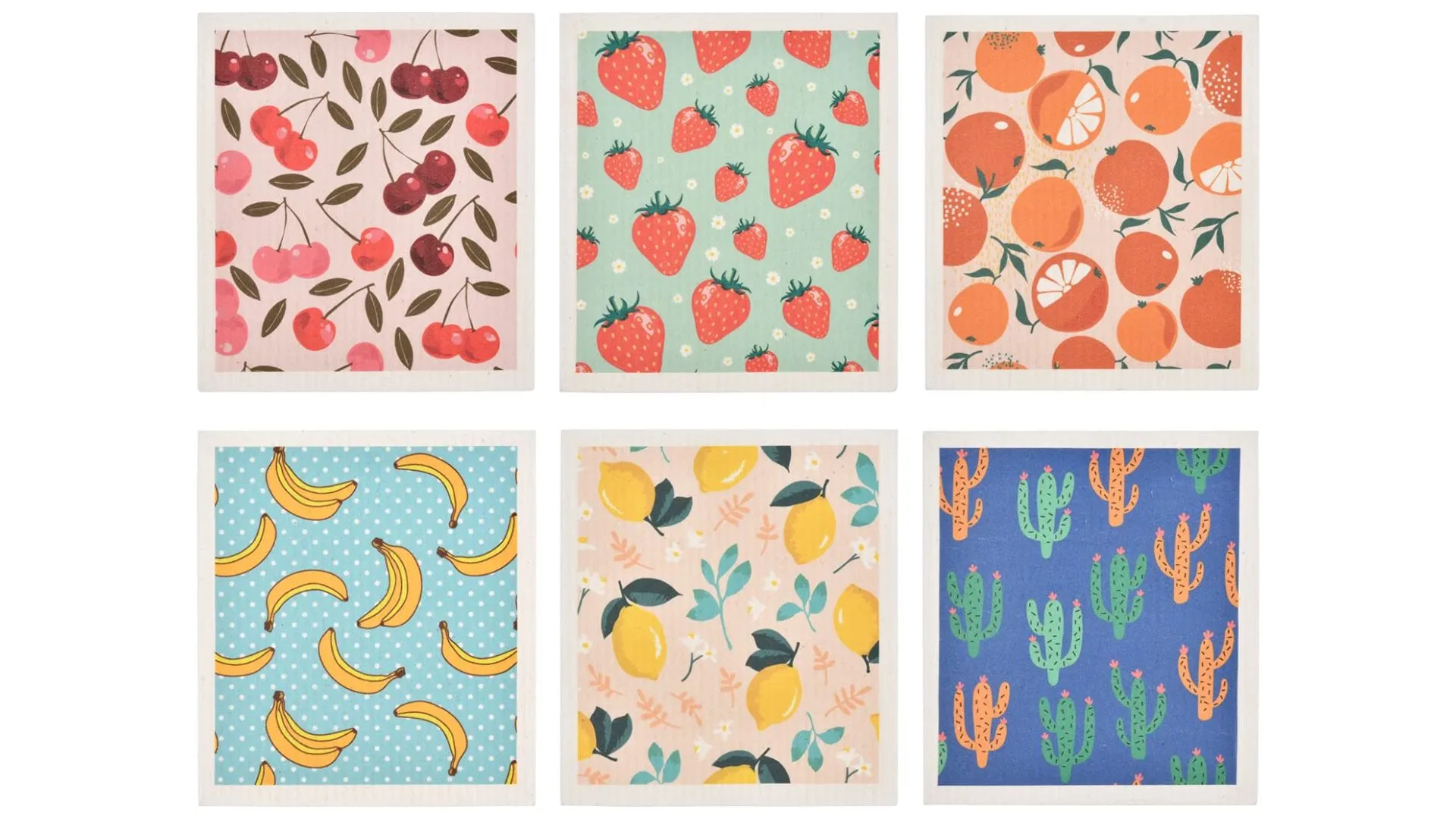
You probably don’t realise it, but your sponges and dishcloths are made from plastics, which means every time you rinse and wring them out, tiny fragments of microplastics break off and enter our waterways, a risk to our ecosystems and health. Swedish dishcloths, on the other hand, are made from plant fibres. Once they’re dirty, simply wash them with your tea towels and use again and again before popping them in the compost bin.
Cost per use: Chux wipes $0.49 for one which lasts 1 week, Swedish dishcloths about $5 each and you can reuse for up to six months.
4. There are better ways to bake
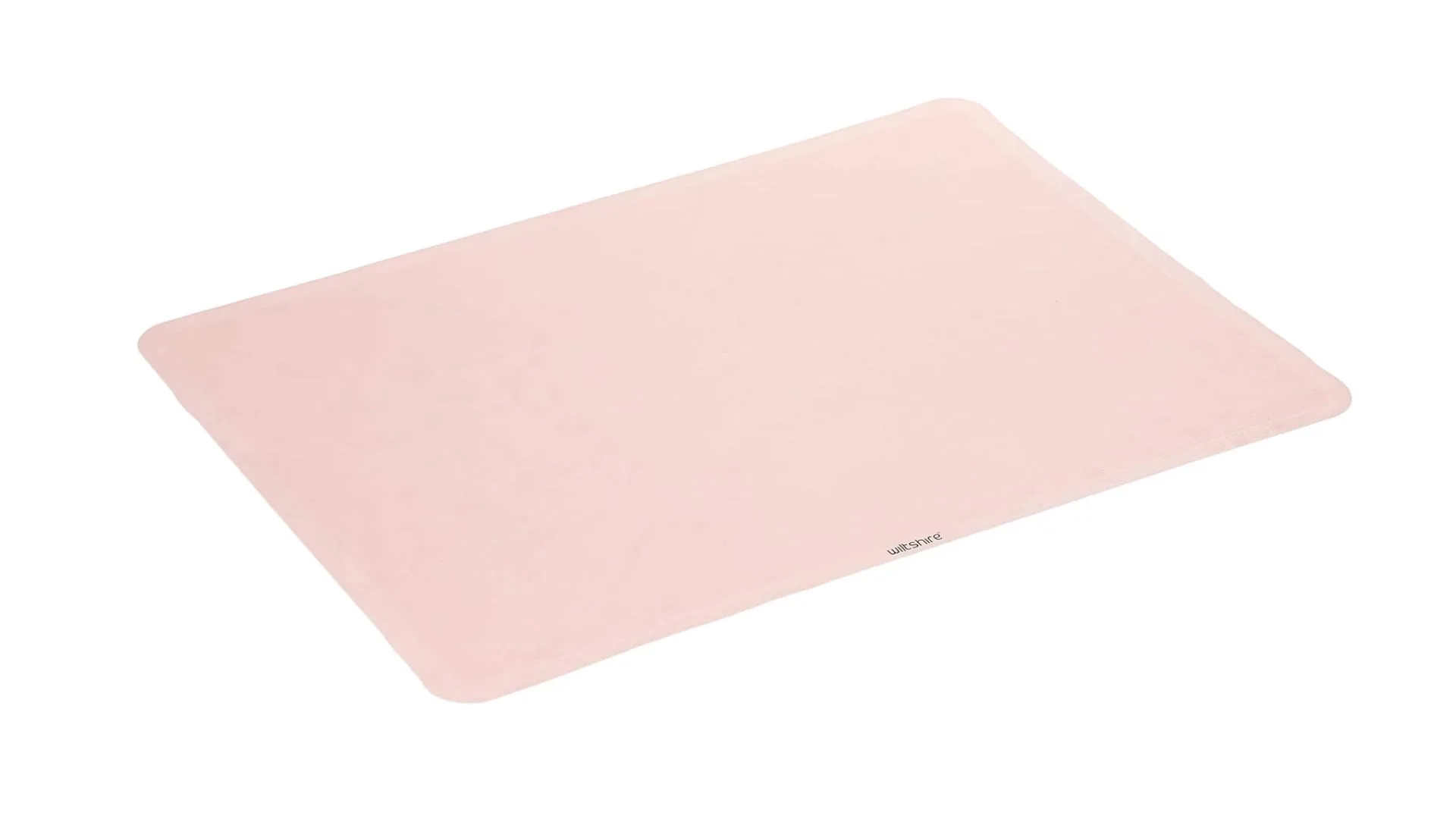
Baking paper unfortunately isn’t recyclable and creates a lot of waste! Skip single-use baking paper and bake straight in the pan with oil or butter, or use a silicone baking mat.
Cost: Baking paper costs around $6 per 25m roll, and how long it lasts depends on how often you use it. A silicone mat costs about $14.95 and lasts for years.
5. Store smarter
One of the biggest wins for our planet and your wallet is reducing your food waste. The average Aussie household throws away between $1,500 and $2,000 worth of food each year, according to OzHarvest. That’s not only a waste of money; when your forgotten lettuce and bendy carrots go to landfill, they create a toxic greenhouse gas called methane.
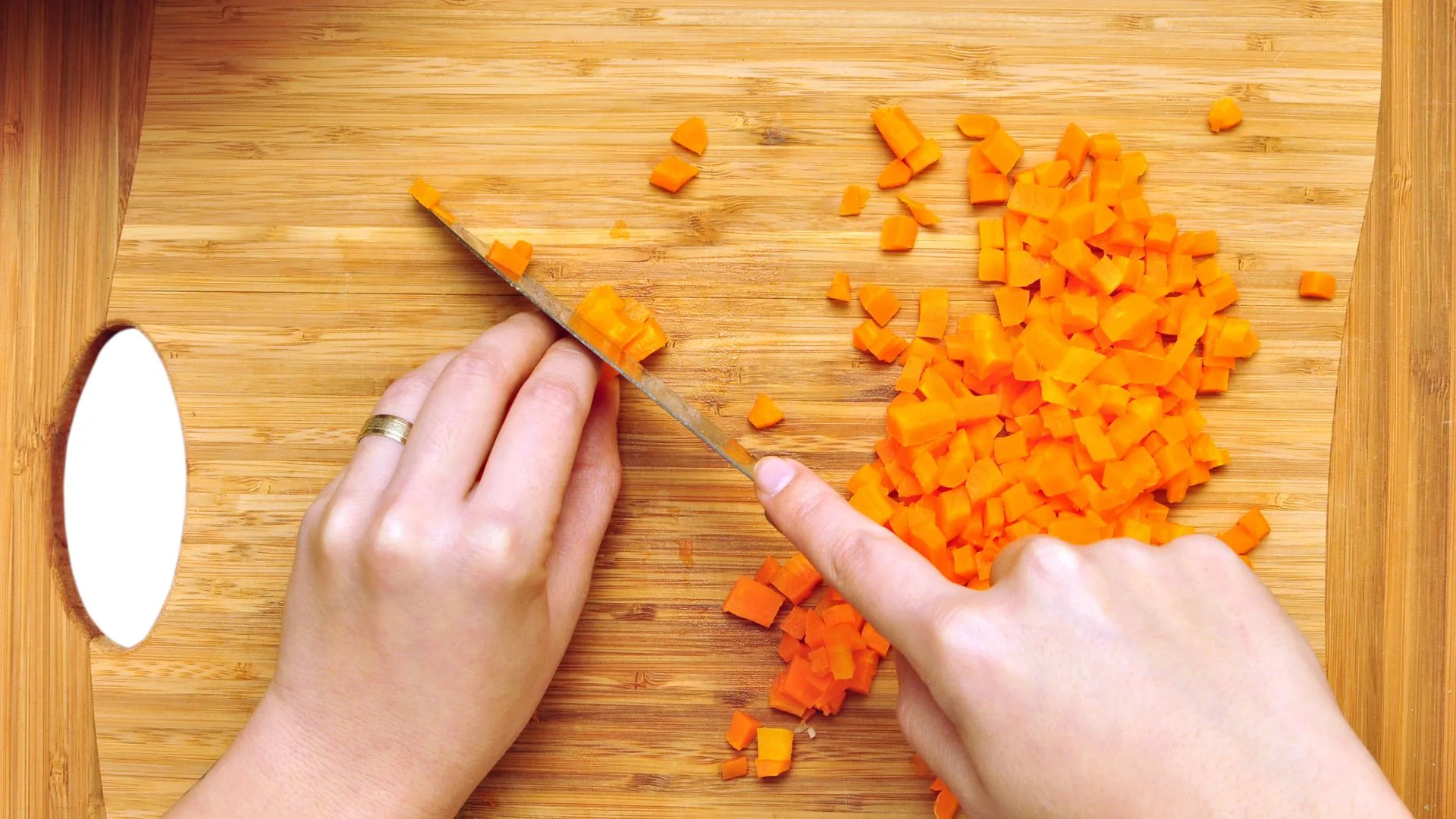
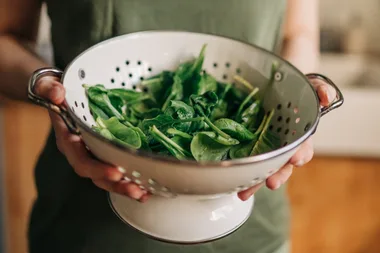
You can extend the shelf life of your veg by storing it properly. Plastic wrap on produce suffocates it in the fridge, leading to damp, soggy, and sad produce. Instead, wrap your kale in a damp tea towel, store your herbs in a jar like a bunch of flowers in the fridge, or submerge your carrots and celery in a bath of water. And if you chop up veg like onion and carrots ahead of time, you’re more likely to use them when cooking.
We have so much to learn from older generations, whilst yes sustainability can breed innovation sometimes it can also be about slowing down, reducing our reliance on convenience and being more mindful of our consumption.
Pick one of Nana’s tips to implement this week and build from there; every little bit adds up to make a huge difference.

Related stories

Native ad body.
Native ad body.



Native ad body.