


Ah, spring. It’s the time of year we all eagerly wait for. The days edge longer, brighter and happier, and the smell of new blooms and freshly cut lawns fill the air. We start to open our windows, doors and homes and let the sunlight in — and the dust out, as we prepare for an annual spring clean.
It’s a golden opportunity to do less-urgent cleaning tasks (hello, skirting boards), declutter and reorganise your cupboards and bring your garden back to life. Maybe even treat yourself to some new bedlinen.
Check out this shortlist of spring-cleaning tasks that will make your home sparkle and your heart sing.
1. Deep clean and refresh your bedding
Use spring as a springboard to better sleep. First, rotate your mattress to avoid body-weight impressions (and flip if the mattress if possible).
Organising maven and founder of Mise en Place, Anita Birges, recommends spot-cleaning your mattress with a solution of equal parts hydrogen peroxide and everyday brand of dishwashing liquid, such as Dawn or Fairy. Spray the solution onto the mattress, work it in using a brush and allow it to dry.
Next, wash your sheets and mattress protector in hot water and an antibacterial soak to kill dust mites and bacteria. If washing in cold water, add tea tree oil. You can also tumble dry your washing on ‘hot’ for 10 minutes to nix dust mites.

If they’re machine-washable, chuck pillows and quilts in the washing machine, as well (check the care instructions). If not, dry cleaning may be an option. Failing all of that, spot clean your pillows and duvets with a fabric cleaner and air in direct sunlight, which — guess what? — also kills dust mites and bacteria.
Now for the pretty part. You have our permission to invest in new bedding. Spring is the perfect time to pack away heavy flannelettes, darker tones and replace them with a pop of colour. Think linen and crisp, cool percale sheets, lighter fabric throws and decorative cushions in floral patterns.
2. Organise your pantry and nix moths
Take everything out of your kitchen pantry and chuck expired items. If your pantry surfaces are sprinkled with flour/oats/spices (and who knows what else) that have escaped their packaging, wipe them down with a damp microfibre cloth. Let surfaces fully dry before restocking the shelves. Get into the corners with a mini vacuum, such as the Hayousui 4.3Kpa Keyboard Vacuum Cleaner.
Beware the pantry moth. These irritating critters often arrive in your dry packaged goods from the store, and feed on rice, grains, flour, pasta, cereal, dried fruit, spices, seeds, nuts and more. Pantry moths live on every continent in the world (except Antarctica) and can emerge at any time of year, but grow more rapidly in warmer temperatures. So, the start of spring is the ideal time to go on the offensive.
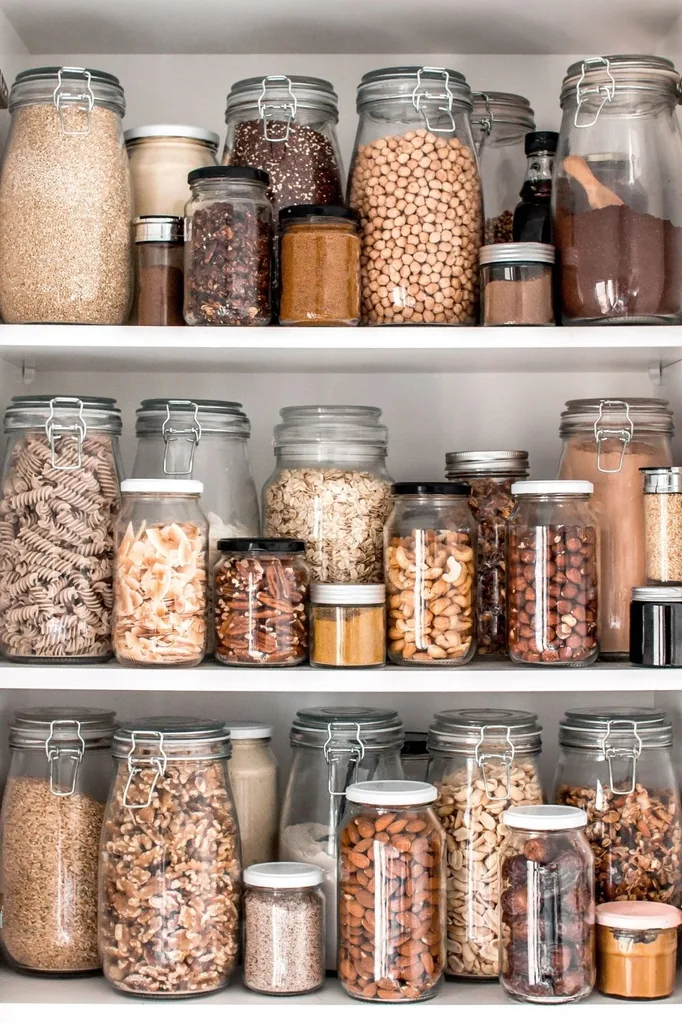
Transfer pantry goods to airtight containers and jars — continue to do this whenever you bring home groceries — and pop them in the freezer for a couple of days, suggests Anita. This should kill any eggs or caterpillars, which develop into moths, that may be present. You don’t need to label your containers with Pinterest-worthy stickers, either; write the name of the item with Sharpie on a simple piece of masking tape.
Consider sticking non-toxic Envirosafe Pantry Moth Traps inside your pantry, as well, for added protection.
3. Declutter your wardrobe
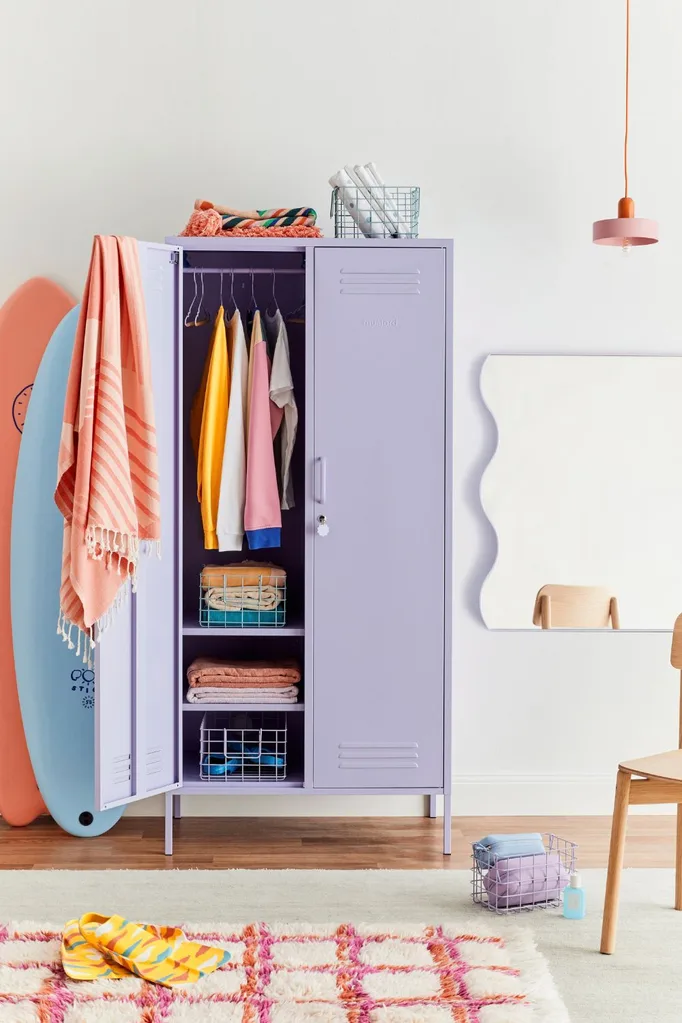
The transition from winter to spring calls for a wardrobe cull and a little redistribution. It’s time to clean and store winter woollies in vacuum-sealed bags and have a good think about which garments you actually wear on rotation.
Try the coat-hanger method of eliminating clothes, championed by The Organised Housewife, Katrina Springer. Hang all the items in your wardrobe the opposite way around to how you normally hang them; for example, so the hook is facing backwards. After you’ve worn an item, place it back on the hanger the ‘right’ way around (with the hook facing forwards). In three months, review your coat hangers to see which items you wore.
Consider donating the neglected clothes to a charity, such as Dress For Success.
Spring is the best time to clean your puffer jackets and vests, and thankfully, Anita has a foolproof method. First, check the laundry instructions on the tag of your puffer jacket.
Fill a Strucket (a bucket with another draining bucket that sits inside it) halfway with warm water and laundry detergent; agitate and soak your puffers for an hour. Drain the dirty water into your laundry sink using the plug, then rinse and strain.
Lay the items flat on a drying rack overnight. To restore the puffiness of your jacket, pop it in the dryer on low heat with a couple of tennis balls and a dry towel. Once dry and fluffy, tuck them in for hibernation until next autumn or winter.
4. Dust and clean nooks and crannies
Sure, you vacuum, mop, dust and wipe the parts of your home that you can see every week or two. But what about the parts you can’t see?
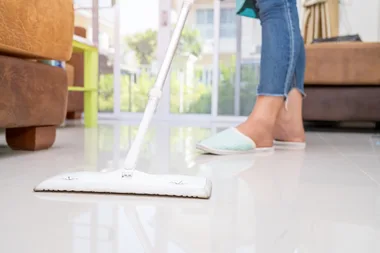
With the help of a burly person, move furniture so you can vacuum underneath the pieces and clean sections of walls that are usually concealed. Consider laundering or spot-cleaning rugs and carpet, and tackle any mould that’s sprung up on walls in dark corners when you weren’t watching.
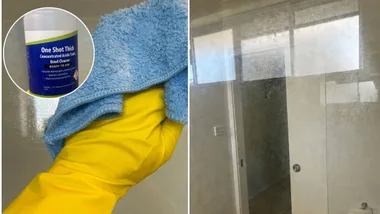
Speaking of, think about purchasing a dehumidifier to fight future mould, and try refreshing your bathroom tiles with a grout pen.
Vacuum skirting boards with a brush attachment and wipe them down using a damp microfibre cloth. Then, look up. Safely dust and wipe down fans, vents, cornices and lighting.

5. Weed and brighten up your garden
Spring means blooming colour, but it also brings weeds. Before you attack the weeds, don gardening gloves to avoid splinters and any chemical or fertiliser transfer onto your hands. You can pull weeds out manually, but you need to get the whole root and bulb. Alternatively, try a weed killer – and have some handy good quality gardening tools in your arsenal.
Spring is also pruning season (think bushes, roses, trees and hedges). It’s also the time to start planting seeds, such as herbs, fruit and leafy greens — and of course, flowers. Carrots are better planted in late spring. A planter box is great for transporting your seedlings in and out of direct sunlight, rain and weather hazards; you can transfer your seedlings to a larger pot or bed when they’re more robust.

Blessed with a patch of turf? Spring-time lawn tasks include cleaning up debris like fallen leaves, de-thatching, mowing (but not too short), aerating the soil and using a high-quality fertiliser.
The fun part? Bringing your garden to life. Don’t let the action stop as the sun goes down — with hot summer nights not far away, now is a good time to install some garden lighting. A bird bath will attract different species to your garden. Add lovely outdoor furniture, and you have your very own nature-filled sanctuary. Just add tea and biscuits.

