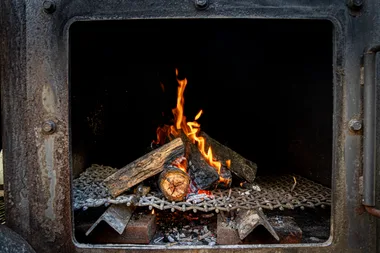

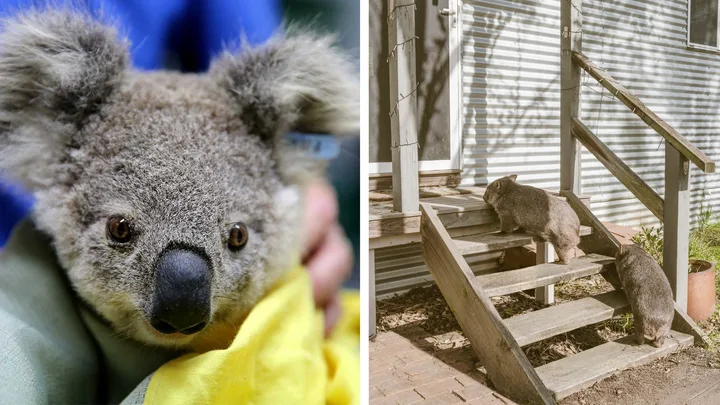
As bushfires and extreme heatwave conditions continue across Victoria and NSW, wildlife are in crisis. Since January 8th, fires have destroyed critical habitat, and high temperatures have left native animals in desperate need of water, food and shelter.
WIRES has issued urgent guidance on how to help wildlife in a bushfire: leave out water immediately. Animals are suffering from heat stress and severe dehydration, and this simple action could save lives. If you are in active fire zones along the NSW-Victorian border, or dealing with the aftermath of bushfire conditions, here’s how to protect wildlife right now.
KEY TAKEAWAYS
- Access to water, food and shelter is a top priority for native animals affected by bushfire and heatwaves.
- Only licensed wildlife carers and rehabilitation providers (including vets) are allowed to care for or house injured wildlife.
- Call the relevant WIRES or wildlife rescue organisation within your area for injured, heat-stressed or displaced native animals.
- Donating goods or funds to WIRES, Wildlife Victoria, and wildlife-specific charities is a great way to offer additional help.
How to help wildlife in fire-impacted areas of Victoria and NSW
Fire-impacted areas are especially risky for native animals, as access to water and food can quickly become restricted. Many Australian wildlife species can only last a couple of days without water, making dehydration and heat stress very common during bushfires. If you are in an active fire zone or returning from an evacuation, here are a couple of things WIRES recommends to consider for potential wildlife in your area:
- Keep domestic pets safe: Keeping cats and dogs indoors and under control allows wildlife to flee safely through your property.
- Be vigilant on the road: Drive carefully, as wildlife may be more likely to attempt to cross or use the road as a safe spot. If you can, keep extra supplies, like a cardboard box and a towel, in the car for injured wildlife.
- Check pools and skimmer boxes: Animals may have fallen in the pool while fleeing through your property. Ensure you check your skimmer box regularly.
- Provide food, water and shelter: See down below the best ways to put out water, and what to feed native animals.
Providing water to native animals
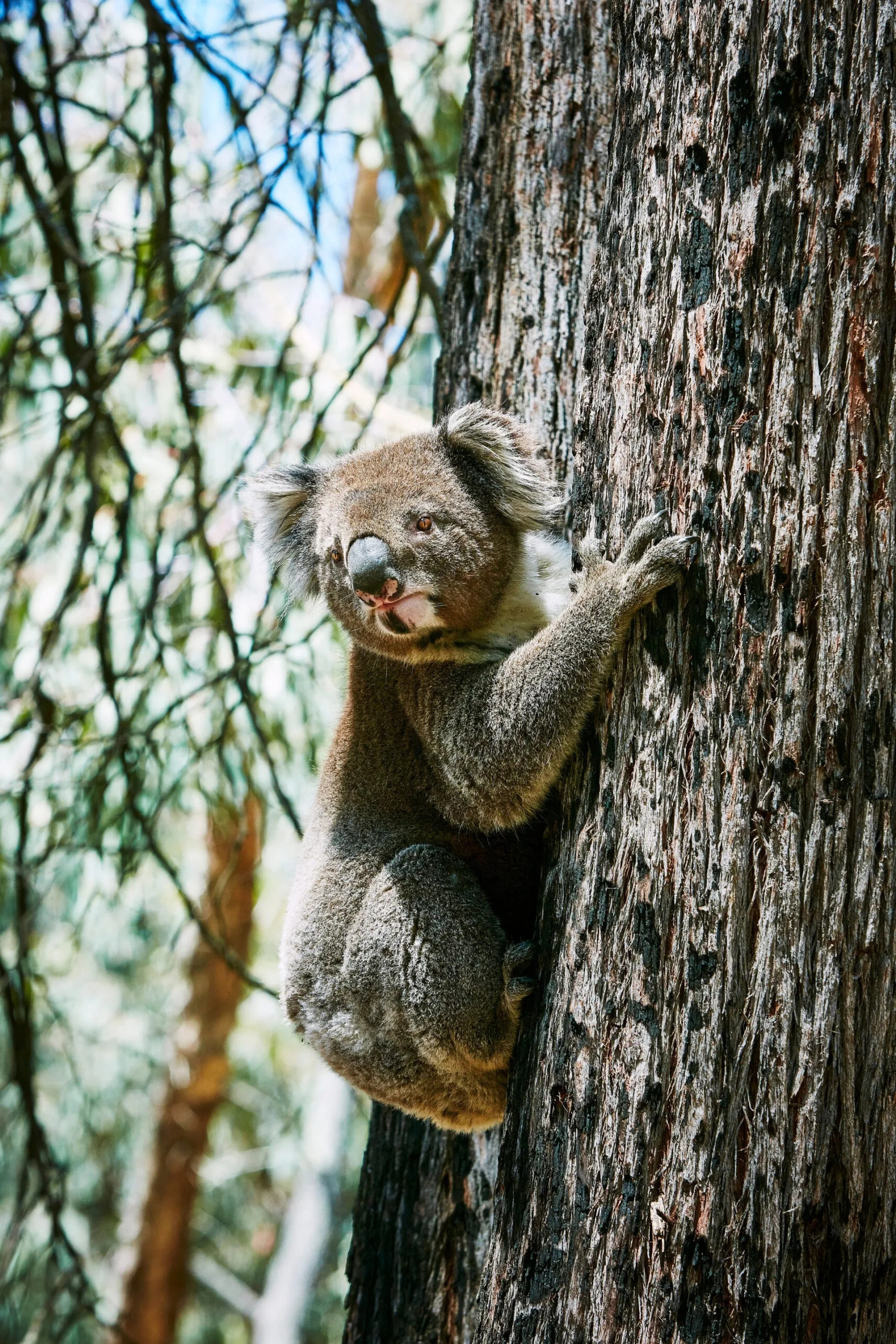
During heatwaves and bushfire-prone conditions, WIRES asks to “please leave out fresh water to help native animals.”
Use a shallow bowl and fill it with cold water to leave outside for animals fleeing bushfire-heavy areas or trying to escape a heatwave. For smaller animals, such as lizards, put a few small sticks or rocks to one side of the bowl. That way, if they fall in, they’re able to get out easily.
Wildlife tend to try and drink from pools as well, which is not recommended due to the possibility of drowning. Ensure your pool is adequately covered, and frequently check the pool and skimmer box, just in case.
Providing food
Feeding Australian wildlife is generally not recommended because they have such varying and diverse diets. In times of natural disaster, it is okay to provide food for animals, but it’s important to be very careful about what you put out for them to eat. Wildlife should never be given:
- bread
- honey
- sugar
- avocado
- chocolate
- dairy products
Follow the guidelines available on the NSW Government Environment and Heritage website for species-specific dietary needs.
It is not always necessary to provide water, food or shelter to wildlife. In an emergency, such as a bushfire or flood, it may be pertinent, but ensure you consider the potential risks involved. Native bats and other animals can carry disease, or could be aggressive towards human interaction. Interfering with native animals could also do harm to them, with many marsupials needing specific holding techniques. Do not attempt to pick up or move wildlife unless they’re in an unsafe area.
Consider the risks
Providing shelter
Making your garden wildlife friendly, by growing native plants, trees and groundcovers is the best way to provide shelter. Using logs and large rocks, you can also build makeshift hidey-holes and nest boxes for animals to feel safe in.
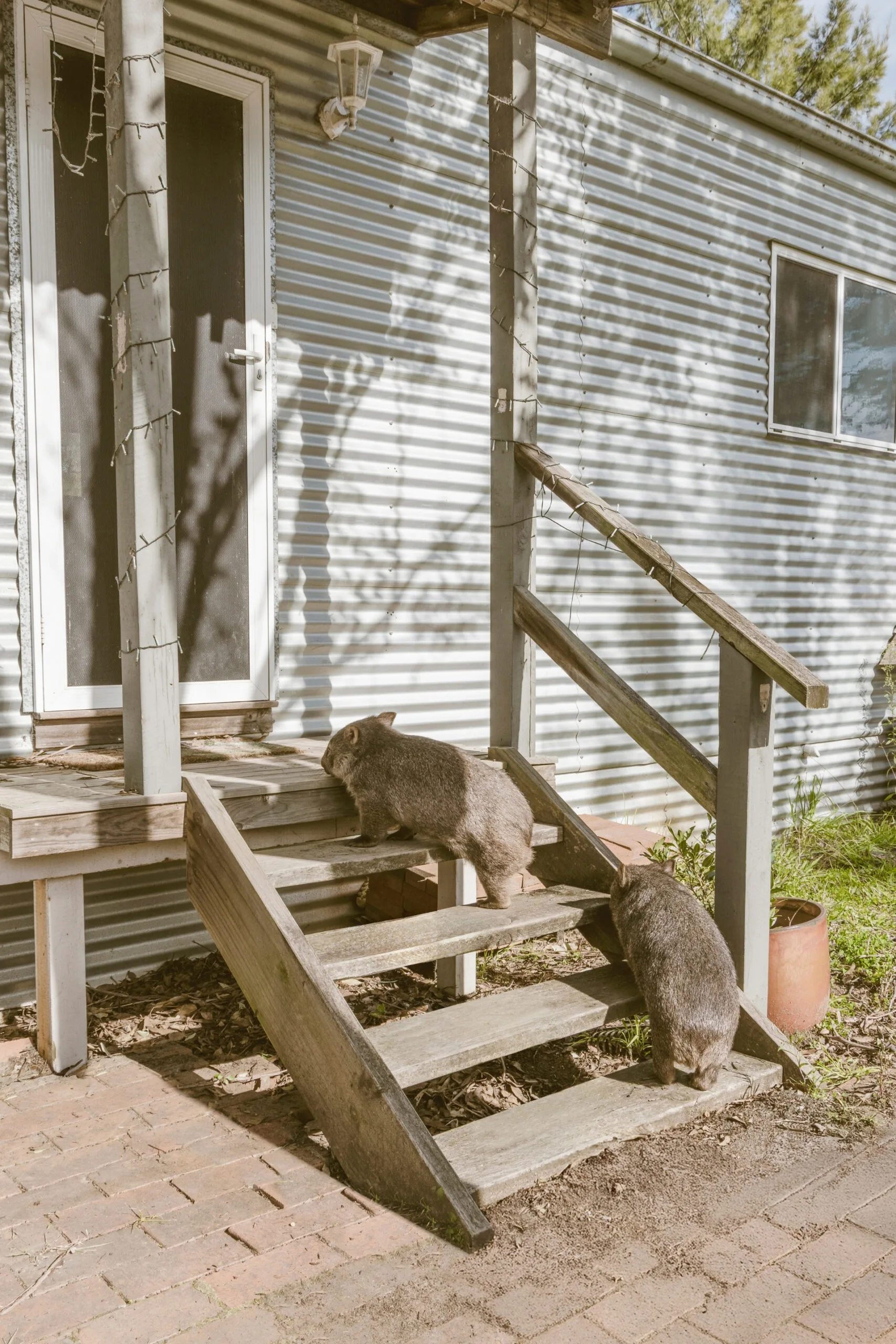
In an emergency, like a bushfire, it is important to note that keeping and caring for injured or fleeing wildlife is illegal, and can only be done by a registered carer, rehabilitator or veterinarian. If you do come across injured wildlife, please contact your local wildlife rescue organisation.
Always follow the advice given by WIRES or government resources, like the NSW Government Helping Wildlife in Emergencies guide, when it comes to Australian wildlife in need.
Contacts for local wildlife rescues by state
NSW WIRES
1300 094 737
VIC Wildlife Victoria
1300 094 535
QLD RSPCA QLD
1300 ANIMAL (1300 264 625)
Wildcare Aust
(07) 5527 2444
ACT RSPCA ACT
(02) 6287 8100
WA Wildcare Helpline
(08) 9474 9055
SA RSPCA SA
1300 477 722
Fauna Rescue SA
(08) 8289 0896
TAS Wildlife Management Branch
1300 827 727
NT Wildcare
(08) 8988 6121
Other ways to help wildlife during the 2026 January bushfires
Wildlife Victoria has opened up donations for its Urgent Summer Appeal for wildlife affected by heat stress, dehydration and injury due to heatwaves.
If you’re dedicated to helping rescue and rehabilitate injured or sick wildlife, you can find out more about volunteering for WIRES on their website.
If you haven’t got the time for rescue and rehabilitation, then the next best thing is to donate. WIRES is always looking for goods donations, including handmade pouches, liners and bird nests, cages and carriers, possum boxes and pillowcases. Medical supplies, including syringes and cold packs, are always in high demand. Take a look at their high and low demand lists for further clarification.
For crafters and sewers, the Animal Rescue Craft Guild is always looking for extra members to build their global community of creators. They often have product and supply callouts for animals in need.

Related stories
Native ad body.

Native ad body.



Native ad body.