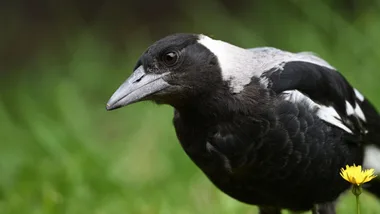

Magpie swooping season has officially started across Australia, and cyclists—or anyone riding a bike—are among the first in the firing line.
Reports are already flowing in to the Magpie Alert website with people across the country sharing their close calls with a determined bird. Many involve cyclists.
One user wrote: “Swooped multiple times, pushing pram and son was riding his bike.”
Another reported: “Same old magpie family in Gouldsmith St Playground starting early this year. Loves kids on bikes. Anywhere between Gouldsmith St to the Bikepath under the powerlines adjacent to the playground.”
So, why do magpies seem to have it in for bike riders? The answer lies in breeding season, bird behaviour, and even Australia’s helmet laws.
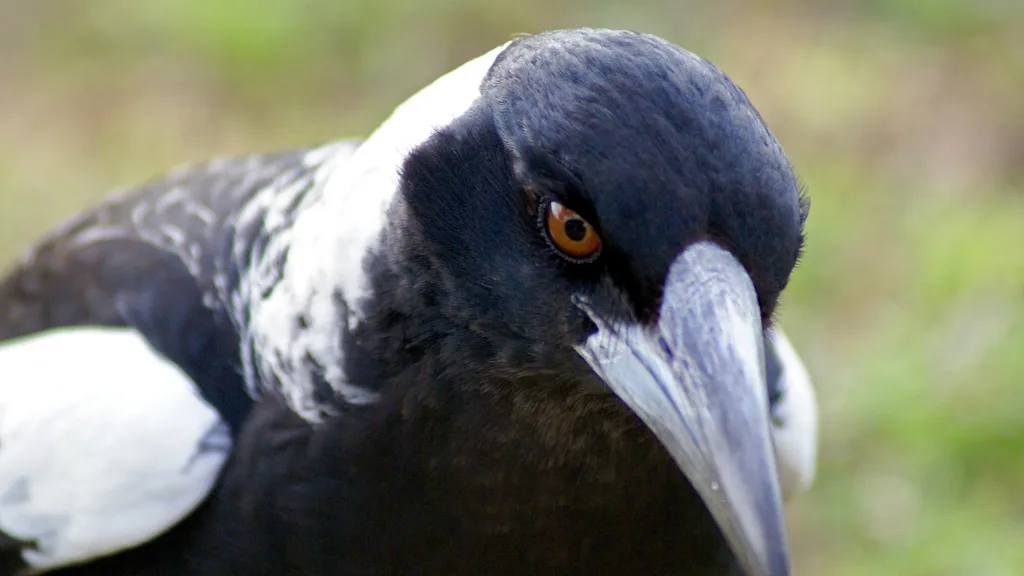
Magpie breeding season and swooping explained
Magpies aren’t on the attack year-round. Most swooping happens during a brief four to six-week window in spring, when males fiercely defend their nests. So what causes a magpie to swoop?
Swooping is almost always the domain of male magpies, who aggressively defend their nests during breeding season. The good news? Most magpies never attack at all.
In her book Australian Magpie, Gisela Kaplan writes: “More than 80 per cent of magpies never swoop humans, even at the peak of breeding.”
When they do swoop, it’s usually a defensive strategy. “Magpies usually go through stages: beak-clapping, near swoops, closer swoops, and only then contact,” writes Gisela.
“Many ‘attacks’ are actually warnings ignored.”
Why magpies swoop cyclists
Cyclists, however, are far more likely to find themselves in a magpie’s sights, not because of their bikes, but because of what’s perched on their heads.
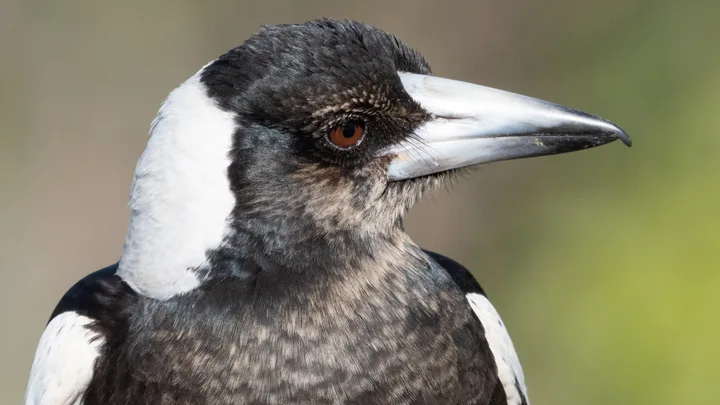
“Cyclists are disproportionately targeted by magpies, not because they are on bikes, but because their faces are obscured,” Gisela explains.
“Helmet laws have unintentionally worsened the conflict between cyclists and magpies, because helmets obscure the face and thus interfere with magpies’ recognition of individuals. The helmets effectively render cyclists anonymous intruders in the eyes of magpies.”
For magpies, recognition is everything. These clever birds can remember faces for years, and many Australians have even struck up unlikely friendships with their local magpies. But if your face is hidden behind a helmet, sunglasses, or a hat, you are far more likely to be seen as a stranger and a potential threat.
“Pedestrians, on the other hand, are often spared, because their faces are visible and they may be recognised as locals.”
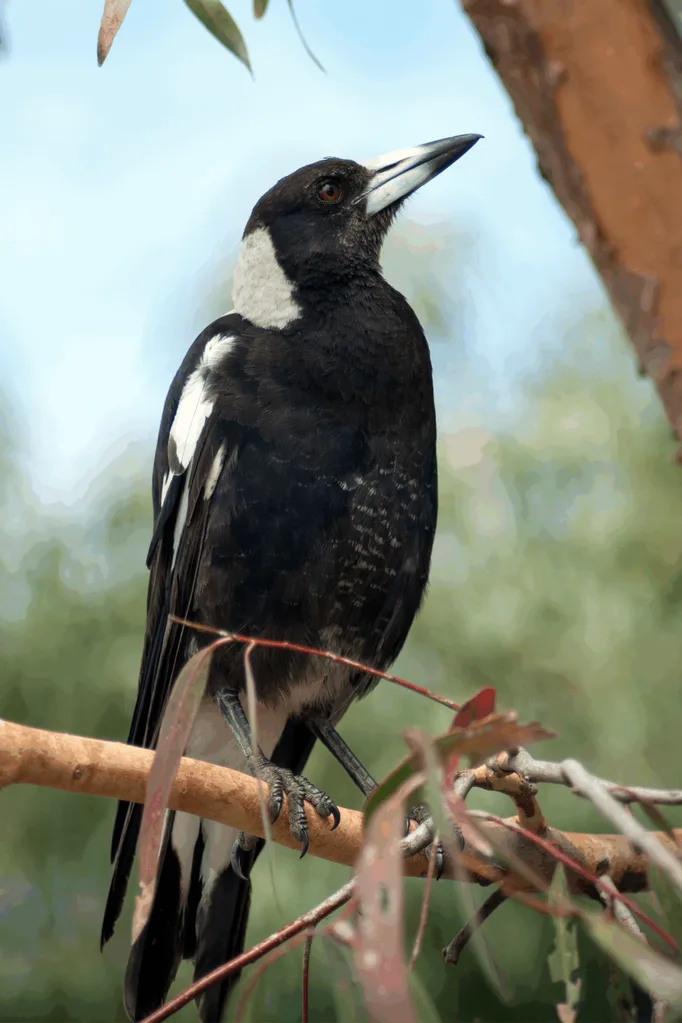
The YouTube experiment
One video clip perfectly illustrates the point.
“In one widely circulated YouTube video, a cyclist was shown riding down a suburban street being swooped repeatedly by a magpie. When he took his helmet off and rode back down the same street, the magpie left him alone,” Gisela writes.
Of course, no one is suggesting cyclists abandon their helmets. Still, it highlights how helmets can muddle a magpie’s ability to tell friend from foe.
How to avoid magpie attacks while riding a bike
The good news is there are ways to reduce your chances of being swooped without breaking the law:
- Stick to predictable routes. Magpies are more likely to recognise regulars.
- Avoid eye contact and stay calm. Escalating with yelling or waving often makes things worse.
- Decorate your helmet. Eye stickers, cable ties, or even bright colours can make you look less threatening.
- Detour during breeding season. If you know a particularly hot spot, give it a miss for a few weeks.
- Remember, most magpies won’t swoop. It’s just a handful of fiercely protective males guarding their nests—not an all-out bird uprising.
Practical measures can also help — this guide on avoiding magpie swooping suggests tactics such as using googly eyes or cable ties on your helmet, avoiding nesting areas, or even dismounting in hotspots.
And if you stumble upon a young bird on the ground this spring, don’t panic. It’s usually just a fledgling learning the ropes. Here’s what to do if you find a baby magpie.
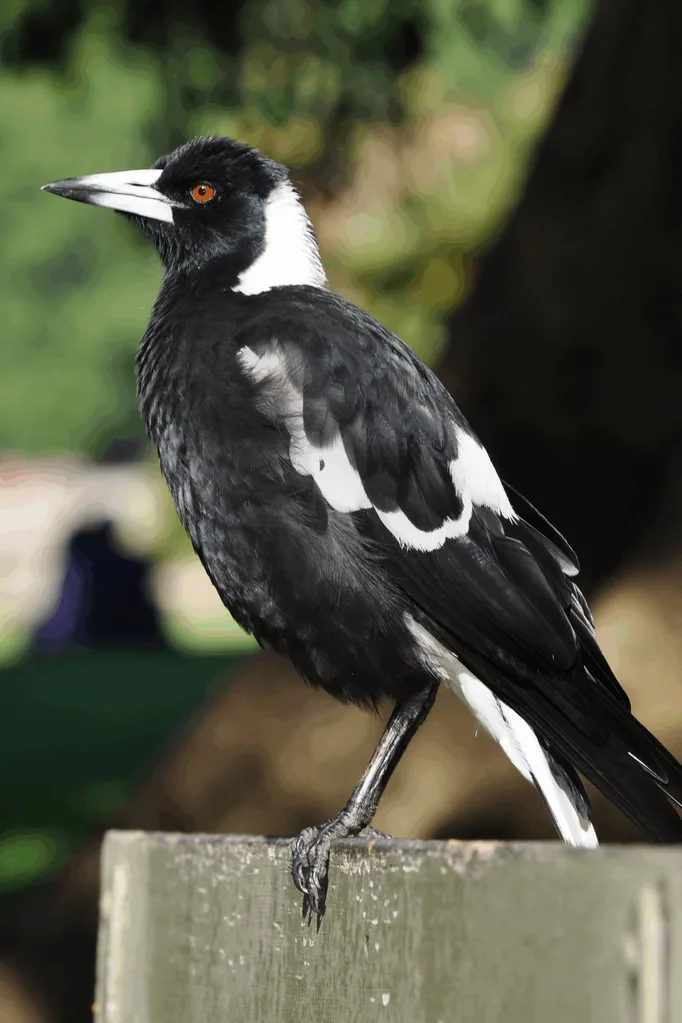
Why do magpies swoop at you?
Magpies swoop to defend their nests during breeding season. The males, in particular, see anyone approaching their territory as a potential predator. They aren’t trying to hurt you for fun; it’s a protective instinct to keep chicks safe.
How do magpies choose who to swoop?
It often comes down to familiarity. Magpies are excellent at recognising faces and will usually leave known locals alone. However, helmets, sunglasses, and hats can make riders appear like strangers, increasing the likelihood of being targeted.
Do magpies get revenge?
It often feels personal when a magpie locks onto you ride after ride, but despite what it feels like, Magpies aren’t plotting attacks; they’re defending their nests during breeding season. What can look like a grudge is usually a bird recognising the same face and treating it as a repeat threat.

Related stories
Native ad body.
Native ad body.
Native ad body.