
 The Australian Reptile Park
Spring has only just begun, but Australia’s most venomous spiders are already on the move.
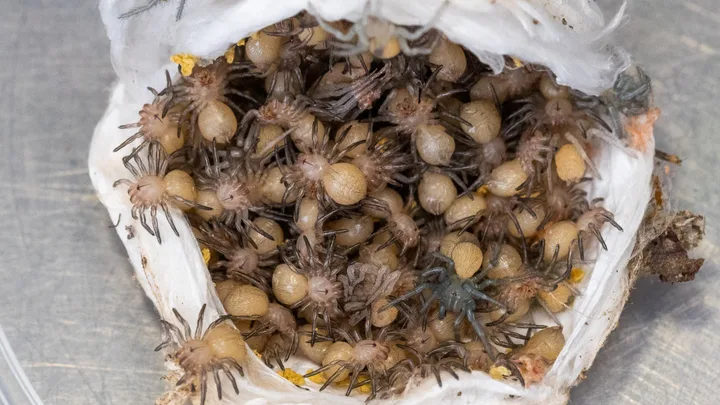
The Australian Reptile Park has confirmed the funnel-web spider breeding season has arrived early, with four egg sacs already laid at its funnel-web spider breeding facility.
The Park is now calling on locals to collect and donate any funnel-web spiders or egg sacs they come across to help with the production of life-saving antivenom.
Spider Keeper Emma Teni says, “With the public’s help, we can ensure that no Australian ever dies from a funnel-web spider bite again.”
Learn more: How to identify a funnel-web spider and its nest
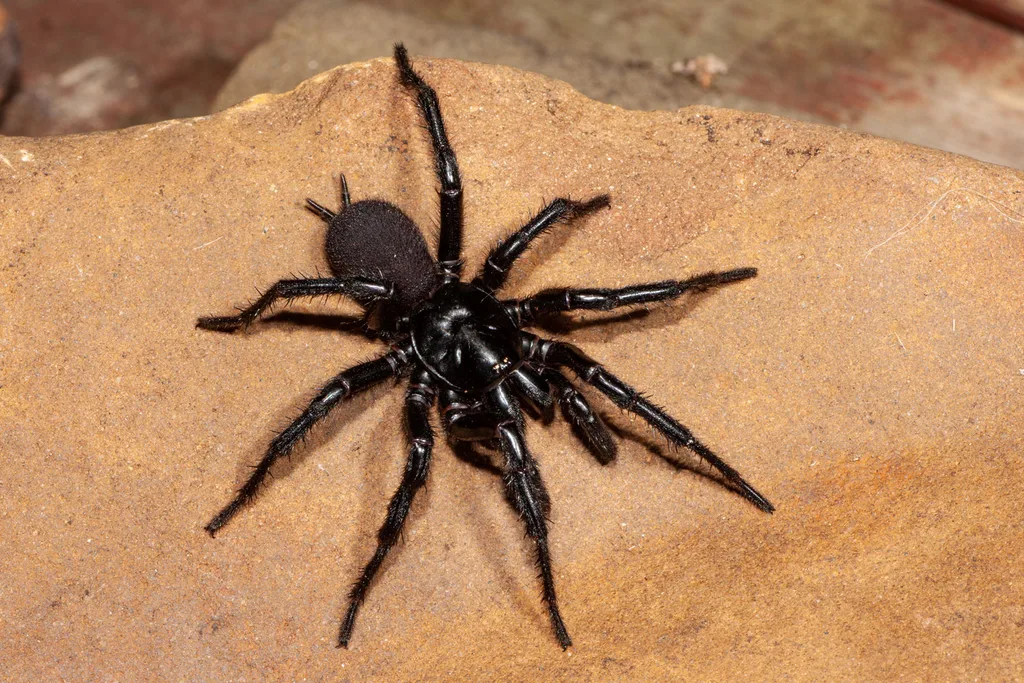
They need your spiders, and their egg sacs, too
In addition to adult spiders, the Park is also urging gardeners to collect egg sacs. Keepers will add the males to the antivenom program and release the females back into the wild.
“Each egg sac contains around 150 spiderlings, and every single one of those baby spiders will grow up to contribute venom to our program. Handing in a spider or egg sac literally makes you a life-saver,” says Emma.
These donations are critical to the Park’s venom program, which has ensured there have been no deaths from a funnel-web bite in more than 40 years.
Where to drop off funnel-web spiders
The Park accepts live specimens through a network of official drop-off points across Sydney, the Central Coast, Newcastle and the Hunter Region.
These include selected veterinary clinics, pet stores and council facilities that partner with the Park’s venom program. Spiders are transported to the Park in Somersby, where their venom is extracted to produce life-saving antivenom.
To find your nearest location, visit the Park’s official website.
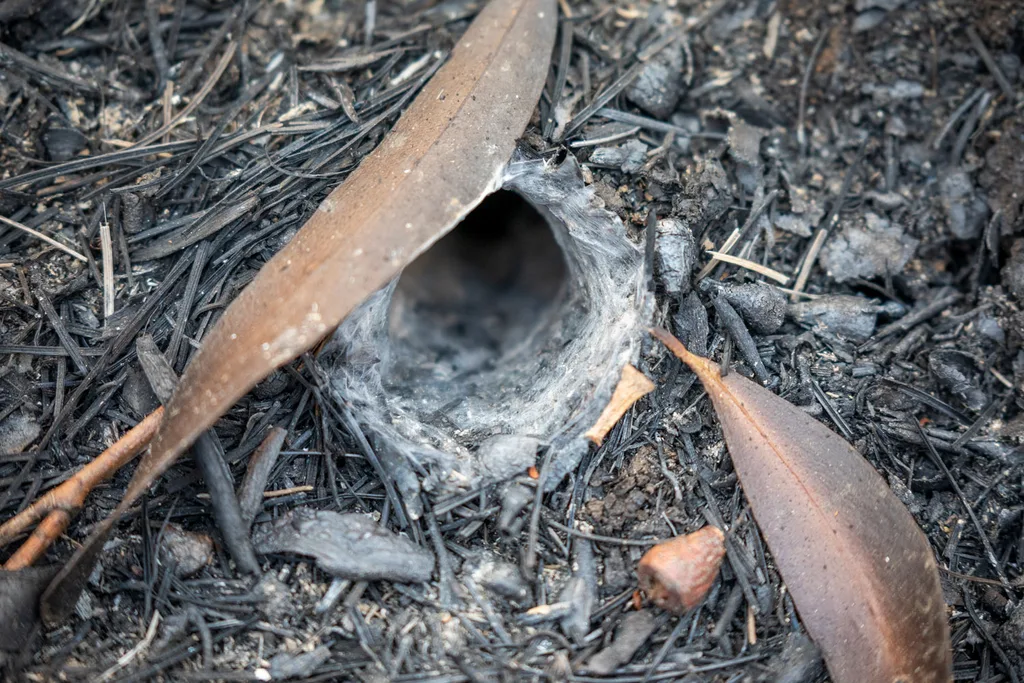
How to safely collect a funnel-web spider or egg sac
Never touch a funnel-web spider with your bare hands. If you’re unsure or uncomfortable, contact a licensed pest controller or your local collection site for assistance. If you are bitten by a funnel-web spider, remain as still as possible, apply a pressure-immobilisation bandage, and get medical help immediately.
Step 1: Choose your tools carefully.
You’ll need a smooth utensil, such as a spoon, and a smooth-sided container, like a glass jar.
Step 2: Capture the spiders
For a lone spider, gently place the jar in front of the spider and guide it inside using the spoon.
If you find a male spider and an egg sac separately, collect them in separate containers.
If a female spider is guarding her egg sac, collect both together by gently scooping them into the same jar. Avoid separating them. This can stress the spider and cause her to destroy the sac.
Step 3: Keep the spider comfortable
Add a small amount of damp soil from the same area into the jar to help keep the spider comfortable. Make sure the lid is secure.
Step 4: Deliver the spider or egg sac
Deliver your spider or egg sac to your nearest drop-off point as soon as possible.
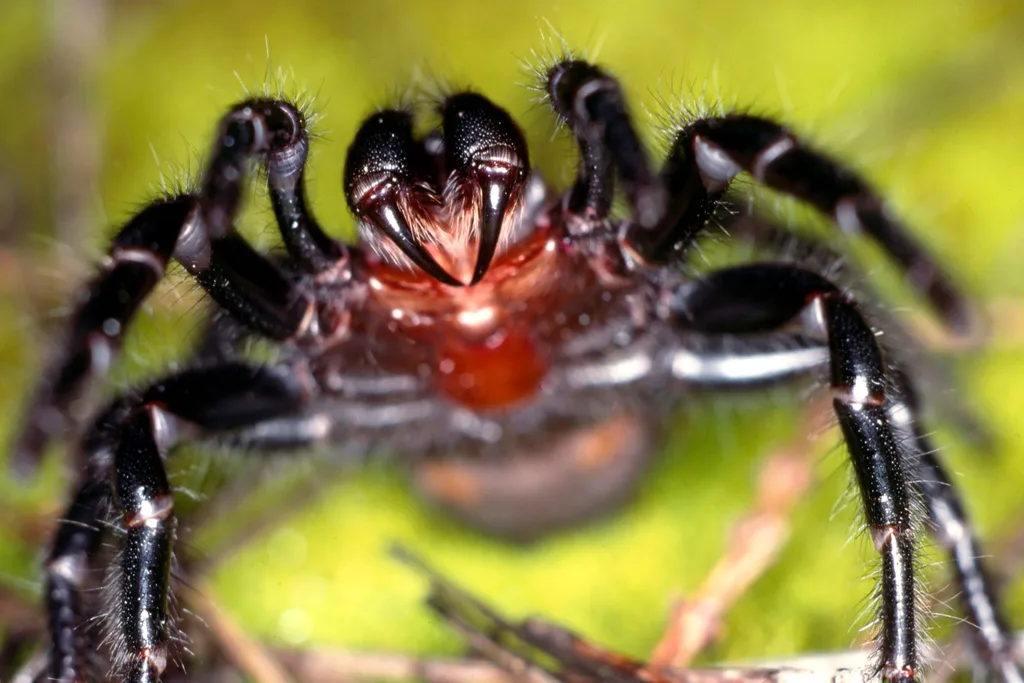
Venom that saves lives
To do this, the Australian Reptile Park carefully incubates and raises spiders and egg sacs donated by the public for venom extraction, then supplies the venom to CSL Seqirus—Australia’s sole producer of funnel-web antivenom.
Why has the breeding season started early
A burst of warm, wet weather triggered the early arrival of the egg sacs.
“Recent rainfall across the region has created the perfect environment for funnel-webs,” says Emma. In fact, “Males are more likely to be on the move searching for mates or new shelter, while females may also be laying sacs at this time.”
With the breeding season underway, experts warn that Australians are at a greater risk of encountering these highly venomous spiders in backyards, sheds, pool filters, and even inside homes.
So, keep your eyes peeled and check your shoes before putting them on.

Related stories
Native ad body.
Native ad body.

Native ad body.