
 Adobe Stock
Some people see clover as a pesky weed that ruins a tidy lawn. Others, like me, appreciate its little flowers, easy care, and the way it brings bees to the yard. But before you replace your grass with a clover lawn or let a patch spread, there are a few things to keep in mind.
Jenny Dillon is the garden editor at Better Homes and Gardens. She says clover can be a useful and attractive alternative to grass, but it doesn’t suit every climate or backyard. Here’s what you need to know.
KEY TAKEAWAYS
- Clover often grows in lawns where the soil is low in nitrogen.
- Clover lawns attract bees, require less mowing and can help enrich the soil.
- Clover doesn’t tolerate heavy foot traffic and may die back in cold weather.
- To add clover to an existing lawn, mow low, scatter seed mixed with sand and water daily for about 10 days.
- Avoid high-nitrogen lawn fertiliser if you want clover to thrive.
Why is clover growing in my lawn?
If you’ve noticed clover popping up where you didn’t plant it, your soil might be low in nitrogen.
“Many non-rural people consider clover a weed and try to get rid of it,” says Jenny. “It usually appears uninvited in lawns where the soil is low in nitrogen.”
Clover is also very clever. It grabs nitrogen from the air and uses it to grow, which grass can’t do. That’s why clover often thrives in spots where grass won’t.
It’s also good for the soil around it. Farmers often plant clover in pastures because it helps the ground and feeds their animals.
If you’re hoping for more clover, Jenny says to skip your usual lawn fertiliser.
“Lawn food has lots of nitrogen, as that’s important for growing green grass,” she says. So adding nitrogen will encourage the surrounding turf to grow more vigorously, allowing it to compete with the clover.
Are clover lawns good for bees?
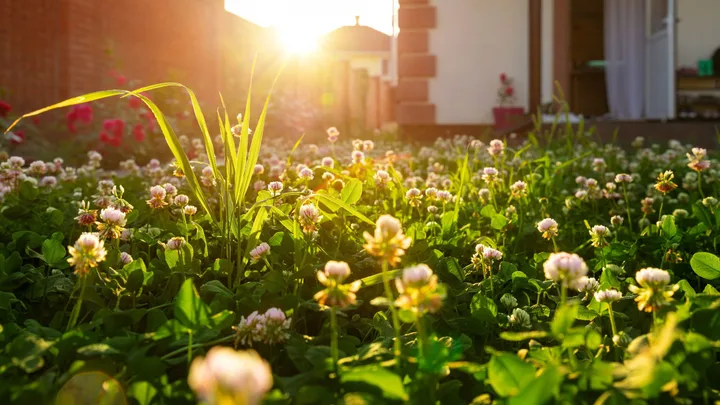
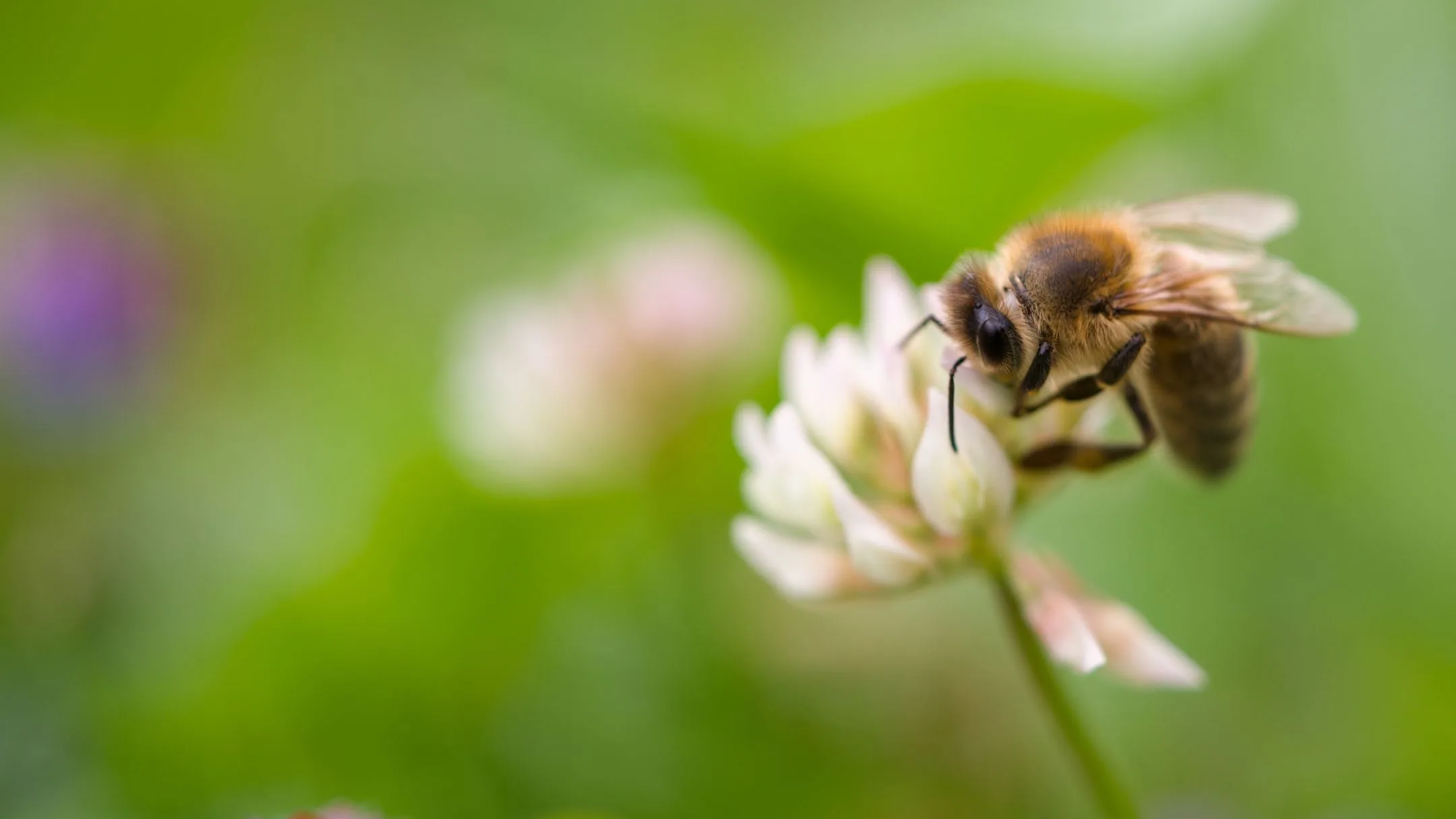
Clover flowers provide bees with nectar and pollen, making them a useful food source for pollinators.
“As a child, I loved the look of the clover flowers in the fields, until my feet were stung by bees,” says Jenny. “The flowers are full of nectar.”
Other bee-friendly plants include flowering eucalypts, grevilleas, lily pillies, herbs and daisies.
What are the benefits of a clover lawn?
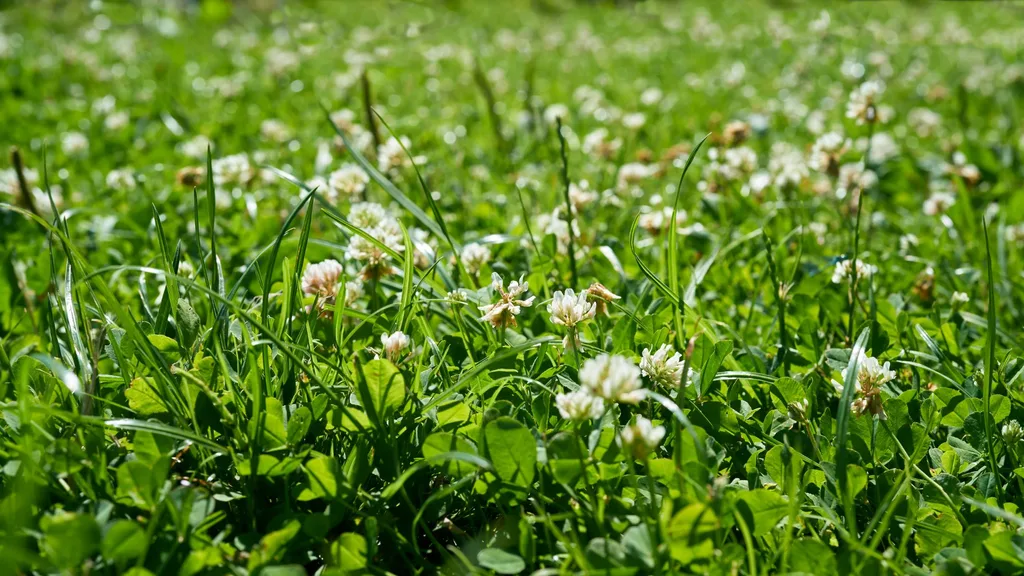
One big plus with clover is you don’t have to mow it as often as regular grass.
“A clover lawn doesn’t need mowing as often as turf,” says Jenny. “The flowers reappear within a week or two after mowing.”
Clover can also:
- produce bee-friendly flowers
- remain green in soil with low nitrogen
- enrich the surrounding soil
- spread to cover bare patches
- reduce the need for nitrogen-rich lawn fertiliser
What are the disadvantages of a clover lawn?
Still, clover isn’t a perfect swap for tough, hard-wearing grass.
“Clover prefers temperate climates that don’t experience extremely cold winters,” says Jenny. “It dies back in the cold, leaving bare patches.”
It also doesn’t hold up to lots of foot traffic, as some lawn grasses do.
“Consider it a decorative lawn, especially when the flowers are out from spring through to autumn,” Jenny says.
A clover lawn often works best in a front garden, a side yard that is not used much, or a decorative part of the backyard. It’s less suitable for play areas, paths, or places where pets and children spend a lot of time.
How to add clover to an existing lawn
You don’t have to rip out your whole lawn to get clover. Just sow some seeds among your grass, and you’ll end up with a mix.
Jenny recommends following these steps:
- Mow the existing grass very low.
- Mix the clover seed with sand to make it easier to distribute evenly.
- Scatter the mixture across the lawn.
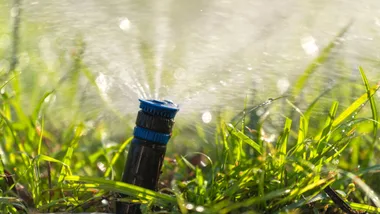
- Water it daily for approximately 10 days while the seed establishes.
Avoid applying a high-nitrogen lawn fertiliser, as this will encourage the grass to outcompete the clover.
Should you let clover grow in your lawn?
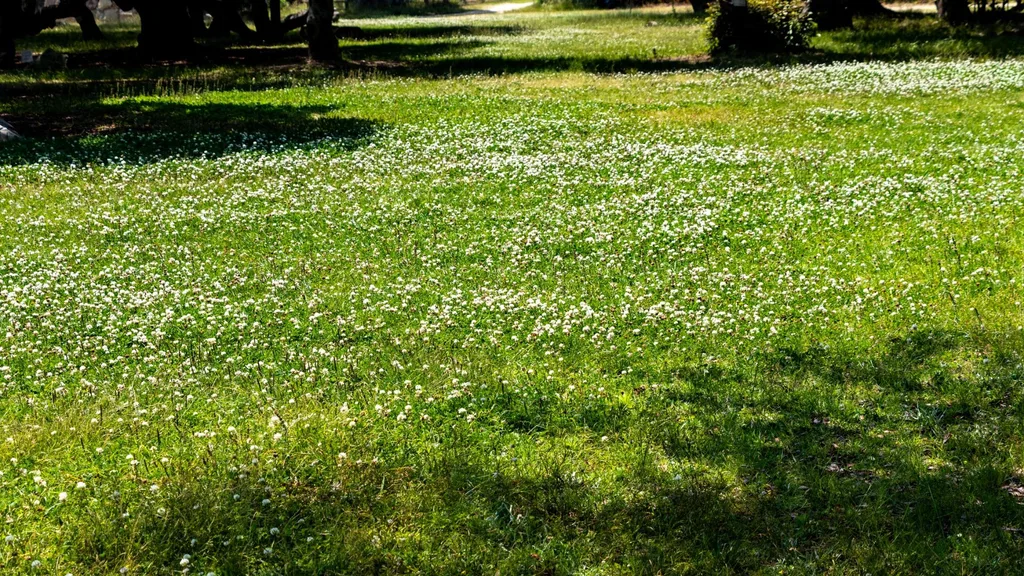
If clover has popped up on its own and you don’t mind how it looks, there’s no rush to pull it out. The flowers help feed bees, and the plant adds nitrogen to your soil.
Just remember, clover lawns still need some care. They can die back in cold weather and don’t like lots of foot traffic. If your lawn isn’t used much and you live somewhere with mild weather, it might be easier to let the clover stay than to keep fighting it.