

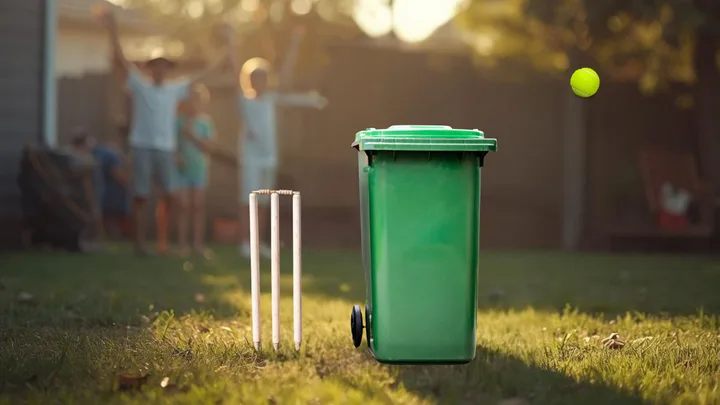
With Australia on top in the Ashes and the Boxing Day Test just around the corner, Australian families are heading outside with taped tennis balls and wheelie bins to recreate the magic.
But every year, the same old arguments start up again. Is there really LBW (leg before wicket) in backyard cricket? Can you actually be out on the first ball? And does six-and-out still count if the ball bounces before the fence?


Since thousands of Aussies are frantically Googling the rules right now, it was time to settle things once and for all.
Is there LBW in backyard cricket?
The answer? No. Absolutely not. Not even if it’s the most plumb LBW you’ve ever seen.
This is the golden rule of backyard cricket. Anyone who appeals for LBW deserves to sit out the next game.
Why no LBW works:
- Let’s be real: most games are self-umpired, and no one trusts the bowler to make a fair call.
- LBW is cricket’s most complicated rule, and trying to explain it to the kids is a guaranteed way to ruin Christmas lunch.
- Arguments about LBW always seem to last longer than the game itself.
The only exception? If Dad’s agreed to umpire and everyone promises to accept his word as final, no arguments allowed.
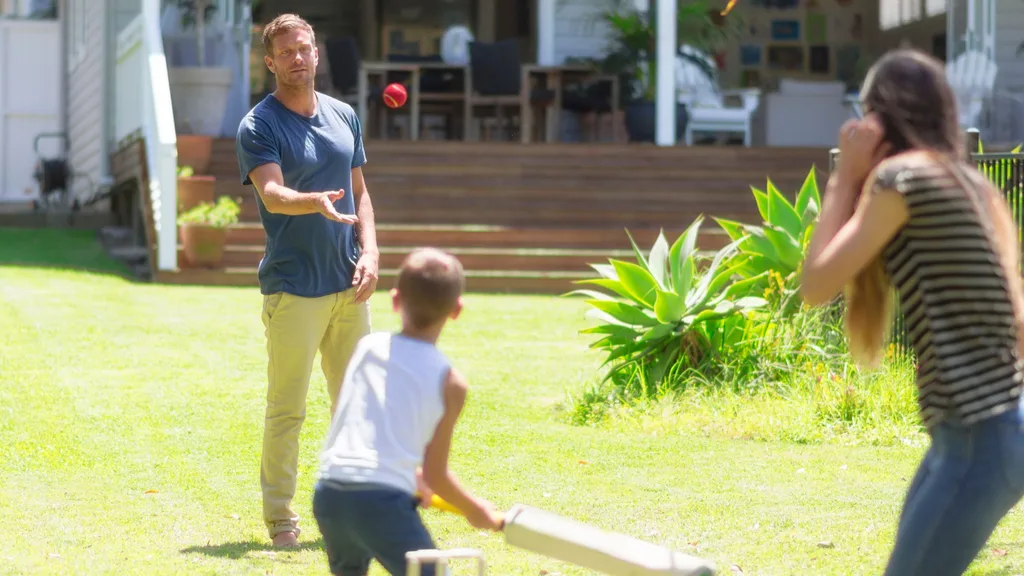
The seven non-negotiable rules
In addition to there being no LBW in backyard cricket, her are even more non-negotiable rules.
1. Can’t get out first ball
No one gets out on the first ball. This is so your uncoordinated cousin gets at least one swing. The ball still counts for runs, though, so if you manage to smash your first delivery for six, you get to keep those runs.
2. Six and out
If you hit it over the fence on the full, you get your six runs, but you’re out, and you’re the one climbing over to fetch the ball.
Common disputes:
- Bounces before the fence? Not out, four runs to the batter
- Hits a fielder, then goes over? Fair game, six and not out.
- Ball is lost? Out, and you’ve ruined the game!
3. One hand, one bounce
If the ball bounces once, you can still catch the batter out, but only if you do it cleanly with one hand. This rule was invented for fielders who refuse to put down their beer or sausage sandwich.
4. Automatic wicketkeeper (aka ‘electric wickie’)
Any edge or nick behind the batter is automatically caught by the imaginary wicketkeeper.
5. Hit the car/house = out
If you hit any car or the house on the full, you’re out straight away.
6. Wheelie bin wickets
If you’re using a wheelie bin as the stumps, hitting anywhere on the bin counts as bowled. Green bins are the top pick; they just seem to have better wicket-keeping skills.
7. The over isn’t over until someone asks
Whenever someone asks, ‘How many balls left?’, the answer is always ‘two’, and the bowler has to deliver exactly two more balls. No one’s actually counting in backyard cricket anyway, so this rule keeps things moving.
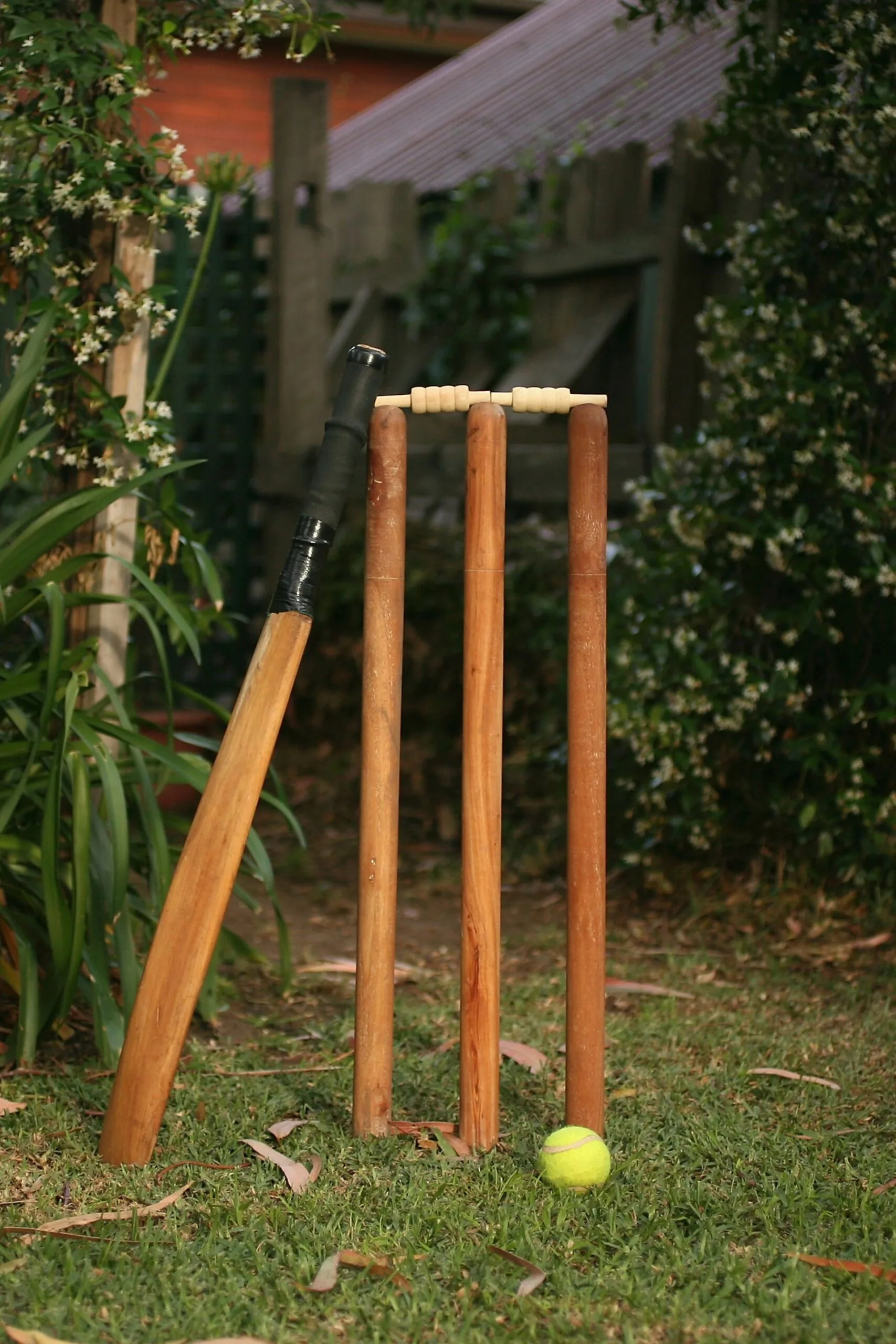
Protecting the garden while playing
Backyard cricket is all fun and games until the garden cops it. Here’s how to keep the peace:
- No runs if the ball hits the rose garden (discourages hitting there)
- “Lost ball = out” deters big hits toward the veggie patch
- Fill any divots after play and pick up all rubbish
The don’ts that get you banned
- Appealing for LBW (just don’t)
- Bowling bouncers at kids or elderly relatives
- Taking it too seriously – it’s backyard cricket, not the Ashes
- Not letting others bat
The spirit of backyard cricket
The fundamental rules of backyard cricket aren’t written down anywhere. They’re passed down, tweaked, and argued over in every backyard across the country.
At the end of the day, the only rule that really matters is that everyone gets a fair go, the game keeps moving, and we all laugh.
So yes, there’s no LBW in backyard cricket. Six and out definitely counts. You can’t get out first ball. And that one-handed catch off the roof? It’s good!

Related stories

Native ad body.

Native ad body.




Native ad body.


The smart homeowner’s guide to garden tools that go the distance