

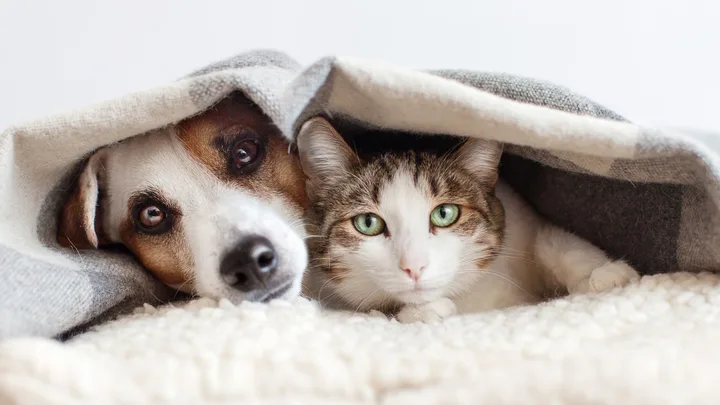
Emergency vets across Melbourne and Australia are warning pet blood supplies are running dangerously low, raising concerns about the ability to treat animals with serious injuries, poisonings and life-threatening illnesses.
Veterinary clinics rely on donated blood to perform transfusions in critical cases, but demand is currently outpacing supply, particularly during busy periods when more animals require emergency care.
Why donations are urgently needed right now
Dr Luke Johnston, Head of Department (Small Animal Medicine) at Greencross Vet Hospital at the University of Melbourne, says blood transfusions are often a non-negotiable part of treatment.
“In many cases, a transfusion is what stabilises an animal and gives them a chance to recover,” he says.
Clinics experiencing shortages include Greencross Vet Hospital at the University of Melbourne, ARH Essendon Fields, CARE Collingwood and the Veterinary Referral Hospital Dandenong (cats only).
What vets are asking pet owners to consider
Dr Johnston says a pool of registered local donors makes a critical difference in emergencies, allowing clinics to act quickly when a transfusion is needed.
“A single donation can save a life,” he says. “It can mean the difference between a pet going home to their family or us running out of options.”
Veterinarians are encouraging owners of healthy, calm dogs and cats to consider whether their pets could become donors.
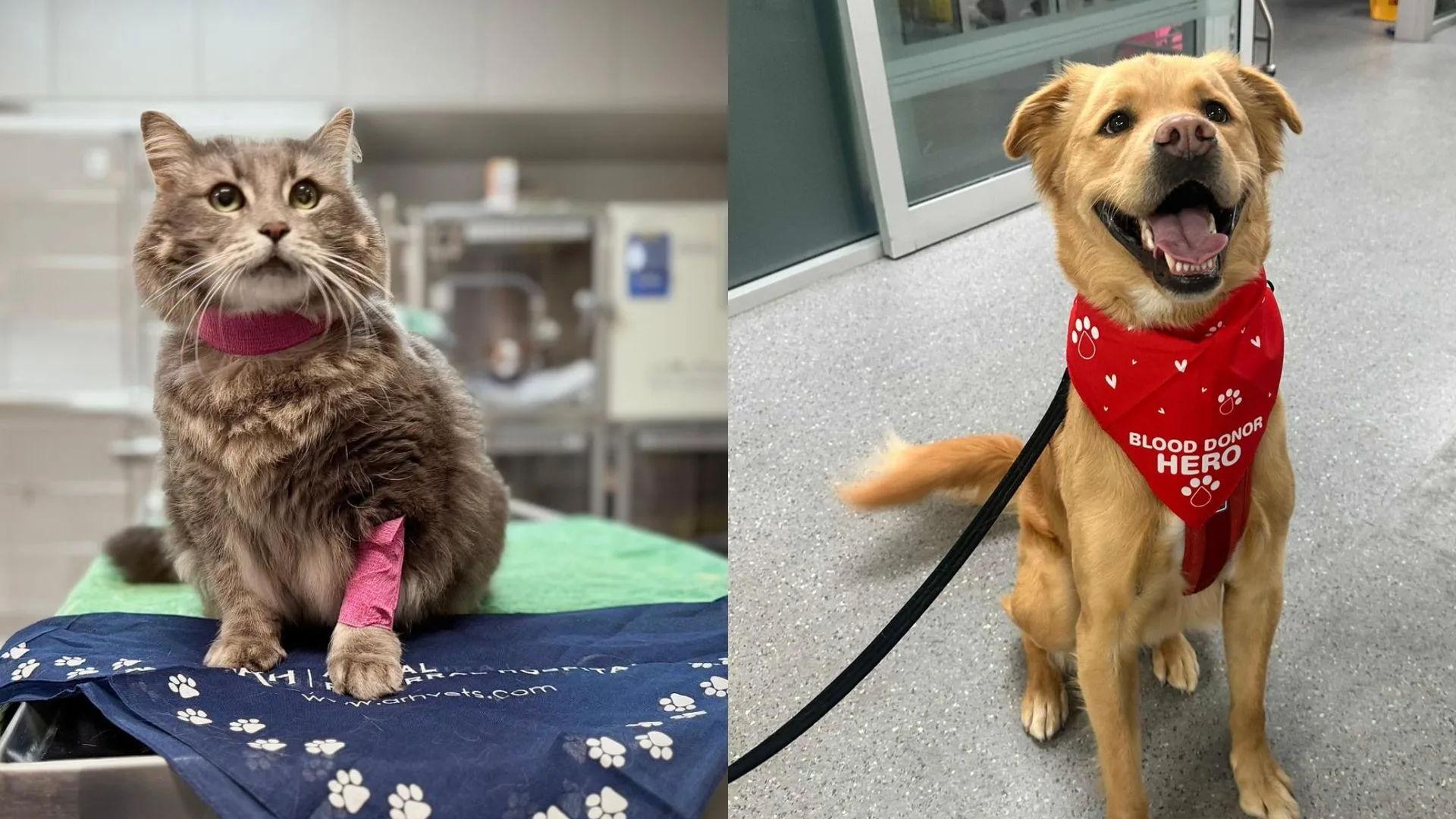
Can my dog or cat donate blood?
Not every pet can donate, but vets say many healthy household dogs and cats meet the criteria.
Dogs must:
- Weigh over 23kg
- Be aged 1–5 years
- Be up to date with vaccinations and parasite control
- Be in good general health
- Have never received a blood transfusion
Cats must:
- Have never received a blood transfusion
- Weigh over 4kg (larger build preferred)
- Be aged 1–5 years
- Be up to date with vaccinations and parasite control
- Be in good general health
Are pets sedated for blood donation?
Most dogs don’t need sedation and can stay awake during the donation. Cats are typically given a light sedative to keep them calm and comfortable, though this depends on the individual cat and the clinic.
Vets say donor welfare is the priority, and pets are closely monitored throughout the process.
What vets say about the risks
For healthy cats and dogs that meet the criteria, blood donation is considered a very low-risk procedure.
Some pets may be a little tired afterwards or have minor bruising. Serious complications are rare. If sedation is required, vets recommend discussing any concerns with your clinic beforehand.

How vets match donor blood safely
Before any blood transfusion, vets perform blood tests to ensure compatibility between donor and recipient animals.
Dogs and cats have different blood types, and vets test dogs to confirm their blood group before donation. This screening prevents adverse reactions and ensures donated blood can be used safely in emergencies.
Veterinarians say this screening is routine in canine blood donation programs, which is why clinics carefully assess healthy pets before accepting them as donors.
Human blood can’t be used for dogs or cats, as animals have different blood types and require species-specific blood for transfusions.
What happens on the day
Before donating, pets undergo a full health check to ensure they’re fit to give blood.
The donation process takes approximately 10–20 minutes and is performed by trained veterinary staff in a calm, controlled environment.
Afterwards, pets are given fluids, offered a snack, and briefly monitored before heading home. Most return to their normal routine later the same day, with a quiet afternoon recommended.
How vets say pet owners can help
Veterinarians are encouraging owners of healthy, calm dogs and cats to contact their local emergency or referral clinic to determine whether their pet is eligible to donate.

Related stories

Native ad body.

Native ad body.



Native ad body.