
If you’ve noticed ladybirds covering your washing line or picnic table this spring, you’re not alone.
Newcastle has been swarmed by thousands of these spotted insects in recent weeks, and gardeners couldn’t be happier. Australian Museum entomologist Dr Chris Reid explains why we’re seeing so many ladybirds and what it all means.
KEY TAKEAWAYS
- Large numbers of ladybirds have turned up across Newcastle
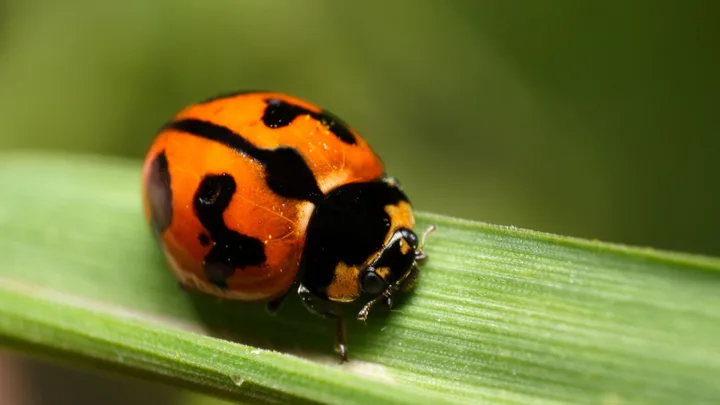
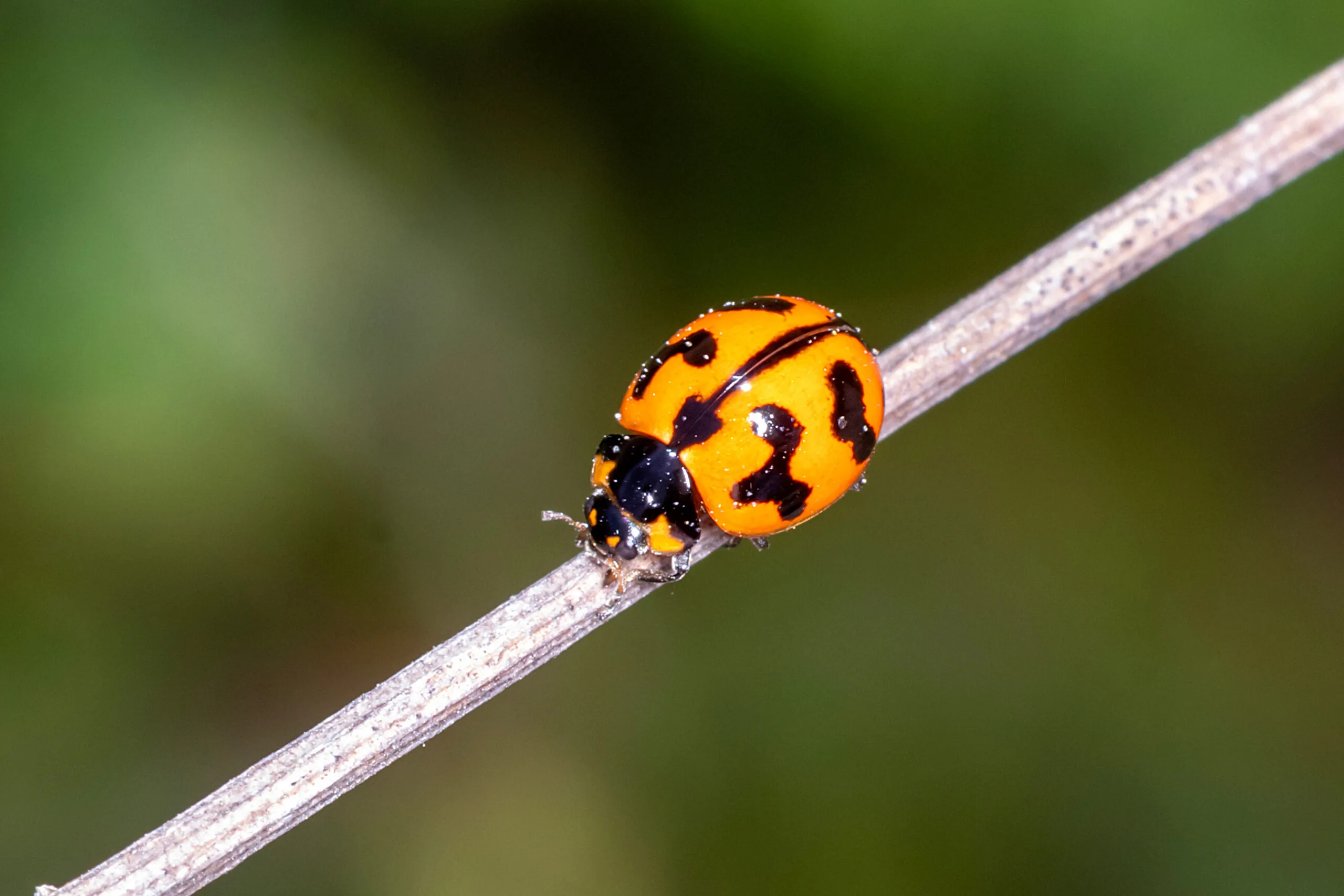
- They’re transverse ladybirds (Coccinella transversalis), a native species found across Australia.
- Australian Museum entomologist Dr Chris Reid suspects they were blown in from inland NSW, along with bogong moths.
One local shared a photo on Reddit of the ladybirds their son collected in just five minutes at the Broadmeadow Farmers Market. “We had moths, now ladybugs!” they wrote, adding, “they were everywhere.”
They’re not the only ones. Others reported seeing huge numbers of the beetles as far west as Maitland and Armidale.
We had moths, now lady bugs!
by u/ConorOdin in newcastle
A native beetle, not an invader
Some people online were worried these swarms meant we’d picked up a new pest. But there’s no need to worry. Dr Reid says these are transverse ladybirds, a native species.
“The species is Coccinella transversalis, and it’s native to the whole of Australia as well as islands to the north and east,” he says.
The bogong connection
Many locals guessed the ladybirds and bogong moths might be connected, and they’re onto something.
Dr Reid says the same weather pattern likely carried both the ladybirds and bogong moths east.
“I suspect it’s part of the spread of pest moths (bogong etc.) and other insects from the interior of NSW due to warm NW/W winds & warm/wet winter conditions inland,” he says.
“Bogongs are minor pests of crops; this species of ladybird feeds on pests of crops (eg aphids) – so we are looking at an explosion of insects associated with crops (and weeds) due to warm and wet winter conditions inland.”
Why they’re turning up on beaches and washing lines
So why are ladybirds popping up on beaches? Dr Reid thinks it’s a matter of circumstance.
“They have to land somewhere!” says Dr Reid. “The beach may be because they are blown out to sea and washed up on the strandline. Some ladybirds show summer aestivation (assemblages of large numbers, like the bogongs) and they may therefore be attracting each other.”
That’s exactly what one local saw at Merewether Beach. “I saw tons of them a few weeks ago being washed ashore along with the first of the bogong moths,” they wrote on Reddit.
A bumper season, not a comeback
While some locals hoped the influx signalled a broader recovery in insect populations, Dr Reid says ideal seasonal conditions likely drove it for a handful of already common species.
“Very few insects are involved in this phenomenon, and they are all known to be common widespread species,” he says.
Good news for your garden
If you’re battling aphids in your garden, you’ll be happy to see this swarm.
“Ladybirds are toxic if eaten. Otherwise, they are good for your garden as they eat pest insects,” says Dr Reid.
Gardeners couldn’t be happier. One local who lost their garlic to black aphids this year was quick to thank the ladybirds for stepping in and doing the hard work.
Another said, “They can come to my garden and feast on the aphids anytime.”
So if you spot a cluster around your home this week, there’s no need to be alarmed. They’re unlikely to stick around for long, and in the meantime they’ll happily tackle aphids and other garden pests.
As Dr Reid puts it: “Just enjoy.”

Related stories
Native ad body.
Native ad body.
How to keep your summer lawn pristine

Native ad body.