

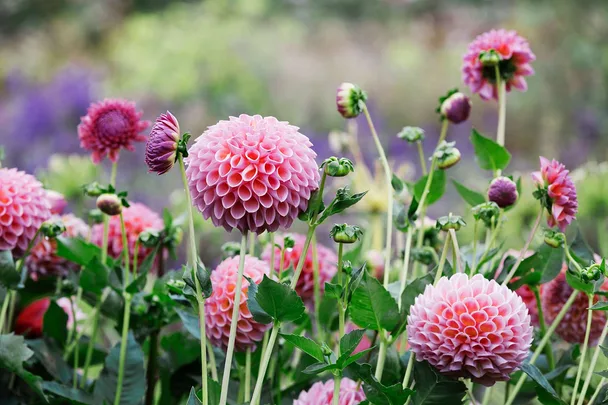
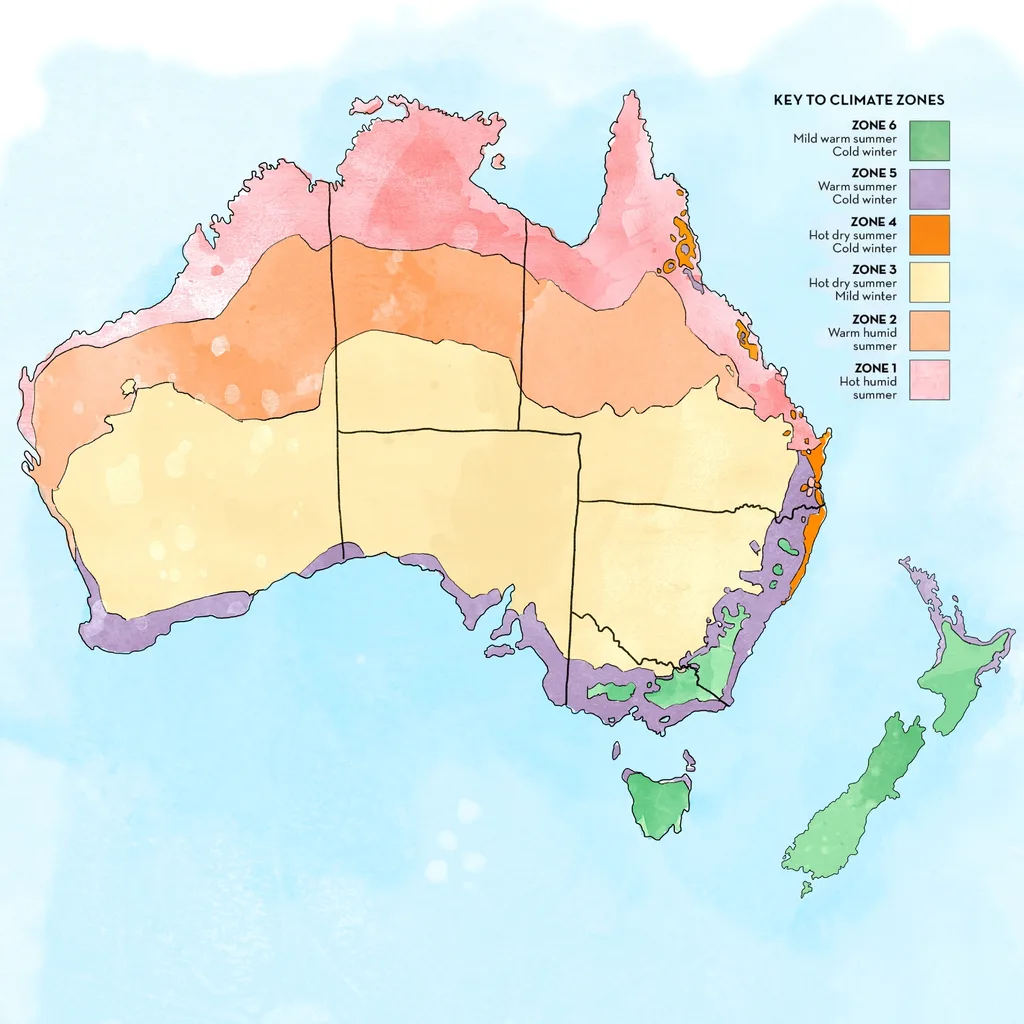
Each month we give ideas, tips and planting advice for cooler, warmer, wetter and drier areas in each zone, so ask at your local nursery which zone best matches your conditions.
Find out which climate zone you’re in below, and plant accordingly:
Flowers
All zones
- African marigold
- Ageratum
- Alyssum
- Arctotis
- Aster
- Bedding begonia
- Carnation
- Dahlia
- Gazania
- Honesty
- Marigold
- Nasturtium
- Petunia
- Portulaca
- Rudbeckia
- Torenia
- Tuberous begonia
- Verbena
- Zinnia
Zones 1-3
- African marigold
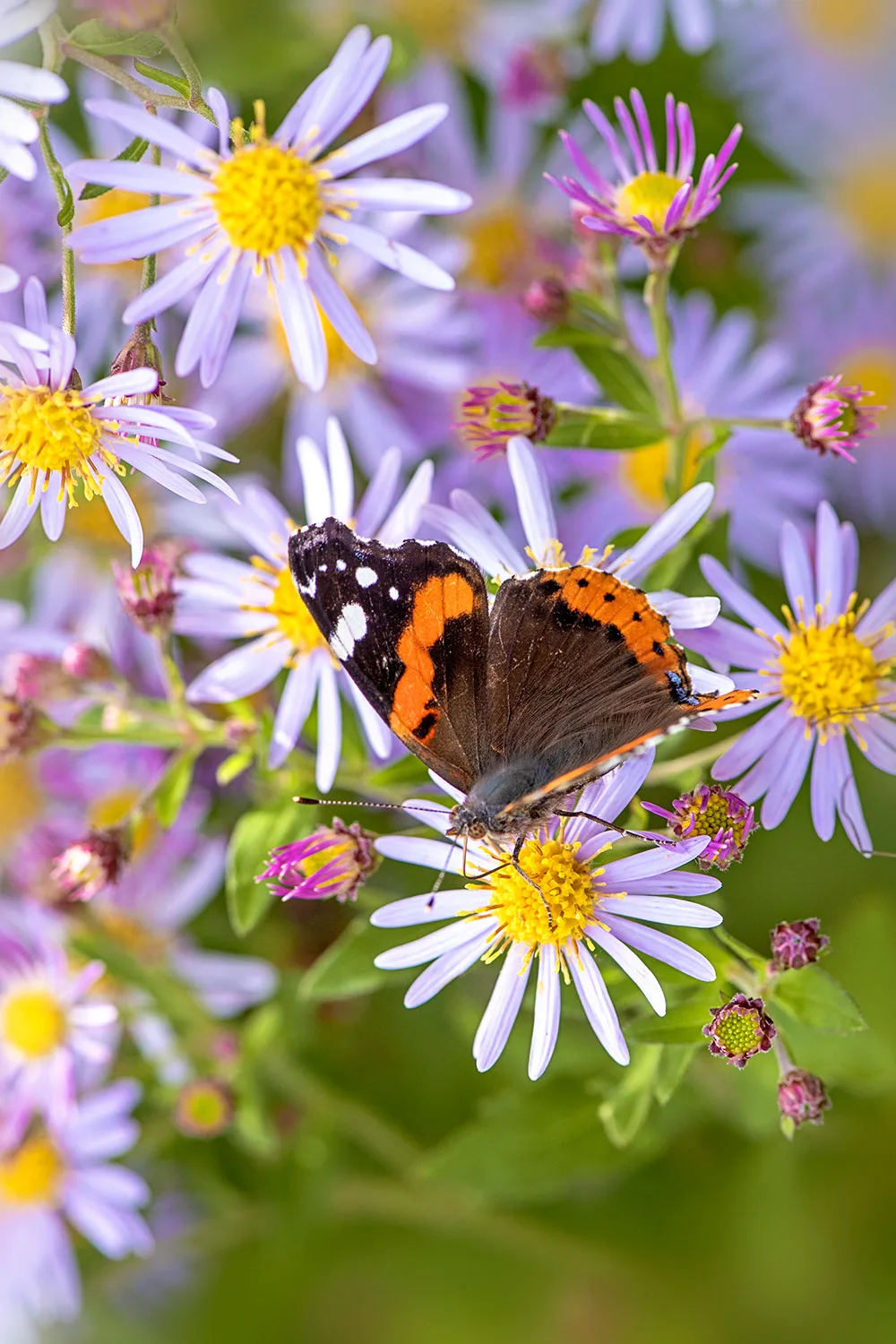
- Aster
- Arctotis
- Ageratum
- Bedding begonia
- Californian poppy
- Celosia
- Chysanthemum
- Coleus
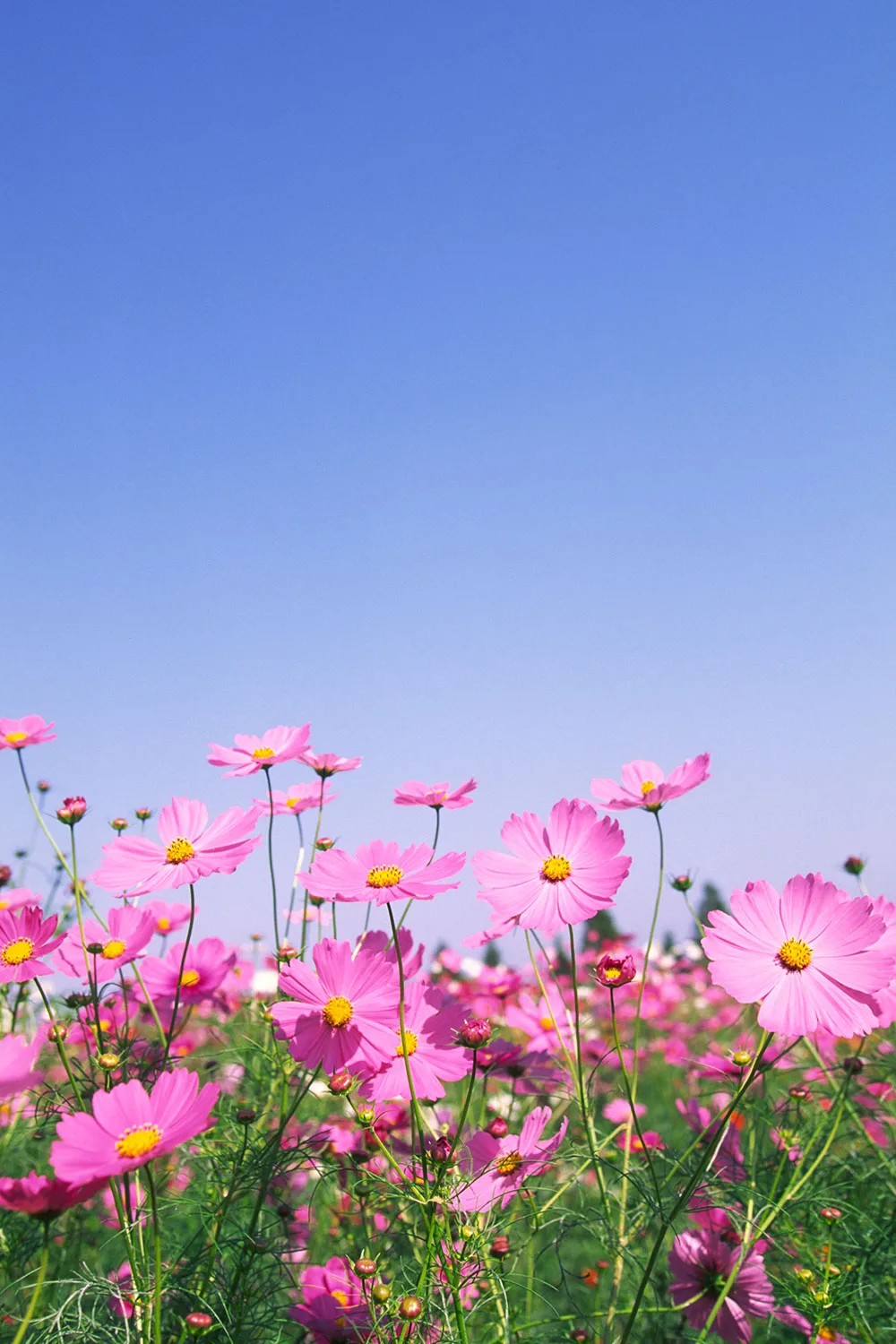
- Cosmos
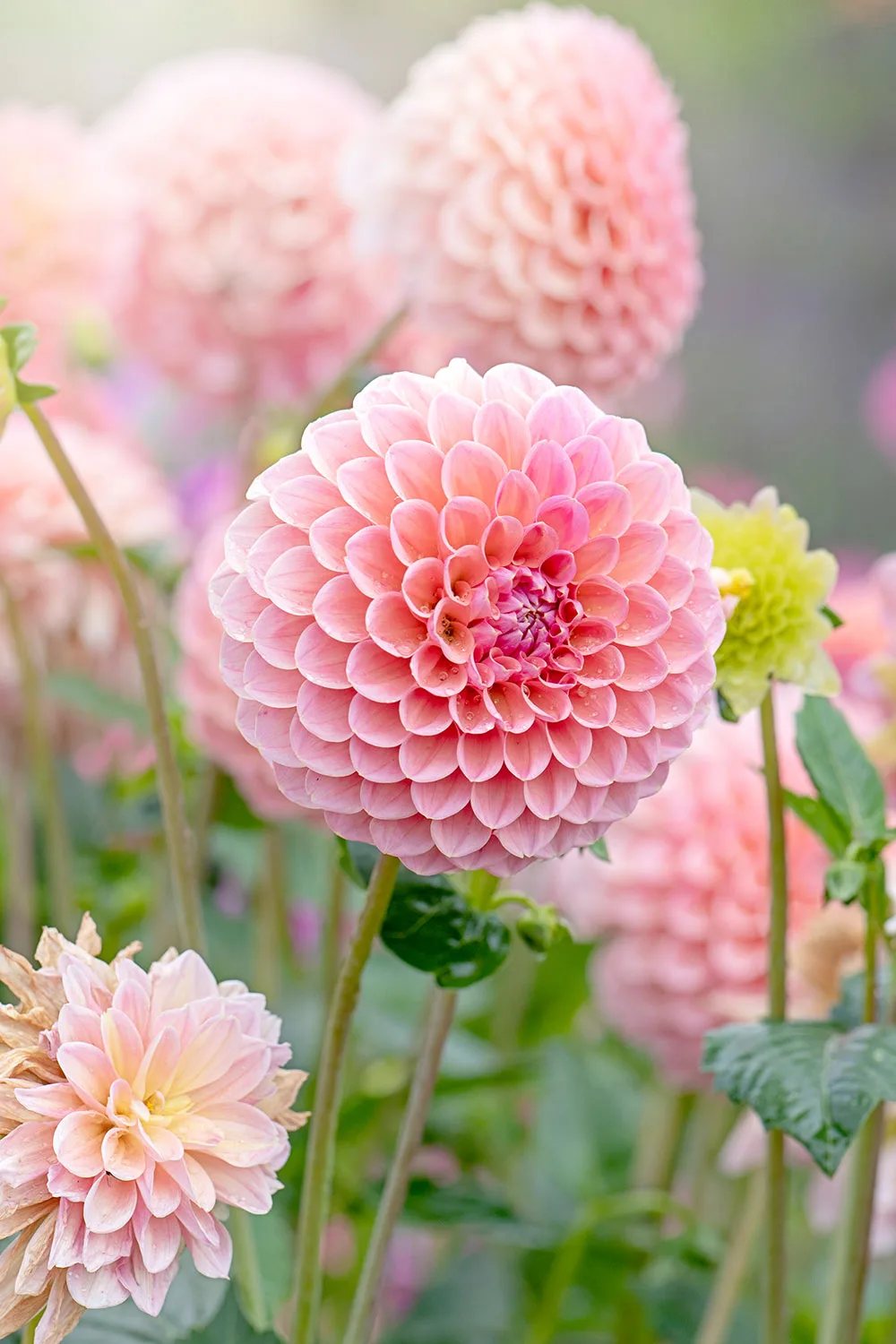
- Dahlia
- Gazania
- Gerbera
- Phlox
- Portulaca
- Salvia
- Sunflower
- Zinnia

Zones 4-6
- Carnation
- Chrysanthemum
- Cleome
- Cosmos
- Delphinium
- Dianthus
- Lobelia
- Petunia
- Snapdragon
- Statice
Vegetables
All zones
- Asparagus
- Beans
- Beetroot
- Broccoli
- Cabbage
- Carrot
- Lettuce
- Mustard
- Onion
- Parsnip
- Peas
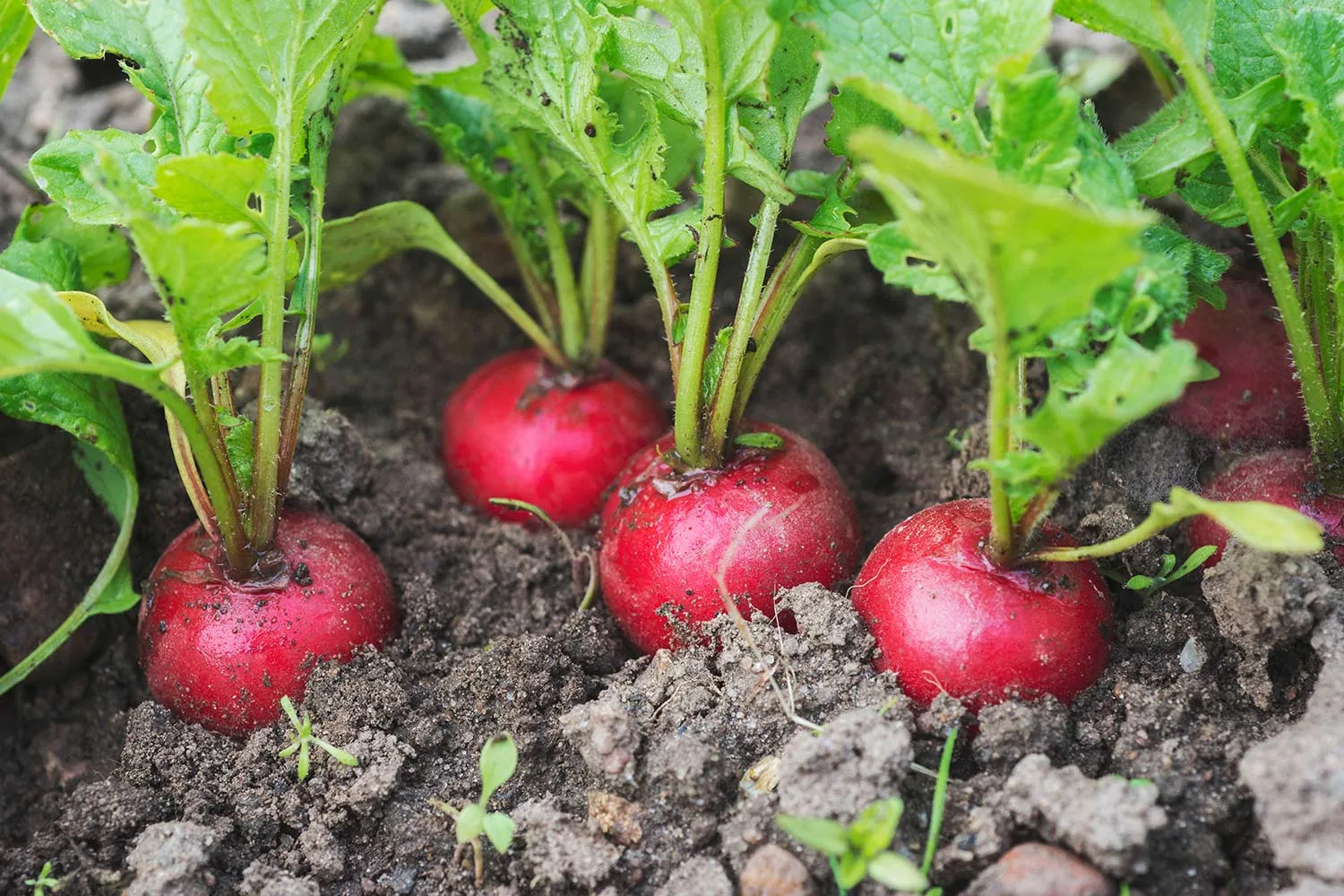
- Radish
- Sweetcorn
- Tomato
- Turnip
- Zucchini
Zones 1-3
- Beans
- Capsicum
- Carrot
- Cucumber
- Marrow
- Melon
- Potato
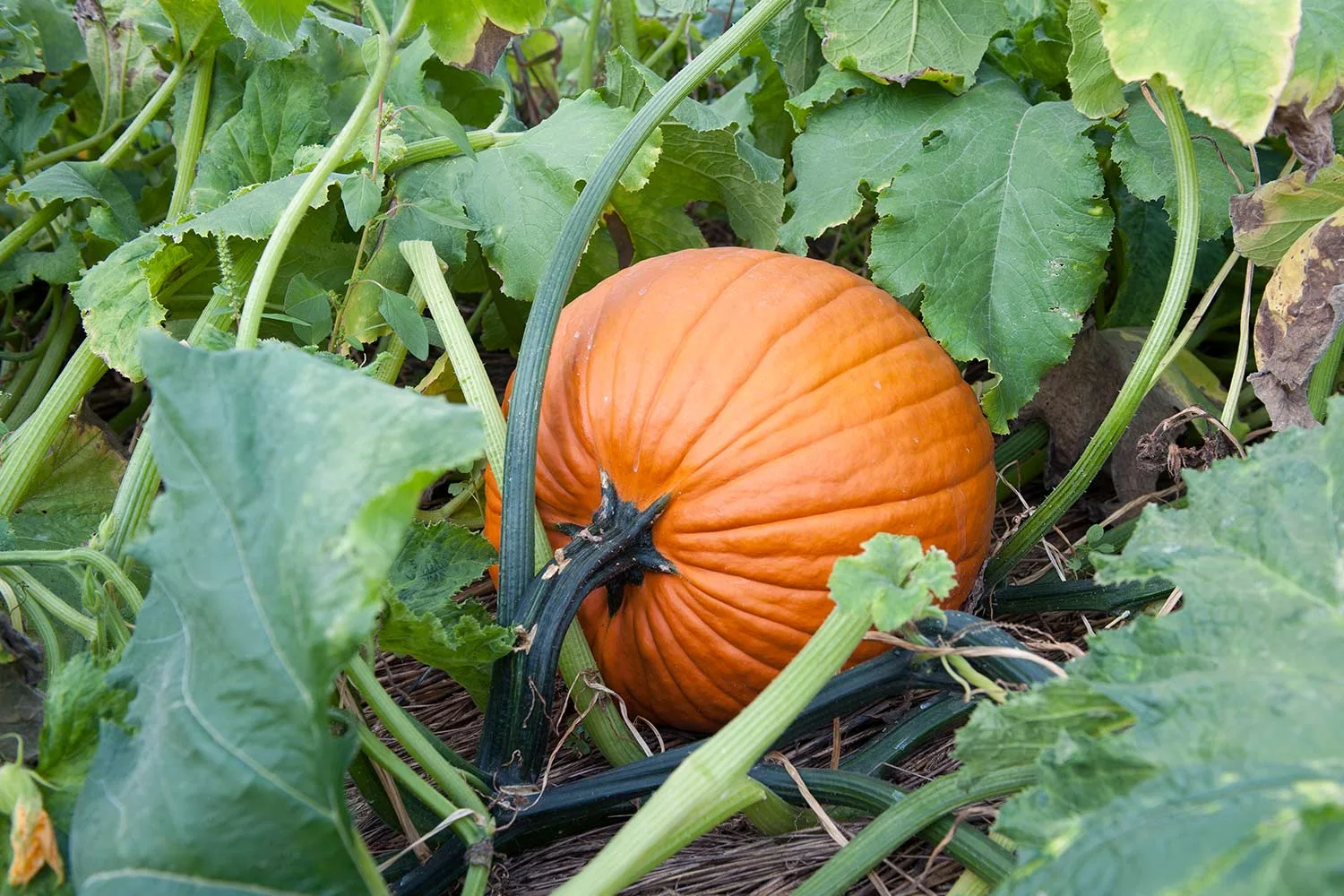
- Pumpkin
- Radish
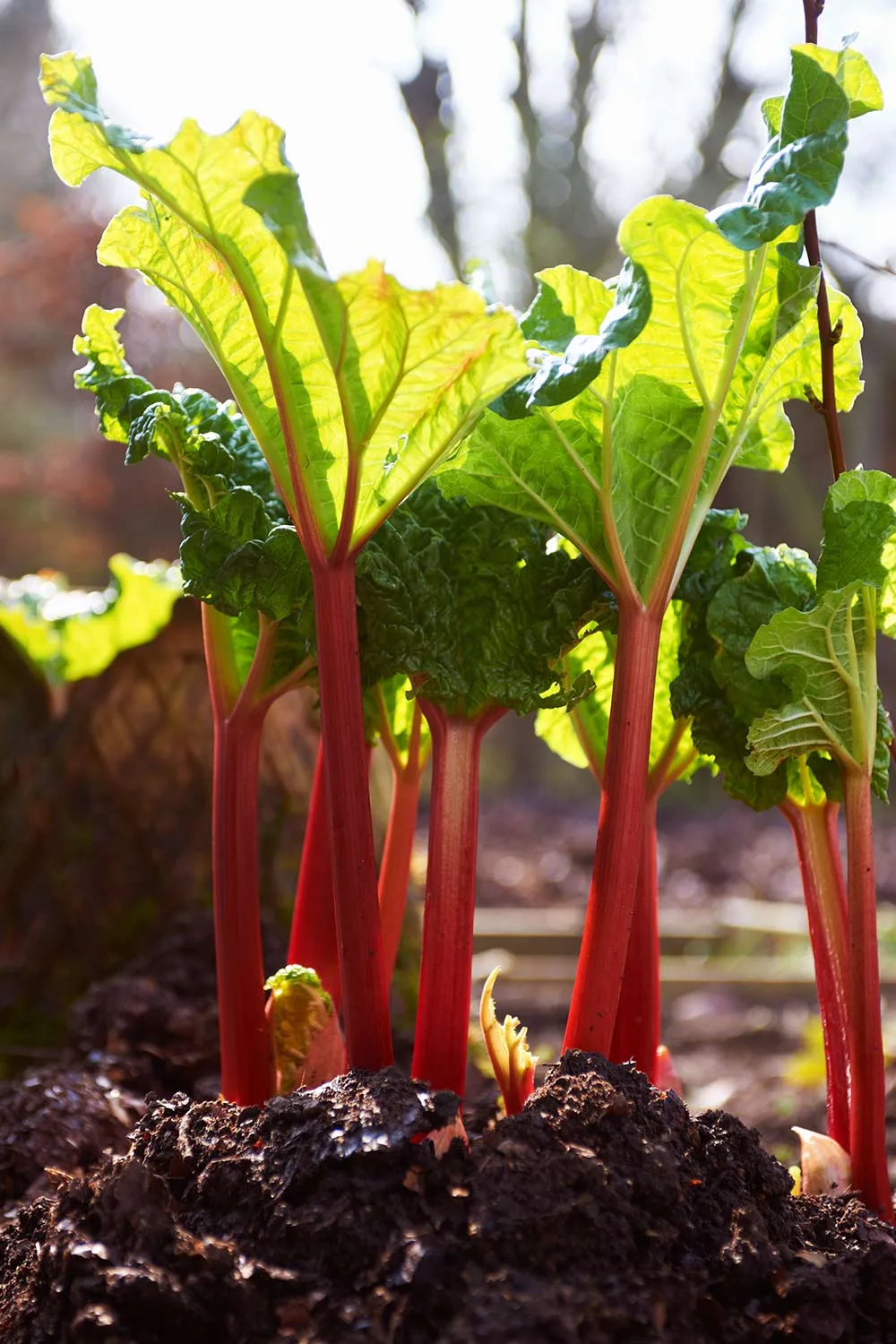
- Rhubarb crowns
- Shallots
- Squash
- Sweet corn
- Sweet potato
- Tomato
Zones 4-6
- Artichoke suckers
- Broccoli
- Cauliflower
- Chinese cabbage
- Cress
- Endive
- Kohlrabi
- Leek
- Melon
- Onion
- Peas
- Potato
- Rhubarb
August gardening jobs
- Wake plants from their winter slumber with a pre-spring fertilising campaign with slow-release fertiliser or pelletissed manure.
- Check for citrus gall wasp (indicated by ugly swelling on stems), remove with a knife if needed and destroy to stop new infestations.
- Prep to plant a hedge in early spring by turning over soil for aeration and nutrients.
- Sow seeds for early tomatoes (in colder areas sow in a tray on a sill indoors).
- Fertilise lawns towards the end of August as part of their winter recovery.
- Feed jonquils and daffodils as they finish flowering, but don’t cut back foliage until fully dead.
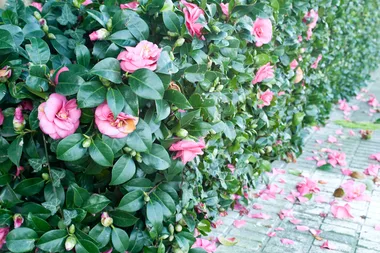
- Lightly prune camellias after they have finished flowering.
- Inspect azaleas for petal blight and spray if necessary.
- Finish pruning your roses by mid-August and spray for black-spot if it’s been a problem in the past.
- Check out some of the striking wattles now in flower and make choices for your own garden.
- Cut back passionfruit vines by a third to encourage spring growth and plentiful fruit.
- Pick a dry sunny day to spray gravel paths with weed killer.
- Check azaleas fo petal blight (mushy brown petals) and spray with a fungicide if present
- Fertilise early spring bulbs that have finished flowering but resist the urge to cut back foliage until it has completely died down
- Pull out or spray annual weeds as they appear to stop them from becoming established
- Plant pawpaw in subtropical zones for lush fruit for years to come

