

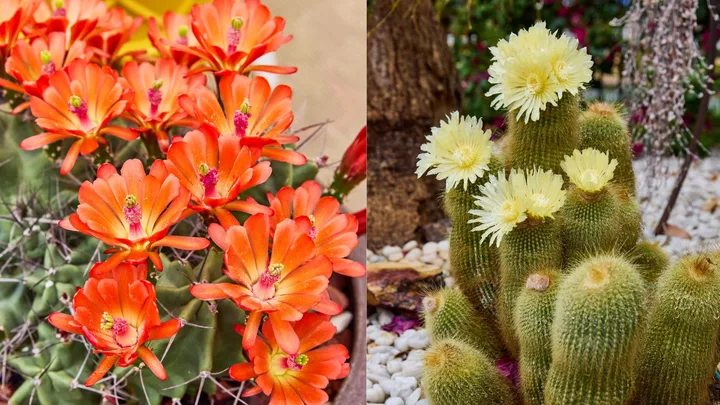
Flowering cacti aren’t the first thing that comes to mind when you think about flowers, but maybe they should be.
What you may not know is that many of these dry-weather-lovers actually produce pretty and colourful blooms. And true to their general reputation, they’re super easy to grow.
KEY TAKEAWAYS
- Many cacti will flower when given the right conditions — they simply need to be triggered.
- A cold, dry winter rest from May to August is the single most important step to encourage blooming.
- Full sun, excellent drainage, and infrequent watering are essential for most flowering cacti.
- Terracotta pots and a dedicated cactus potting mix will give your plants the best chance.
- Some cacti, like the yellow tower cactus, can take up to five years to flower — but the wait is worth it.
In fact, you might already own a cactus capable of producing its very own flowers. They simply need the right conditions to trigger a burst of multi-coloured blooms.
Here are 13 of our favourite flowering cacti that will seriously up your garden game.
13 of our favourite flowering cacti

Yellow tower cactus (Parodia leninghausii)
Yellow tower cactus (Parodia leninghausii) starts as clusters of small, barrel-shaped plants that then grow into mini pillars. It takes about five years to flower, but the butter-yellow blooms are worth the wait!

Variegated crested San Pedro cactus (Trichocereus pachanoi)
The Variegated Crested San Pedro cactus is a notoriously reluctant bloomer, but given the right conditions — bright indirect light, a well-draining soil mix, and a cool dry rest period in winter — it may reward you with its stunning large white nocturnal flowers. To encourage blooming, ensure the plant is mature (typically at least a few years old), avoid overwatering, especially in cooler months, and give it a period of temperature stress in late autumn to mimic its natural Andean environment.

Orange crown cactus (Alylostera pulvinosa)
The small, round orange crown cactus (Alylostera pulvinosa) produces many offsets. To encourage flowering, provide plenty of bright, direct sunlight; a cool, dry dormancy period over winter with minimal watering; and resume light feeding with a low-nitrogen fertiliser in spring.

Jelly beans sedum (Sedum rubrotinctum).
Pair a yellow tower cactus (Parodia leninghausii) with the sweet little jelly beans sedum (Sedum rubrotinctum). Both thrive in bright light, fast-draining soil, and infrequent watering.

Crested silver torch (Cleistocactus strausii).
The crested silver torch (Cleistocactus strausii) is a showstopping cactus that will have people talking. Its contorted, brain-like form wears a dense coat of fine white spines that create an ethereal, frosted look. Grow it in full sun with excellent drainage and a dry winter rest, and with patience, it will reward you with narrow, deep red tubular flowers.

Claret cup cactus
The claret cup cactus (Echinocereus triglochidiatus) is one of the most reliably and spectacularly flowering cacti you can grow. It produces a breathtaking display of vivid scarlet-orange blooms in spring. To encourage this stunning show, give it full sun, gritty, well-draining soil, and a cold, dry winter rest. This tough native of the American Southwest and northern Mexico actually needs that seasonal chill to trigger its magnificent floral performance.

The rainbow cactus (Echinocereus rigidissimus)
The rainbow cactus (Echinocereus rigidissimus) is one of the most visually striking cacti you can grow, its cylindrical body banded in alternating rings of red, pink and white spines that give it that distinctive striped look even when it’s not in flower. To trigger that spectacular display, give it full sun, excellent drainage, and a cold, dry winter rest.

Monkey tail cactus (Cleistocactus colademononis)
The monkey tail cactus (Cleistocactus colademononis)is one of the most fun cacti you can grow — those long, trailing stems covered in soft white hair-like spines look exactly like, well, monkey tails. Hang it in a basket where those shaggy arms can dangle freely, give it a sunny spot, and go easy on the water. The real payoff comes when it produces its gorgeous, deep red, tubular flowers. The good news is it ranks among the most reliable bloomers of the group, so give it a dry winter rest and a bright, warm spring, and it will deliver.

Powder puff cactus Roseiflora (Mammillaria bocasana)
The powder puff cactus, Roseiflora (Mammillaria bocasana), is one of those plants that stop people in their tracks. To get the delicate pale pink blooms appearing in a neat ring around the top, give it plenty of bright light, keep it in a snug pot, and ease off on watering through winter. That cool, dry rest is really the secret.

Prickly pear cactus
Falling under the Opuntia genus, there are over a hundred species and varieties – truly one to suit everyone and every environment! Every variety is hardy and easy to grow. Just handle the prickly pear with care — it earns that name for a reason. With the right conditions, the prickly pear will produce pink, red, orange or yellow flowers.

Easter lily cactus
The Easter lily cactus will produce a spectacular flower spike, and is definitely one of the more showy blooms of its kind. If well taken care of, this cactus will flower for several weeks – as soon as a flower wilts, a new one follows. These cacti will need plenty of light and will benefit from fertiliser to give them an energy boost and help them produce blooms.

Night-blooming cereus
As the name would suggest, the night-blooming cereus is a special variety that only blooms at – you guessed it – nighttime! Some flowers last only one night, so set up a camera and make sure you capture the moment. In terms of care, these succulents need plenty of sunlight and good drainage.


Zygocactus
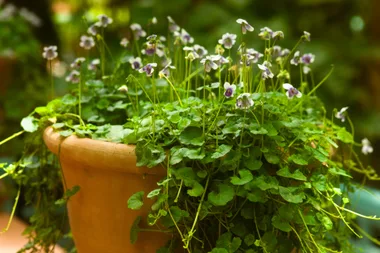
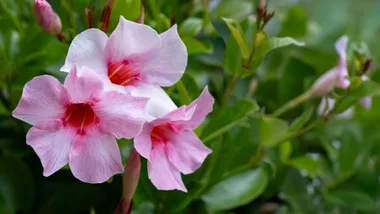
These cacti are the perfect way to bring your garden to life in winter, which is when they produce their bell-like flowers. To produce the best results, ensure dappled sunlight, well-drained soil, minimal watering, a frost-free environment and adequate darkness at night, which it relies upon to flower.
How to care for your flowering cacti
Climate
Warm to hot and dry.
Aspect
Full sun.
Soil
Well-drained and sandy.
Water
Despite being drought-tolerant and able to store water in their stems, cacti still need water to stay healthy. Water needs depend on the species, its age and your climate. You can tell if a cactus is thirsty when the soil is completely dry, or the plant is showing signs of withering or losing colour.
Generally, in winter, you should water them lightly once a month. In spring, water them every fortnight. In summer, water weekly, and in autumn, water every two weeks. Don’t overwater, as it can cause the roots to rot, especially if your soil doesn’t drain well.
Food
Give cacti a balanced fertiliser (equal parts nitrogen, phosphorous and potassium – it’s written on the label as NPK) in spring and summer.
Common pests
Scale and mealy bugs – dip a cotton bud in rubbing alcohol and dab them.
Growing in pots
It’s best to grow cacti in terracotta pots, as they’re porous and excess water seeps through the walls of the planter. Use a special succulent and cactus potting mix that is a well-draining medium, available from gardening centres.


Cold, dry winter rest: the key to getting cacti to flower
The cold, dry winter rest is the single most important thing you can do to encourage your cacti to flower.
Most of the cacti we’ve talked about here are native to high-altitude regions where winters are cold, and rainfall is scarce, and they’ve evolved to need that seasonal chill as a trigger for spring blooming.
From around May through to August, pull back watering to almost nothing, and move plants to your coolest spot, ideally somewhere that drops to around 5–10°C at night. Come September, gradually reintroduce water and warmth, and that’s usually all the encouragement they need to flower.
Flowering cacti FAQS
There are a variety of cacti that produce beautiful flowers. The Easter cactus tends to pop with bright colours, along with the bell-like flowers of Zygocactus.
Most cacti will bloom given the right conditions, but some of the most reliable bloomers include Mammillaria, Rebutia, and Echinocereus species. The ones in this collection — from the rainbow cactus to the powder puff — are all known for producing impressive blooms when given a cold, dry winter rest and plenty of bright light.
Most flowering cacti bloom once a year, typically in spring, after their winter rest period.


