
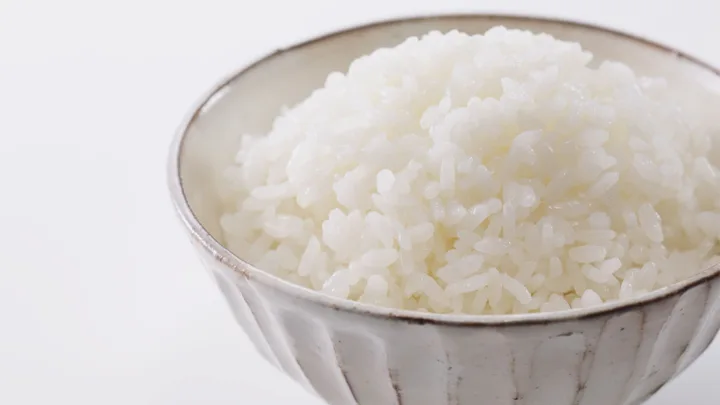
How long does rice last in the fridge? As a general rule, cooked rice lasts three to four days in the fridge. However, according to CSIRO scientists, you may need to discard cooked rice earlier than this timeframe, depending on its odour or texture.
It’s also important to note that the four-day rule applies to white and wild rice; brown rice will expire faster.
How long does rice last in the fridge?
Cooked white rice lasts in the fridge for three to four days. If you store your rice properly, it will have a much longer shelf life. However, don’t entirely rely on this general rule: use your sense of smell or the rice’s texture to help you judge if it’s still safe to eat.
After cooking, the key to storing leftover rice is to let it cool to room temperature and refrigerate it ASAP. Most experts recommend storing leftover rice in the refrigerator within an hour of cooking.
Poor storage can increase the risk of the rice being bad to eat. In fact, the Australian Food Safety Council advises a more cautious approach, stating “Precooked food should not be stored in the refrigerator for more than two to three days.” And that includes rice.
Does rice go off?
Yes, cooked rice can go off, and it does so much faster depending on how it was stored. Here are a few signs that your rice is no longer safe to eat.
- It has a strange smell. If your rice smells a bit funky and sour, that may be a sign that bacteria are already growing in your leftovers, so it’s best to throw it out.
- Your rice is dry, crumbly, and tough. Rice that’s been in the fridge for too long will have lost a lot of its moisture content. Even if it doesn’t smell strange yet, this is a red flag that indicates it’s been sitting there too long.
- The rice is slimy. This indicates that the rice was refrigerated with too much moisture, which promotes bacterial growth and initiates fermentation.
Does the rice variety make a difference?
White rice lasts longer than some other types, but not by much. Brown rice, for example, lasts only four to five days in the fridge. This is because brown rice is less processed than white rice, and the oils that make it healthier also cause it to expire faster.
Wild rice has the same expiry period as white rice, lasting up to three to four days.
Can you eat cold rice?
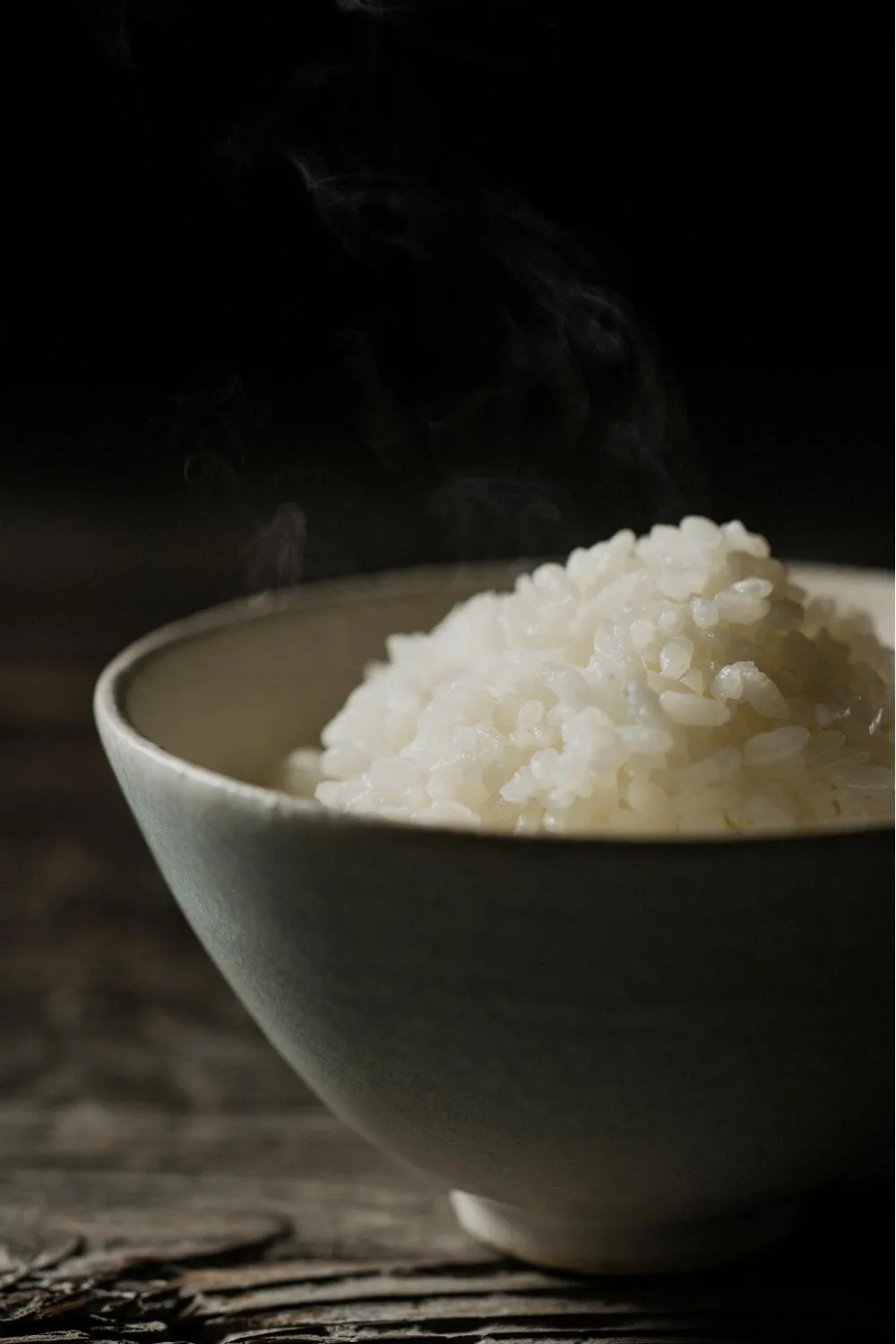
If you are cooking rice to consume later, wait until the steam stops rising, then cover the rice and refrigerate it.
This preventive measure will help keep it out of the temperature danger zone for food, 5-60 degrees Celsius.
For large portions of hot rice, scoop the rice and place it in shallow trays less than 10cm deep to cool faster. But do not stack the containers until the rice is cool.
Cold rice is just as safe to eat as hot rice, although you may notice a different texture. Use the tips recommended above to determine whether it’s still okay to eat.
Can you freeze cooked rice?
Freezing cooked rice is a great way to ensure you don’t let leftovers go rancid in your refrigerator, and you can defrost it at any time for meals. However, you should add a little bit more moisture into your leftover rice – perhaps some olive oil or butter – because it’s lost a bit of water through the freezing process.
Cooked rice in the fridge will last less than a week, but frozen rice will have a shelf life of anywhere from six to eight months in your freezer before it’s not okay to eat anymore. If you cook rice in large batches, storing it in airtight containers and freezing it is a good way to reduce meal prep time and reduce food waste.
Tips for storing cooked rice
- Let your rice cool properly before you put it in the fridge (the sooner you get it in, the better). Putting your rice in the fridge while it’s still hot can cause moisture to pool, encouraging bacterial growth and making your rice spoil faster.
- Use airtight containers. Resealable plastic bags or airtight containers keep unwanted moisture out of refrigerated rice. The less exposure to bacteria, the safer it will be to eat the next day.
- Only reheat what you’re going to eat. Reheating and cooling your rice multiple times allows bacteria to grow, so just get the portion you want to eat and heat that. If you have too much leftover rice, freeze it.
When in doubt, throw it out
Proper storage is the key to avoiding food poisoning. If you’re unsure if your cooked rice is still safe to eat, the smartest thing to do is throw it in the bin. It may be wasteful, but it’s better than dealing with stomach cramps from spoiled leftovers. In the future, put your cooked rice in the freezer if you won’t eat it ASAP.
What makes you sick after eating rice
Have you experienced food poisoning after eating a bad batch of rice? Sometimes it only takes 30 minutes for the nasty bacteria to produce toxins that make you feel ill.
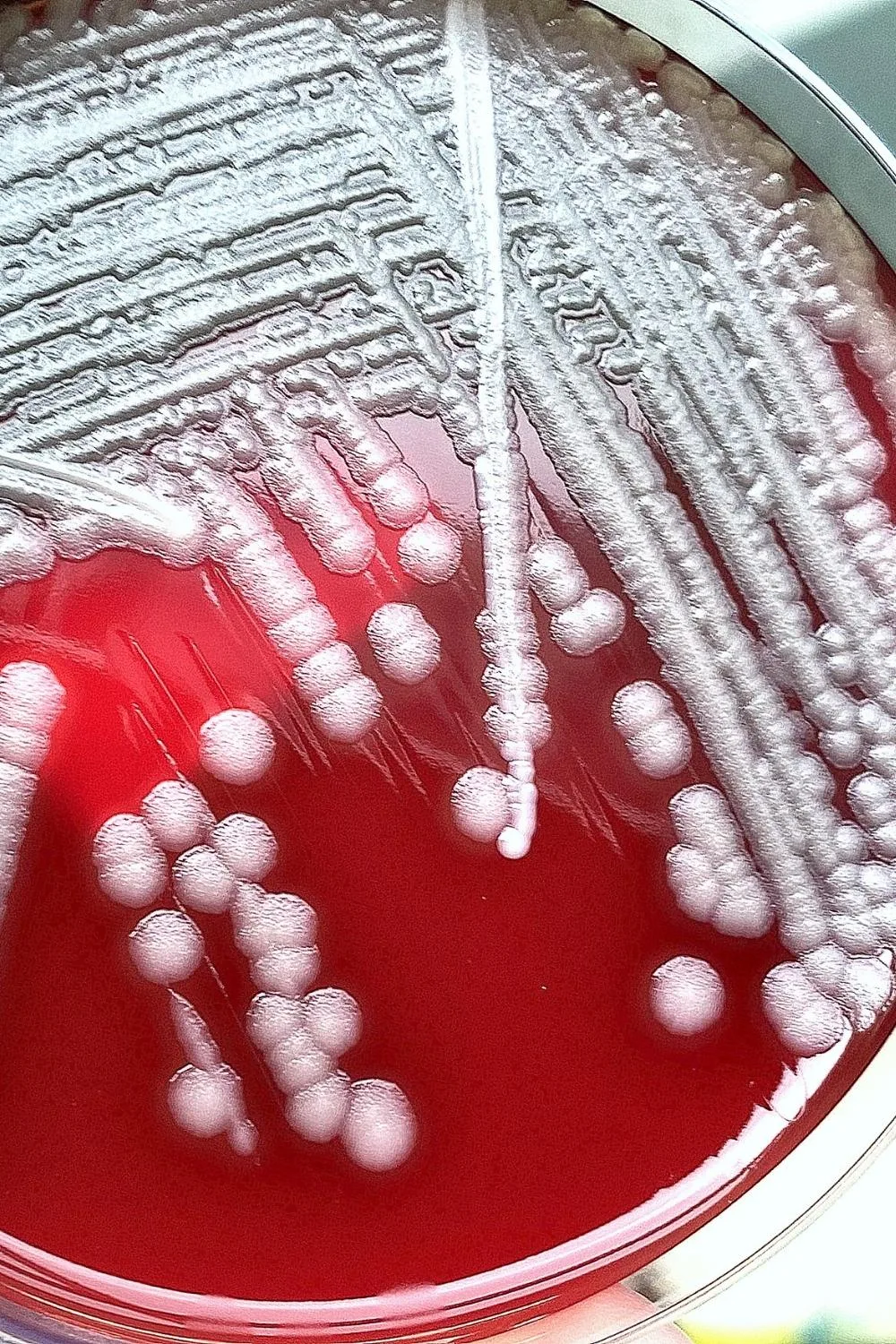
According to CSIRO food microbiologist Cathy Moir, it’s the bacteria strain Bacillus cereus that makes you sick.
What is Bacillus cereus?
Bacillus cereus is a type of bacteria that can grow in cooked foods if they’re left out too long. It’s most commonly linked to rice, but it can also grow in pasta, noodles, potatoes, soups and leftovers.
The tricky bit? It can produce toxins that don’t go away when you reheat food. So even if food looks and smells fine, it can still make you sick.
Symptoms often come on quickly — within 1 to 6 hours — and can include vomiting or diarrhoea.
But it’s not just rice. Bacillus cereus is commonly found in soil and sometimes in plant foods grown near the ground, such as legumes, cereals, and spices.
When food is cooked and handled correctly, Bacillus cereus is not a problem. The primary issue is that dry conditions, such as in rice packets or spice containers, can harbour spores.
Can you cook the rice to kill bacteria spores?
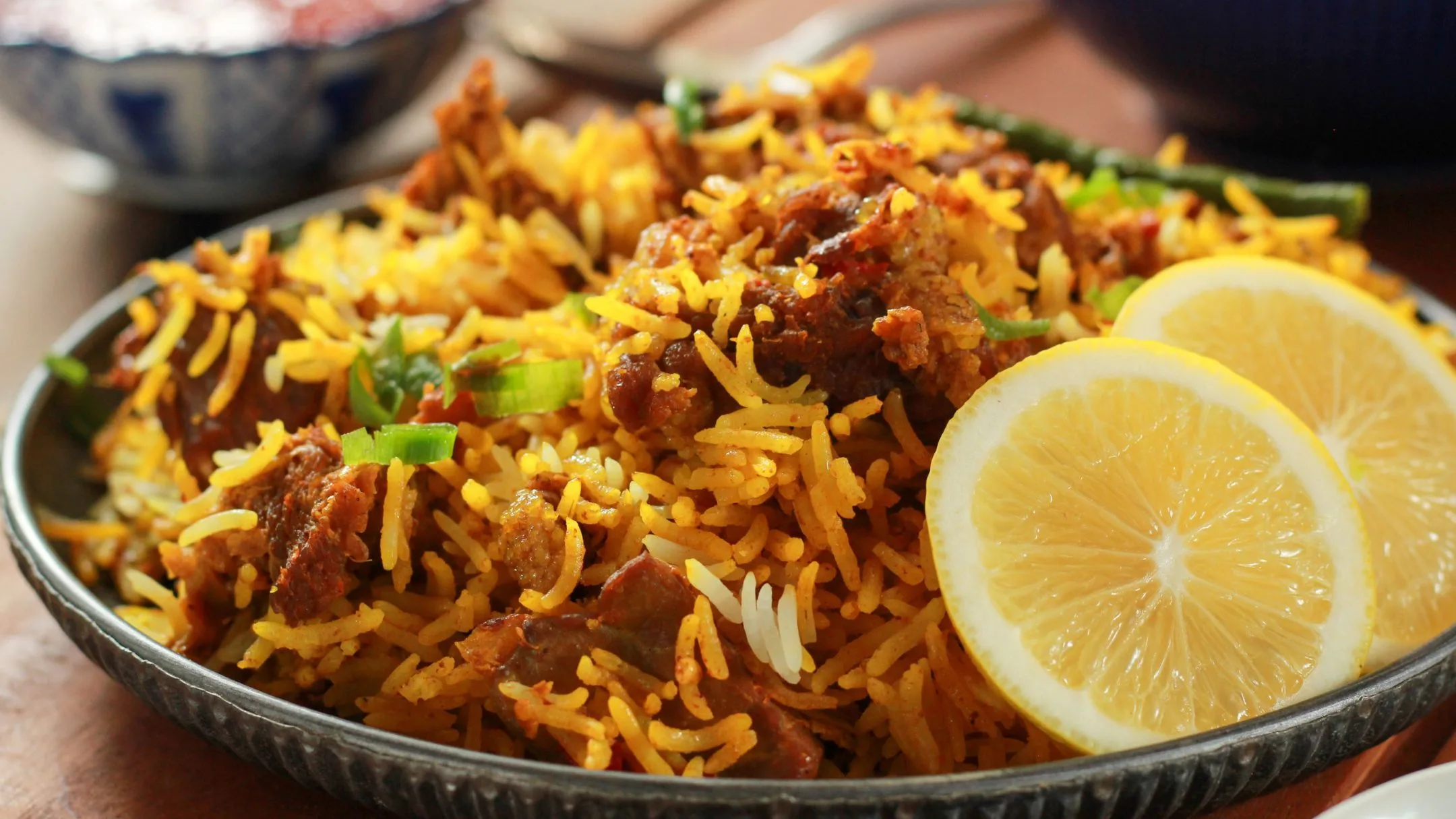
Unfortunately, no. The cooking process doesn’t kill the heat-resistant spores or the toxin that the bacteria produce. Cooked rice is a breeding ground for bacteria; it thrives in moist, warm environments. If anything, it will thrive, especially after other bacteria present initially are killed by cooking.
It’s good practice to store your rice in the fridge, preferably within an hour of cooking, but no later than four hours.
However, refrigeration won’t kill the bacteria but will slow their growth.
How to reheat cooked rice
Follow these simple tips for reheating cooked rice.
- Reheat food until it’s steaming hot all the way through
- Only reheat once
- Reheating does not destroy Bacillus cereus toxins if they’ve already formed


Related stories

Native ad body.

Native ad body.



Native ad body.