
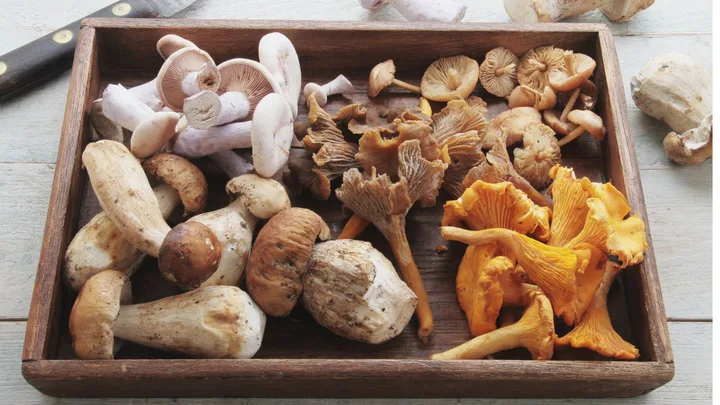
How long do cooked mushrooms last? Most mushrooms have a shelf life of over two weeks, though this can vary depending on the specific type and its preparation. If you want to extend your mushrooms’ shelf life, storing them in a paper bag in the fridge is a good place to start.
Here’s what you should do when you find yourself with a few extra mushrooms that you aren’t planning to use anytime soon.


RELATED: How to grow mushrooms
Do mushrooms go off?
According to IFCO Systems, mushrooms go off after a week or two, but that can be extended by cooking and storing them. As a general rule, exposure to air is the biggest thing that can affect the freshness of your mushrooms, followed by whether you have already cooked them, and then the kind of mushroom you have.
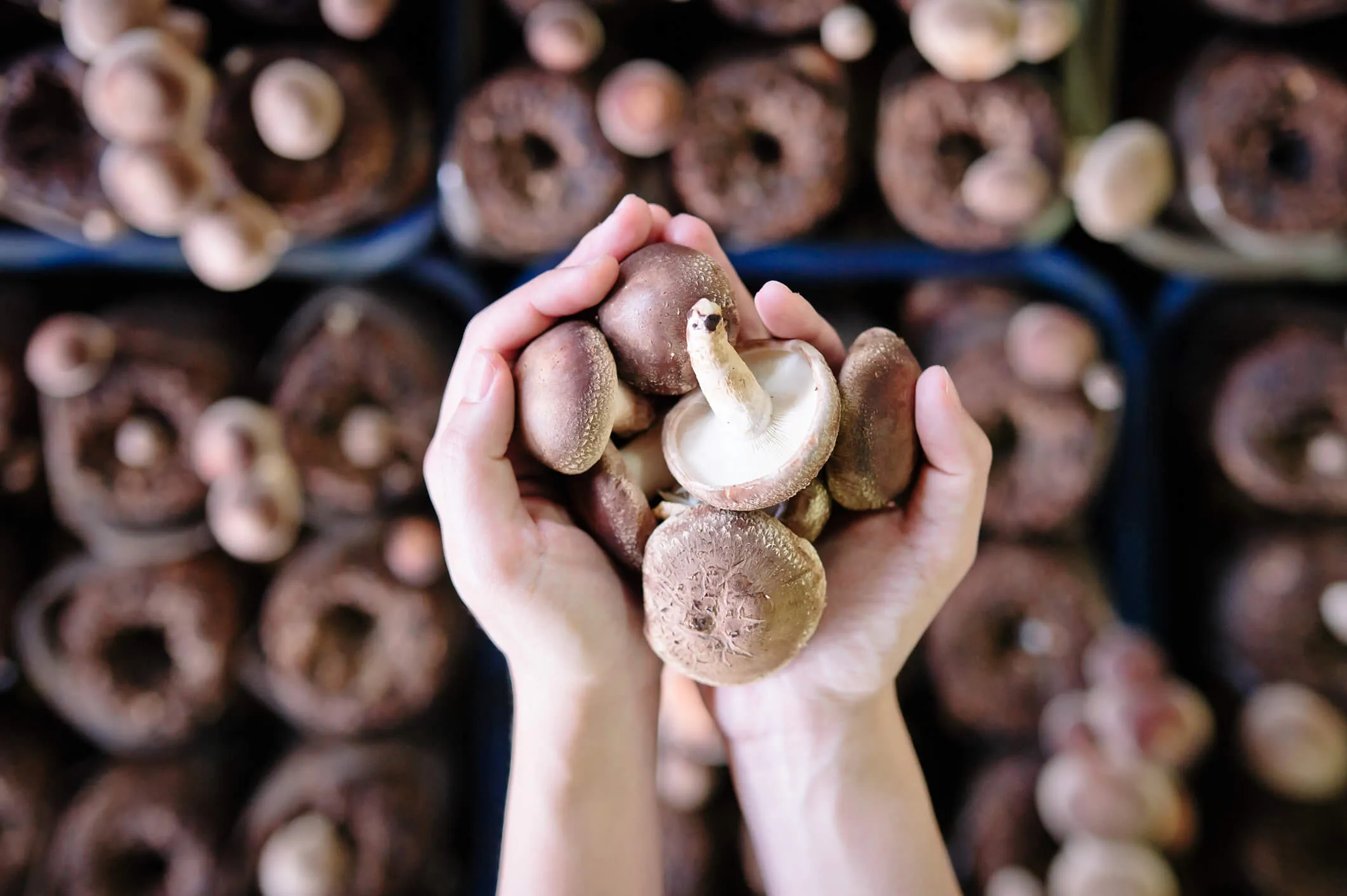
Bigger species of mushrooms (like porcini, shiitake, or cremini) last longer because of their larger size and lower surface area. Smaller mushrooms like the long white enokitake or any other species of long skinny mushrooms don’t last as long, because their small surface areas make them vulnerable to oxidation.
How long do mushrooms last?
Check with your grocer or market seller for advice on the shelf life of your specific mushroom. According to ICFO’s research on mushroom packaging:
Sliced and chopped mushrooms last for about a week. Since the insides are exposed, they’re more prone to drying out.
Whole, unsliced mushrooms can last for over two weeks. Freshly harvested mushrooms (the ones you can get from a farmer’s market, like Fresh Field, and not pre-packaged in plastic) last a little longer.
Cooked mushrooms are suitable for about 2 weeks. However, the way you cook the mushrooms and the ingredients you use can affect this, as you’ll see below.
Dried mushrooms last about a month, though at the cost of diminished flavour. If stored well, they can last for half a year.
How to tell if mushrooms are off
But what if you’re not quite sure how long you’ve stored your mushrooms? Luckily, some clear signs can easily let you know if your mushrooms have gone off:
- Smell: mushrooms don’t really have much of an odour, so when you can smell them before you open the packaging, they’ve likely gone bad.
- Wrinkles: Some mushrooms dry out instead of developing mould. If your mushrooms look more like prunes, it’s time to throw them out.
- Spotting: dark spots mean that your mushrooms are losing their freshness.
- Texture: slimy mushrooms indicate that moisture has seeped into their innards, making them more vulnerable to mould and mildew. You can cook them to extend their shelf life a little more, but it’s better to throw them out.
How to keep mushrooms fresh for longer
For those particular about flavour, properly storing mushrooms is key to preserving their freshness. Here are some tips that you can follow:
Know how much you’ll use. You don’t have to worry about keeping mushrooms fresh if you use them all in one go. If there are any left over, it won’t be as much trouble to store them.
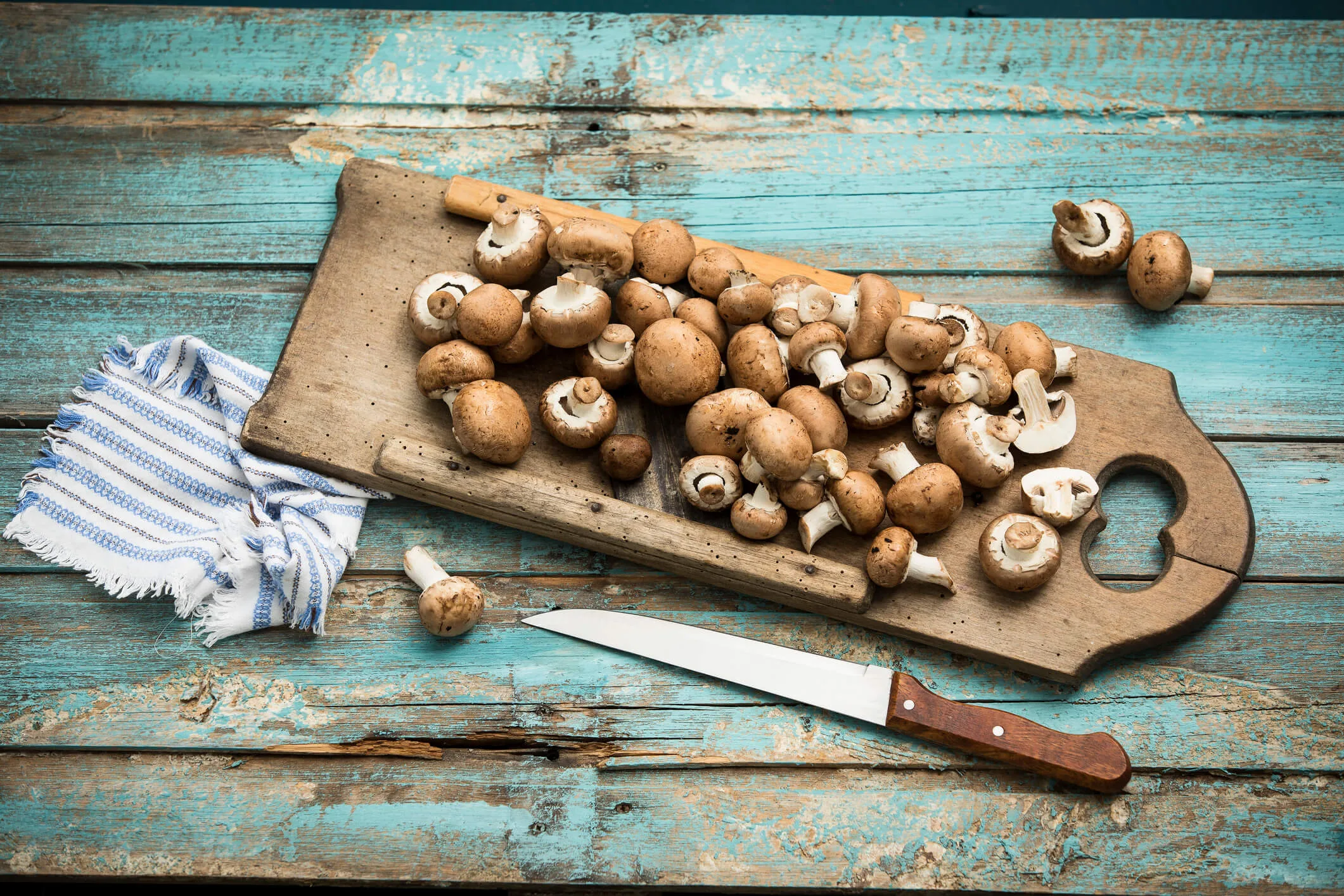
Let them breathe. If you’ve taken the mushrooms out of their packaging, storing them in a paper bag in the fridge is ideal. This prevents them from spoiling faster.
Steam, saute, then freeze. It’s possible to extend the shelf life of raw mushrooms by cooking them. Freezing mushrooms this way requires airtight containers or freezer bags to prevent airborne contaminants from entering.
Can you freeze mushrooms?
Yes, it is possible to freeze mushrooms, but there is a catch. Mushrooms are full of water, so rehydrating them from fresh results in mushy mushrooms once thawed. Instead, sauté mushrooms in a bit of oil or butter until they release their moisture and shrink down (about 5-7 minutes). Pop in an air tight container and store in the freezer for up to three months.
Better safe than sorry
If your mushrooms smell funny or look strange, it’s probably best to throw them out. It may be a waste of food, but it’s a small price to pay for your health and safety. Remember only to buy a smaller amount next time and follow the tips above for better storage!

Related stories

Native ad body.
Native ad body.

Native ad body.