

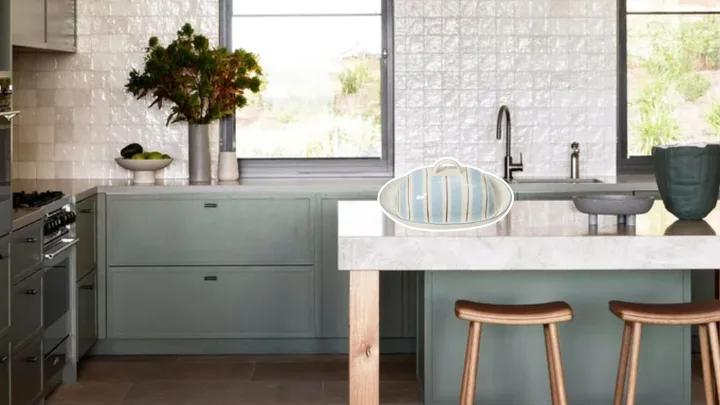
Nothing ruins a morning faster than rock-hard butter tearing a hole through your toast. Especially if you have a fussy five-year-old boy who likes their toast a certain way.
That’s where Big W’s Openook Cottage Garden Butter Dish comes in handy. Priced at just $12, the dish has sent shoppers into a cottage-core spin, while quietly reopening an age-old Aussie debate: is it actually safe to leave butter sitting out?
KEY TAKEAWAYS
- Only leave out a couple of days’ worth of butter — refrigerate the rest at 4°C.
- Store butter in a sealed container, away from light and air.
- Butter resists bacteria better than milk or cream, but heat still speeds up rancidity.
- Check your butter’s packaging for specific storage advice, as it varies by brand.
Big W’s new $12 butter dish
The Openook Cottage Garden Butter Dish is part of Big W’s new spring and summer homewares collection.
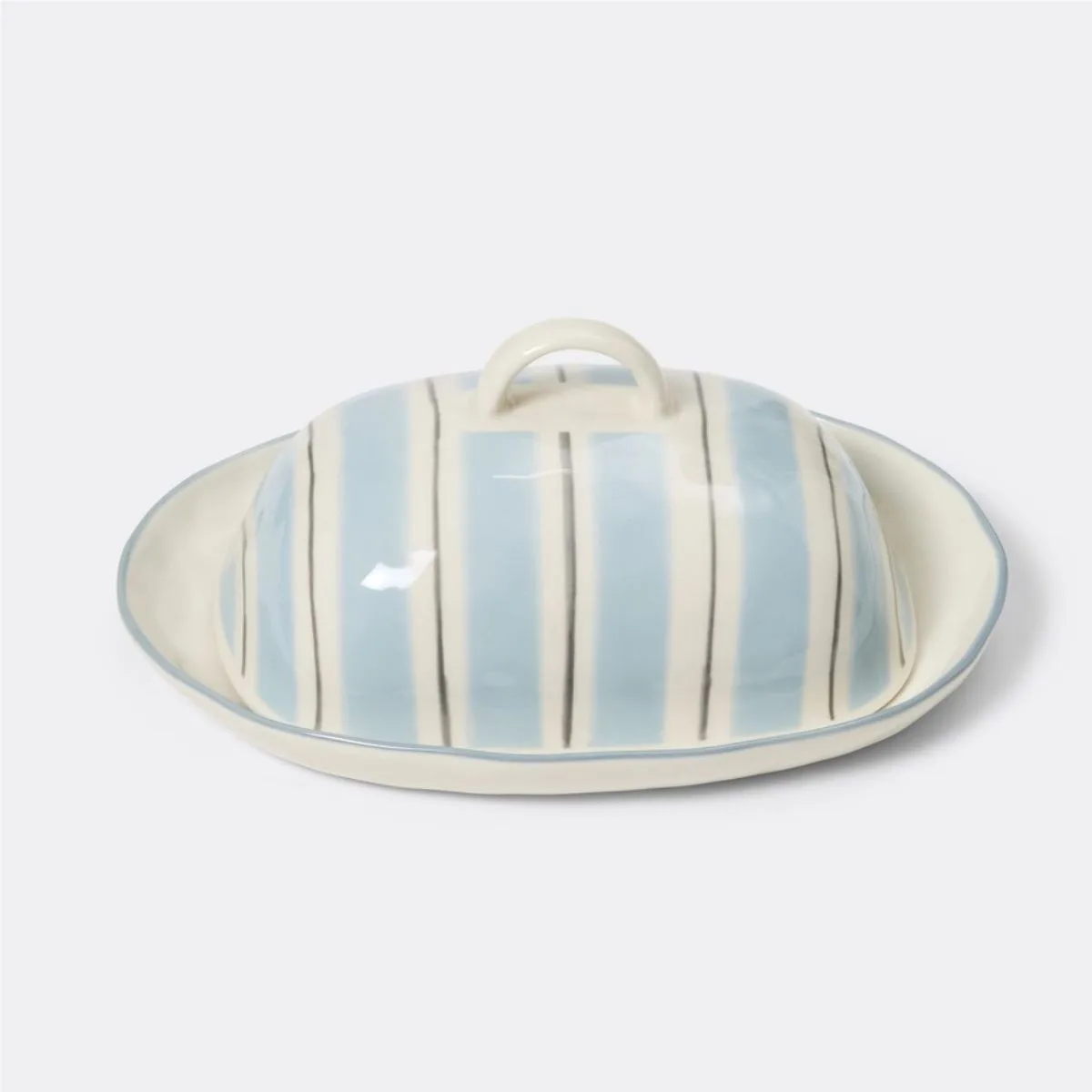
Priced at $12, it has a glossy finish, a domed lid, and a loop handle, with a hand-illustrated cottage-garden design inspired by Bowral. According to Big W, it is both dishwasher- and microwave-safe.
Unlike a butter bell or crock, which uses water to create a seal, this is a traditional butter dish. It features a base for holding the butter and a lid that keeps it covered. Use it to store butter on the bench or pop it in the fridge.
Is keeping butter on the bench safe?
It’s safest to keep butter in the fridge, especially when the weather is warm.
Dairy Australia suggests keeping butter at 4°C in a sealed container, away from light and air. In warmer places, they say butter should always be kept in the fridge because heat speeds up oxidation and makes the fats go rancid.
How long butter can stay out depends on a few things. For example, its salt and fat content, your kitchen’s temperature, and whether it’s kept away from light, heat, air, and germs. Dairy Australia says you should check the storage instructions from the butter’s manufacturer.
Why butter resists bacteria
Butter is mostly fat and has very little moisture, so it’s much less likely to grow bacteria than fresh milk or cream. But if it gets warm, the fat breaks down faster, and the butter can go rancid quickly.
How BHG readers do it
When we asked the BHG Facebook audience whether they keep butter in the fridge or on the bench, the fridge was the clear favourite, particularly for people living in Queensland and other warmer parts of Australia.
Plenty changed their butter routine with the seasons. Many say they keep butter out during cooler weather, but in the fridge in summer.
Others had found a practical middle ground. One person shared: “The butter I am using, I keep in a container in my cupboard. I buy the big block and cut it in half. I use the first half and the other stays in the fridge until needed.”
Another added: “I keep the butter in the fridge, but I portion out enough for a couple of days and put it in a small container on the bench.”
The verdict
A pretty butter dish not only adds character to your kitchen, but it also looks great when serving butter to guests. In saying that, it isn’t a magical preservation tool. If your kitchen heats up this summer, stick to portioning out small amounts, or get used to softening your butter in short bursts.


Butter can stay in a butter dish on the bench for a couple of days in cool weather. Less if your kitchen is warm.
To properly store butter in a butter dish, keep the lid on and out of direct sunlight or heat.
Its high fat and low moisture content make it hard for bacteria to grow, though heat can still turn it rancid.