Australians clearing out garages, sheds and renovation waste may be discarding valuable materials as demand for copper grows alongside renewable energy and electrification projects.
Industry recyclers say copper pipe, electrical cabling and brass fittings are increasingly sought-after commodities, with some households unknowingly sending potentially valuable scrap to landfill or kerbside collections.
Copper has become one of the world’s most sought-after industrial commodities due to its role in renewable energy, electric vehicles and power infrastructure.
Jack Magann, emerging companies portfolio manager at Count Wealth, told Better Homes and Gardens Australia demand from AI data centres and the global clean-energy transition was helping push copper prices to record levels while supply remained constrained.
“On the demand side, you have the AI data centre build-outs and clean energy transition creating high demand, while on the supply side the largest copper mines globally are becoming harder to extract and ore grades are declining,” he said.
“The copper price is at an all-time record of more than US$6 a pound (AUD $19.55 per kilogram). If you’ve got old copper lying around, it might be a good time to sell it.”
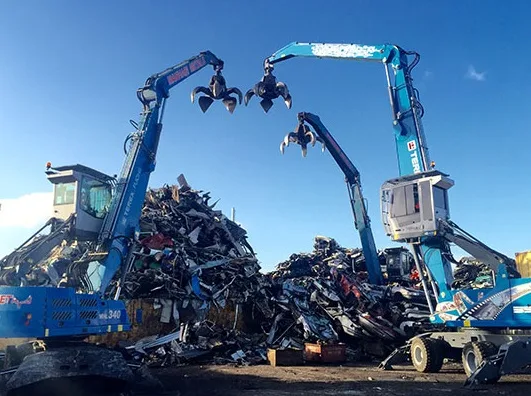
According to Recycling Near You, Australia recovered 87% of its metals through reuse and recycling in 2020-21, with materials such as copper, aluminium and steel able to be recycled repeatedly without losing quality.
KEY TAKEAWAYS
- Before your next hard-rubbish collection, it may be worth taking a closer look at what’s headed for the kerb.
- Copper pipes, old cables, brass fittings and other scrap metals can have recycling value.
- Many households unknowingly throw away items they could recycle for cash.
Manhari Recycling founder Maddy Gupta said some of the most valuable scrap metal is often found in places homeowners don’t think to look.
“What many people don’t realise is that a renovation can leave them with materials that have genuine value,” Gupta told Better Homes and Gardens Australia.
“Copper pipes, electrical cables, plumbing fittings and other metal offcuts can all be worth recycling.”
One person’s junk could be worth more than you think as copper prices rise
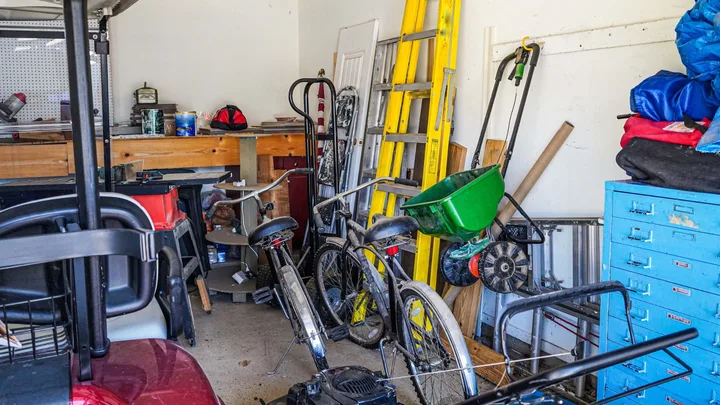
Renovation leftovers aren’t the only items worth checking during a clear-out. “What might look like a pile of junk in your garage could actually contain a lot of recyclable metal,” Gupta said.
Old barbecues, bed frames, lawnmowers, and bicycles can all contain a lot of steel, aluminium, and copper, and all of these metals can be recycled.
While global copper prices influence the market, what households receive for scrap metal depends on the metal type, its condition, and the rates offered by local recyclers.
What your clean-out is really worth
Before tossing old metal items, check whether they contain recyclable copper, brass, or aluminium.
But bigger doesn’t always mean more valuable. “People often assume the biggest and heaviest item is going to be the most valuable. In reality, a relatively small quantity of clean copper can be worth more than a much larger quantity of steel,” Gupta said, adding sample rates in Melbourne show just how much prices can vary:
- Copper: about $7 to $12.50 a kilo, depending on grade
- Brass: $4.20 to $7.20 a kilo
- Aluminium: 90 cents to $2.80 a kilo
- Steel: 30 to 45 cents a kilo
In some cases, one kilo of clean copper pipe can be worth as much as a whole steel barbecue. As a rough guide, Gupta says a steel barbecue might get you $5 to $10, a steel kids’ bike up to $5, and a washing machine $5 to $15.
“Scrap value isn’t determined by how much something originally cost,” he said. “It’s determined by the type and weight of recoverable metal.”
Clean, sorted copper gets the highest price. Copper that’s still attached to plastic or steel is worth less. If something still works, it might be better to sell or donate it instead.
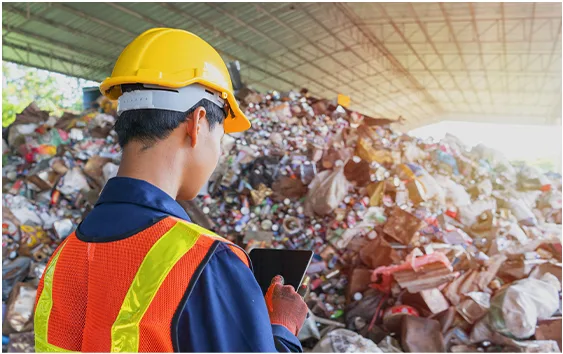
How households can safely recycle scrap metal
- Pull out valuable items first: like copper pipe and plumbing offcuts, old taps and brass fittings, aluminium window frames, and some metal outdoor furniture.
- Use a magnet: if it sticks strongly, it’s generally iron or ordinary steel. If it doesn’t, it could be aluminium, copper, brass or some types of stainless steel. “It’s not a perfect test, but it’s a very useful starting point,” Mr Gupta said.
- Sort your items into groups: steel, aluminium, copper, brass, and stainless steel. Keep copper pipe separate from insulated cable, and keep metal away from plastic, timber, and general rubbish.
- Set aside: gas bottles, batteries, and electrical equipment, as they may need specialist handling.
- Don’t hold out for a better price: “Metal prices fluctuate with global demand, currency movements and manufacturing activity. Even experienced people in the industry can’t predict exactly where prices will go next,” said Gupta.
- Bring your photo ID and bank details: Scrap-metal sales are regulated in Victoria and NSW, where recyclers must record sellers’ details and make electronic payments to deter metal theft.
Most importantly, Gupta said, never burn the insulation off electrical cables to get at the copper.
“It’s dangerous, can release harmful and toxic fumes, creates a fire risk and may breach environmental laws.” Nor should anyone try to remove copper from live wiring, switchboards or installed equipment.
“Copper might be valuable, but no amount of scrap metal is worth risking your health or safety.”