


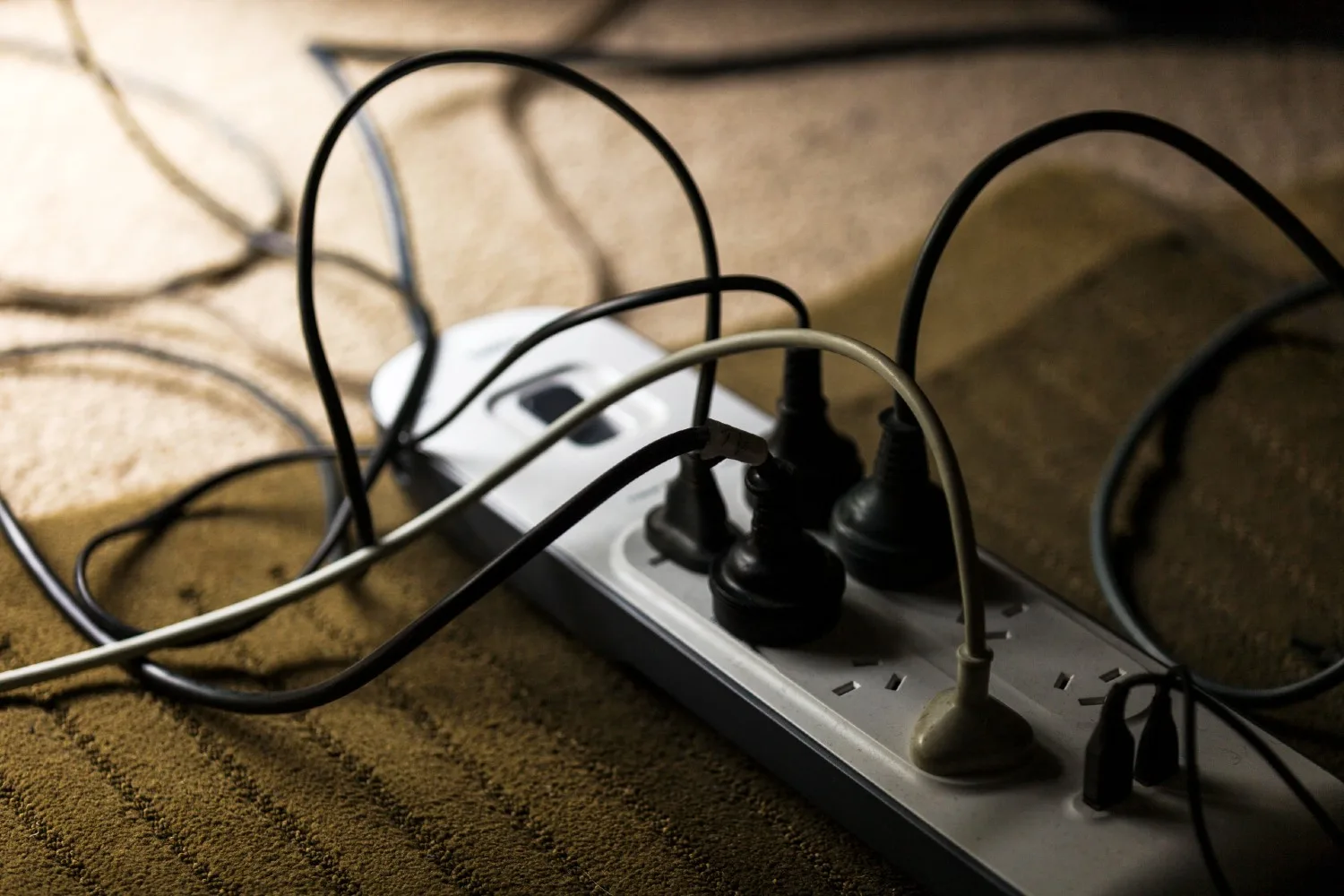
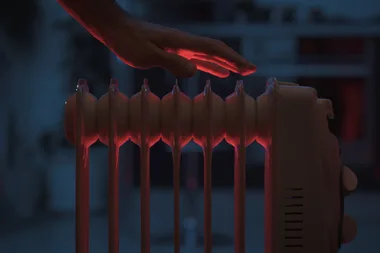
We’re all reaching for the heater as it gets colder, but if yours involves a power board or extension cord, it might not be as safe as you think.
One mum who experienced the devastating consequences of overloading a power board has shared her story after her daughter’s room caught on fire.
KEY TAKEAWAYS
- Never plug a heater into a power board or extension cord—always plug it directly into a wall socket
- Portable heaters draw high power and can overload power boards, increasing fire risk
- Even high-quality power boards are not designed to safely handle heaters
- Overloaded power boards are a common cause of house fires in Australia
- Always check your heater setup and ensure it’s used correctly to prevent electrical fires
Speaking to CPR KIDS, the mum said: “Do not plug any heater into a power board!”
“Do not think because you buy a quality power board, it will be ok! It’s not, and wasn’t for us.”
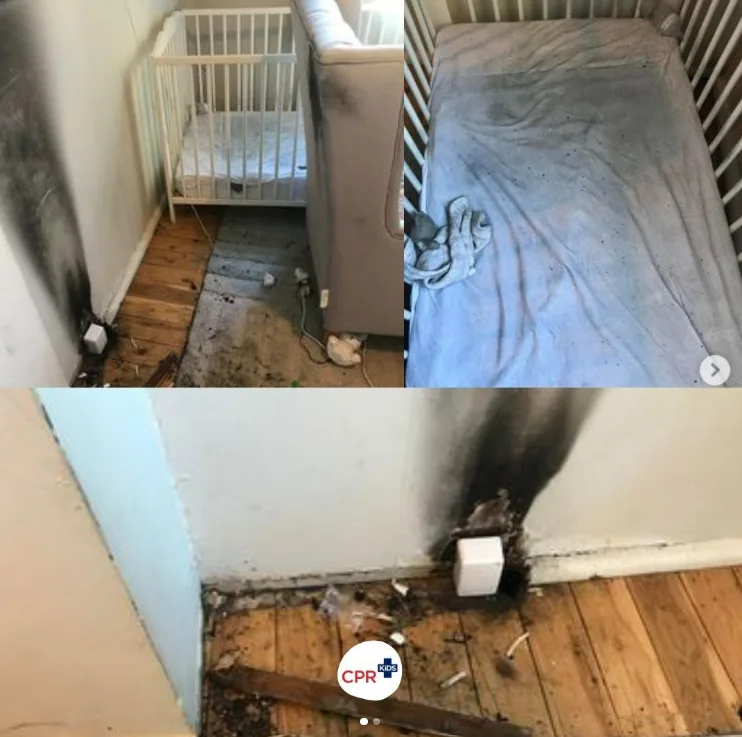
“Her room was completely full of smoke”
The mum had put her daughter to bed like she did every other night, but this night was one she’ll never forget.
“Last night we experienced something that will truly rattle us for the rest of our lives,” she said, explaining that her daughter “Margot’s power point in her room next to her cot caught fire.”
“At 3am, I woke up to her coughing and the horrible electrical burning smell. Her room was completely full of smoke. And she was covered in ash and soot. When I opened her door, the smoke alarm went off in the hallway.”
“To say I was hysterical would be an understatement.”
Thankfully, in this instance, no one was hurt.
“Someone was watching over her and us. Lessons have been learned. And we are extremely lucky,” the mum said.


CPR Kids thanked the mum for sharing her story to help raise awareness about this common mistake.
“We know that there are likely a lot of people who aren’t aware of this risk, so we are very grateful for this mama raising awareness and we are incredibly relieved to hear that everyone is okay – physically at least, we know this would have been devastating and hope you can all recover.”
Don’t plug a heater into a power board or extension cord
Before buying a portable heater, check the cord length to make sure it’s long enough to plug in safely to a wall socket.
CHOICE product safety expert Kim Gilmour said, “Home heaters use a lot of energy. This means they can overload a power board or extension lead, potentially causing a fire. We strongly recommend that home heaters are always plugged directly into a wall socket to ensure they are safe.”
According to the NSW Fire and Rescue website, poor maintenance and incorrect usage of power boards are common causes of home and office fires.
Power board safety tips
Here are their top tips for using a power board safely:
- Only use power boards with built-in safety switches/circuit breakers.
- Do not overload the power board.
- Place power boards on their sides to prevent dust buildup in unused points.
- Check that all plugs are firmly fixed in power boards.
- Make sure there is adequate ventilation around the power board.
- Regularly inspect power boards for signs of damage.
What to do if you don’t have a wall socket nearby?
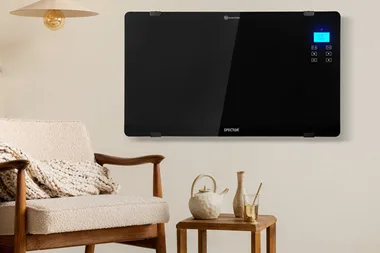
The simplest fix is to choose a heater with a longer cord. Some models come with up to 2.5m, making a wall socket more accessible without any workarounds. If that’s still not enough, consider repositioning the heater so it works from where the socket actually is, even if it means shifting some furniture.
If you’re constantly struggling with PowerPoint access in a particular room, it’s worth getting an electrician to install an additional one.
Power boards are safe for low-draw appliances like phone chargers, lamps and laptops, but dangerous when overloaded. Always check the maximum wattage rating and never exceed it.
Anything that heats or cools: electric heaters, air conditioners, washing machines, dryers, fridges and microwaves. These should always go directly into a wall socket.
Power boards offer more protection than double adaptors. They usually have built-in safety switches, which double adaptors lack. But plug a heater into either one and you’re taking the same risk.

