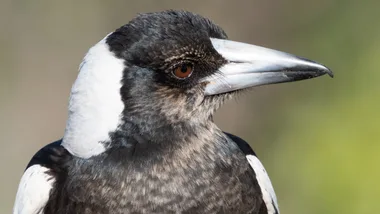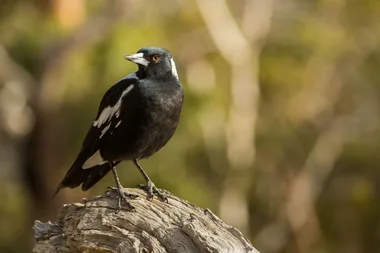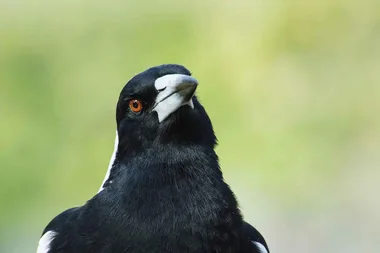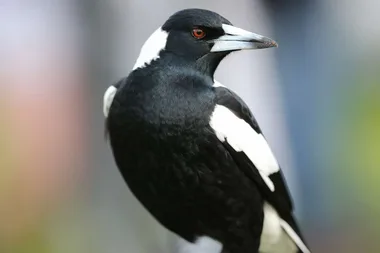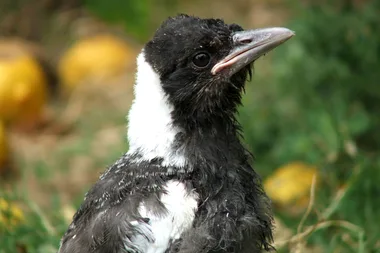

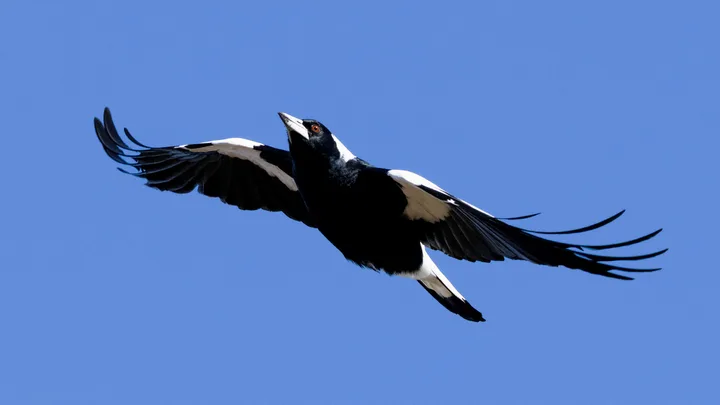
Magpies are beloved by everyone in Australia (except during swooping season), but sadly, many have been affected by a serious health problem.
Dubbed ‘magpie paralysis syndrome’ by researchers, this disease is affecting magpies across Western Australia, causing weakness, paralysis and an inability to fly.
KEY TAKEAWAYS
- Magpie paralysis syndrome is a disease that causes weakness, breathing difficulties and paralysis in magpies across Western Australia.
- Cases are becoming more common, which could lead to a potential magpie population decline.
- The cause has not been pinpointed, but research teams are looking at viruses, toxins and parasites.
- The best way to help is if you spot a sick magpie, call a local wildlife rehabilitation group and make sure to record the location and surroundings with photo and video.
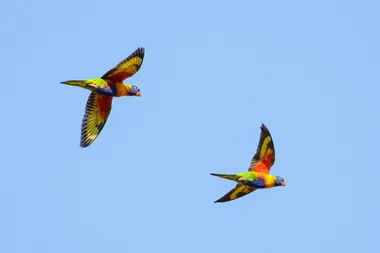
While lorikeet paralysis syndrome has been affecting rainbow lorikeets on the east coast of Australia, magpie paralysis syndrome has become prevalent in the west. First detected in 2017 in WA, this disease has become more and more common, with over 500 cases recorded by the Perth Wildlife Hospital in 2025.
Since there is no surveillance program currently in place, there is not enough data to assess potential population decline.
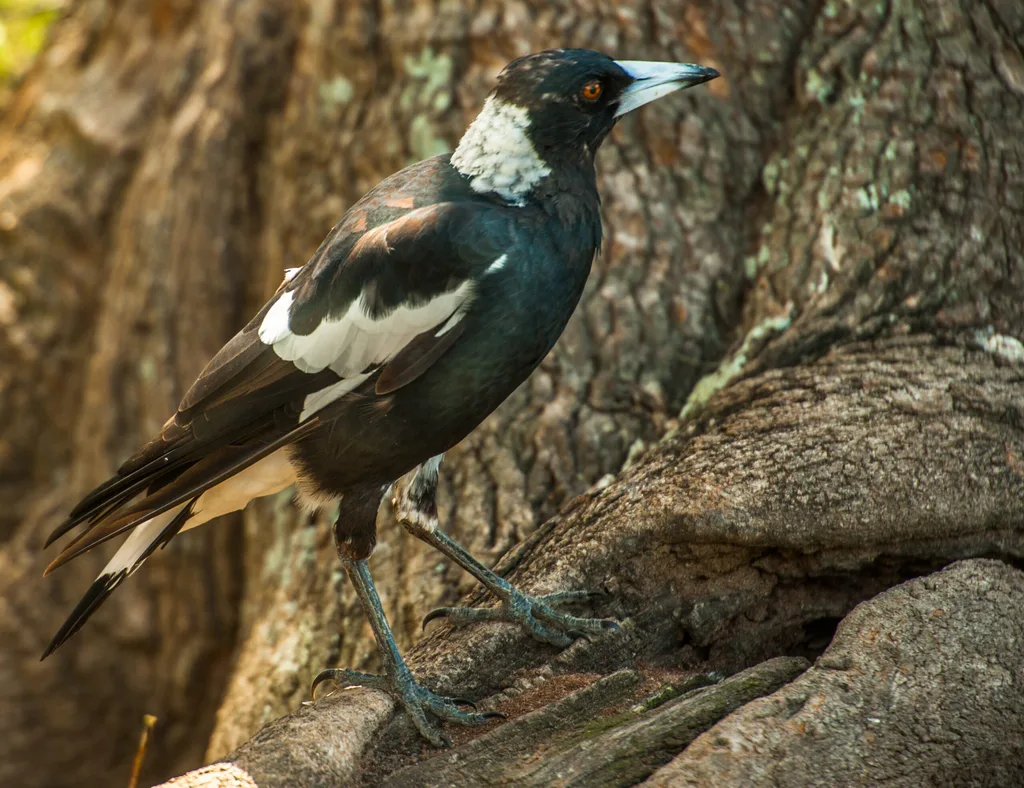
What does magpie paralysis syndrome look like?
The symptoms of paralysis syndrome in magpies are as follows:
- Unable to fly
- Paralysed or unable to move legs
- Weak when walking and incoordination
- In extreme cases, breathing difficulties and unable to lift head
Possible causes
The disease has been studied for more than a year by research teams at Murdoch University. However, because of the complex data collection process and the cost of diagnostic tools, scientists have been unable to pinpoint a cause or catalyst. They are currently collaborating with wildlife organisations and centres, including Wildlife Health Australia, to gather information about geographic range, species and the age of the birds affected.
According to Wildlife Health Australia, the current possibilities being investigated include viruses, toxins and parasites. This could be from food, habitat or the general environment. Some similarities point to “Black and white” bird neurological syndrome (a syndrome found in magpie and currawong communities on the east coast), but there is currently not sufficient evidence to make that claim.
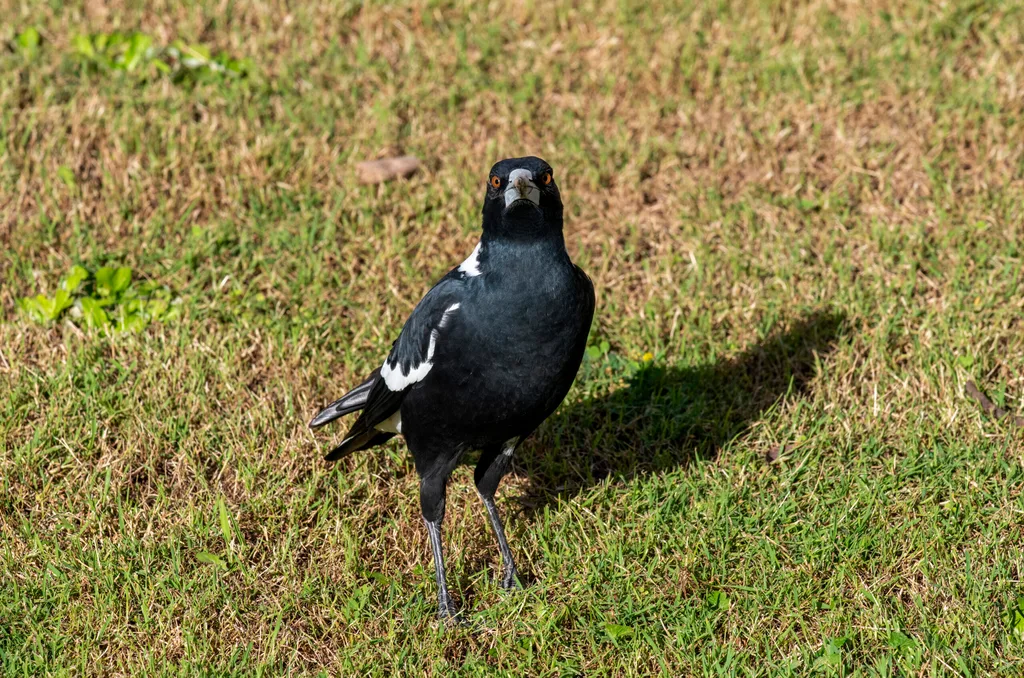
How you can help local magpies
The best way to help your local magpies is to keep an eye out for any unusual activity. If you notice a sick magpie, ensure you contact your local wildlife rescue hotline. For anyone in Western Australia, the Willdcare Helpline is your best point of contact. Do not attempt to move or touch the bird.
Wildlife Health Australia asks that you record what you see, including location and any surrounding environment. This can be helpful for wildlife carers to help define the sickness, and research groups who are in need of additional data for magpie paralysis syndrome.
If you see unusual activity regarding magpies, you can also contact the Department of Primary Industries or Agriculture in the state or territory in which you are situated.