


Curtis Stone is a culinary legend who has created easy, simple, and delicious home-cooked meals.
Millions of Australians and people around the world have them in their dinner rotation, but as an established chef, Curtis Stone has discovered a common cooking mistake that’s secretly sabotaging the flavour, freshness and nutritional value. It all starts at the supermarket.
KEY TAKEAWAYS
- Not cooking with seasonal ingredients is the most common mistake sabotaging your meals
- Seasonal produce delivers better flavour, fresher nutrients and costs less at the checkout
- Building meal plans around in-season ingredients is the simplest way to upgrade your cooking
- Check what’s in season before you shop and look for the cheapest vegies — they’re usually the freshest
“Overcomplicating a dish and not cooking with seasonal ingredients can be a common mistake in my mind,” Curtis told us in an interview.
A very common problem, indeed. Not many people know which vegetables and fruits are in season, especially since most are available year-round and not at their peak quality.
Why is it better to buy in-season produce?
The good news is that this mistake is easy to fix. Look for high-quality ingredients when you’re shopping and ensure they’re fresh. When creating your meal plans, feature ingredients that are in season.
“Keeping it simple, letting the seasonal produce be the hero is key for a delicious meal,” Curtis said. “Cooking in season will give you more flavour, and it’s better for your budget as well.”
Opting for in-season produce guarantees better flavour, nutritional value and supports your local farmers.
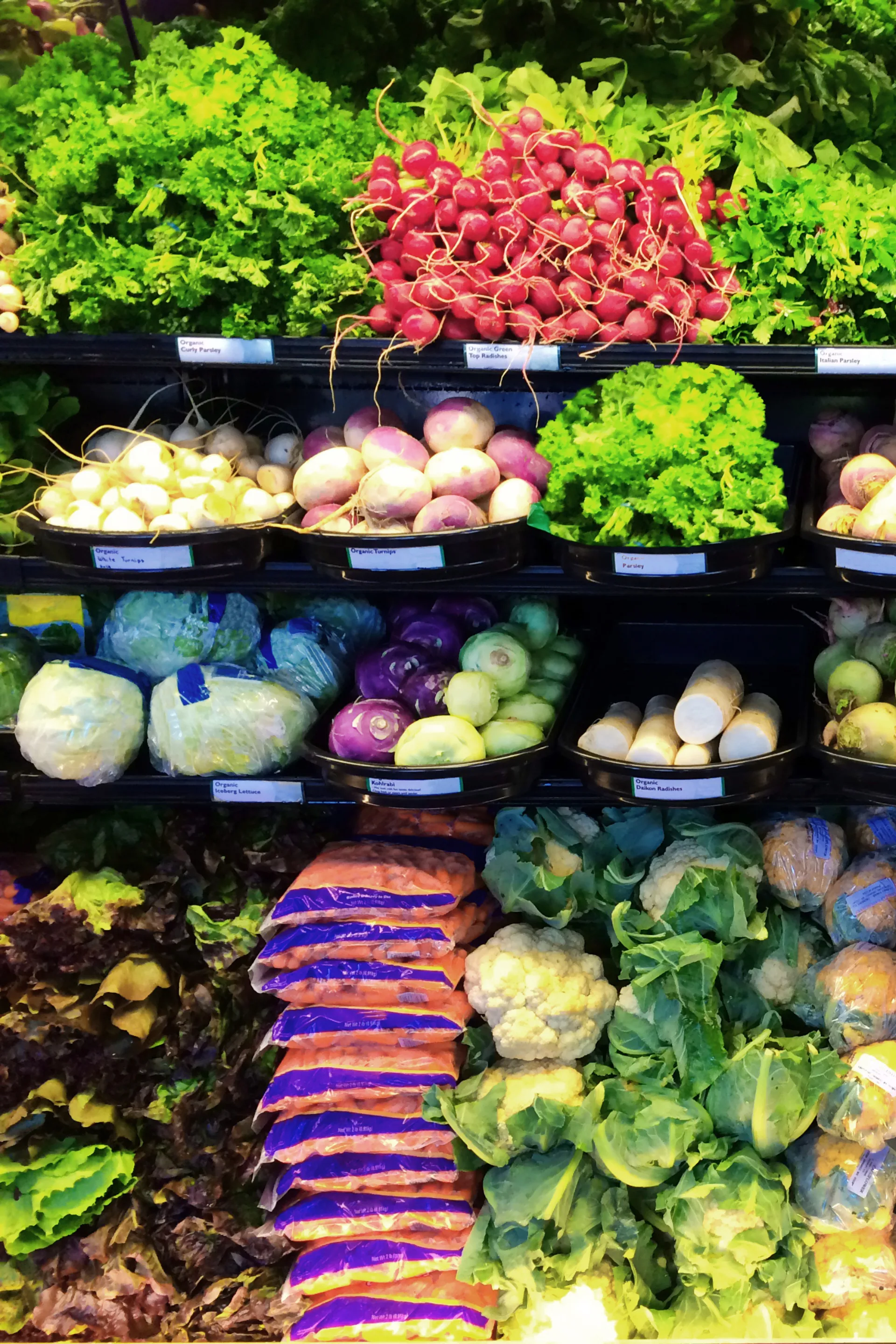
Why is seasonal produce available year-round?
Here are a number of reasons why seasonal produce may be available year-round and the implications it has on your cooking.
1. Greenhouses
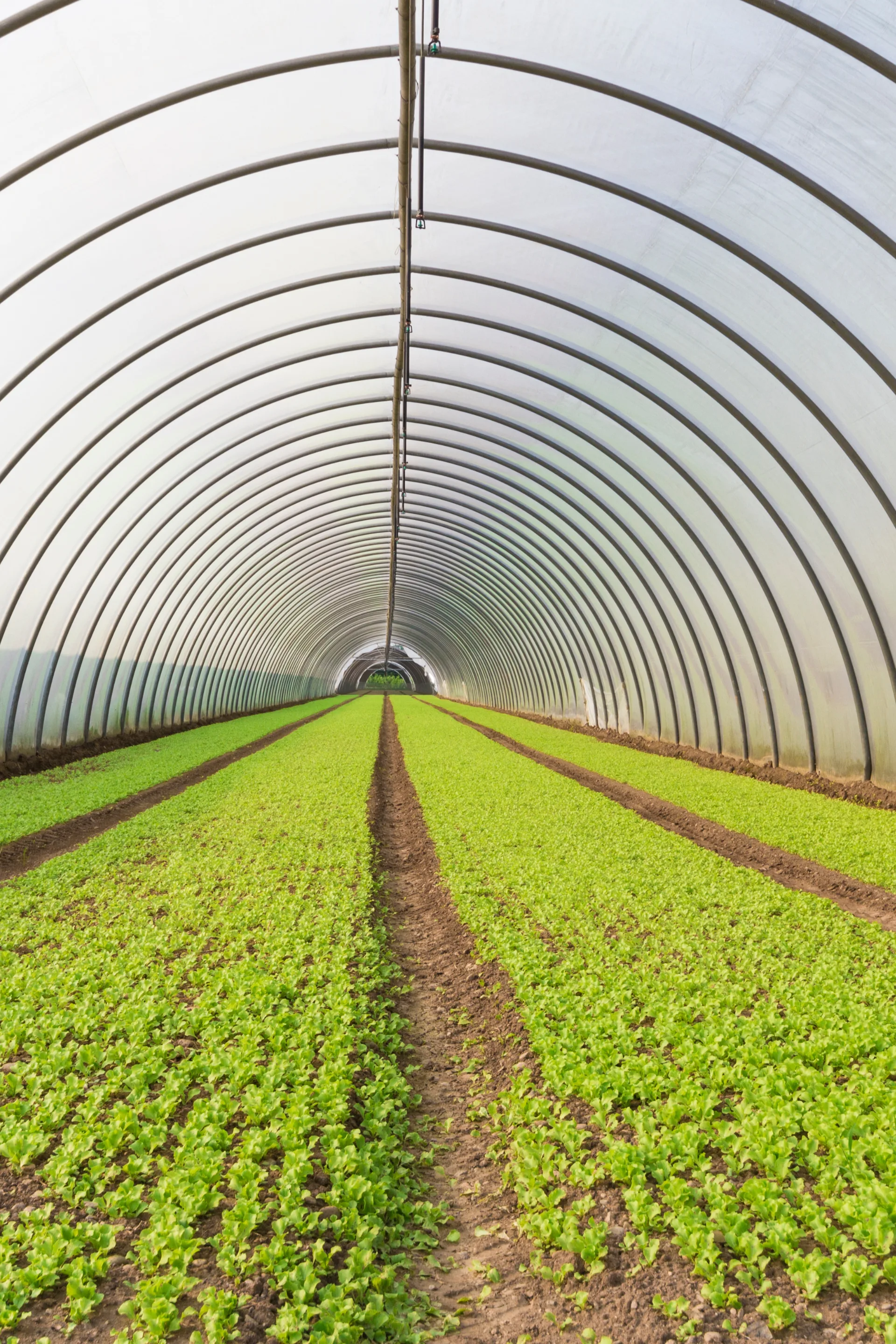
Some fruit and vegetable varieties are grown in greenhouses or controlled environments, which extends their availability outside of their typical growing season.
2. Imports
Often, fruit and vegies are imported from countries or regions where it’s in season. However, this means they are transported over long distances and stored for extended periods. This impacts the freshness, flavour and nutrient content.
3. Storage
Certain fruits and vegies are stored in warehouses for extended periods, either through a controlled facility or by freezing them at peak ripeness. Again, it’s not fresh, and it may be more expensive out of season due to transportation and storage costs, as well as lower availability.



Tips for shopping for in-season produce
While some fruit and vegies are available year-round, it’s best to buy them when they’re in season.
- Plan ahead! Check online what vegies are available in the current season before going shopping
- Plan meals ahead of time for each season
- Usually the cheaper vegies are in season and the more expensive are off-season

