
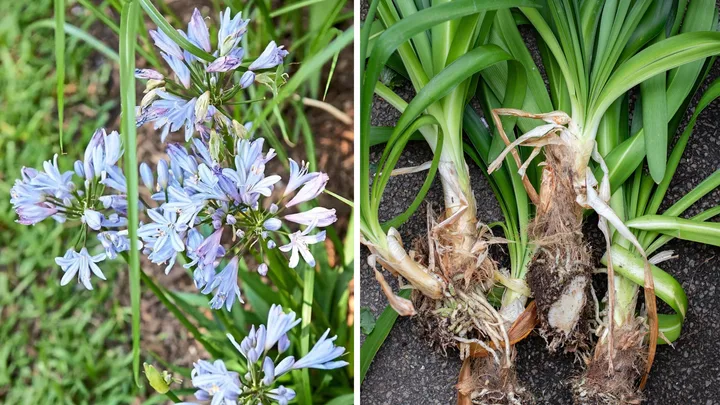
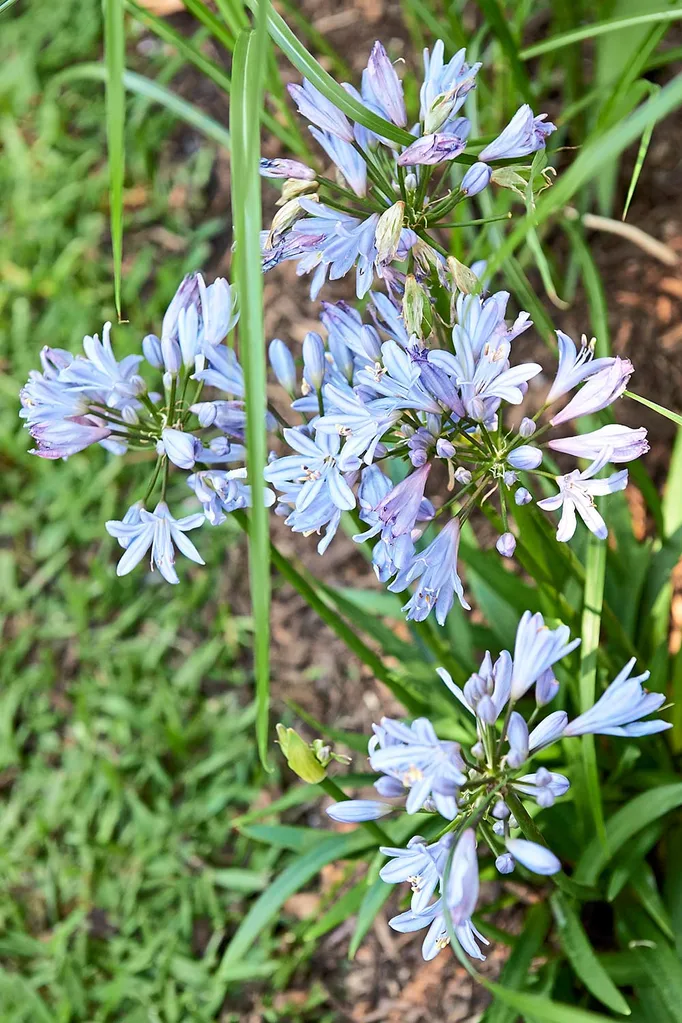
Agapanthus is an extremely common garden plant in Australia, and there’s no question why. With beautiful purple and white flowers, this plant is easy to grow and even easier to maintain. So, why do so many people want to know how to kill agapanthus?
One of the problems with this plant is its ability to spread like wildfire – some states and councils have designated it as a noxious weed and invasive plant. And the other problem? When it comes to getting rid of agapanthus, you’ll almost certainly have a tough time. As Zach Barnett, Boronia Landscapes landscaper designer, says, “Making sure they don’t come back? It’s very hard work”. And, as Jenny Dillon, BHG’s Garden Editor, explains, “you just have to persevere”.
KEY TAKEAWAYS
- Agapanthus are considered an invasive, noxious weed in some states and councils. This is because they can self-seed and spread, smothering native plant ecosystems.
- Many people want to know how to kill agapanthus as they can be quite difficult to remove. This is because of their tough rhizome (root) system.
- The best removal method of agapanthus is by completely digging out the whole plant. You can also use chemicals and herbicides to ensure permanent removal.
Let’s explore why Aussies want to get rid of their agapanthus, and the most effective way to get it done.
Our garden editor, Jenny Dillon, has insightful advice on the removal of agapanthus, including a no-dig method that doesn’t harm the soil.
Meet the experts
- Rachel Iorfino, Senior Content Producer, is a journalist who loves learning about native plants and promoting biodiversity in the garden. With more than 5 years experience in content-writing, her aim is to find new ways for readers to enjoy Australian native and endemic species.
- Jenny Dillon, Garden Editor, is a horticulturalist and writer with over 30 years experience. She loves answering the tricky questions about plants that no one else knows the answer to!
- Zach Barnett (Boronia Landscapes), native plant landscape designer, has been in the landscaping industry for 5 years, and loves designing gardens that are native-first. He specialises in endemic and extremely localised plant choice in Sydney.
How to kill agapanthus permanently
The best way to kill agapanthus and make sure they never return is to remove every trace of them. Digging them up one by one, including rhizomes (roots), is a tricky task, especially with older clumps that have been growing for decades.
The Bunnings forum recommends cutting back all the plants with a hedger before going in with a shovel for the roots. Anything that can’t be dug out can be brushed with a herbicide; however, ensure any chemical formulas do not reach the soil or touch any plants you want to keep.
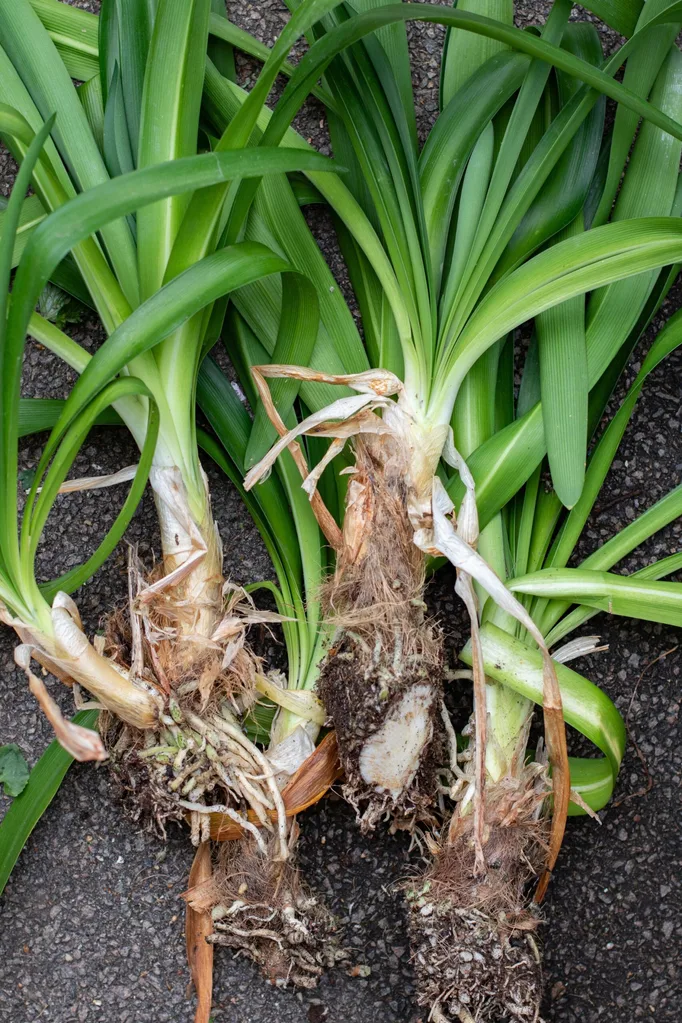
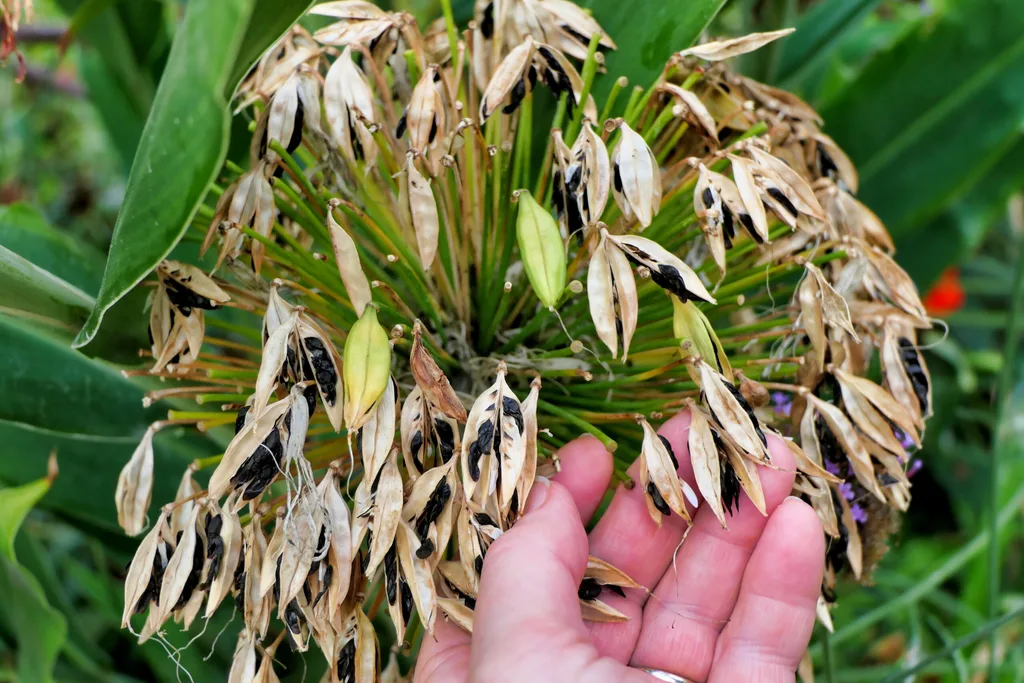
Zach Barnett from Boronia Landscapes advises removing agapanthus while they are not flowering, or just after you’ve deadheaded them. This ensures no loose seeds fall during the removal process (which could lead to a whole new clump growing without your knowledge!).
No-dig method for removing agapanthus
Is there a no-dig way to remove agapanthus? Yes, but you’ll need to put in a whole lot of hard work. As Jenny explains, the rhizomes (roots) store energy in an agapanthus, while the leaves and stems bring in the energy through photosynthesis.
If you can’t remove the hardy rhizomes yourself, you can continually cut down the leaves and stems as soon as they grow. Eventually, the rhizomes will run out of energy and die off. It is a much longer process than simply pulling up the whole plant, but it does mean you won’t have the trouble of root removal, especially when you’ve got decades-old clumps to deal with.
Other methods require the use of pretty heavy-duty chemicals that could destroy your garden’s soil health and be more trouble than they’re worth.
Reddit users, for example, testify to the use of Yates Tree and Blackberry Killer (mixed with kerosene or diesel according to the instructions on the label) as a solution to killing agapanthus without digging. If you choose to use a herbicide plus kerosene, the soil will need to be replaced before planting anything else. Jenny does not recommend this method for any residential or home gardens, saying it is a method that can be akin to ‘vandalism’ if it gets into the soil.
This method isn’t safe for gardens in dry climates or fire-prone areas. It’s also best to avoid applying this herbicide on a windy day, as the spray could drift onto neighbouring plants. Follow the safety instructions and wear protective clothing.
Why do so many people want to kill agapanthus?
Agapanthus is undeniably a pretty plant, especially when its purple or white flower heads bloom in summer. They are often used as border plants in backyards or as plants to line fences in front yards. In rural and farm properties, agapanthus is often used as a firebreak plant because of its natural fire resistance.
So, why do so many people want to get rid of this unique plant?
Zach explains the three main reasons why his clients often ask him to dig up their agapanthus clumps.
Reason 1: They were trendy plants 10 and 20 years ago, and now, they feel dated in the garden.
Reason 2: Agapanthus are now being added to invasive plant and noxious weed lists in many parts of Australia. Many people are looking for ways to be more environmentally conscious in the garden.
Reason 3: Older varieties are notorious for self-seeding. At first, their agapanthus was neatly planted, but has now become an unruly mass of clumps.
How to deadhead agapanthus
Deadheading agapanthus is pretty simple; all you have to do is remove the large flower heads once the purple blooms have finished. Remember not to jostle or shake the heads, so no seeds fall out and disperse in your garden.

Related stories
Native ad body.
Native ad body.


Native ad body.