
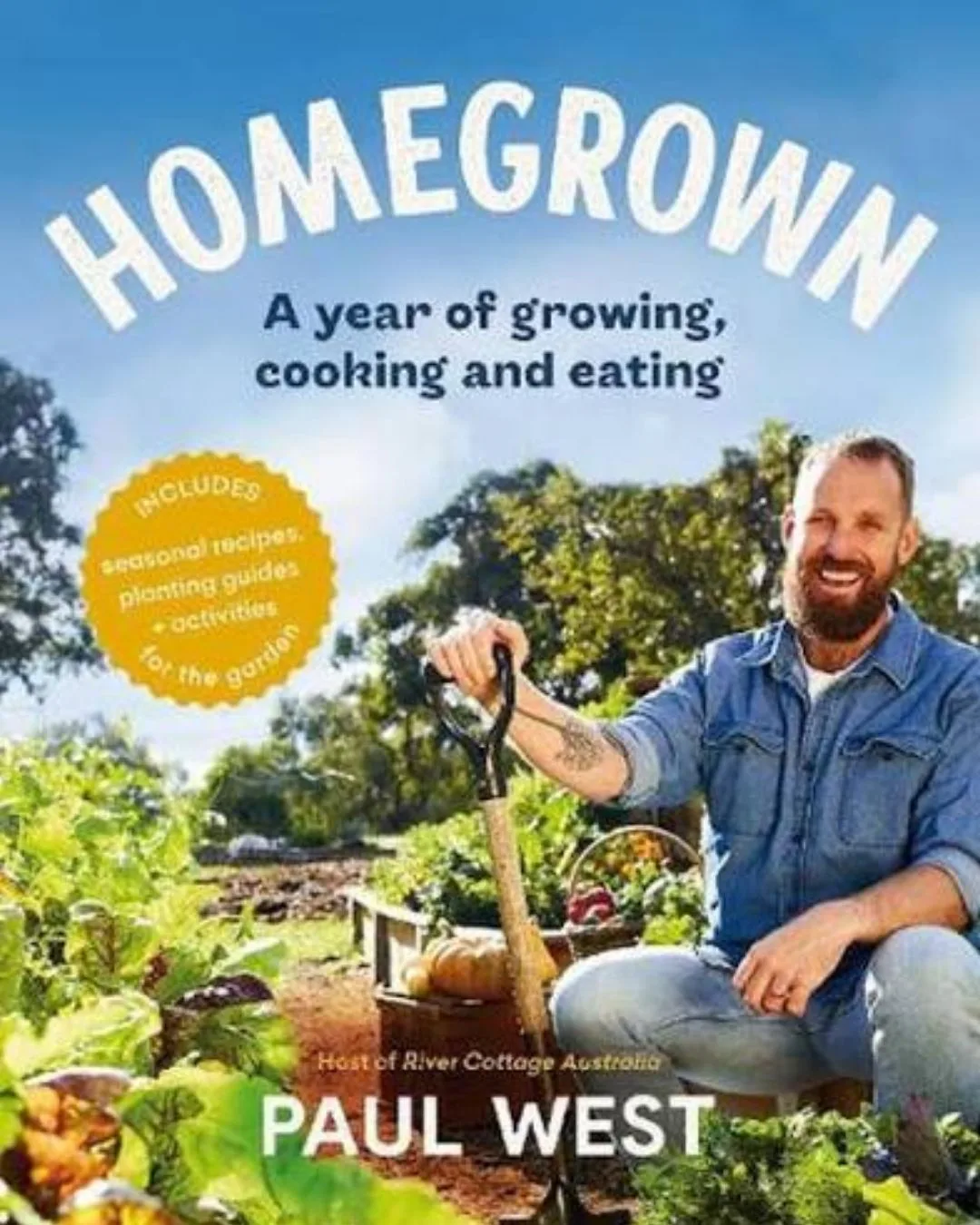
Paul West is a chef who found fame on the TV series River Cottage Australia, which showcased growing local produce. He’s still doing this and writing about it, most recently with his book Homegrown. By covering a year of growing, cooking and eating, the book highlights the seasonality of food.
Paul is a sustainable gardener, working with nature to create a balanced ecosystem with healthy soils and no chemicals. With an unlimited supply of produce via the supermarket, we’re paying more for our food at a time of budget constraints.
“Saving money is one thing, but growing your own food also means that you know what goes into it, you know what you use to feed the soil, any chemicals used,” he says.
“And growing your own food helps connect you to the natural world, to the language of the earth, the rhythm and passage of the seasons. Things that we don’t have a lot of connection with in our day-to-day life now.”
Such is Paul’s enthusiasm for growing food; he set up the online club Grow It Local to help others do it.
“It’s really about getting people to celebrate growing food themselves, be it in the backyard, on a balcony, in a school garden. As well, we give people the educational support with monthly workshops and provide a seasonal delivery of seeds.”
So what’s the key to encouraging people to start growing?
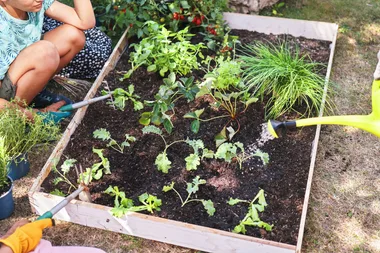
“I think it’s just aiming for small, repeatable wins and not being overwhelmed. By not feeling you’ve got to turn over the whole backyard and make it a market garden.
“I always encourage people, at their very first basic step, to hang out in a garden, such as a community garden and attend a working bee there. It’s a pretty inspiring way to get into it when you’re hanging out with wonderful, generous, hands-in-the-earth people.
“Start off with cut-and-come-again leaves and herbs. It’s not overwhelming; the plants are pretty forgiving. You can harvest every day. Add a bit of herbs to your cooking, add a few leaves to your lunch.
“Once you have that sorted, you can go on to the next steps, expanding out from there, a little bit at a time. It’s not trying to do it all at once, doing the whole backyard blitz. You want to create a lifestyle of gardening.”
Here Paul shares an extract from Homegrown, with tips for beginner gardeners and his four favourite vegetables to grow at home.
4 easy vegetables to grow at home

Potatoes
The humble potato is a versatile plant, and the flavour of homegrown spuds leaves the store-bought ones for dead. You can harvest them through various stages of their lifecycle, from new potatoes through to thumping big ones later in the season.
Position: Full sun
Seeds or seedlings: Seedlings
Planting and maintenance
Store your seed potatoes in a warm, damp and light environment until they begin to sprout. You can now either plant the seed potatoes whole or you can ‘chit’ them by cutting them into pieces so that each piece has an ‘eye’ and a sprout. If you do chit your spuds, let the cut surface dry for a few days so that a scab forms (this will protect them from soil-borne disease).
Plant your potatoes at 40cm spacings and 10cm deep. As they start to grow green shoots, cover with soil to increase yield and stop tubers being exposed to sunlight and turning green. Potatoes don’t like to be overwatered, so plant them in very well draining soil and let the soil mostly dry out between watering.
Harvesting
Harvest at 10–20 weeks, depending on the potato variety and desired size. New potatoes can be harvested when flowers start to appear, while the browning of the green foliage indicates mature potatoes are ready.

Eggplant
I love hunting around the patch for these shiny black jewels when they start to ripen. They look spectacular and are one of my favourite vegies to cook with, especially when they are charred over coals. They can take a while to ripen, so it’s good to get them in the ground by late spring.
Position: Full sun
Seeds or seedlings: Seedlings
Planting and maintenance
Plant eggplants with 50cm spacing. They will benefit from consistent watering and a weekly feed with an organic liquid fertiliser. Eggplants can get very top heavy once their fruit starts to mature, so secure them to a tomato stake to prevent them toppling over.

Tomatoes
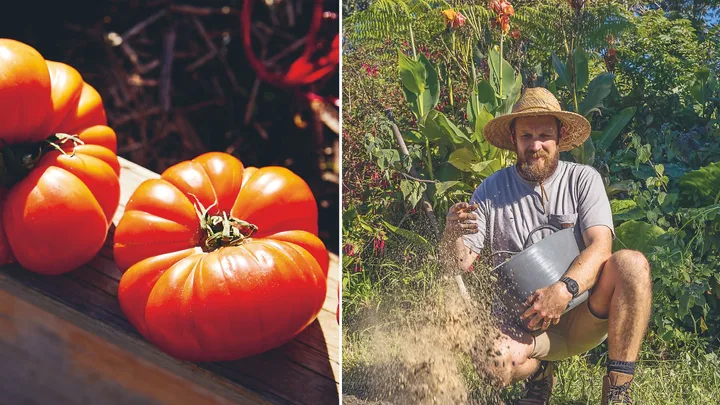
What summer garden would be complete without a couple of tomato plants? There are few greater pleasures for the gardener than enjoying a tomato straight from the vine, full of juice and warm from the sun. I like to grow cherry varieties for salads and snacks, and larger slicing tomatoes for roasting, adding to sangas and turning into sauce.
Position: Full sun
Seeds or seedlings: Seedlings
Planting and maintenance
Plant tomato seedlings into the soil right up to their lowest leaves, spacing them 50cm apart. Tomatoes have a natural trailing habit and can be left to ramble over the ground if you like; just make sure you mulch well around the plant so that the fruit doesn’t come into contact with the soil, which can cause it to rot. Alternatively, tomatoes can be staked by driving 2m hardwood stakes into the ground next to the plants. As the plants grow, secure them loosely to the stakes with cloth ties – I use cut strips of worn-out T-shirts to tie mine up. Tomatoes like consistent watering and a weekly feed with an organic liquid fertiliser.
Harvesting
Tomatoes will mature at 7–13 weeks. If you’re going to eat them straight off the vine, wait until they are perfectly ripe; if you’d like to store them for a bit, harvest when they are still a little firm.

Silverbeet
If I were to choose one plant in the vegie patch most likely to survive a natural disaster, it would have to be silverbeet. It’s the only plant in the garden that seems to almost thrive on neglect. It has modest food and water requirements, while still producing mountains of nutrient-dense leaves.
Position: Full sun
Seeds or seedlings: Seedlings
Planting and maintenance
Plant silverbeet with 25cm spacings. The plant is very hardy and needs watering only once or twice a week, with the occasional feed of organic liquid fertiliser. If it’s watered well during summer and sheltered from hot afternoon sun, it can live up to two years.
Harvesting
The first leaves will be ready to harvest at about eight weeks. Harvest the outer leaves first, always leaving at least one-third of the plant intact. Continual harvesting in this manner will encourage the plant to grow plenty of new leaves. Team your homegrown silverbeet with potatoes and lentils to make a hearty and nourishing salad.