
 Canva
Canva
From ultrasonic repellents to essential oils and certain plants, there’s plenty of debate over what keeps snakes out of your yard. One popular belief? Having a blue-tongue lizard living in your garden will keep snakes away.
But is it true?
Do blue-tongue lizards keep snakes away?
Stewy the Snake Catcher, who runs an emergency snake removal and wildlife rescue service in Melbourne, says this is a common misconception.
“If I had a dollar for every time I’ve heard this, I’d be retired,” he shared in a Facebook post.
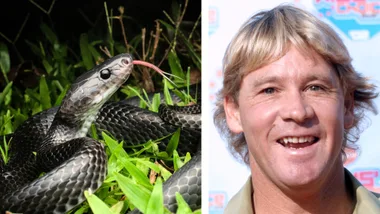
The truth is snakes and blue-tongued lizards often share the same habitats and can be found in close proximity to each other. As Stewy points out, “Blue-tongue lizards can eat baby snakes, and snakes can eat blue-tongue lizards.”
In the wild, blue-tongued lizards are preyed on by large birds, such as brown falcons and kookaburras, as well as snakes like the Eastern brown, red-bellied black, and mulga snakes. Feral cats and dogs are also known predators. In suburbia, young lizards are especially vulnerable and rarely survive to adulthood.
So while blue-tongue lizards are fantastic to have around, they won’t actively repel snakes. If you’re relying on the local bluey to keep your backyard snake-free, it’s best not to get too comfortable.
So, where did the myth come from?
This belief likely stems from people noticing blue-tongue lizards in their yards but not seeing any snakes. However, it’s usually other factors, such as a tidy garden, short grass, minimal cover, and low rodent activity, that naturally deter snakes. The presence of a bluey may be just a coincidence.
Why blue-tongue lizards are still great to have around
Even if they don’t keep snakes away, blue-tongue lizards play a helpful role in the garden. They eat pests like slugs, snails, and beetles, making them a low-maintenance and eco-friendly garden companion.
If you’re lucky enough to have them in your yard, avoid using snail bait or insecticides, as blue-tongued lizards can be poisoned by eating contaminated prey (slugs or snails).
Are blue-tongue lizards dangerous to pets or kids?
Blue-tongues are non-venomous, non-poisonous, and generally docile. However, curious cats or dogs may harass them, so it’s best to supervise your pets.
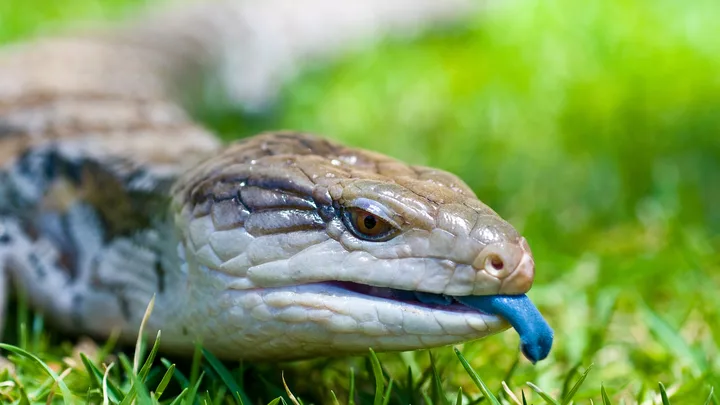
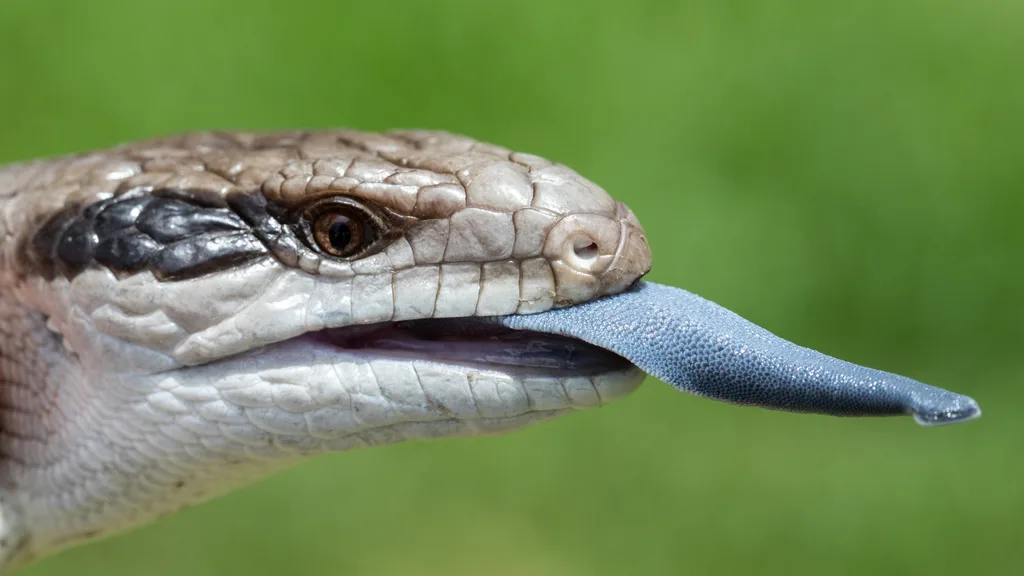
If threatened, a blue-tongue may hiss, flatten its body, and stick out its tongue to scare off predators. While they can bite if handled roughly or scared, they’re not a danger to humans or pets.
What attracts snakes to your yard?
Snakes are drawn to areas that offer food, shelter, and warmth, so the best way to deter them is by making your yard less inviting. Keep grass trimmed short and remove any piles of wood, leaves, or other debris where snakes could hide.
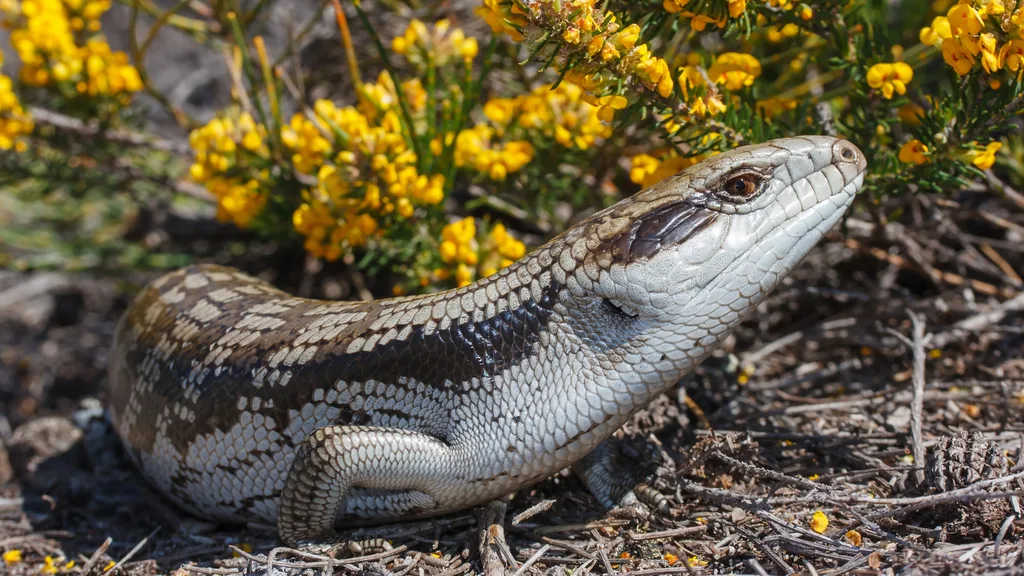
How to attract blue-tongued lizards to your yard
To make your garden blue–tongue–friendly, provide sunny basking spots, such as flat rocks or tiles, and plant native ground cover to offer protection. Add low shelters, such as logs or terracotta pipes, and avoid pesticides to keep their food sources safe.
Can I touch or move a blue-tongue lizard?
Blue-tongue lizards are protected native wildlife. In most Australian states, it’s illegal to harm or relocate them without a permit. The best thing you can do is admire them from a distance and let them get on with their business.

Related stories
Native ad body.
Native ad body.

Native ad body.