
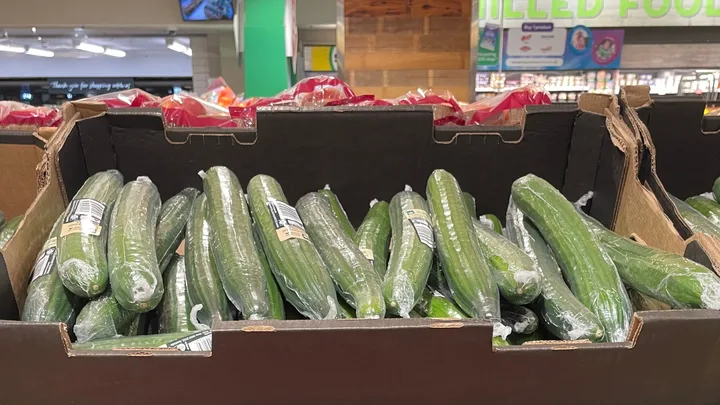
Continental (or telegraph) cucumbers are the bane of my existence. Every time I pass them in a grocery store, I see red. It’s not the cucumber itself, but rather what it’s wrapped in: a skin of plastic.
I loathe any fruits and vegies that are packaged in plastic. Of course, I do understand the need to group vegies together for easier selling, such as a bag of potatoes, but I will always try to opt for plastic-free wherever I can. Because of the plastic wrap on continental cucumbers, I tend to always choose the more expensive Lebanese cucumbers. So, why, why, why does this vegetable need more protection than others?
After speaking to grocery expert Thanh the Fruit Nerd, I’ve got a little more sympathy for the humble continental cucumber. According to Thanh, continental cucumbers are just a little more sensitive than other vegies.
The purpose of plastic wrapping on continental cucumbers
Thanh explains that the wrapping on telegraph cucumbers is “due to ‘transpiration’ or weight loss of water over time from the produce.” You know when you cut a continental cucumber in half and leave the exposed end in the fridge, it gets all wrinkly, dry and floppy? That’s transpiration.
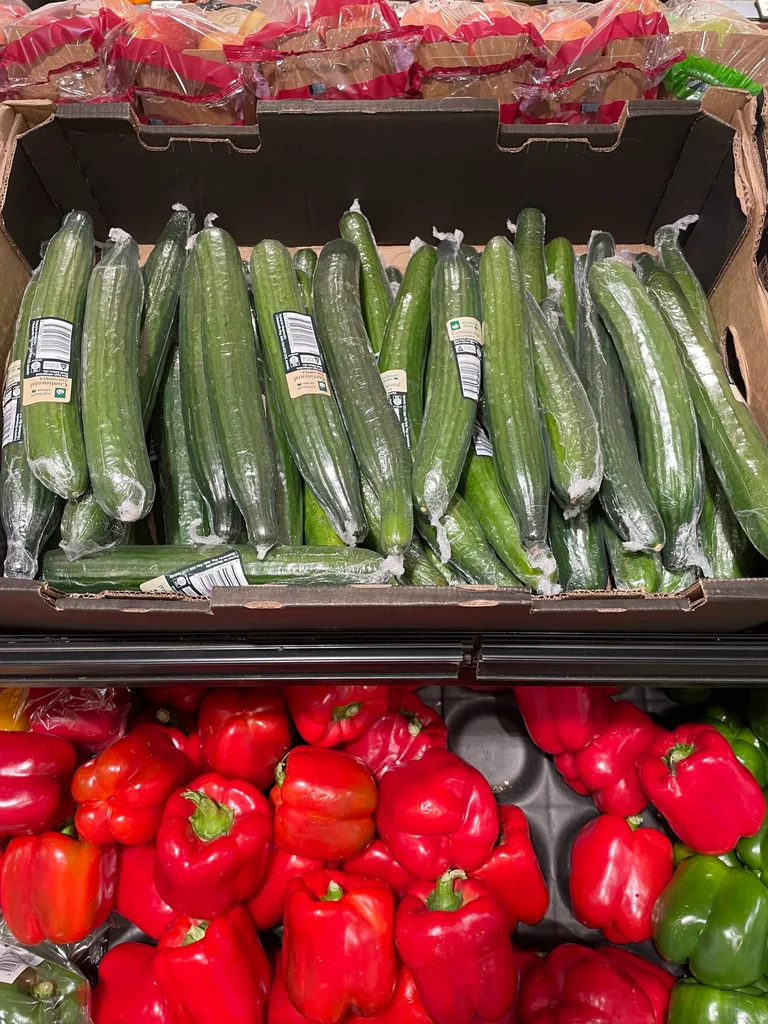
The plastic wrap on these long cucs is necessary to protect their very thin skin, especially when being transported and placed in high air-conditioned environments, like supermarkets.
Thanh explains the maths behind why shrink-wrapping is necessary for telegraph cucumbers:
“Given they need to be transported between 1-3 days to get from farm to shop, then on the shelf for another 1-2 days, then go to someone’s fridge for anywhere from 1-4 days. You’re looking at 3-12 days before someone consumes the cucumber.
After 1 day, a cucumber could lose 3% of its weight. After 3 days, it can lose 10% of its weight. And basically, beyond 5 days it starts to “generally speaking” be very floppy and undesirable to eat.”
TDLR; Continental cucumbers are delicate little vegies, and need extra protection so they don’t get bruised or go floppy from water weight loss.
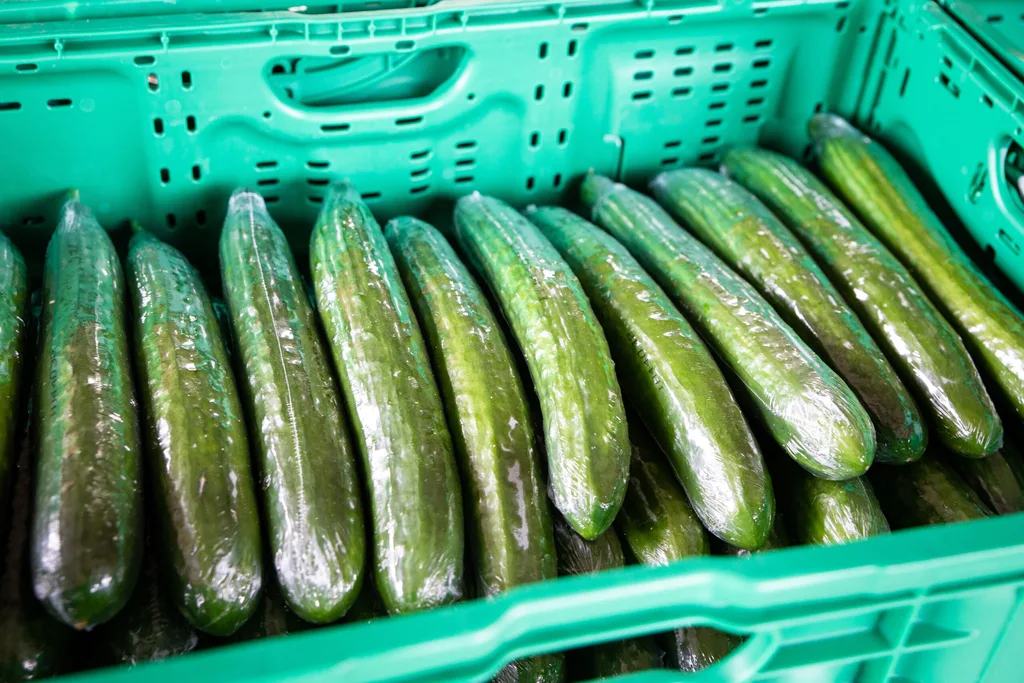
For homegrown telegraph cucumbers
If you’re a cuc gardener, then there’s a golden rule that you should always follow, according to The Fruit Nerd.
Thanh’s tip is to only pick the day you want to eat your cucumber. This will cut down on any possible transpiration that may occur.
What do the BHG readers think of cucumbers wrapped in plastic?
Anything that’s wrapped in plastic at the grocery store is divisive. While some love that their vegies are protected from germs and touching, the majority thinks that plastic wrap is a sustainability issue. A post on the Better Homes and Gardens Facebook page left our readers divided.
Many commenters said they would always choose unwrapped over wrapped in plastic: “I love them; I use them in salads, but I refuse to buy them if they are wrapped.” A few comments mentioned that plastic was a helpful tool for fighting off unnecessary touching: “I hate plastic, but I’m glad they do. I don’t want a cucumber that someone’s fingernails have gouged into.
Continental cucumbers are longer and typically sweeter than Lebanese cucumbers. Lebanese cucumbers usually have a darker green skin and a more crisp texture. If anything, you’ll always be able to tell them apart at the supermarket; one will be all wrapped up in plastic!
Yes, the names ‘continental’ and ‘telegraph’ are interchangeable when it comes to this longer cucumber variety. You can usually spot it in an Australian store with the name continental cucumber, and it will most likely have a skin of plastic on it.


Related stories

Native ad body.

Native ad body.



Native ad body.