
 Livia Gamble
Few things annoy me more than throwing away food I just paid for. But that’s exactly what happens with mushrooms. I buy them, toss them in the fridge, and by the time I’m ready to cook, they’ve gone slimy and straight into the bin. What a waste.
For the longest time, I blamed my storage habits. But after speaking to Dr Vincent Candrawinata, a food scientist who actually knows what he’s talking about, I finally understand the real culprit: those “convenient” plastic containers.
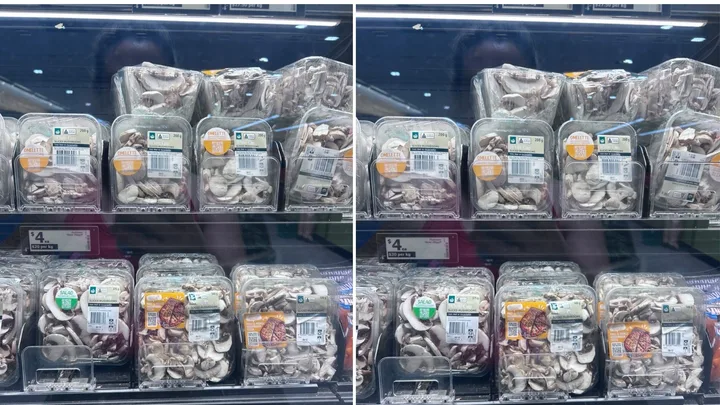
Some supermarkets have decided to ‘help’ us by pre-slicing mushrooms and packaging them in plastic containers. Sounds convenient, right? Wrong. These mushrooms turn into a slimy, inedible mess faster than you can say ‘meal prep.’
According to Dr Vincent, the plastic container essentially traps mushrooms in their own condensation, suffocating them.

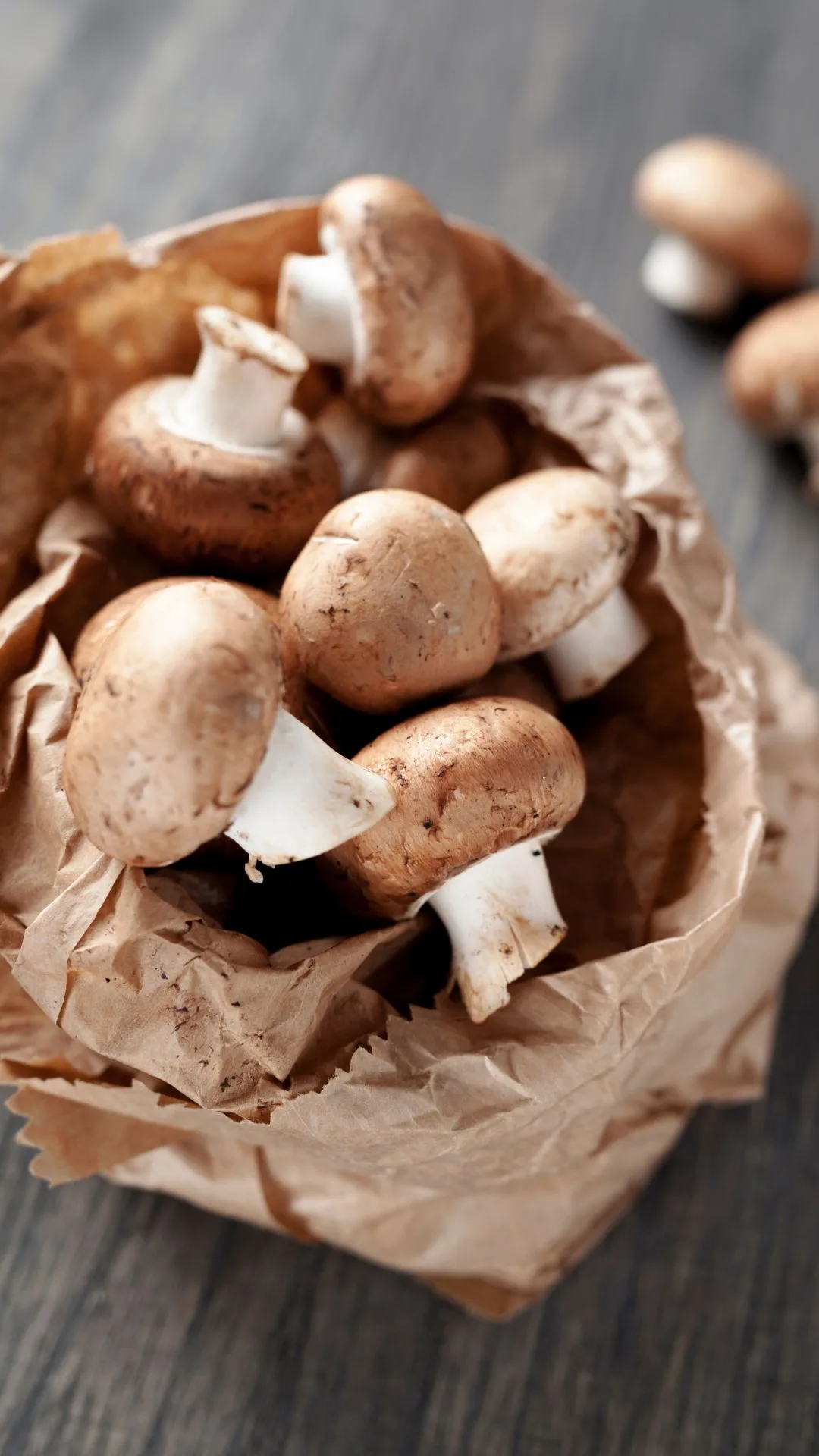
Why mushrooms need to be stored in paper bags
Dr Vincent explains that just because mushrooms have been picked, it doesn’t mean they die.
“As ‘living organisms, mushrooms release natural moisture, and this moisture condenses on the plastic,” he says.
That’s why some supermarkets also provide paper bags for customers to store their loose mushrooms in.
“Paper is breathable,” says Dr Vincent. “It absorbs excess moisture and allows airflow around the mushrooms.
“This prevents condensation, slows microbial growth and keeps the mushroom surface dry. In simple terms, paper lets mushrooms “breathe”.”
Mushrooms stored in a paper bag in the fridge can last up to a week. But the current advice is to consume them in under a week.
“If mushrooms become slimy, smell sour or develop dark wet patches, they should not be eaten. Mould growth is also a clear sign of spoilage,” says Dr Vincent.
Why plastic makes your mushrooms go slimy
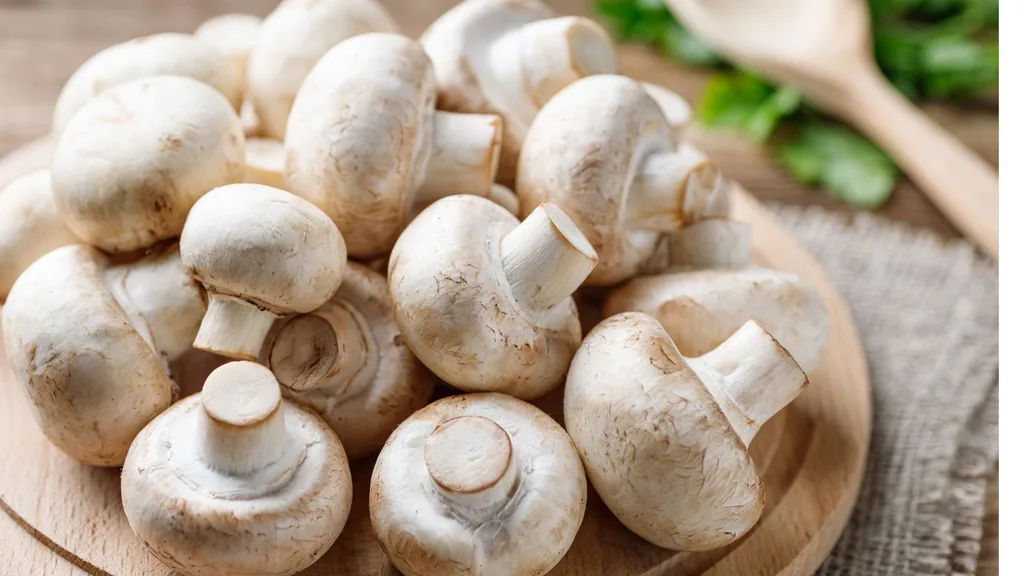
Plastic, on the other hand, does not let anything breathe, including your mushies.
As we know, mushrooms contain a lot of water, “so when they are stored in plastic, moisture becomes trapped and cannot escape (because plastic doesn’t allow for airflow).”
“This creates a humid, oxygen-poor environment,” says Dr Vincent.
“Low oxygen and high moisture accelerate the enzymatic breakdown, browning and bacterial growth, which lead to faster spoilage and sliminess.”
TDLR; Mushrooms are a living organism with a high water content. When stored in plastic, the mushrooms are forced to sit in their own liquid, increasing bacterial growth and sliminess.
What to do with plastic-packed mushrooms
If plastic-wrapped mushrooms are your only option, transfer them to a paper bag as soon as you get home. If you don’t have a paper bag, wrapping them in a paper towel also works. Just make sure you’re changing the paper towel daily.
Store mushrooms in the main fridge compartment (not the crisper)
If you’re like me and throw all fruits and veggies into the crisper without a second thought, you aren’t alone. It turns out, the crisper is designed to trap humidity, which is not what you want for mushrooms.
“For mushrooms, it causes moisture buildup, faster spoilage and sliminess. Mushrooms need a drier, well-ventilated environment, and the main fridge area allows excess moisture to evaporate rather than accumulate,” says Dr Vincent.
“Combined with storing them in a paper bag, this keeps mushrooms firmer, fresher and prevents bacterial growth.”
Do all mushroom types need paper bags?
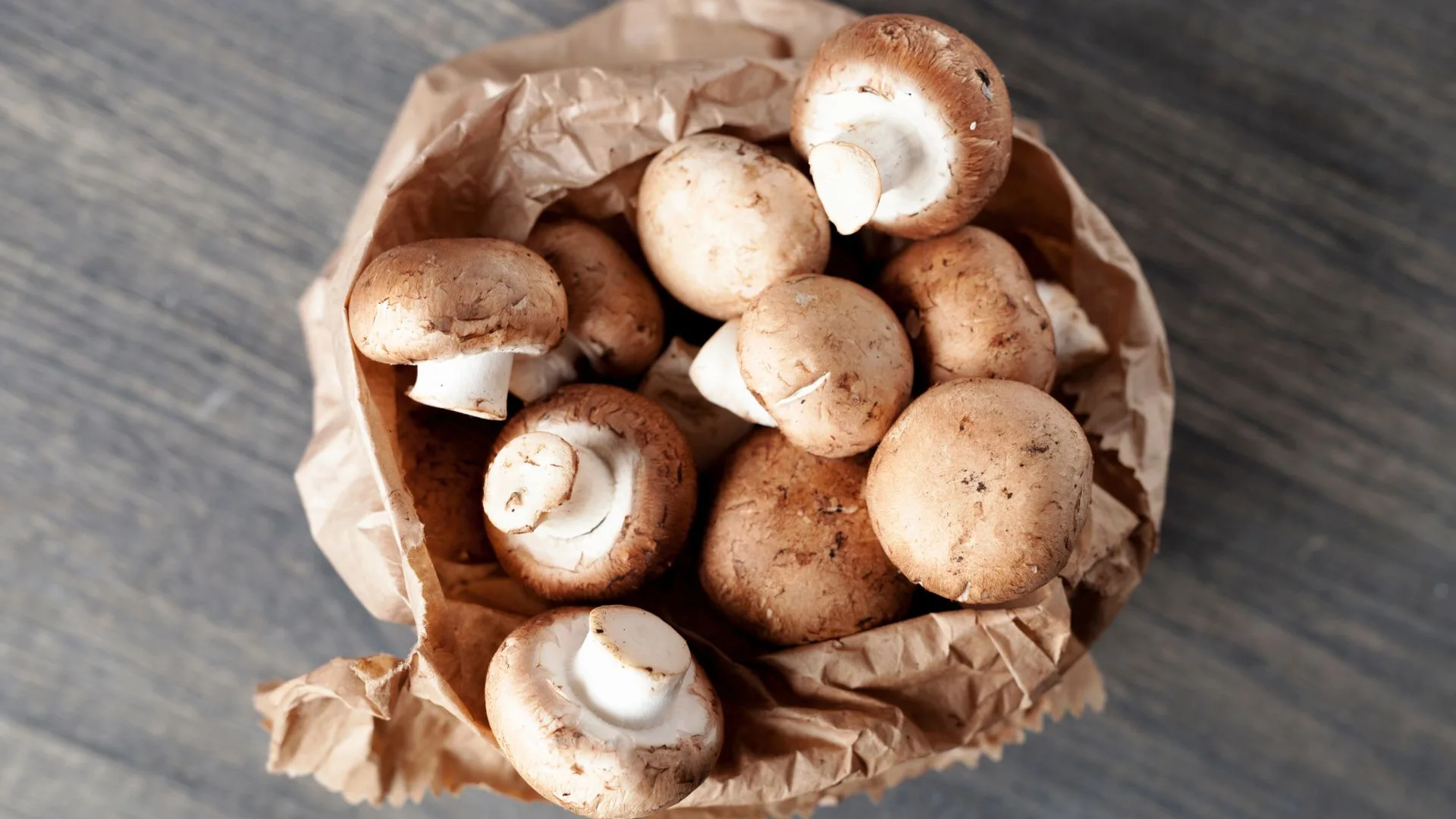
Whether you’ve bought button mushrooms, portobellos, shiitakes, or even fancy enoki mushrooms, they all need the same paper bag treatment.
The main difference is how quickly they spoil. Delicate varieties like enoki and oyster mushrooms can go slimy even faster than button mushrooms, sometimes within 2-3 days in plastic. Heartier mushrooms like portobellos might last slightly longer, but they still need paper bags to prevent that dreaded sliminess.
The golden rule: if it’s a mushroom, it belongs in paper, not plastic.
Storing mushrooms: step-by-step
Dr Vincent says the best methods for storing mushrooms for maximum freshness are in a paper bag, in the fridge, and with minimal washing before storage.
Step-by-step:
1. Place mushrooms in a paper bag (or wrap in a paper towel).
2. Store them in the main compartment of the fridge, not the crisper.
3. Do not wash before storing; moisture accelerates spoilage.
4. Wash just before cooking.
Now that I know the paper bag trick, my mushrooms actually make it to dinner—no more slimy surprises!

Related stories

Native ad body.
Native ad body.

Native ad body.