
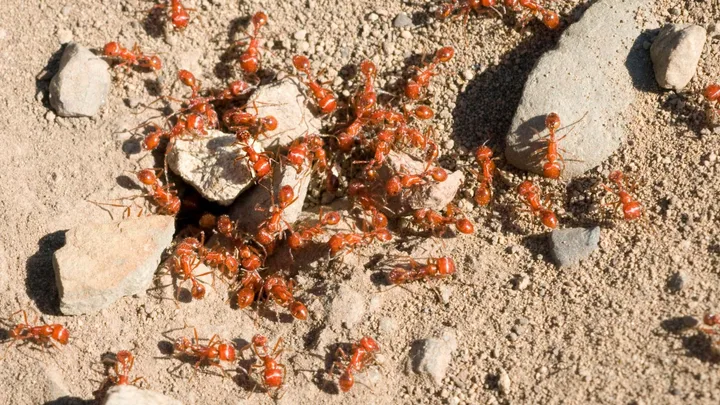
Authorities have detected multiple red imported fire ant (Solenopsis invicta) nests across several properties in Western Sydney, prompting an investigation into whether the infestation is linked to an earlier detection at Enfield.
NSW biosecurity officials say preliminary testing indicates the Auburn infestation may involve polygyne fire ants, a form of the species capable of supporting multiple queens within a single colony and spreading more rapidly.
The latest detections, about two months after fire ants were found at Enfield, have expanded concerns about the pest’s presence in Sydney. Experts say the find highlights the possibility that additional nests could remain undetected across the NSW capital.
KEY TAKEAWAYS
- Multiple fire ant mounds have been discovered across several properties in Sydney’s west.
- Experts identify risk that more nests could be hiding in suburban backyards.
- If you spot a suspicious mound, don’t disturb it. Report it to authorities immediately.
Professor Nigel Andrew, chair of science and professor of entomology at Southern Cross University, said the latest find was especially important because a resident reported it rather than it being found during routine checks.
“Surveillance traps and detection dogs can only cover so much ground,” Andrew told Better Homes and Gardens.
“The Enfield nest was picked up by a routine lure at a logistics centre, but a nest a year old and more than 6km away shows how much the public can add as an early-warning system.”
He said finding the ants early is very important to get rid of the invasive species before it settles in.
“Overseas and in Australia, the programs that have succeeded have been small ones, and they depended on finding nests early,” he added.
Why this discovery matters
The discovery has led to calls for residents, especially in Sydney’s inner west and western suburbs, to look for signs of fire ants on their properties.
While Professor Andrew said there was no need to panic, he warned that a colony up to a year old might have already produced queen ants that can start new nests.
“A nest that old has had time to produce mating flights, so other nests may exist that we don’t yet know about,” he explained.
“Queens that have mated can fly well beyond their home nest, and people also move the ants without knowing it, in soil, mulch, turf and potted plants.”
Why are fire ants a threat?
Fire ants are among the world’s most invasive pests. Unlike most common backyard ants, they attack aggressively when disturbed and can sting many times, causing a painful, burning feeling. The itchy bumps may take days to heal. In rare cases, their venom can cause serious allergic reactions.
Professor Andrew said their effects go far beyond health, explaining that “they are the insect equivalent of lantana or wandering dew”.
“They can displace native ground-dwelling wildlife, and damage crops, irrigation and electrical equipment.”
Fire ants could disrupt everyday activities in Sydney, from children’s sport and outdoor picnics to gardening.
“Backyards, parks and sports ovals would become places to check before sitting, playing or walking barefoot,” Andrew said.
What should you do if you spot a nest?
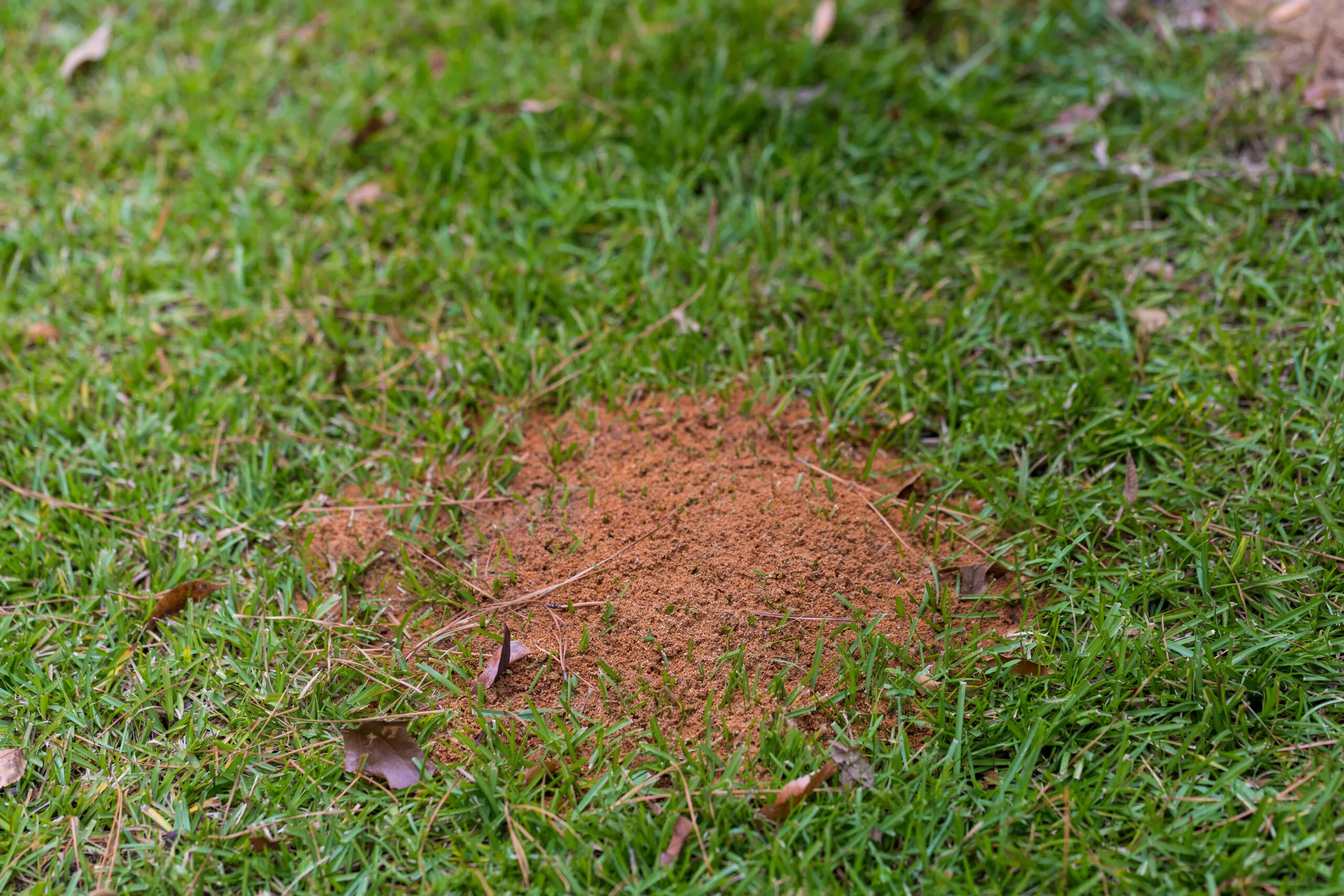
Experts say residents should look for dome-shaped piles of loose, fine soil with no clear entrance hole.
However, Professor Andrew warned against treating suspected nests yourself. If disturbed, many ants may come out quickly and aggressively.
“If it looks like a fresh mound of fine soil and a lot of ants appear when disturbed, treat it as suspect, back off, take a photo from a distance and report it,” Andrew said.
“The Sydney fire ant outbreaks are beatable at this early stage, but only if we find the nests.”
If you think you’ve found a fire ant nest, call the NSW Biosecurity Helpline on 1800 680 244.

Related stories

Native ad body.
Native ad body.

Native ad body.