


Everybody likes a quick cleaning hack that takes the effort out of household chores. But often appliances like kettles get forgotten about until you look inside while filling it up (or have a glass one).
Some manufacturers actually recommend you clean your kettle around once a month if you use it daily. Others advise that you descale the inside of it any time limescale is visible. So, if you’re a fan of natural remedies and replacing chemical cleaning products with natural alternatives, we have the hack for you.
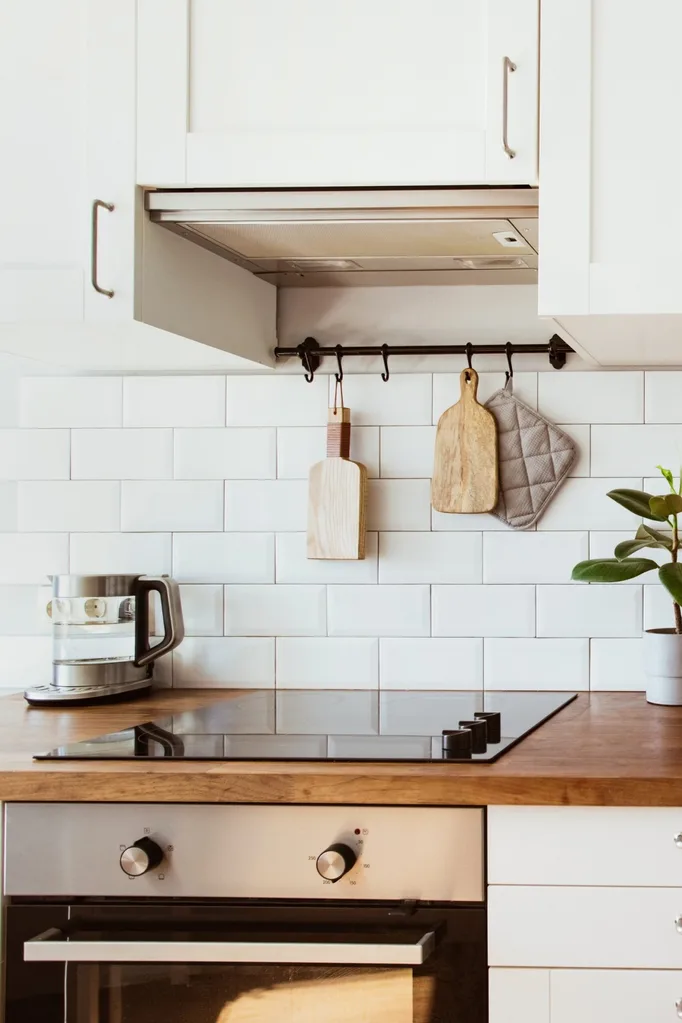
What is limescale?
Limescale are mineral deposits made up of calcium and magnesium. These deposits are leftover when hard water is boiled away. Limescale looks like small white or off-white coloured stains inside your kettle. It forms when heated or even just left standing in your kettle. If you live in a hard water area, then getting limescale is quite common, and almost unavoidable.
Is limescale from a kettle bad for you to ingest?
Limescale is not a harmful substance to ingest, after all it is only a build up of calcium and magnesium. It can, however, leave a bad aftertaste on your palate, and could result in small, visible flakes or blobs in your tea.
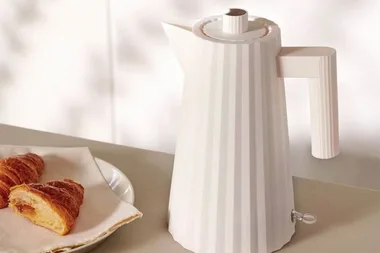


Why is it important to descale your kettle?
Limescale is not harmful to ingest, however, it can change the way your boiled or standing water tastes. Many explain the taste of water from a kettle with limescale as slightly metallic, and even finding flakes of white in their tea. This makes it very unappealing to see and ingest.
Where limescale actually becomes problematic is leaving it in your kettle. This mineral buildup can affect the efficiency of your kettle and overtime, shorten it’s lifespan. Because of this, it is recommended to clean out and descale your kettle every couple of months. This will reduce any buildup, and keep your coffee metallic-free!
How to clean an electric kettle inside and out
You can simply wipe down the outside of an electric kettle with a damp cloth to clean it. Add some detergent and rinse if it’s very dirty.
But even if it’s purchased brand new, the average kitchen kettle will eventually develop a layer of scale on the inside. Most manufacturers recommend that you regularly descale your kettle to improve performance.
But rather than scrubbing and washing your kettle using chemicals, you can clean and descale a kettle in a matter of minutes, with little to no effort at all, just by using water and lemons.
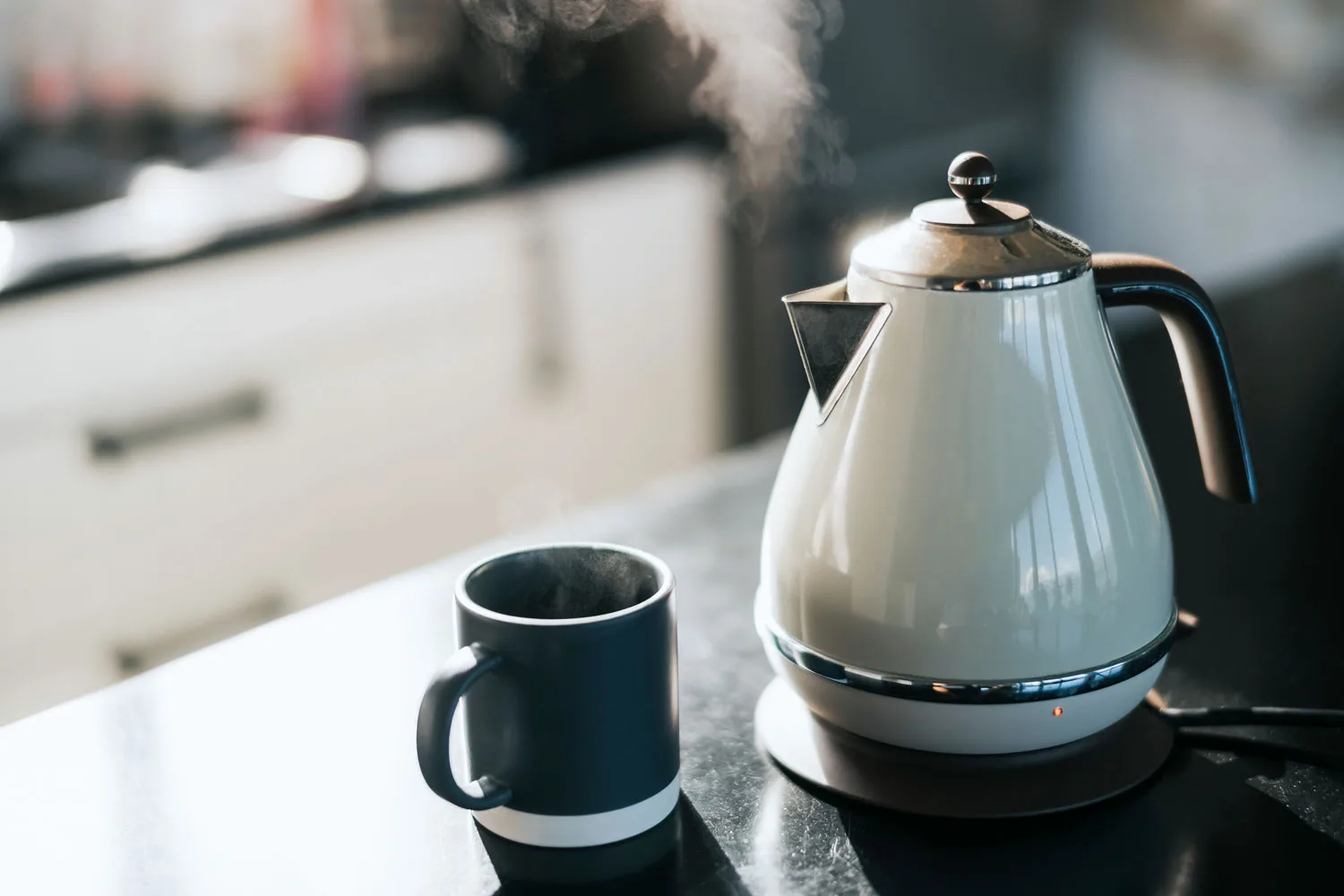
How to clean a kettle
1. Cleaning a kettle with vinegar
This process is the strongest and fastest way.
Ratio
1 cup white vinegar and 1 cup of water (1:1)
- Fill the kettle with the vinegar and water mixture.
- Bring to a full boil.
- Turn it off and let it sit for 5 minutes. If you have more time on your hands, you can leave it to soak for up to an hour.
- Empty and rinse it thoroughly 2-3 times.
- Boil fresh water once and discard to remove the taste.
2. Cleaning a kettle with lemon
This process is gentler on the kettle and finishes with a fresh smell.
Ratio
Option 1: 1/2 cup bottled lemon juice and 1 1/2 cups water (1:3)
Option 2: Juice of 1-2 fresh lemons and enough water to cover the limescale
- Slice whole lemons into thin rounds and put them in your kettle.
- Fill your kettle with enough cold water to cover the affected areas of your kettle.
- Boil the water with the lemons in it.
- Leave for 5-10 minutes.
- Boil once with fresh water, leave for 30 minutes, then boil a second time.
- Rinse with clean, cold water.
Et voila! Your kettle should be clean and descaled.
3. Cleaning a kettle with citric acid
Another natural way of cleaning a kettle is to use citric acid.
- Add 1/2 teaspoon of citric acid to a kettle full of water.
- Let it boil.
- Rinse thoroughly.
How often should you clean your kettle?
You should clean the kettle every 1-2 months for maintenance.
TIP: If you have very heavy limescale, after boiling gently scrub the interior with a non-scratch sponge or soft bottle brush.

What is the best way to clean the inside of a kettle?
While lemons, citric acid, and water-vinegar solutions are commonly recommended as effective natural cleaners for the inside of a kettle, their suitability may vary depending on a few factors.
- Lemons: Lemons contain citric acid, which can help dissolve mineral deposits and remove limescale buildup from the interior of a kettle. This method is often effective for mild to moderate residue and is gentle on most kettle materials. It may be less effective for heavy buildup or stubborn stains.
Citric acid: Citric acid is a powerful descaler that can effectively remove mineral deposits and limescale from kettles. Choose this product when tackling kettles with stubborn buildup. Remember that it might require a longer soaking time than other methods.
Water-vinegar solution: A mixture of water and vinegar is another popular method for descaling kettles. Vinegar’s acidity helps dissolve mineral deposits and limescale, making them easier to remove. This method is effective for moderate to heavy buildup but may not suit all kettle materials, particularly those sensitive to acids, such as aluminium.
It’s always a great idea to check the manufacturer’s guidelines or test a small area before using any cleaning solution on your kettle.
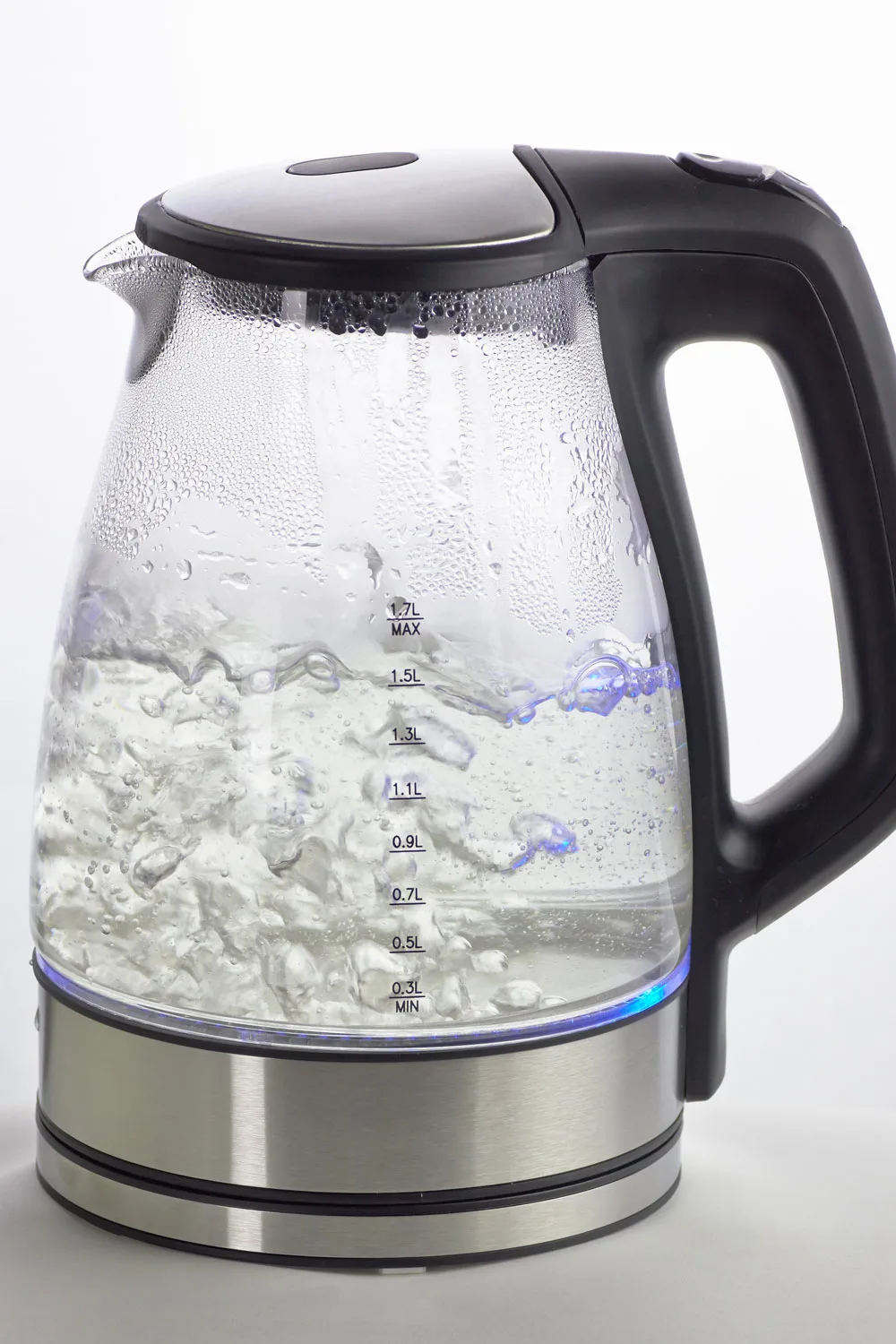
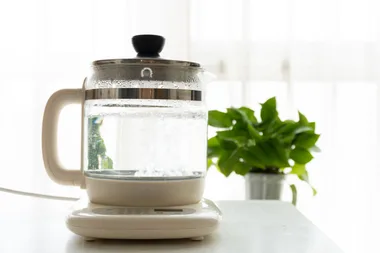
How to clean a glass kettle
Cleaning the inside of a glass kettle requires gentle yet effective methods to make sure the kettle isn’t damaged. Here’s how you can clean the inside of a glass kettle:
Vinegar-water solution: Create a cleaning solution by mixing equal parts of water and white vinegar in the kettle. Fill the kettle with the solution until the limescale or mineral deposits are fully submerged
Boil: Heat the vinegar-water solution in the kettle until it reaches a rolling boil. Allow it to boil for several minutes to loosen and dissolve the buildup on the interior surface of the glass.
Let it soak: After boiling, turn off the kettle and let it cool down slightly. Allow the kettle to sit with the vinegar-water solution inside for at least 1 to 2 hours or overnight for stubborn buildup.
Scrub gently: Use a non-abrasive sponge or soft brush to scrub the inside of your glass kettle. Rinse thoroughly: Once the residue has been loosened and removed, thoroughly rinse the inside of the glass kettle with clean water to wash away any remaining vinegar solution and residue and dry the inside well.
Alternatively, you can use lemon slices or juice diluted with water to clean the glass kettle. Follow the same steps as above, substituting lemon solution for vinegar.
Does the kettle type impact how to clean it?
There are a few safety precautions and differences with cleaning the kettle, depening on what material it is made from.
Glass kettles
- Safe for vinegar or lemon
- Avoid sudden temperature changes – don’t pour cold water into hot glass
- Use a soft sponge only
Stainless steel kettles
- Safe for vinegar or lemon
- Avoid abrasive scrubbers as they will scratch it
- Do not soak overnight repeatedly as it will dull the finish
Electric kettles with a base or heating element
- Never submerge the base
- Keep liquid below the max fill line
- Always unplug before cleaning the exterior
- Wipe the base with a damp cloth only
- If your kettle has an exposed heating coil, limescale builds faster so clean it monthly in hard water areas
What not to use to clean your kettle
Never use bleach, baking soda and vinegar together as it neutralises the effectiveness, abrasive pads or commercial descalers not approved by a manufacturer.
Tips to maintain the cleanliness of a kettle
After each use, empty the leftover water. Don’t leave it sitting in there, or it’ll fester and turn bad. Always leave the lid open so it can air dry and, in turn, slow the mineral buildup.


