
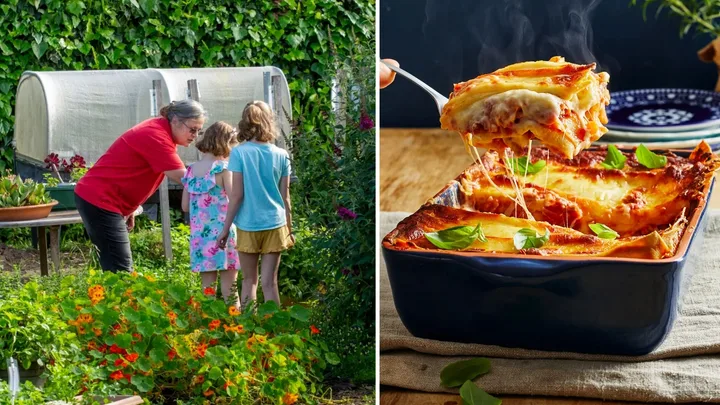
When BHG Facebook follower Debra Watkins’ parents died while her kids were still little, she was stunned to return home to find friends had re-stocked her pantry and fridge while she was away. “I’ll never forget that sort of giving,” she says. Simple gestures like this can be a lifeline. As we settle into 2026, many Australians are feeling the pinch of rising costs and social isolation, making small acts of kindness more important than ever.
What if helping others could be as simple as doing what you already love, just for someone else?
If you’re unsure what you can offer someone in need, look to your passions for inspiration. Take your penchant for cooking, gardening, knitting, cleaning (I’m told people who love to clean do, in fact, exist) or even for a good chinwag, and turn it into your superpower! One that can help someone going through a rough patch, feeling lonely, who has just had a baby, or who would appreciate knowing you’re thinking of them. Feeling warm and fuzzy yet? Here’s how to channel your gifts and skills into action.
1. Make double
Receiving a homemade meal made by someone else feels so special, especially if you’re unwell or have just welcomed a new baby. Roísín Tarrant (aka @geebungalow and founder of By Gee The Label) appreciated the gesture so much as a new mum, that she now pays it forward every time she makes lasagna. Instead of making just one, she now always doubles the batch so she has a spare to give away. “It’s one way I can show up as a villager for those that I love in a busy season,” she told her Instagram followers.
Watch: @geebungalow prepare her signature double batch of lasagna
So next time you’re whipping up a storm in the kitchen, consider doubling the batch and giving the extra portions to someone who might appreciate it. Consider offering a batch of delicious chicken soup to that neighbour who’s struck down by the flu, or for that friend caring for elderly parents. A hearty lasagne might feel like a big warm hug in a dish.

2. Offer chores outdoors
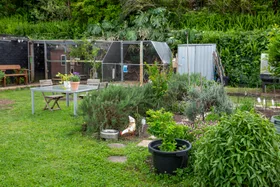
Gardening is often the first task to slide down the list of priorities when life throws a curveball. If someone you know is recovering from a stint in hospital or unable to tend to their garden themselves, you can lend a hand by offering to tidy their garden (with their permission, of course!).
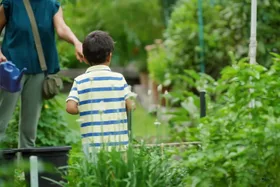
Weeding, mowing the lawn, watering plants and taking out the bins can make a huge difference. Get the kids or grandkids involved – it’s never too early to learn about the importance of community and caring for others.
After our boat (home) was holed and hubby taken to hospital, friends repaired the hole, monitored overnight, arranged a crane and managed a haul out. All while looking after me.
Lea, BHG Facebook follower
3. Share botanical abundance
What’s growing in your garden? Whether there are flowers in bloom or you’ve somehow grown more zucchinis than you know what to do with, chances are someone in your circle would be glad to receive them. Pop surplus veggies in a basket and drop them on a friend’s doorstep or place a crate by your front fence with a sign to let neighbours know the goodies are free for the taking.
Propagating plants from your own garden and giving the seedlings away to neighbours is also a low-cost way to share the gardening goodness!
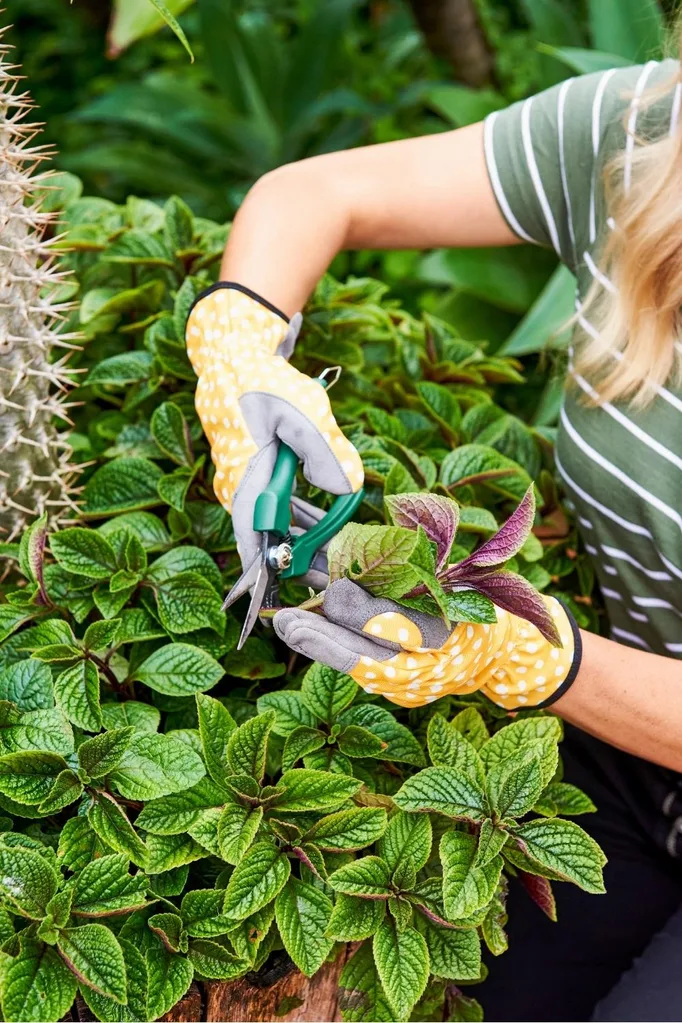



Plants that are easy to propagate
4. Be a stand-in pet parent
Finding a trustworthy pet-sitter isn’t always easy. If you love animals or consider yourself a proud pet parent, you could put your hand up to be this reliable someone in your community.
You can either go all in by volunteering to pet-sit for an extended period, or pop by daily to walk a friend’s dog, keep the pet company and top up food and water. If the owners are out of town, be sure to send them snaps regularly – they’ll appreciate it more than you know.
5. Craft for charity
Your ability to knit, crochet or sew can help make the world a better place! There are plenty of charities that accept donations of knitted or crocheted squares, wraps, hats, scarves and more that will be used and distributed to those in need.
The Rug Up Tassie knitting appeal is a wonderful example, taking knitted square donations, organising teams of knitters to join these and distributing blankets to those in need through winter via Salvo Stores. You can also support Wrap with Love Inc., joining a knitting group or taking knitted donations to a local Spotlight or community drop-off point.

6. See a need, fill a need
New parents are often sleep-deprived and operating in survival mode. When visiting them and their bundle of joy, don’t wait for an invitation to help where needed. Spot a load of washing in the dryer? Fold it and put it away. Dishes in the sink? Stack the dishwasher and run it. If you have time, offer to make a trip to the supermarket or pharmacy for supplies.
When offering to help in situations like these, instead of asking ‘How can I help?’ try ‘I have a spare 10 minutes, would you prefer me to heat up some lunch or to do a quick tidy-up?’. It will easier for them to accept when given two options to choose from.
I was diagnosed palliative care last year … my daughter and her husband paid for a cleaner to come in, for a year! It helped so much.”
Trish Devoy, BHG Facebook follower
7. Have a yarn
We’re more connected than ever, thanks to social media, but there’s nothing quite like an in-person catch up. You never know what someone else might be going through and simply showing up to listen is one of the most powerful forms of support you can offer.
Drop in on a friend with a batch of freshly baked scones or yummy store-bought biscuits and see where the conversation takes you. Make sure you take the time to really listen, then keep the connection going by putting time in the calendar for a future catch up – it’ll give them and you something to look forward to! If you can’t meet in person, pick up the phone or write a letter – they’ll be glad to hear from you.
Friends and my sister supported me when my daughter died. They called around, took care of me, caught up and are still in my life. I am forever grateful!
Trish Doyle, BHG Facebook follower

8. Stay connected with elderly friends and family
If you have an elderly relative or neighbour, staying in touch can help you notice if they might benefit from some extra support. Sometimes small changes – like forgetting appointments more often, shifts in daily habits, or seeming less like themselves—can be signs that additional help could make their life easier and more comfortable. If you’re wondering what might be helpful to notice, Mable has a checklist with thoughtful suggestions for recognising when a friend or loved one might welcome more support.
Things to remember
- The perfect opportunity to help someone won’t just fall into your lap. Being helpful requires a combination of observation, intent and, most importantly, action.
- It won’t always be convenient to go out of your way to help someone. When motivation is lacking, think back to a time when someone lent you a helping hand and how much that gesture meant to you. This might help give you the boost you need to pass on that goodness.
- Offer to help in a way that will be appreciated. We’re all individuals – what one friend may love, another might not find so helpful. Be mindful of individual needs and preferences, such as dietary requirements when batch cooking or allergies to certain pollens when gifting garden pickings.