

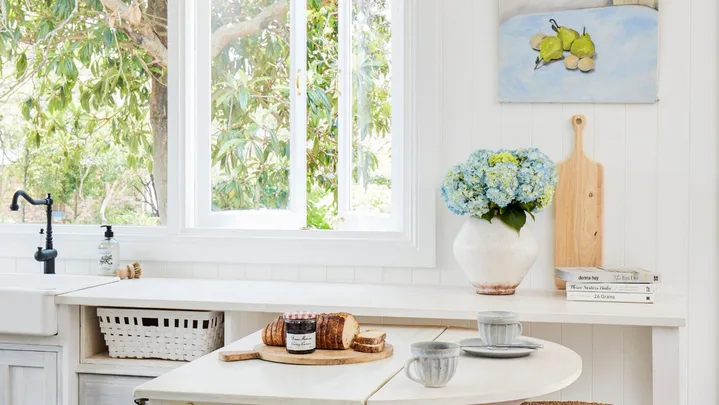
Deciding to renovate rather than sell up and move on is becoming more common among homeowners. And while it’s exciting, it can be a lot to get your head around.
To help, we’ve put together a renovation checklist to ensure nothing gets missed, and your renovation runs as smoothly as possible. It’s also worth checking your home insurance before you start, as renovations can impact your cover depending on the scope of work.
1. Plan your renovation
It might sound obvious, but before you start, take a minute to figure out exactly why you’re renovating and what you want to achieve. Are the changes purely cosmetic, or are you planning something more structural?
2. Do you need approval?
Before you get too excited, check in with your local council to see what you’re allowed to do. Getting this right from the start will save you a lot of headaches down the track.
In saying that, the first question to ask yourself is whether you need formal approval at all. Most renovations fall into three categories.
- Exempt development includes small decks or carports; no approval is required.
- Complying with development applies to smaller projects such as kitchens, garages, or some ground-floor extensions.
- If your renovation changes the look of your home from the street or affects your neighbours, you’ll need to lodge a Development Application (DA).
But every council has its own rules, so double-check where your project fits before you make any big plans.
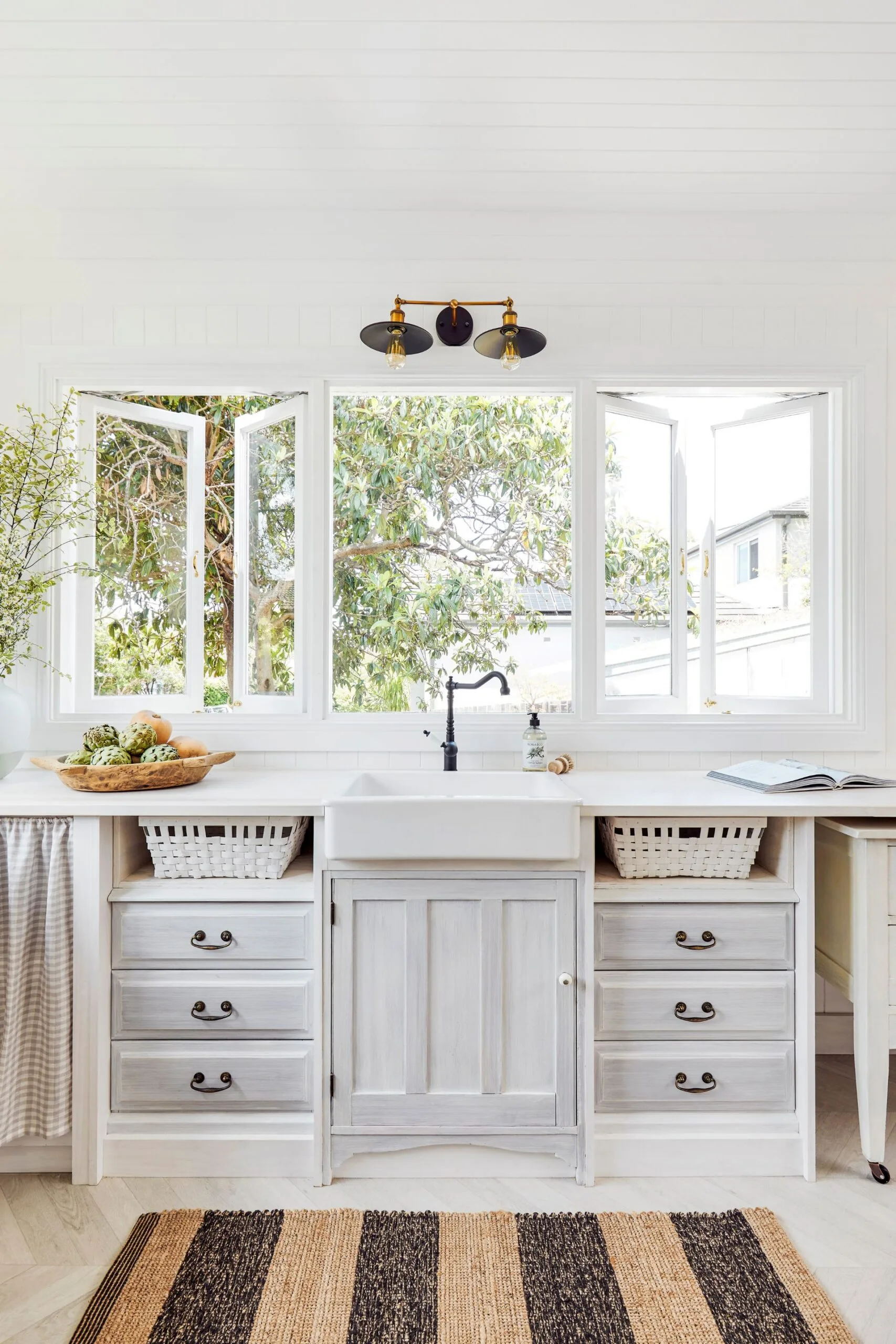
3. Who is handling your approvals?
If you do need planning approvals, figure out who’s handling them. Is it your builder, architect, or project manager? It depends on your reno, but make sure everyone knows what they’re responsible for.
Don’t forget to allow time for planning approvals. Your application must tick all the boxes for state and local council rules, and sometimes neighbours can object.
4. Set a realistic budget
It’s one thing to know what your renovation might cost, but it’s even more important to figure out what you can afford. Your build costs will depend on a few things, like:
- The materials you want to use
- The tradespeople you employ
- The quality of work, finishes and fittings
- The size of the job
- The location of your site.
A good rule of thumb is to add 10–20% extra to your budget for those unexpected surprises.
5. Start collecting quotes on materials early
Start pricing your materials early. Get quotes for things like flooring, benchtops, and tiles before you lock anything in. Knowing the costs upfront means fewer surprises. Plus, it helps you decide where to splurge and where to save.
6. Check for asbestos
If your home was built before 1990, there’s a good chance it could have asbestos. You’ll need a licensed pro to check and remove it before any demo starts. Don’t try to do it yourself.



7. Find the right architect or draftsperson
If you’re planning a big renovation, chat with a few architects and see whose style matches yours. And don’t be shy about getting a few quotes.
8. Lodge your DA early
Once your plans are ready, send them off to the council for approval. It can take up to 90 days in some places. Give your neighbours a heads up about what’s coming. They’ll be much more understanding about noise and mess if they know what to expect, and it might even help speed things up.
9. Find a licensed, reputable builder
Ask around, friends, family, colleagues, for builder recommendations. Check out their past work and get at least three quotes before you decide. Look closely at what’s included and what’s not. Sometimes a cheaper quote isn’t actually a better value.
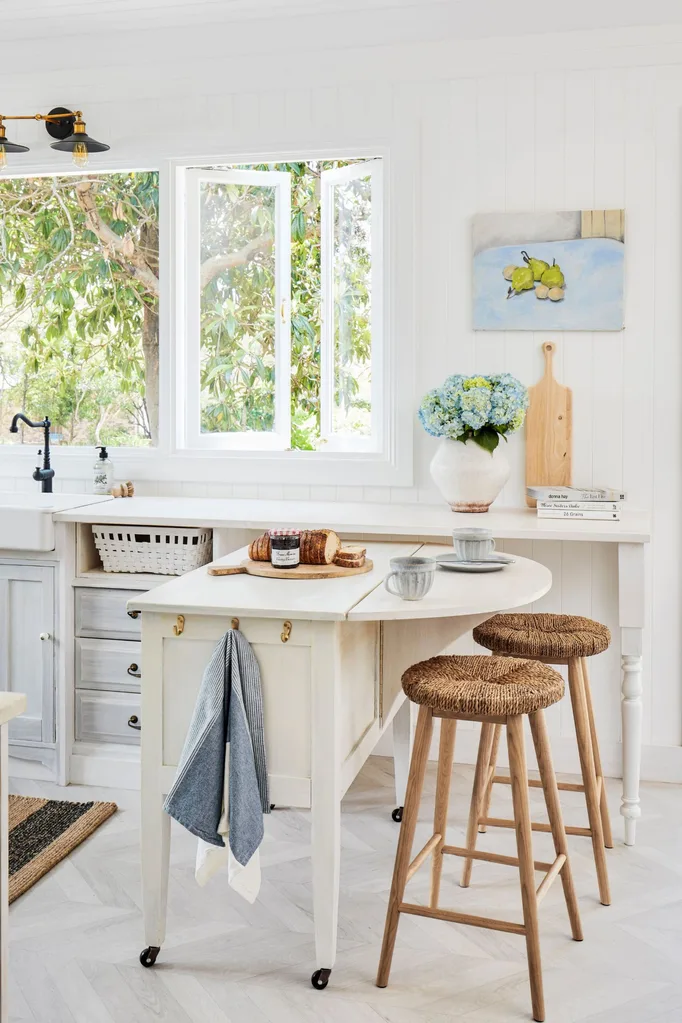
10. Review your home insurance and your builder’s insurance
Before work begins, read your PDS carefully. According to GIO, standard home insurance policies may not cover loss or damage caused directly by building works. It’s also important to notify your insurer before the renovation starts, as failing to do so could affect any future claims.
Once your insurance is up to date, ask your builder to show you theirs and double-check that it covers your property.
11. Order fixtures and fittings early
A lot of tapware, basins, and appliances have to be ordered from overseas and can take weeks to show up. Order these at least six weeks before your builder needs them. Delays here can push your whole project back.
12. Stay across the build as it progresses
Touch base with your builder at least once a week to catch any issues early. Some problems get a lot harder (and more expensive) to fix if you leave them too long. And once the renovations are finished, don’t forget to update your own insurance; your home’s value will have changed, and your old cover might not be enough anymore.
This article was published in partnership with GIO.

