

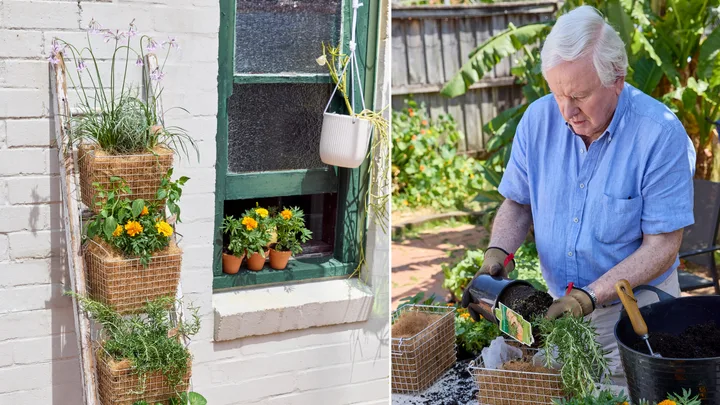
Even if you live in a small apartment, you don’t have to dismiss the idea of growing flowers or herbs. A simple, inexpensive solution is to use vertical garden planters – they can beautify your home, purify the air, and provide an overall sense of well-being.
The idea of making your own DIY green wall might seem a little intimidating, so we have 15 ways to grow a vertical garden at home. Find Graham’s easy steps to build a vertical herb garden, plus, our Garden Editor, Jenny Dillon, shares a no-mess way to grow herbs in water.
15 ways to create a vertical garden in your small home
Aside from using a timber pallet to make a vertical succulent garden, your imagination is the limit when it comes to building green spaces. Here are some of the best vertical garden planter ideas we’ve tried and tested.
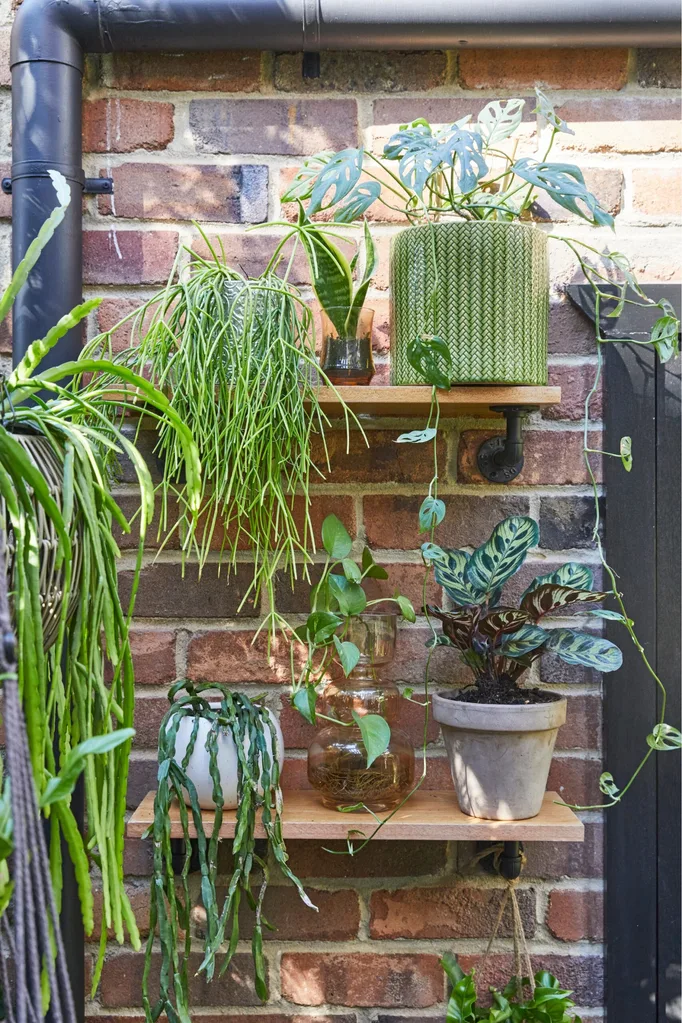
1. Open shelves
An open shelf isn’t just for books or kitchen essentials. You can also place planters on floating shelves to create a vertical garden with little to no effort.
2. Recycle plastic bottles
Recycling plastic bottles is an efficient way to reduce waste. You can paint them in any colour to make them more appealing. Once you’re satisfied with the bottles’ appearance, cut out a large hole on the side, add soil, and then plant seeds.
3. Use mason jars
Another DIY vertical garden solution is to use mason jars. They’re more elegant than plastic bottles, but they require a little more planning. Because of jars’ shape, you’ll want to choose plants with long and thin stems, like herbs. Don’t forget to label them once you’re done.
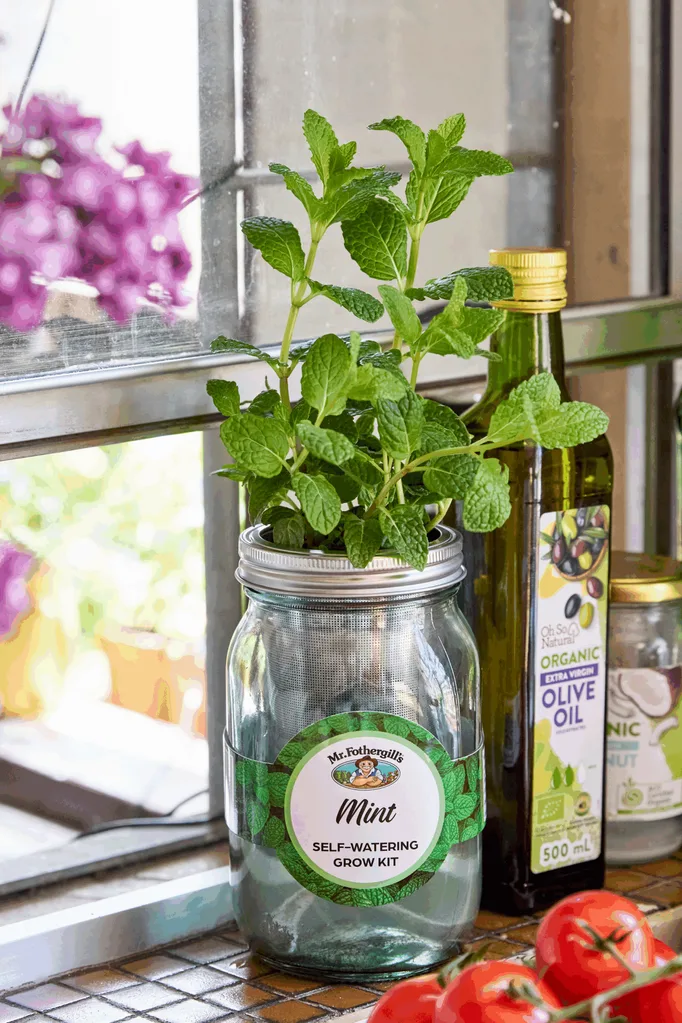
Grow herbs in water
The perfect spot for indoor herbs is a sunny kitchen. For a low-mess option, our Garden Editor, Jenny Dillon shares how to grow herbs in water, including basil, mint, oregano and parsley.
- Grab healthy cuttings 10–15cm long from your garden or a friend.
- Fill a glass container with filtered water – plants don’t like the chlorine in tap water.
- Remove lower leaves and place cutting in water.
- Position for 6–8 hours of bright, indirect light.
- Change the water daily.
- Many herbs will develop roots in about 1–2 weeks, so you can then plant them out in the garden or in pots.
- Regular harvesting for your meals encourages new growth.
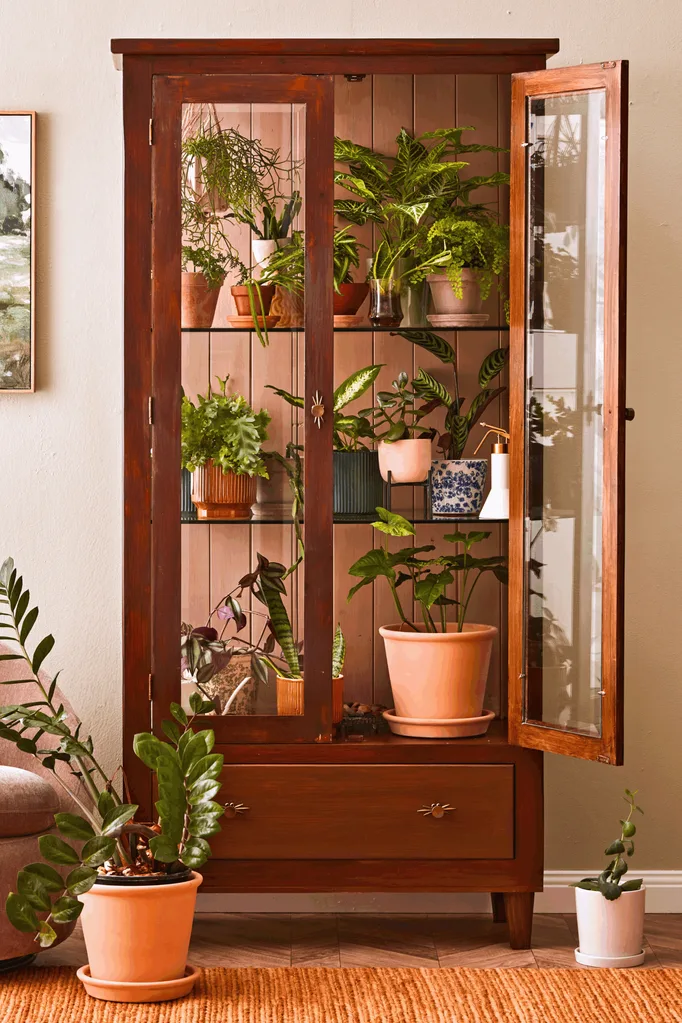
4. Upcycle a dresser
Old dressers don’t have to go into storage or be sold off. You can use them as planters for your vertical garden.
5. Grow vegetables
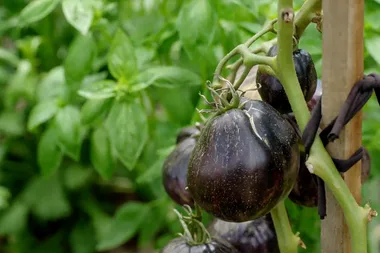
Vertical gardens aren’t just for display. You can grow crops, too. Some of the vegetables that are ideal for vertical gardens are beans, melons and summer squash. Cucumbers that were grown this way also end up longer and straighter.
6. Repurpose a step ladder
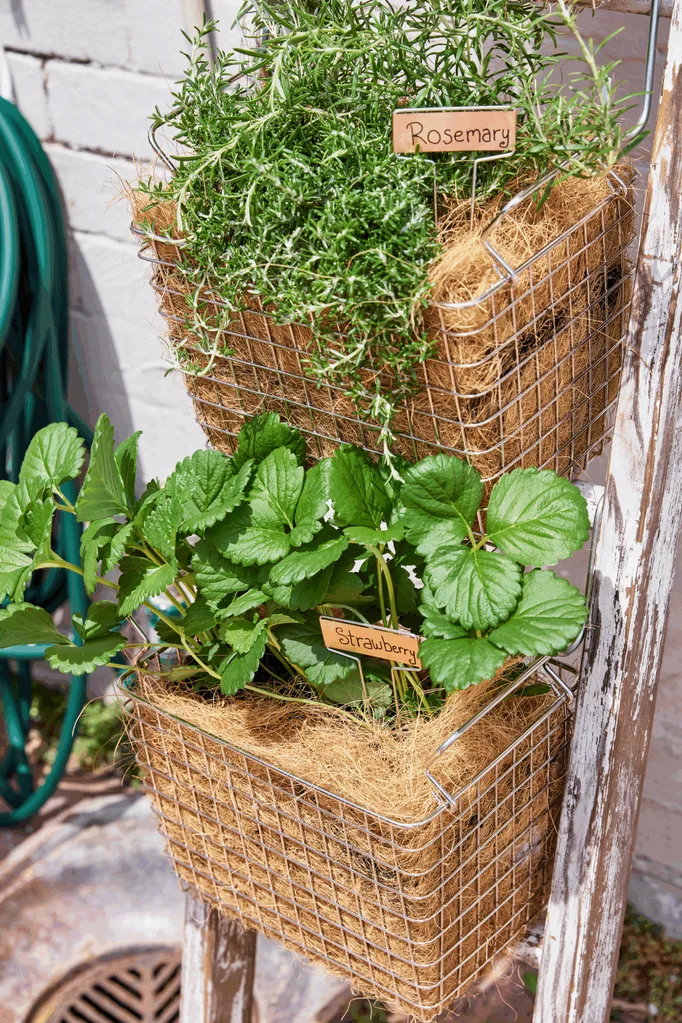
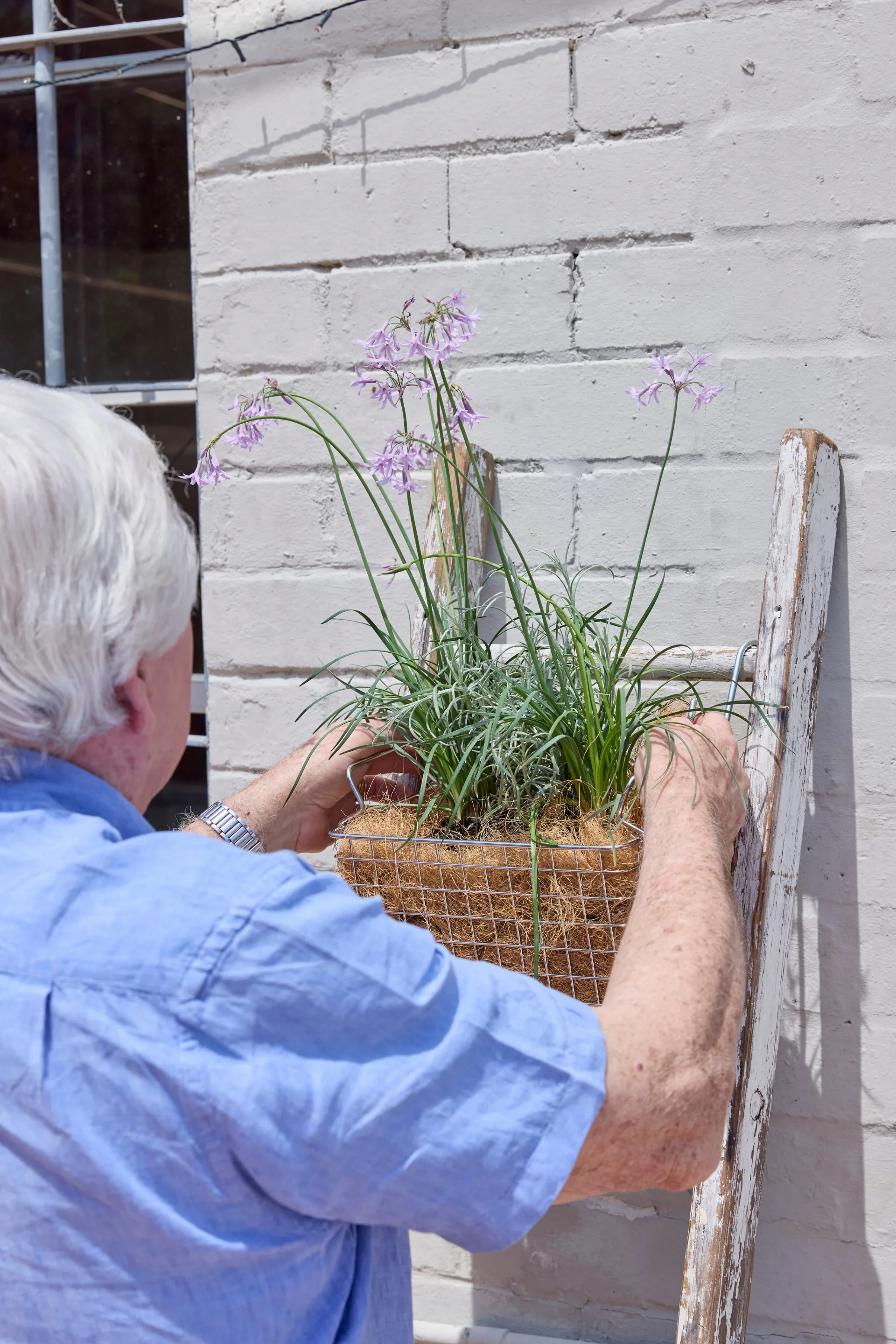
Using a step ladder as a stand for pots is an easy way to create a DIY vertical garden. If you don’t have a step ladder, you can easily order one from Amazon. Find Graham’s step-by-step tutorial for making this below.
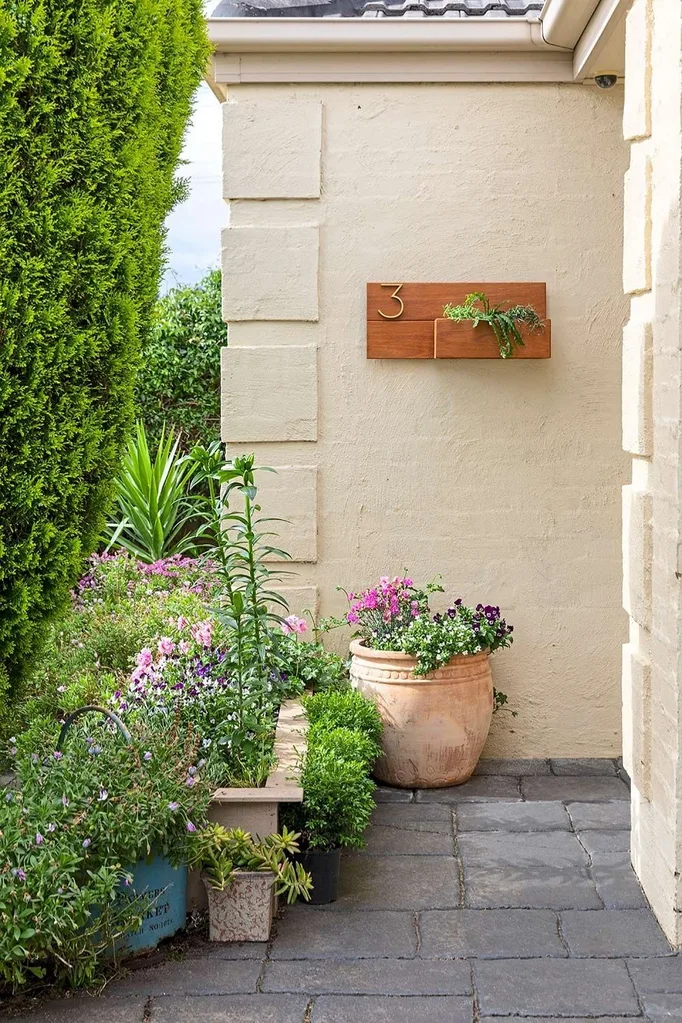
7. Mount planters on horizontal fences
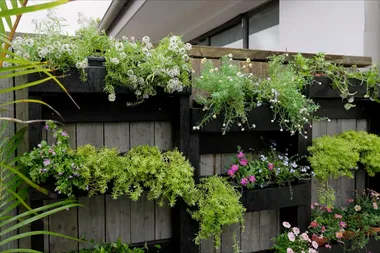
Create visual interest by mounting vertical garden planters on horizontal fences.
8. Create a DIY vertical garden planter trellis
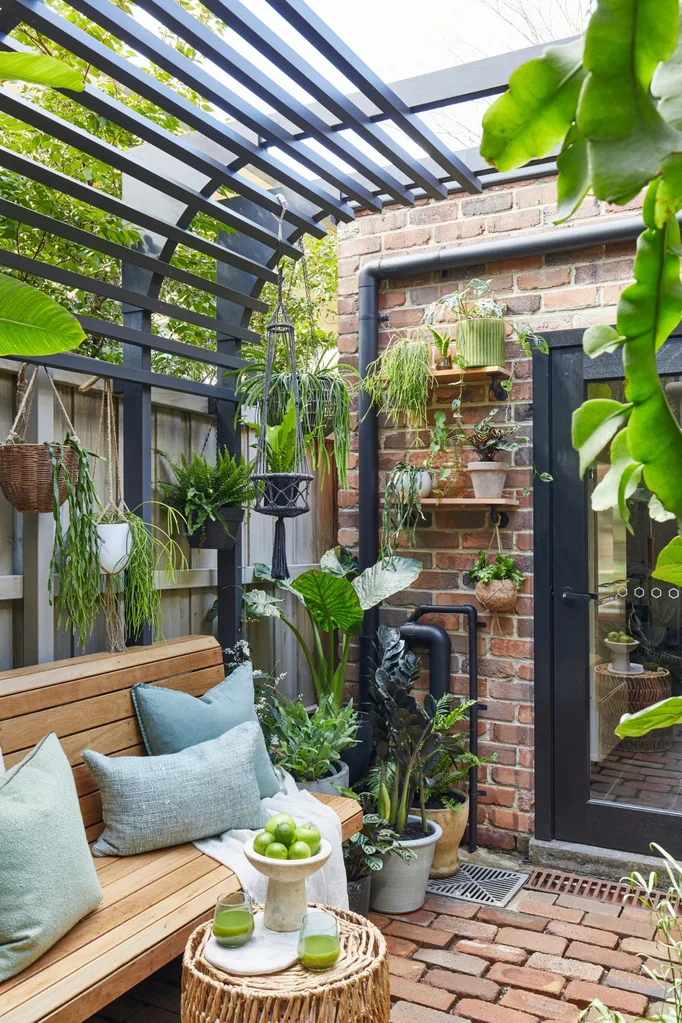
If you’re a true handyman who loves working with a variety of tools, you can create a DIY trellis. This is an ideal place for hanging vines to grow. It will transform a small courtyard into an outdoor paradise instantly.
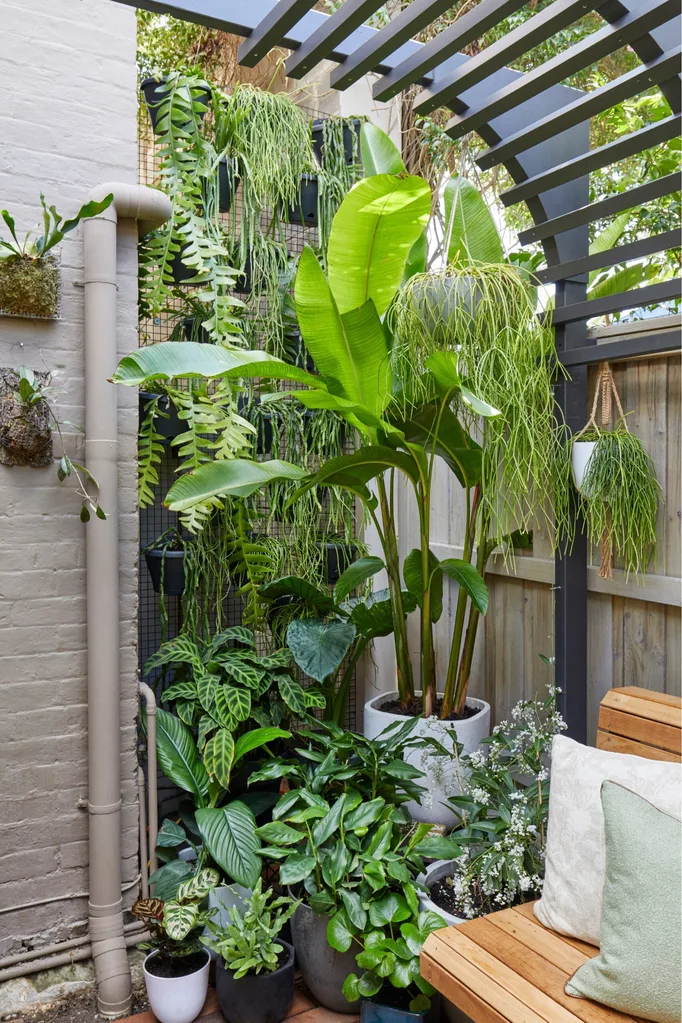
9. Design a feature wall
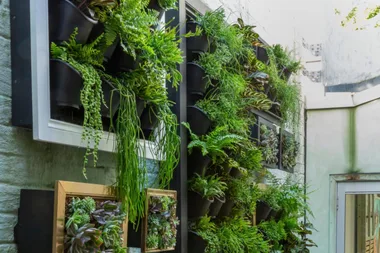
No list of vertical garden ideas is complete without including a living wall. It’s a unique and impressive design feature that’ll make your home stand out from the rest.
One of the challenges you’ll face in maintaining a living wall is keeping the plants watered. Watering them by hand puts you at risk of damaging your interior wall or the floor because of the excess moisture. You can build a DIY irrigation system or ask a professional for help.
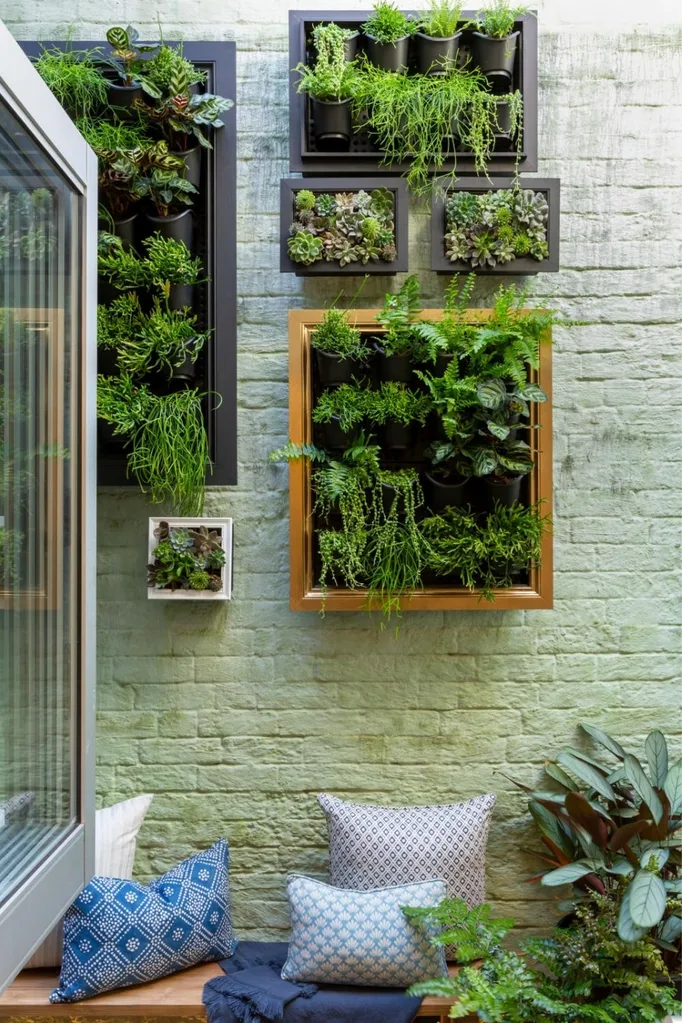
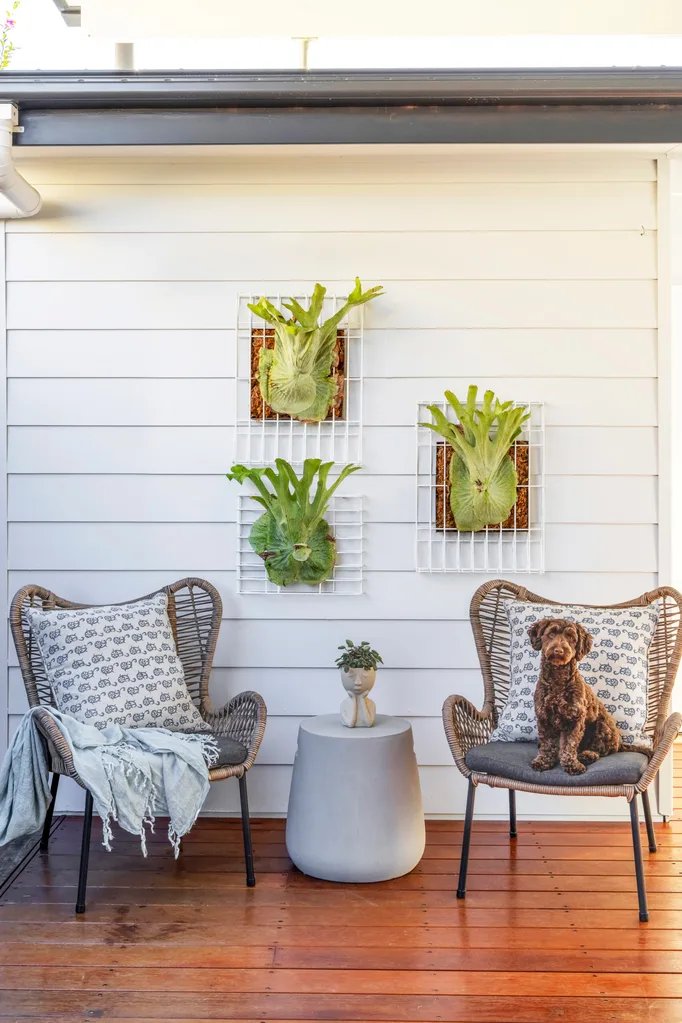
10. Mount a vertical frame planter
Photos and paintings aren’t the only objects that deserve to be framed and displayed. Plants can produce the same effect, too. Choose colourful succulents to achieve the best results.
11. Use hook planters
With hook-shaped garden planters, you can easily build a hanging garden. You can place them on railings or chicken wire.
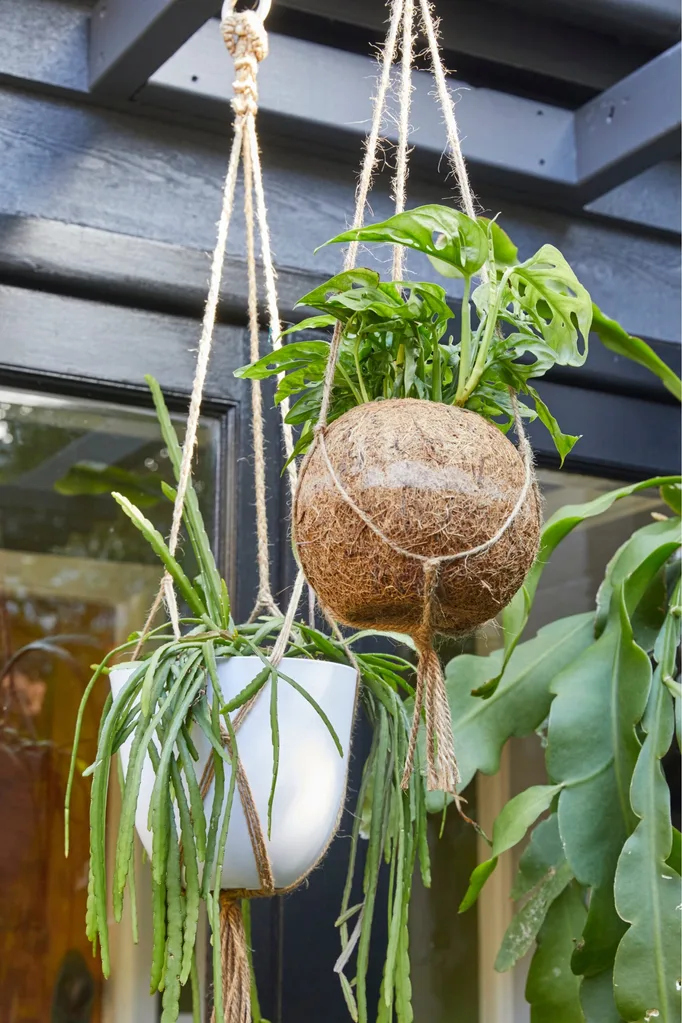
12. Create a hanging garden
Hanging gardens have been around since ancient times. This type of vertical garden is ideal for a large outdoor area since the cascading plants look best when they cover a lot of space.
13. Use an automated vertical garden system
A simple space-saving solution is to buy an automated vertical garden system. Available in both hydroponic or organic, you can add electric or solar power and add a heavy duty trolley to move it around easily.
14. Buy a vertical planter
If you’re scratching your head thinking of how to make a vertical garden, you don’t have to worry. Buying one, like this Bunnings vertical planter, is a foot-free solution.
15. Use planks
Nail pots to a plank and you can have an interesting wall feature to add to your home.
Graham’s guide on building a ladder herb garden
Add flavour to your dinners – and fragrance to your garden – with quick-growing herbs. Upcycle an old ladder to make a mini garden where you can pick your herbs without having to bend down.
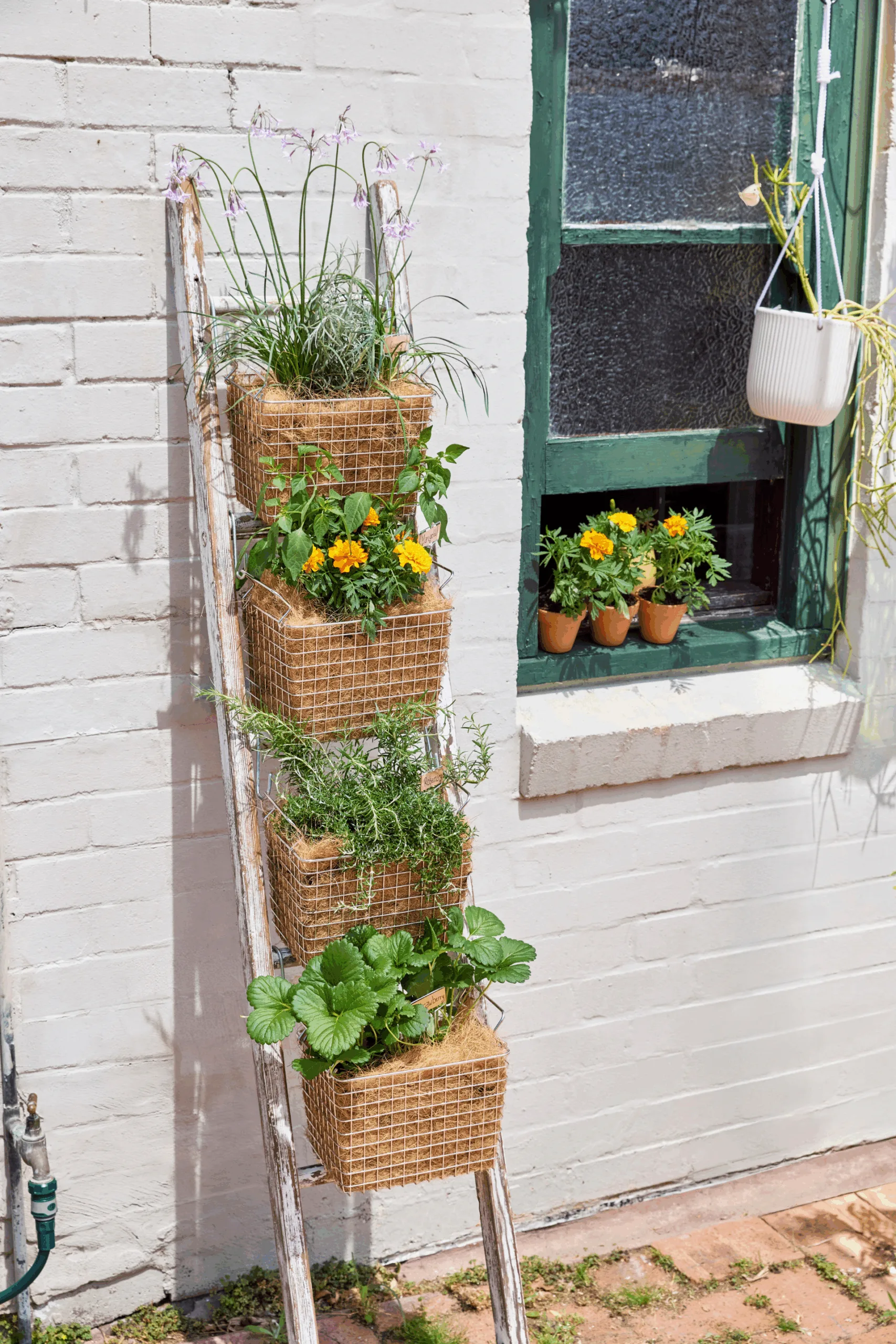
Gather your supplies
- Coir brick
- 4 wire baskets
- Geotextile fabric
- Quality potting mix
- Selection of herbs and other plants
- 8 S hooks
- Old ladder
- Plant labels
You’ll also need
- Scissors
- Gloves
- Garden trowel
Instructions
Step 1
Tease the coir brick apart and line the baskets.
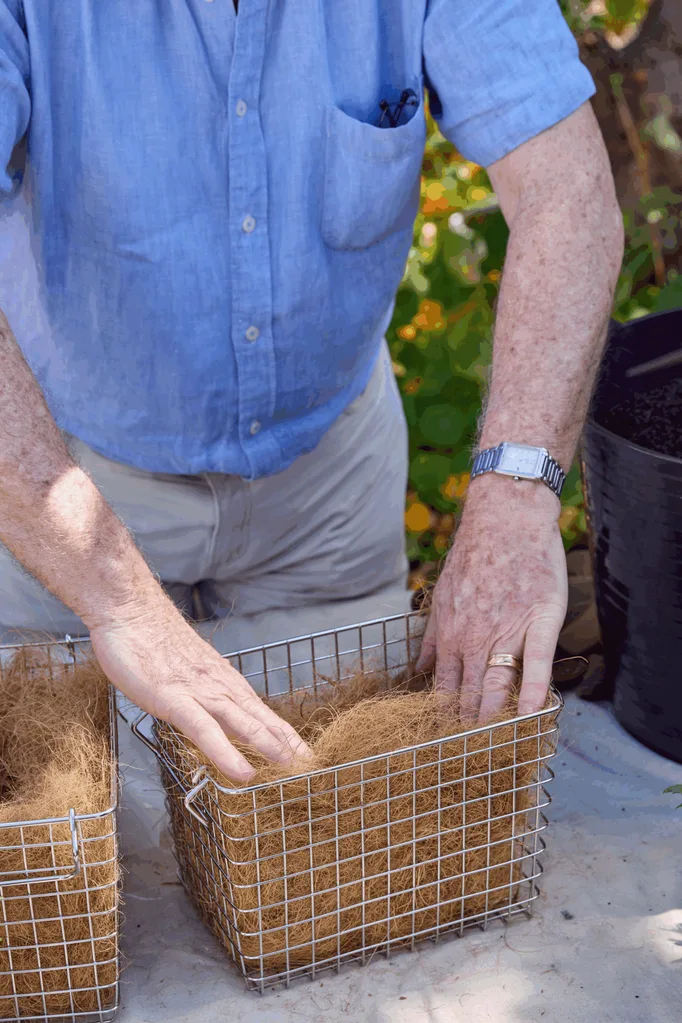
Step 2
Cut geotextile fabric and tuck inside the coir. This prevents potting mix falling into the coir but still allows water to drain.
Step 3
Fill baskets with potting mix using a trowel.
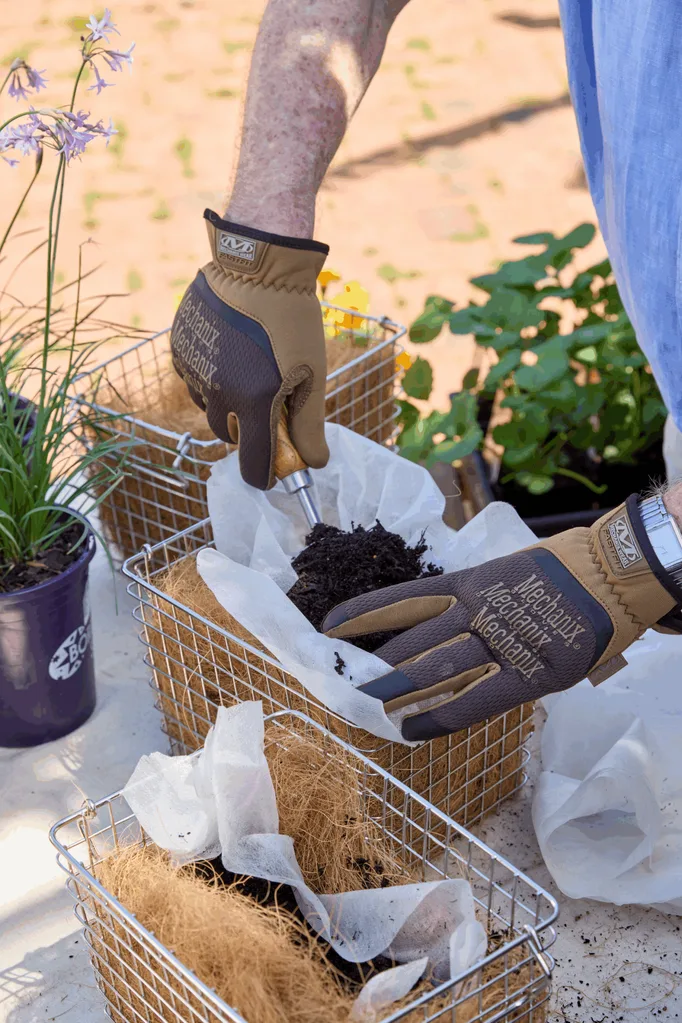
Step 4
Remove plants from growing containers, create wells in potting mix and put in plants. Press down mix gently.
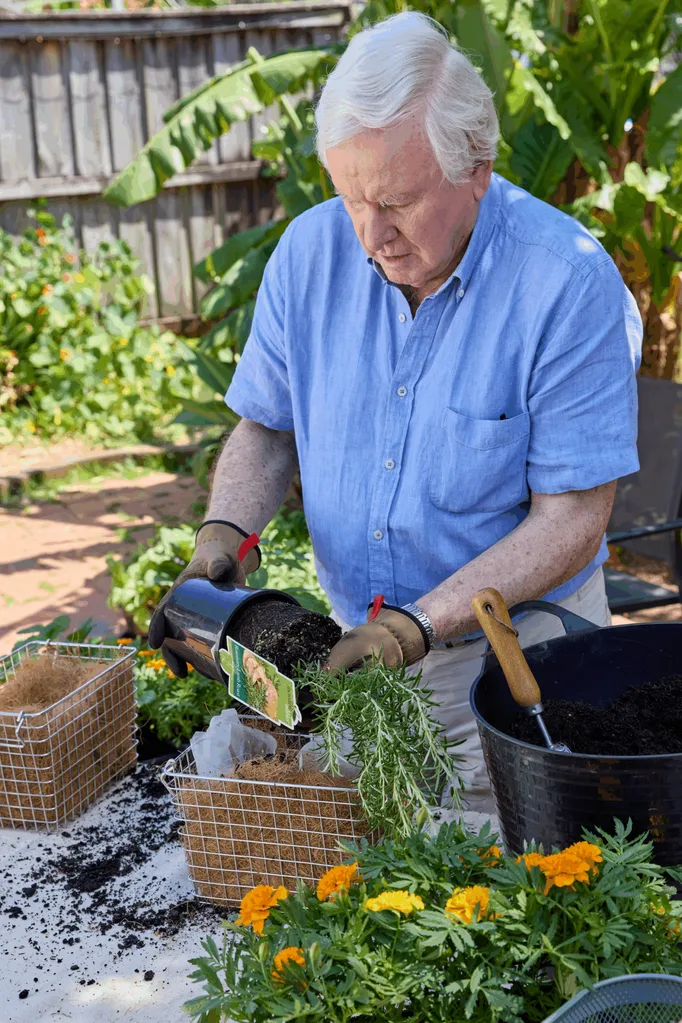
Step 5
Attach baskets to ladder with S hooks. Water.
Step 6
Pop in plant labels.
Why build a vertical herb garden?
Herbs are so versatile with their flavours – basil can be sweet and peppery, while oregano is bolder with a more earthy tone, and thyme is savoury with subtle hints of lemon. All can give your summer salads and pizzas a different note. They’re equally versatile for growing. You can use them to edge your vegetable patch or, if space is precious, you can go vertical with a cute herb ladder. Growing them on a sunny kitchen bench puts them in the prime spot for sprinkling over salads. By cultivating your own herbs, you get better tasting food and lower grocery costs. The best bit? It’s easy enough for everyone to try.
Advantages of building a vertical garden
When done right, vertical gardens look amazing, and completing the process can really give you a sense of achievement. Even though you’ll need to make a small investment, your hard work will pay off, especially if you’re growing edible herbs.
If you have an outdoor patio, you can even create a vertical garden to enclose the space and create a canopy. This “ green roof ” will provide much-needed shade, especially during the hot summer months. The plants also act as a soundproofing barrier and add privacy.
Vertical gardens can also help you make efficient use of a small outdoor space, like a balcony. But before you start building one, you should make sure that the area gets plenty of sunshine. It should be facing the east so your plants can have lots of morning light.
Best plants to grow in a vertical garden
Those who want to build an indoor garden in an apartment or condominium will need to plan more carefully. Not all plants can thrive without natural light, so choose the ones that do well in low-light environments . These include English ivies, ferns and peace lilies.
Test your green thumb
Vertical gardens add value to any home. They reduce ambient temperature , clean the air and take up little space. You also have the option to build one yourself, so it doesn’t take a lot of money or effort to get started.


