
A slippery driveway is one of those problems that’s easy to ignore. That is, until someone slips on it. Luckily, Charlie Albone has a quick fix for this. Thankfully, you don’t need a professional to sort it out. You can do it in a weekend.
KEY TAKEAWAYS
- Textured surfaces like block paving and concrete trap dirt, algae, and grime in their grooves, creating a slip hazard when wet.
- The fix is a two-step process: a thorough clean followed by a protective sealer.
- Use a degreasing cleaner (not a generic path cleaner) if the driveway is near garden beds or lawn, so it doesn’t kill nearby plants.
- Scrub the cleaner into the grooves, let it sit for around 15 minutes, then rinse thoroughly with a pressure washer.
- Sealing is the step most people skip — it’s what stops stains and grime from soaking back in and prevents the slipperiness from returning.
- The whole job takes just a few hours on a dry day and doesn’t require a professional.
Why do driveways become slippery?
Block paving and concrete driveways are particularly prone to becoming slippery because of their texture. Algae and grime work their way into every groove and crevice, and when it rains, that build-up becomes a genuine hazard.
As Charlie explains in the video above: “Because they’re so textured, they get a lot of dirt in them, and when that gets wet, it can be really dangerous.”
How to fix a slippery driveway
The solution comes down to two steps that Charlie says should only take a few hours.
What you’ll need:
- degreasing cleaner
- hard-bristle broom
- bucket
- water
- pressure washer
Step 1: Choose the right cleaner
Avoid generic path cleaners if your driveway is near garden beds or lawn. Many will kill anything they touch. Instead, use a degreasing cleaner formulated for tough grease and grime. Berger Jet Dry Active Clean is a great option, as its rinse residue won’t harm surrounding plants or grass.
Step 2: Apply and scrub
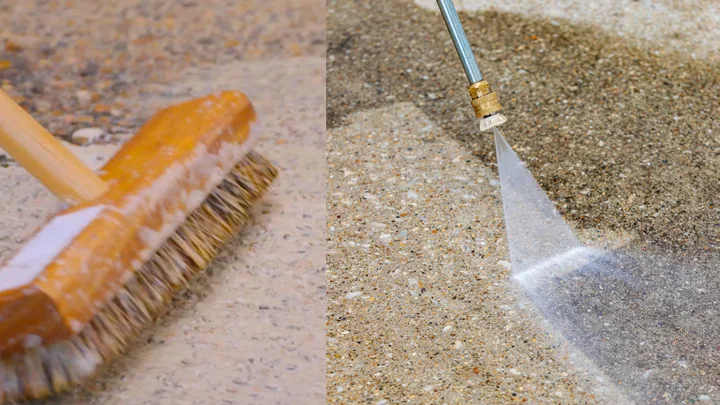
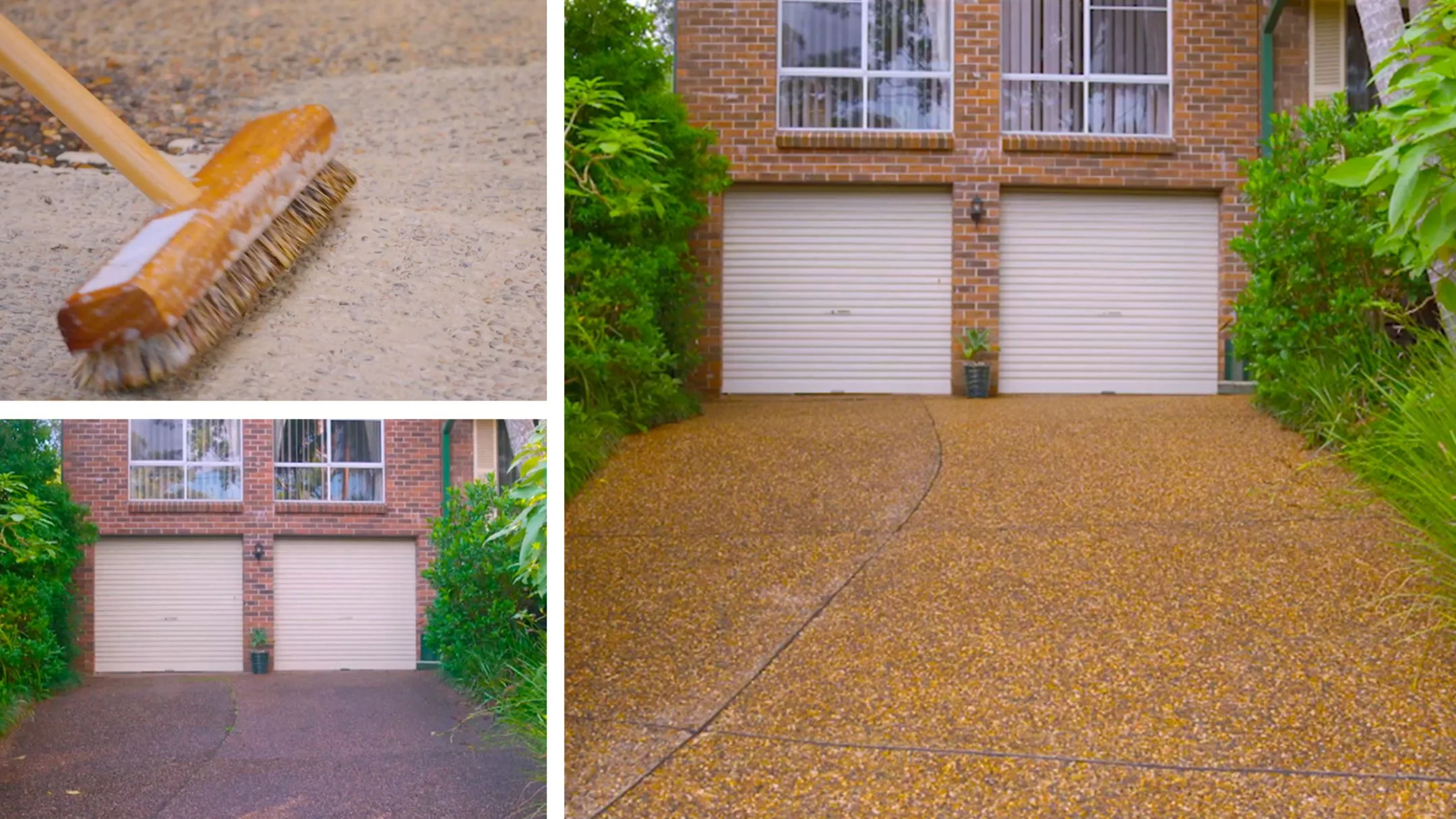
Spread the cleaner over the driveway and scrub it into the surface, working it into the grooves and texture where dirt collects.
Step 3: Let it work
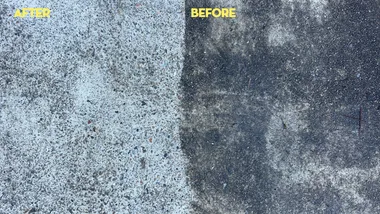
Leave the cleaner to penetrate for around 15 minutes, allowing it to lift the grease and grime from the surface.
Step 4: Pressure wash
Rinse the driveway thoroughly with a pressure washer to clear away the loosened dirt and residue.
Step 5: Seal the surface
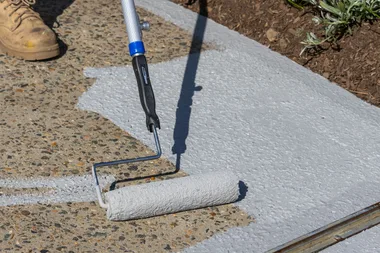
Once clean and dry, apply a coat of sealer. This is the step most people skip, but it’s what makes the difference in the long term — stopping stains from soaking back in and preventing the muck buildup that causes the slipping in the first place.
The result
A few hours on a dry day is all it takes. As Charlie puts it: “This is a pretty easy job to do, and you get a great-looking driveway at the end.”