

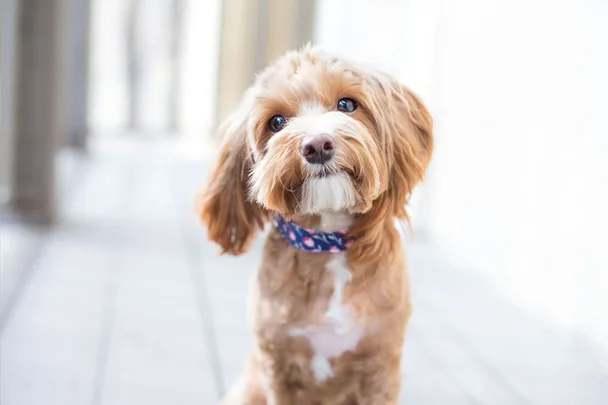
Small dogs are a popular choice for people living in small spaces, young families and people who simply want a companion they can pick up or easily manage on their daily walks. But with so many different small dog breeds available, it is hard to work out the right doggo for your household.
We’ve chatted with Dr Russel Barnett, Regional Clinical Director at Greencross Vets about what you should consider before buying a small dog, and all that it’ll entail.
When welcoming a small dog into the family, you can expect them to be “affectionate, loyal and very people-oriented,” Dr Barnett said.
“Despite their size, many have big personalities and can be highly intelligent. Like all dogs, they benefit from regular exercise, early socialisation and consistent training to help them develop into well-behaved companions.
15 of the most popular small dog breeds to consider
If you’re thinking of buying a small dog, here’s everything you need to know about some of the most popular breeds.
01
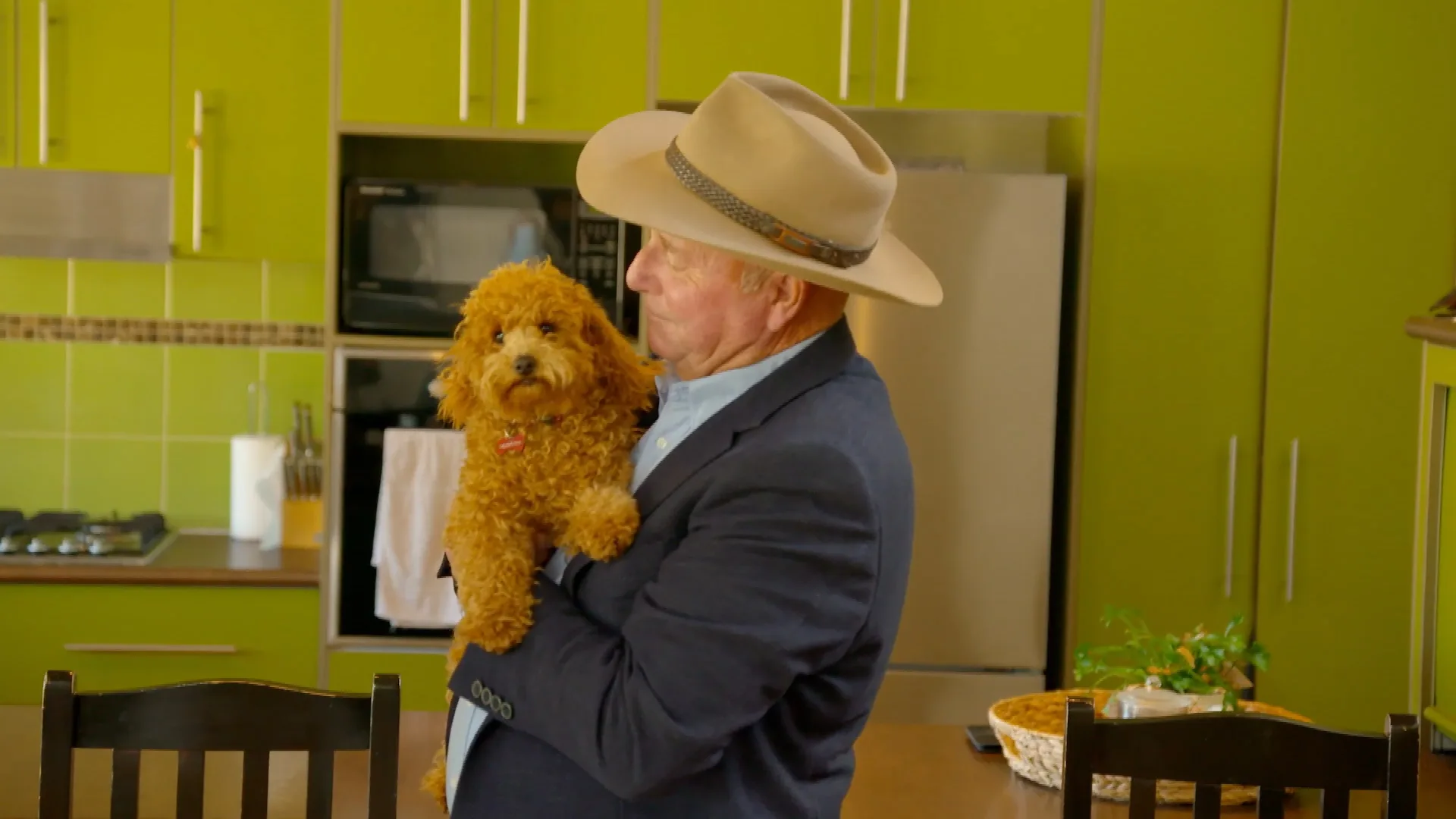
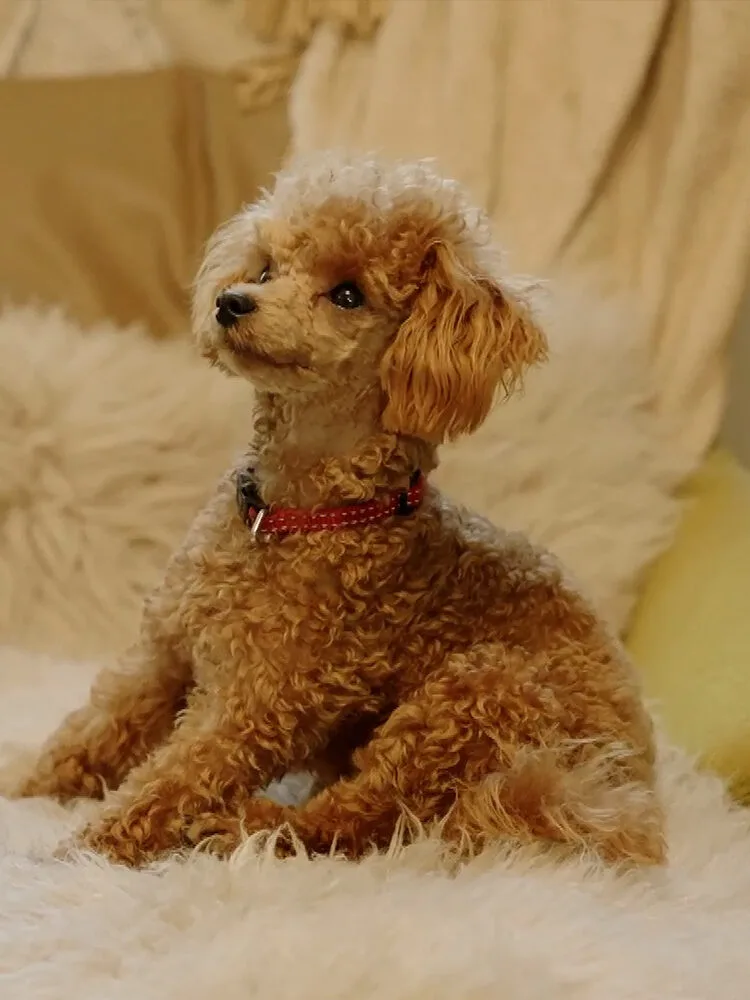
Toy poodle
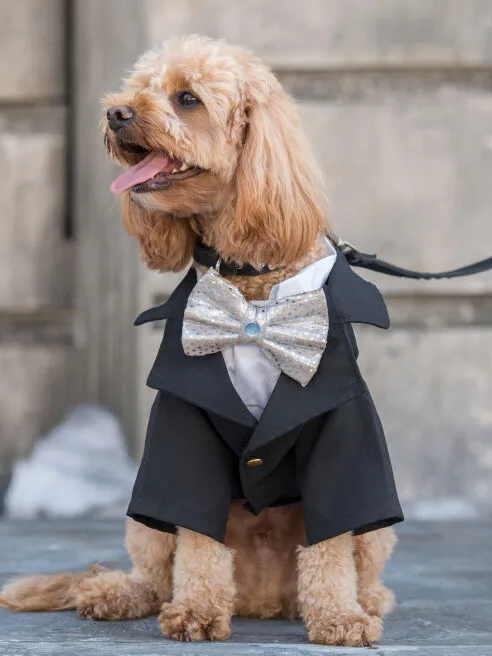
With all of the traits of a standard poodle (brains, affection and hypoallergenic qualities), a miniature poodle is a popular option for people who want a tiny dog species. It is also popular to cross poodles with other popular breeds like Golden Retrievers, Labradors and Cavaliers.
“Cavoodles are a popular choice because they are affectionate, social, and enjoy bonding closely with their family, making them a reliable and loving companion,” Dr Barnett said.
A toy poodle is considered to be one of the smartest dog breeds, making them very trainable and easily adaptable to different environments. If you love apartment living, then this pooch is for you!
Weight: 2-4.5kg
Height: 24-28cm
02
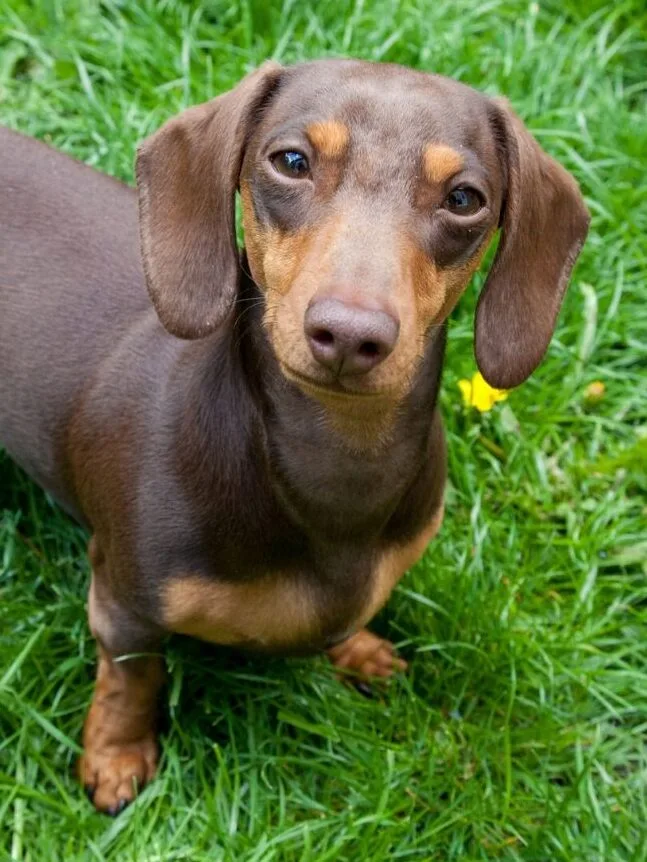
Daschund
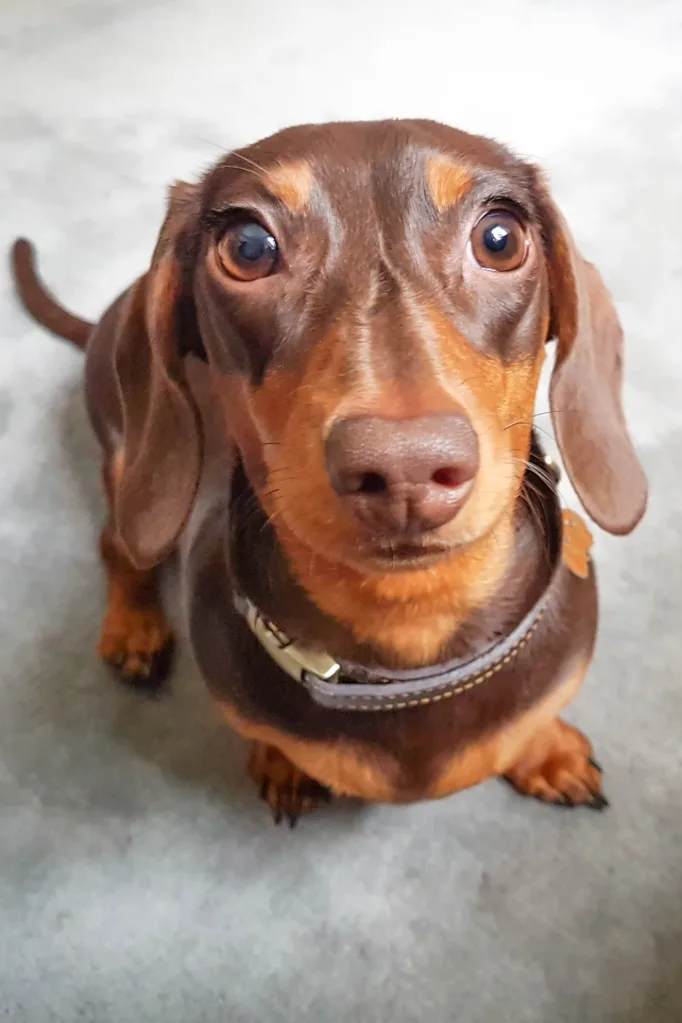
Dachshunds or Sausage Dogs have grown in popularity over the last few years. Bred to hunt badgers in early times, they’re a stubborn, sassy dog that will not take no for an answer. They come in smooth, long-haired, and wire-haired coats and have a very long body, and short legs
While they aren’t a low-maintenance dog, they’re by far the most loyal. If you want a best friend for life and a pup that’ll make you laugh out loud daily – daschunds are a great choice. They’re one of the only short breed dogs, are very intelligent which means they’re easy to train, however, their stubbornness may result in them deliberately not listening to you.
They don’t need a lot of exercise, but will want constant cuddles and affection. Dachshunds are often wary of strangers, and they’re known for their loud bark, but after getting to know someone, they’ll be your new best friend!
Weight: 7-14kg (standard) or 4-5kg (miniature)
Height: 13-23cm
03
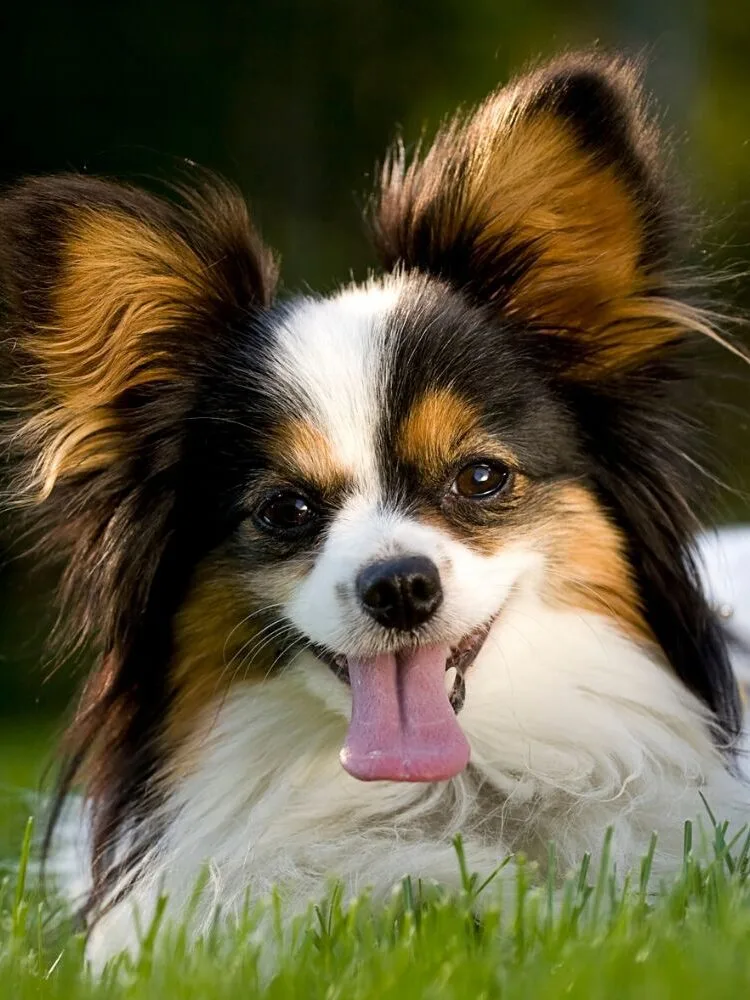
Papillon
The Papillon is on both our smallest and smartest dog list, typically weighing under 4kg. The name ‘Papillon’ refers to the butterfly-like look of this pup’s ears. Its common name is actually a Continental Toy Spaniel.
They are fluffy and have lots of energy to burn. They make great family dogs due to their small size and easy-going nature. They have a lifespan of around 13-15 years, making them an ideal dog for younger families that want a pet to last well into their children’s teen years.
Weight: 2-4kg
Height: 20- 28cm
04
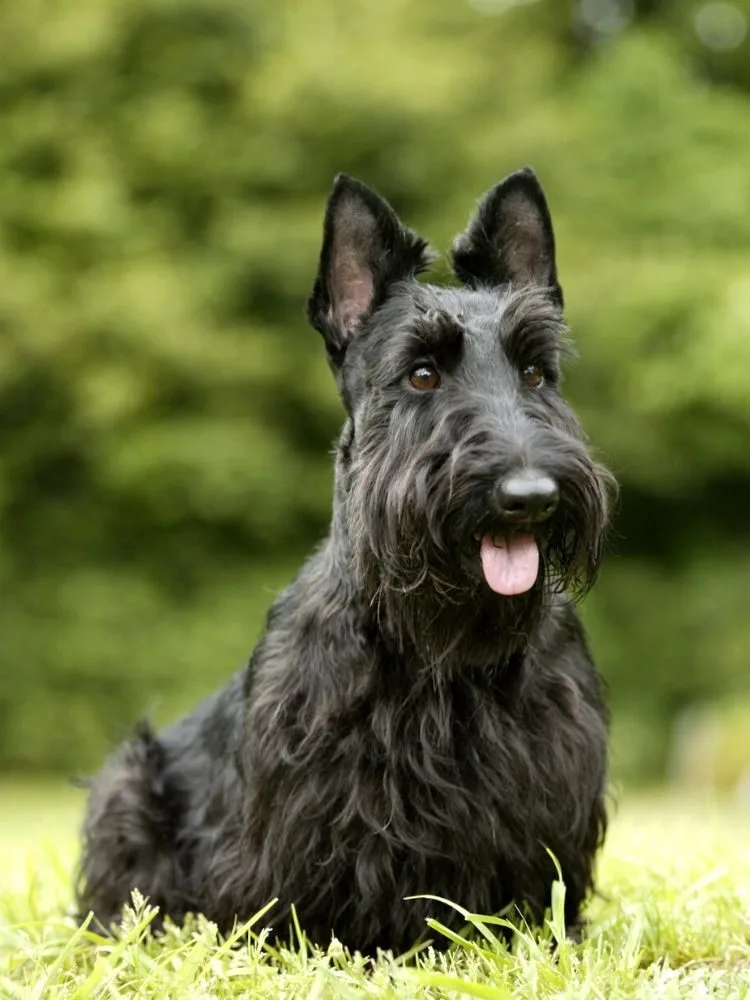
Scottish terrier
Affectionately known as Scotties, Scottish Terriers is known as a big dog with short legs, they’re built close to the ground and aren’t very good runners. They enjoy a calm lifestyle and are strong-willed so sometimes hard to teach if you don’t start early.
If you’re a fan of Tin Tin, then getting a white Scottie is definitely on the cards for you!
Weight: 8–10.5 kg
Height: 25–28 cm
05
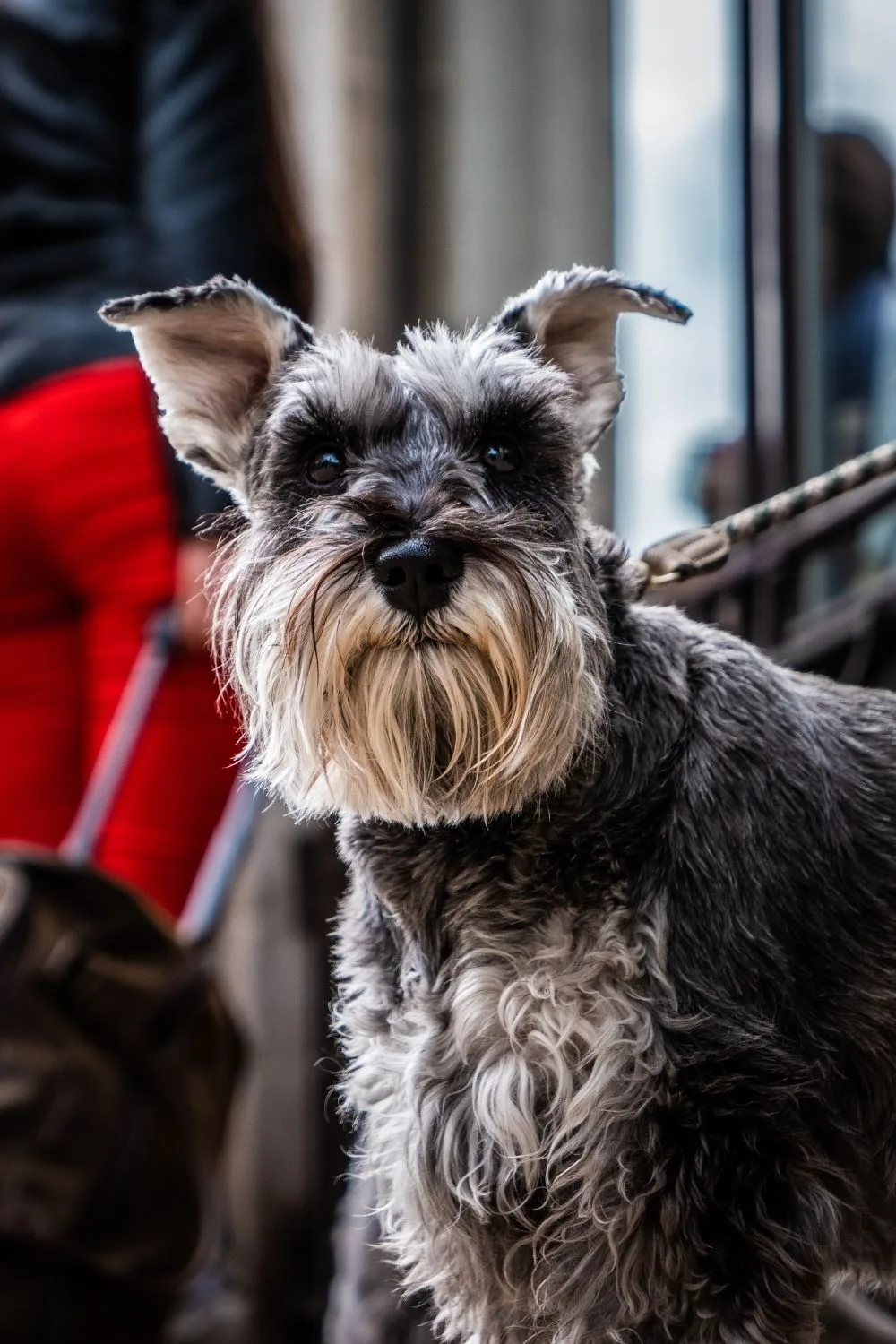
Miniature schnauzer
The Papillon is both our smallest and smartest dog list, typically weighing under 4kg. The name ‘Papillon’ refers to the butterfly-like look of this pup’s ears. Its common name is actually a Continental Toy Spaniel.
They have lots of energy to burn and make great family dogs, due to their small size and easy-going nature. They have a lifespan of around 13-15 years, making them an ideal dog for younger families that want a pet to last well into their children’s teen years.
Weight: 5–9 kg
Height: 30–36 cm
06
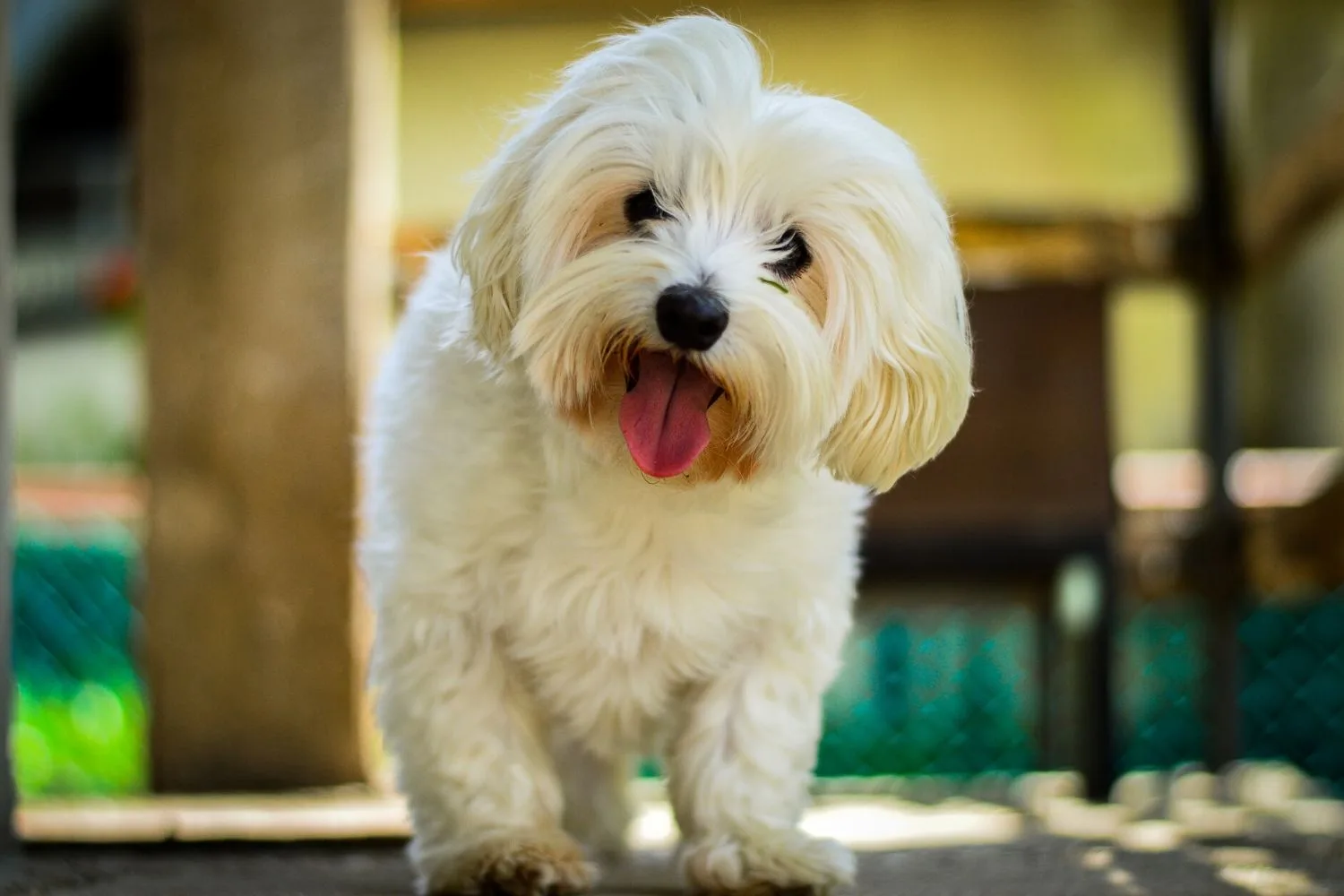
Maltese Shih Tzu
The original “white fluffy dog” is one of the most protective dogs in the pack. Maltese Shih Tzus can live to 20 years old and love to yap and chat. If you’re looking for longevity in your pet, this breed should be your top choice.
Maltese Shih Tzu’s also do not shed very much, and are the ideal lap dog for older relatives or younger children.
Weight: 4–8 kg
Height: 20–30 cm
07
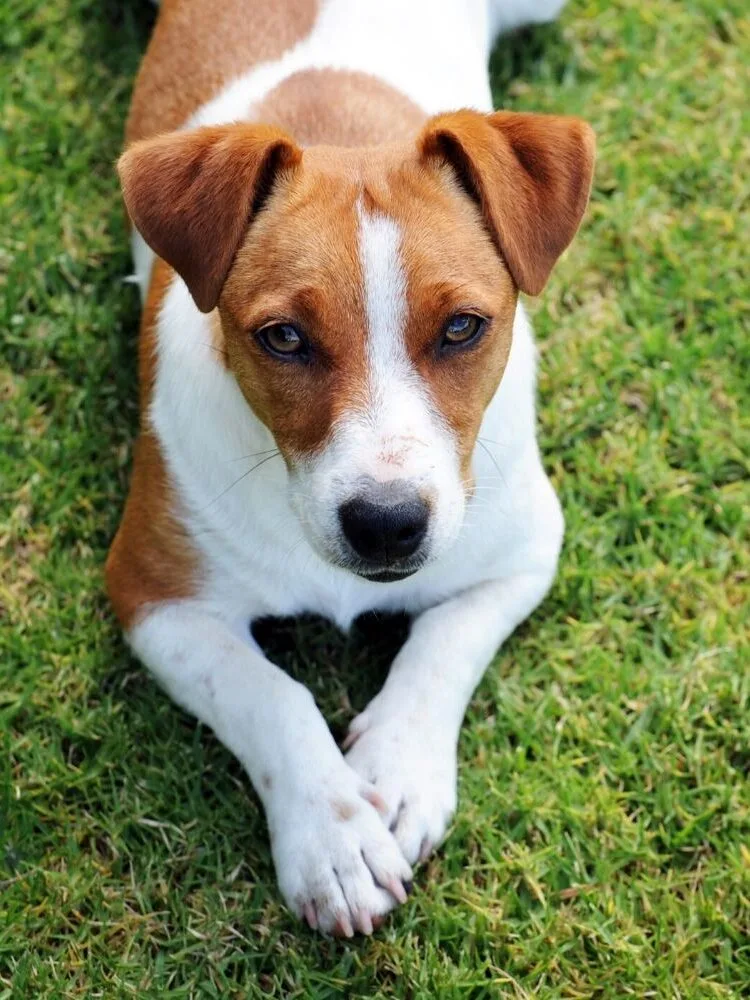
Jack Russell Terrier
Jack Russells are an active and smart small dog breed that makes the perfect family hound. This type of terrier grows to around 35cm tall and likes to be kept busy both mentally and physically.
This dog species loves social outings and plenty of exercise, but watch out, because they also love to dig! It must be because they were originally bred as fox-catchers.
Weight: 6–8 kg
Height: 25–38 cm
08
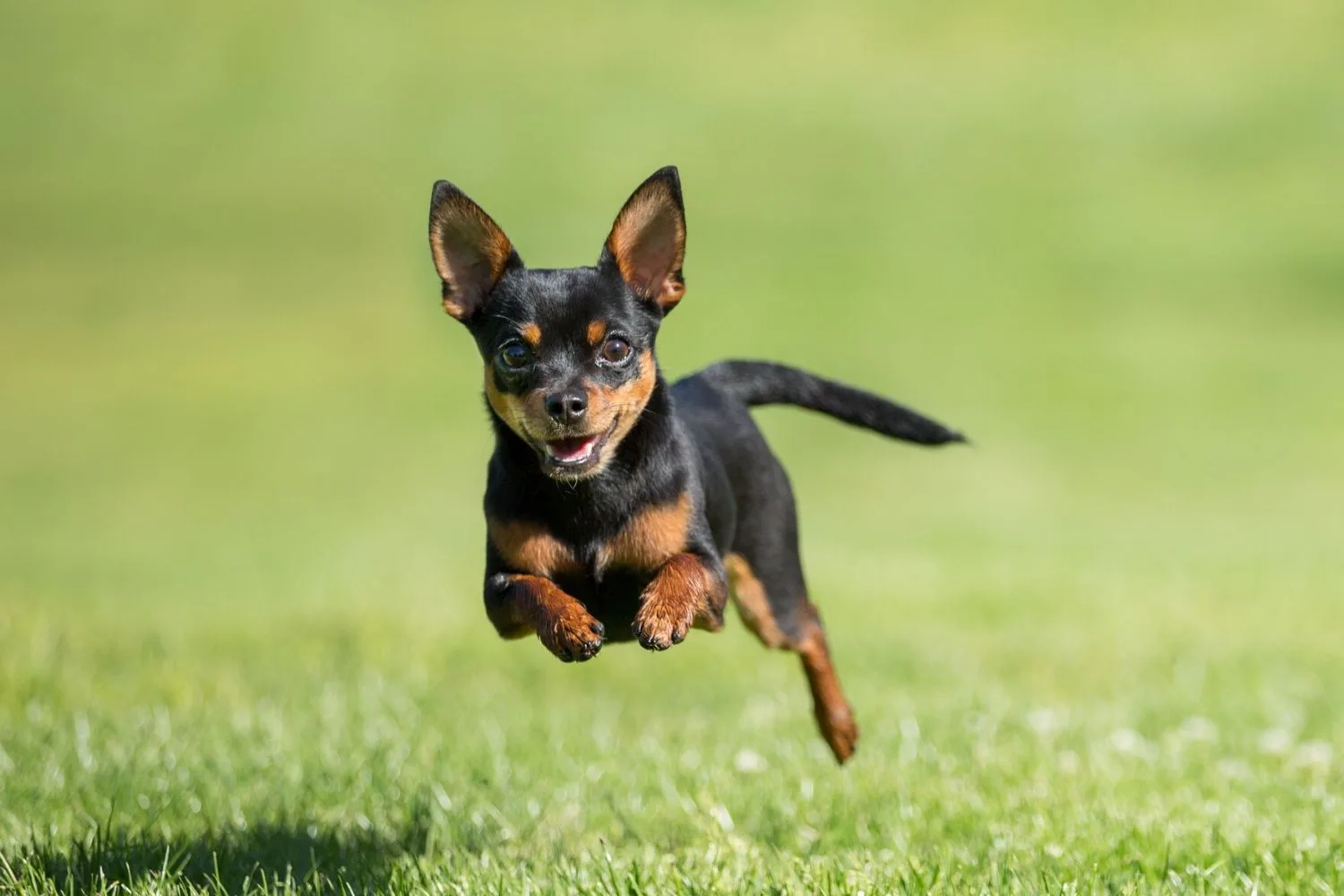
Chihuahua
Small in size, Chihuahuas make up for it with attitude. These pint-sized pups also don’t require too much walking, and are considered one of the most famous breeds of dog in the world.
While very loving and energetic, the Chihuahua is also known to be quite protective of family, making them a great watchdog. Don’t worry though, they still love their cuddles!
Weight: 1.5-3kg
Height: 15-23cm
09
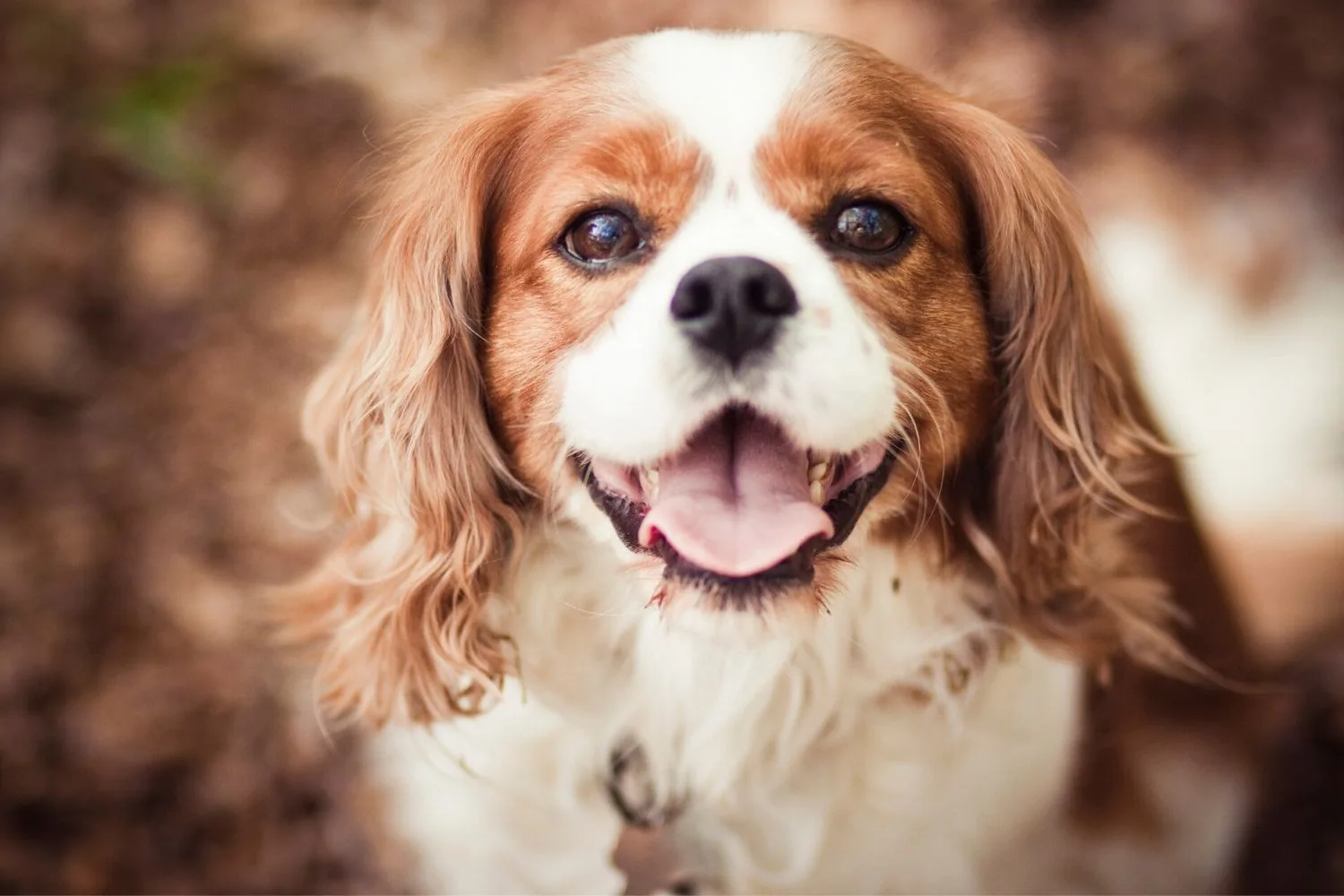
Cavalier King Charles Spaniel
Cavalier King Charles Spaniels are one of the most loving and loyal dogs. They are affectionately called lap dogs because they’ll be happiest nestled on the couch or by your side.
“Dogs like the Cavalier King Charles Spaniel are known for being gentle, affectionate and patient with children,” Dr Barnett said.
Being named after royalty certainly had its effect on this dog breed, who hold themselves with regal and quiet dignity. The only thing to consider before choosing this pup is that they’re not built to be an outside dog!
Weight: 5–8 kg
Height: 30–33 cm
10
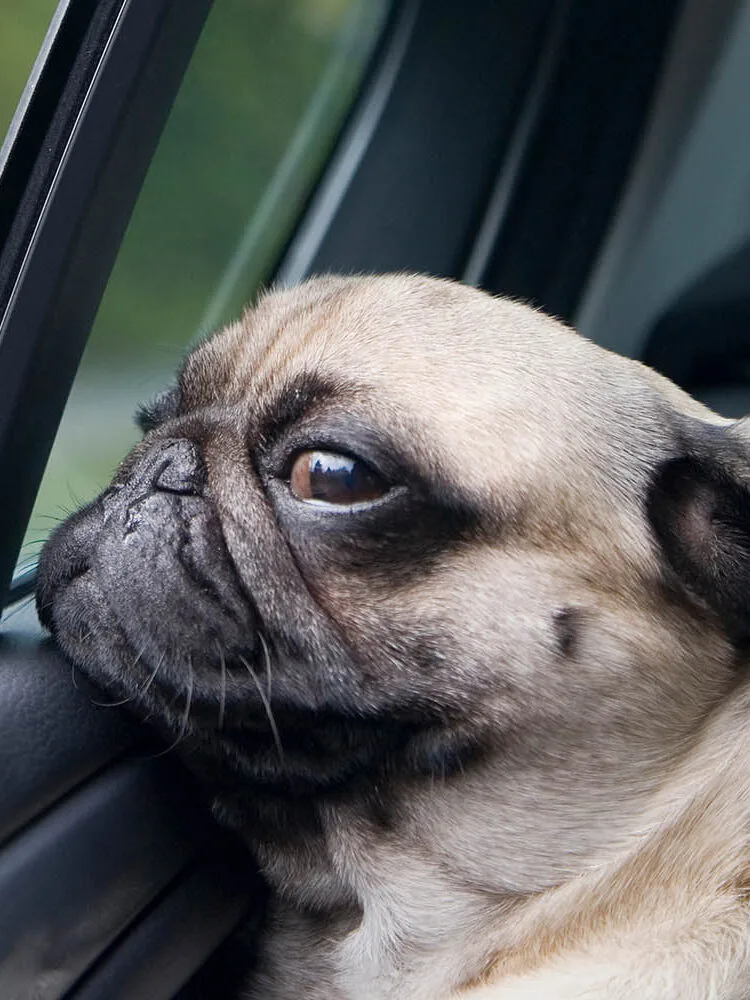
Pug
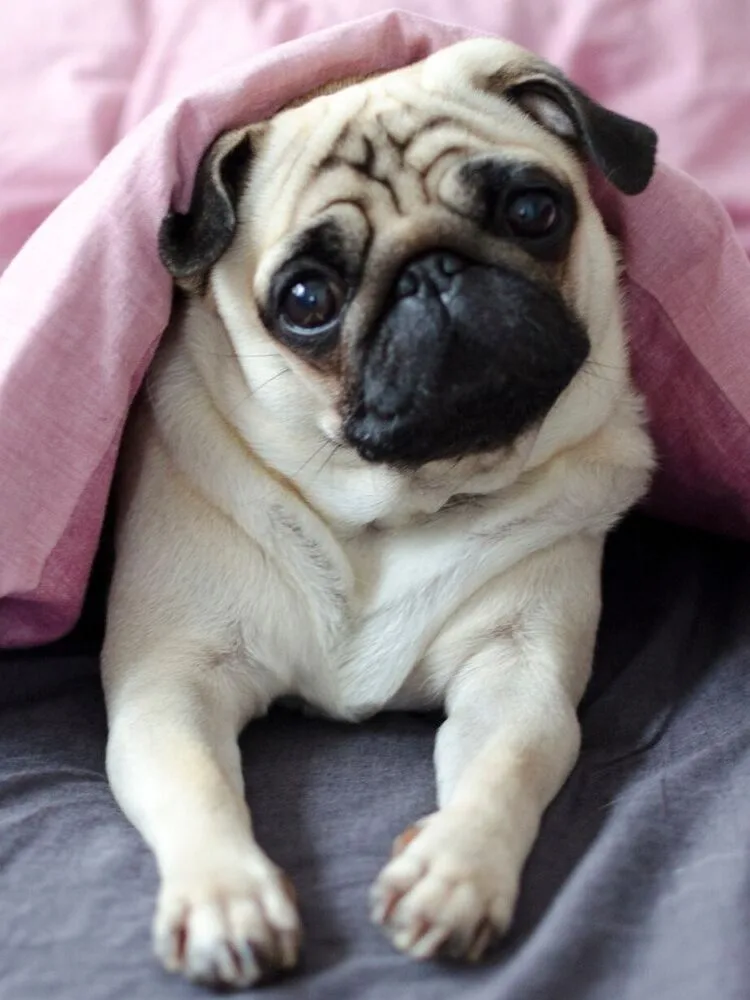
It’s hard not to fall in love with a pug, their short noses, wrinkly skin and adorable smile is infectious.
Pugs are a social breed but don’t need a lot of exercise and are happy leading a quiet lifestyle. They’re known for their great communication skills, using both their voice and body language.
Although their cute, smushed face is admired by many, it can be the cause of breathing problems and other health issues, which should be taken into consideration before choosing this breed.
Weight: 6–8 kg
Height: 25–30 cm
11
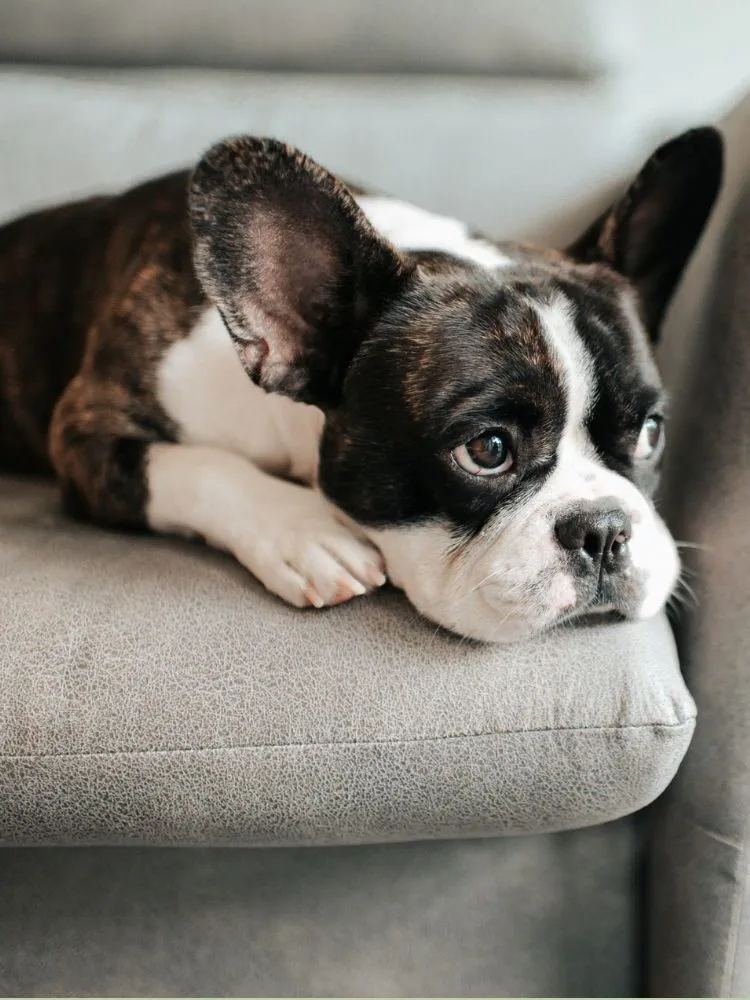
French Bulldog
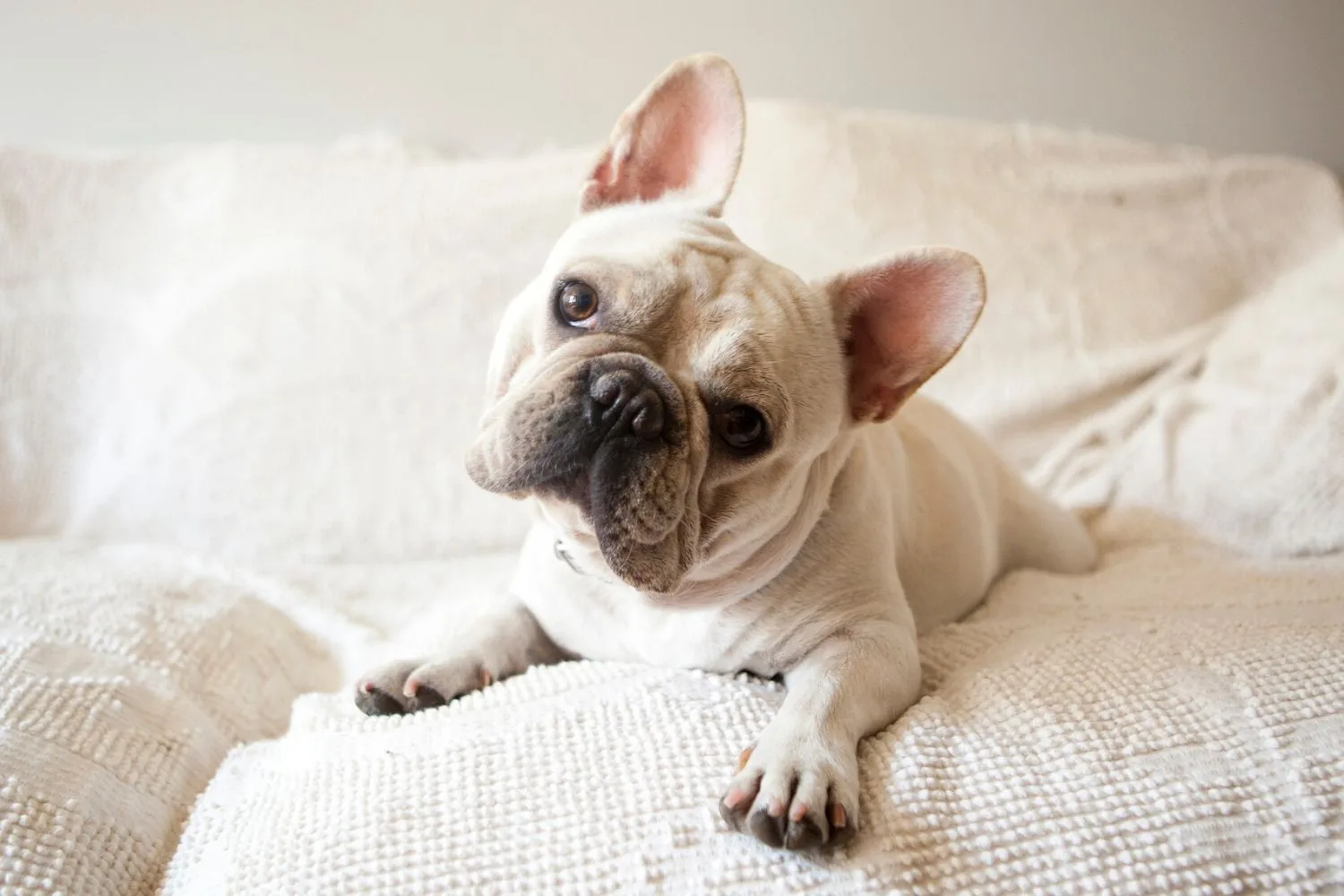
French Bulldogs are a cross between Toy Bulldogs and local ratters. Frenchies love people and to be cuddled constantly. Their face is all eyes and ears, and will make even the toughest character melt at the sight of them!
They don’t need much exercise and don’t do well in warmer climates, as they often find it difficult to regulate their body heat. This dog breed can have similar breathing difficulties to that of a pug, based on their body structure and shortened snout.
Weight: 8–13 kg
Height: 28–33 cm
12
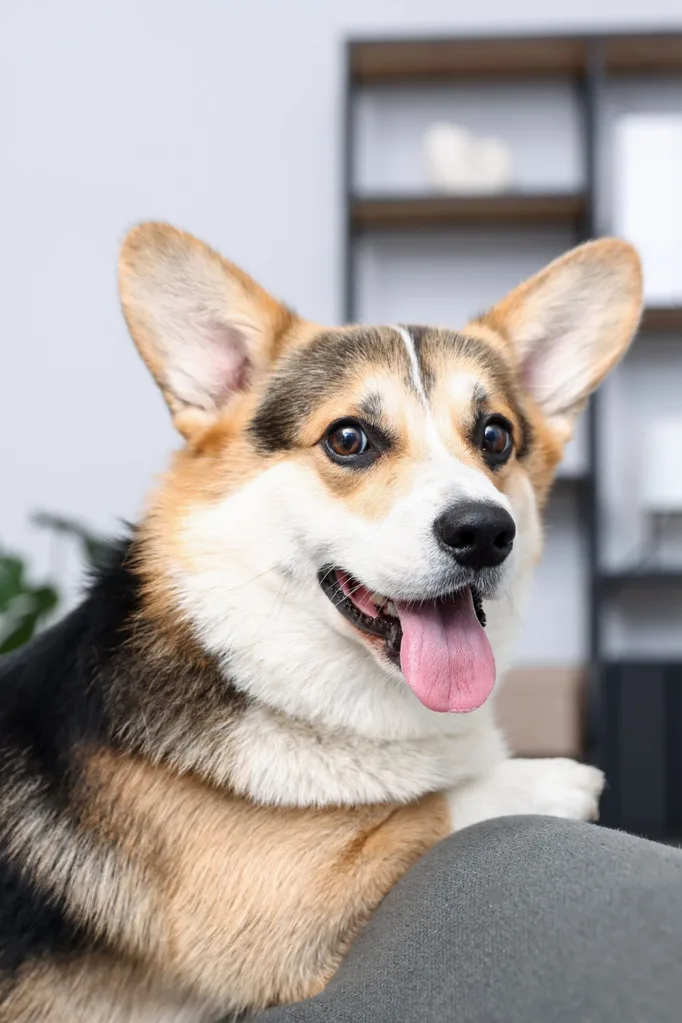
Corgi
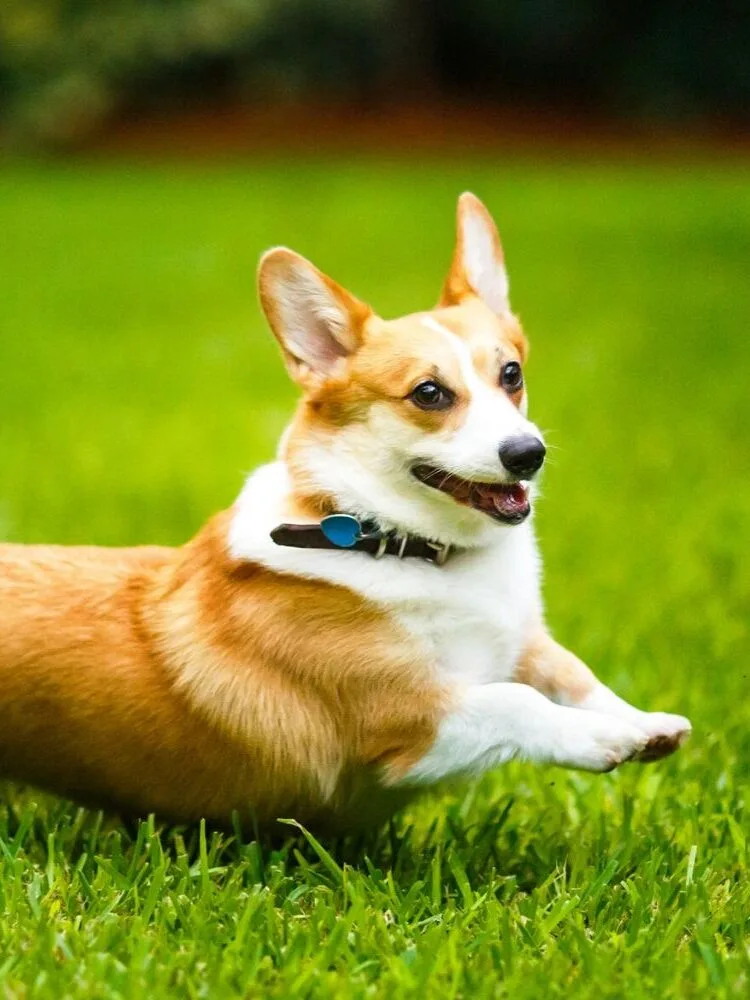
With an average weight of around 12kg and an overall height of around 36-43 cm, the Pembroke Welsh Corgi is another amazing small dog breed. It was a favourite of Queen Elizabeth II, who bred 14 generations while she was alive.
Corgis are considered extremely affectionate companion dogs, and everyone loves their endearing, somewhat comical attitude!
Weight: 10–12 kg
Height: 25–30 cm
13
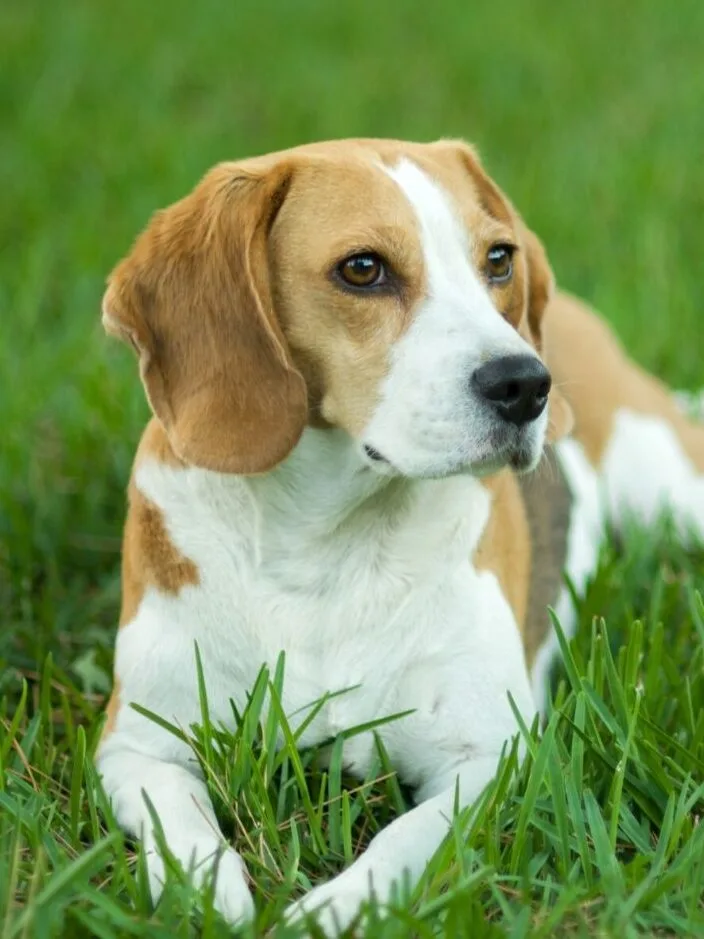
Beagle
Beagles have a great sense of smell but are one of the most stubborn and difficult dogs to train.
They have a gentle temperament, make very lazy guard dogs, but are great for families with small kids. Beagles are quite curious dogs because they are a type of hound dog. It’s in their nature to roam, so it’s important to make sure they don’t wander off!
Height: 33–40 cm
Weight: 9–11 kg
33–40 cm
Weight: 9–11 kg
14
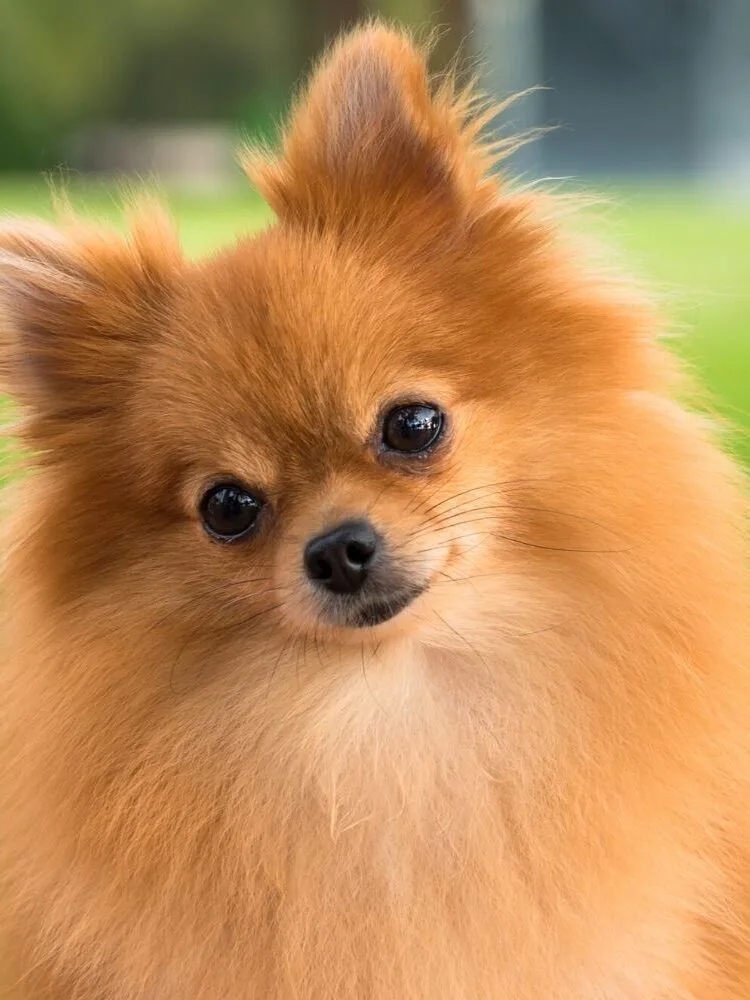
Pomeranian
The European pomeranian is one of the smallest dogs in the world weighing between 1.3-3.1kg. Their fluffy coat makes them look a whole lot bigger than they are, these pups are really friendly and playful.
This breed is actually a descendant of larger, Spitz dogs, but are classed as a toy dog breed because of their tiny size. Although they are often described as ‘spunky’, pomeranians make the perfect loyal pets.
Weight: 1.3-3.1kg
Height: 18-24cm
15
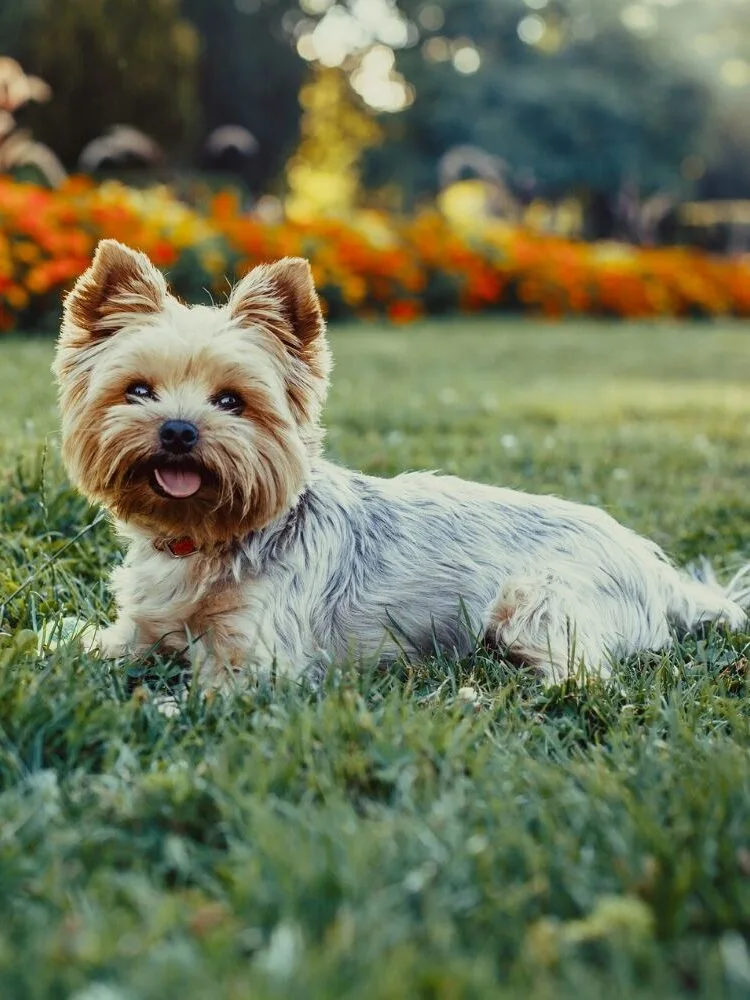
Yorkshire Terrier
Yorkshire Terriers have hearts of gold and are extremely loyal to their owners, but aren’t afraid to put newcomers in their place.
These pups are also hypoallergenic, making them great for people with allergies. Because they’re so small, they work well in apartment-living, but still love a walk in the outdoors.
Weight: 2-3.5kg
Height: 18-23cm
What is considered a small dog?
Small dog breeds are generally defined as dogs that weigh under about 10–12 kg and stand less than around 40 cm tall at the shoulder. These compact companions are often grouped into the toy and small breed categories.
Their smaller size makes them popular with people who live in apartments or smaller homes, and many small breeds adapt well to city life. Some are energetic and playful, while others prefer a calm lifestyle with plenty of time relaxing beside their owners.
Many small dogs also live longer than larger breeds, making them long-term companions.
What is the most popular small dog breed of 2026?
The dog breed taking the top spot in popularity this year is no surprise.
“The Cavoodle, a cross between a Cavalier King Charles Spaniel and a Poodle, continues to be one of the most popular small breeds in Australia,” Dr Barnett says.
“They are loved for their affectionate nature, intelligence, trainability, and relatively low-shedding coat.”
Why do people opt for a small canine breed?
They’re a great choice for first-time owners and adaptable for any space.
“Small breeds that are friendly, adaptable, and easy to train are usually best for first-time owners,” Dr. Barnett said.
“They adapt very well to apartment living. Their smaller size means they generally require less space, smaller food portions, are easier to travel with when needed, and many are comfortable living indoors as long as they receive daily exercise, mental stimulation and regular walks.”
Comparison breakdown: Small dog temperament and lifestyle
| Breed | Temperament | Best suited household/lifestyle |
|---|---|---|
| Papillon | Energetic, intelligent, friendly | Active families, people wanting a small trainable dog |
| Toy Poodle | Highly intelligent, adaptable, affectionate | Apartment living, first-time owners, people who enjoy training dogs |
| Pomeranian | Bold, playful, loyal | Singles or couples, smaller homes, owners who want a lively companion |
| Scottish Terrier | Independent, calm, stubborn | Experienced owners, quieter households |
| Miniature Schnauzer | Friendly, alert, playful | Families, allergy sufferers, moderately active homes |
| Maltese Shih Tzu | Affectionate, protective, vocal | Seniors, families, people wanting a lap dog |
| Jack Russell Terrier | Extremely energetic, intelligent | Active owners, homes with yards, people who enjoy outdoor activities |
| Chihuahua | Loyal, protective, confident | Apartment dwellers, singles, owners wanting a very small companion |
| Cavalier King Charles Spaniel | Gentle, affectionate, social | Families, people wanting a cuddly companion |
| Pug | Sociable, affectionate, relaxed | Apartment living, lower-activity households |
| French Bulldog | Friendly, affectionate, people-oriented | City living, small homes, owners wanting a low-exercise dog |
| Corgi | Playful, affectionate, intelligent | Active families, homes with space for play |
| Beagle | Curious, gentle, independent | Families with yards, owners comfortable with training challenges |
| Yorkshire Terrier | Loyal, confident, energetic | Apartment dwellers, people wanting a small but lively dog |
| Dachshund | Playful, affectionate, stubborn | Families or singles wanting a companion dog with moderate exercise needs |
Which dogs are best with seniors?
While all small dog breeds are much easier for seniors to look after than a larger dog breed, some are more suited temperament-wise.
Dr Barnett recommends, “Smaller companion breeds such as the Maltese or Shih Tzu are often well suited to seniors because they are loving, loyal and enjoy spending time close to their owners.”
How long do small dog breeds often live for?
“Small dog breeds generally have longer lifespans than larger dogs,” Dr. Barnett said. “Many live between 12 and 16 years, and some can live even longer with good care, nutrition and regular veterinary check-ups.”
What are some small dog breed-specific illnesses?
“Some health issues occur more frequently in smaller breeds,” Dr. Barnett said.
“These include dental disease, luxating patellas (slipping kneecaps), and heart disease such as mitral valve disease – especially in breeds like the Cavalier King Charles Spaniel. Regular vet checks and preventative care can help detect and manage these conditions early.”
Best low-shedding small dog breeds
“No dog is truly hypoallergenic, but some breeds are less likely to trigger allergies because they shed less,” Dr. Barnett said.
Examples include:
- Toy Poodle
- Miniature Schnauzer
- Bichon Frise
- Maltese Shih Tzu
- Yorkshire Terrier
Best small dog breeds for apartments
Many small dogs adapt well to apartment living, especially breeds that don’t require large amounts of daily exercise. Some of the best small dog breeds for apartments include:
- French Bulldog – calm, affectionate and generally low energy
- Daschund – sociable, tiny size and requires little exercise
- Pug – sociable companion that enjoys a relaxed lifestyle
- Chihuahua – tiny size makes them ideal for smaller spaces
- Toy Poodle – adaptable and intelligent
- Cavalier King Charles Spaniel – affectionate and content indoors
While these breeds suit smaller homes, they still benefit from daily walks, playtime and mental stimulation.
Best small dog breeds for families with children
Some small dogs have especially gentle and friendly temperaments that make them great companions for families.
Breeds often considered good with children include:
- Cavalier King Charles Spaniel – affectionate and tolerant
- Beagle – playful and sociable
- Miniature Schnauzer – friendly and energetic
- Corgi – intelligent and lively
- Papillon – playful and eager to interact
As with any dog, supervision is important when young children interact with pets.
Small dog breeds comparison guide
| Breed | Height | Weight | Energy level | Grooming needs |
|---|---|---|---|---|
| Papillon | 20–28 cm | 2–4 kg | High | Moderate |
| Toy Poodle | 24–28 cm | 2–4.5 kg | Medium–high | High |
| Pomeranian | 18–24 cm | 1.3–3.1 kg | Medium | High |
| Scottish Terrier | 25–28 cm | 8–10.5 kg | Medium | Moderate |
| Miniature Schnauzer | 30–36 cm | 5–9 kg | Medium | Moderate |
| Maltese Shih Tzu | 20–30 cm | 4–8 kg | Medium | Moderate |
| Jack Russell Terrier | 25–38 cm | 6–8 kg | Very high | Low |
| Chihuahua | 15–23 cm | 1.5–3 kg | Medium | Low |
| Cavalier King Charles Spaniel | 30–33 cm | 5–8 kg | Medium | Moderate |
| Pug | 25–30 cm | 6–8 kg | Low–medium | Low |
| French Bulldog | 28–33 cm | 8–13 kg | Low | Low |
| Pembroke Welsh Corgi | 25–30 cm | 10–12 kg | Medium–high | Moderate |
| Beagle | 33–40 cm | 9–11 kg | High | Low |
| Yorkshire Terrier | 18–23 cm | 2–3.5 kg | Medium | High |
| Dachshund | 13–23 cm | 4–14 kg | Medium | Low |
How to care for small dog breeds
While small dogs may need less space than larger breeds, they still require proper care and attention.
Exercise
Most small dogs benefit from daily walks and playtime, even if they are happy indoors.
Diet
Small breeds often have faster metabolisms, so they may require high-quality food formulated for small dogs.
Grooming
Some breeds such as Pomeranians and Yorkshire Terriers need frequent brushing, while short-haired dogs like Pugs require less grooming.
Training
Small dogs can develop behavioural issues if not trained early, so consistent training and socialisation are important.


